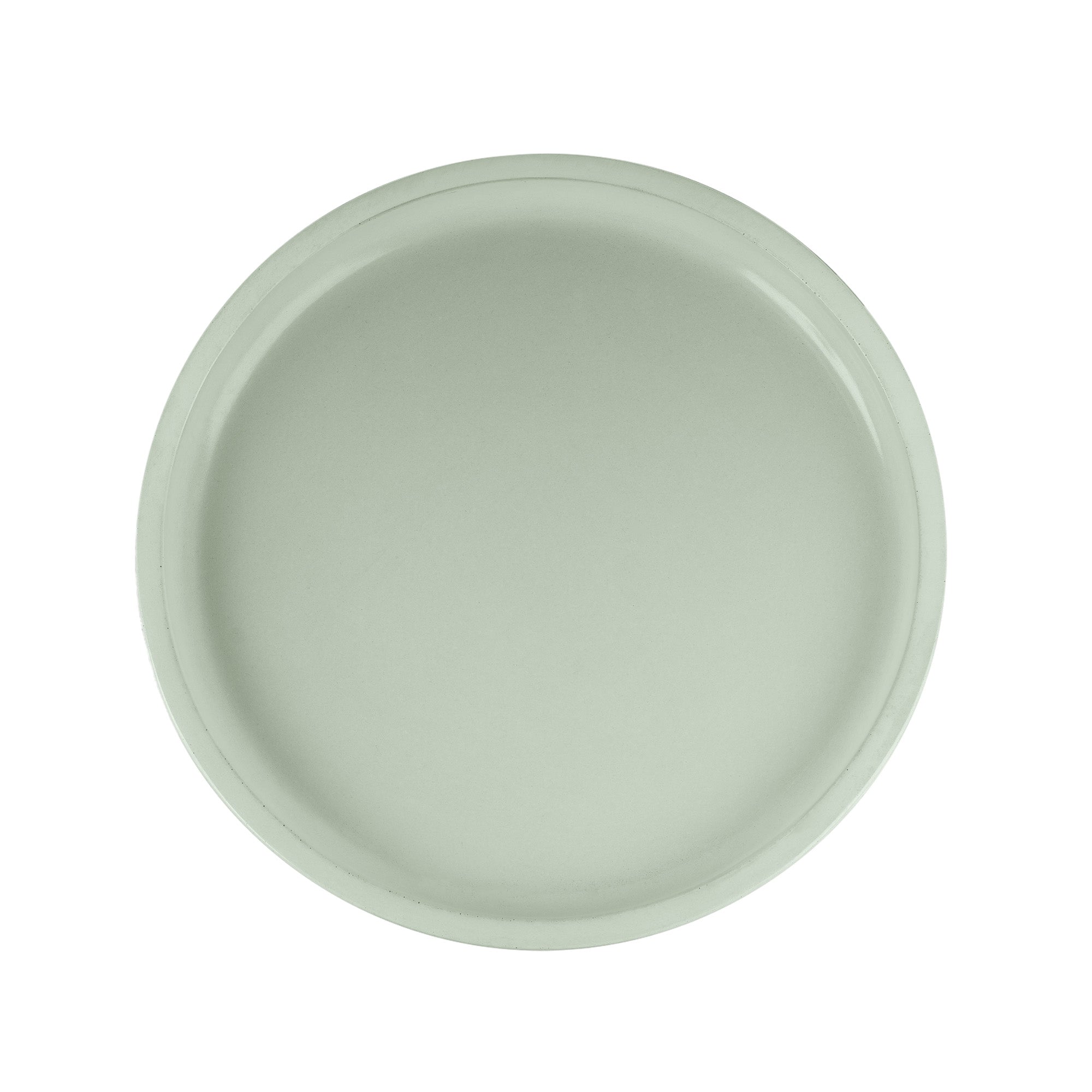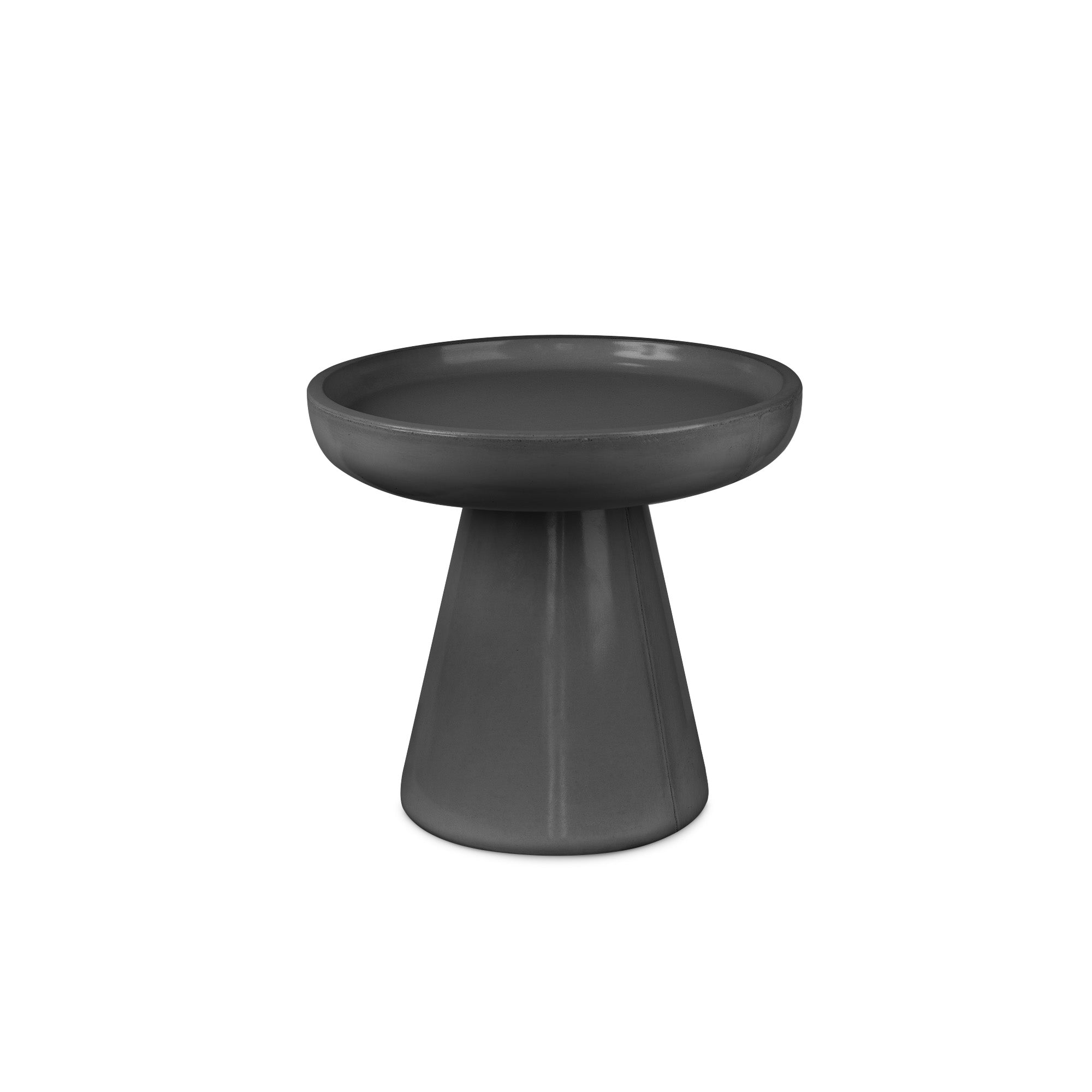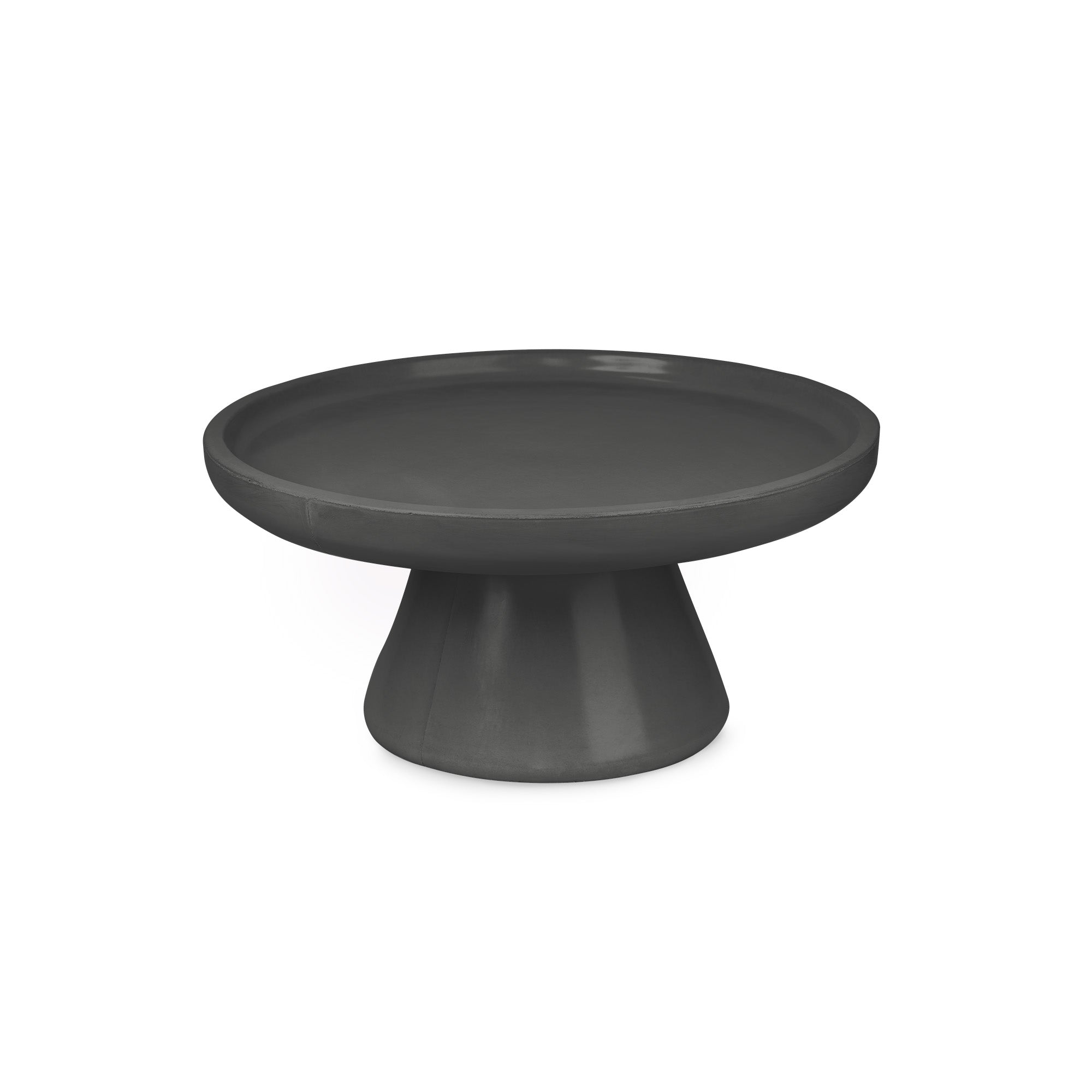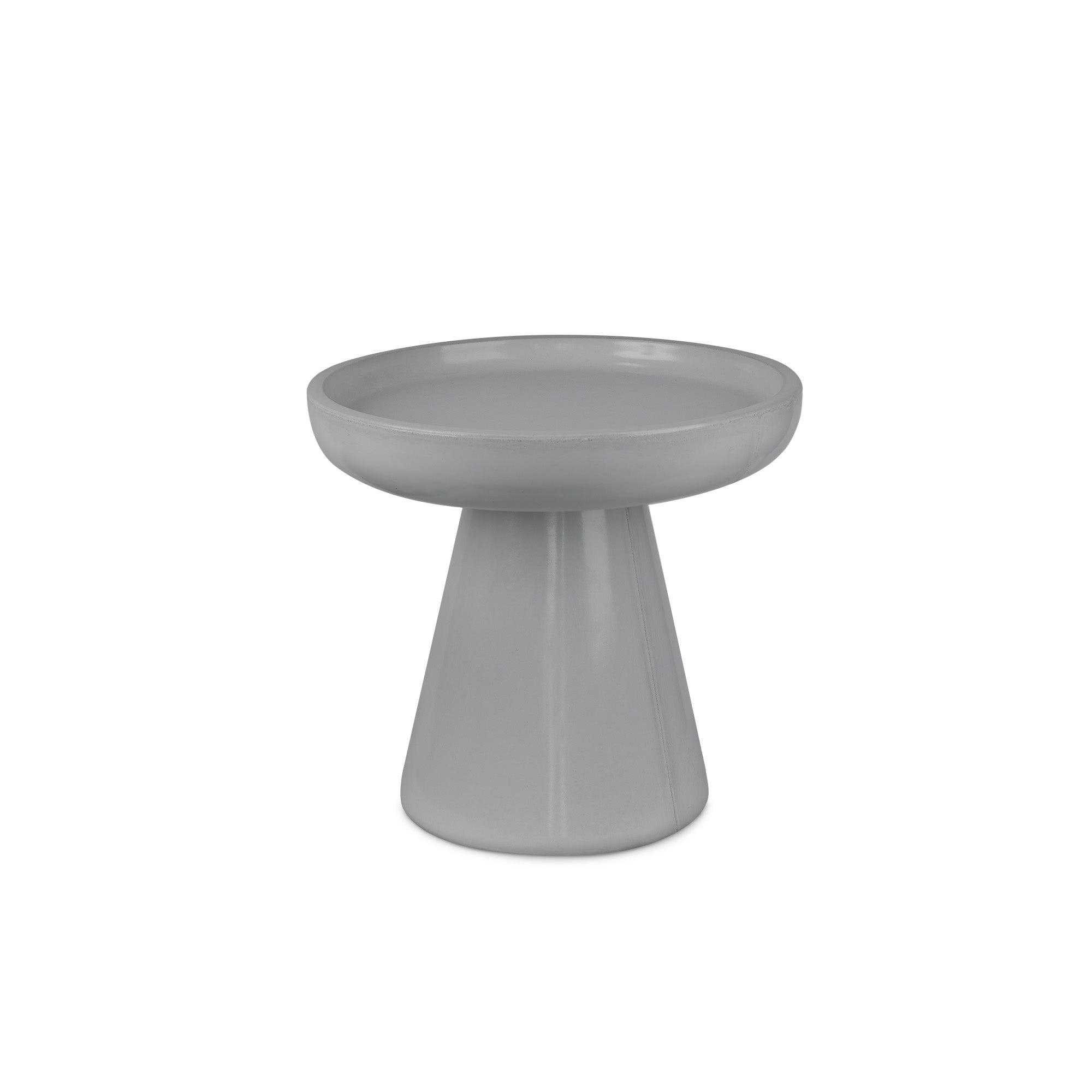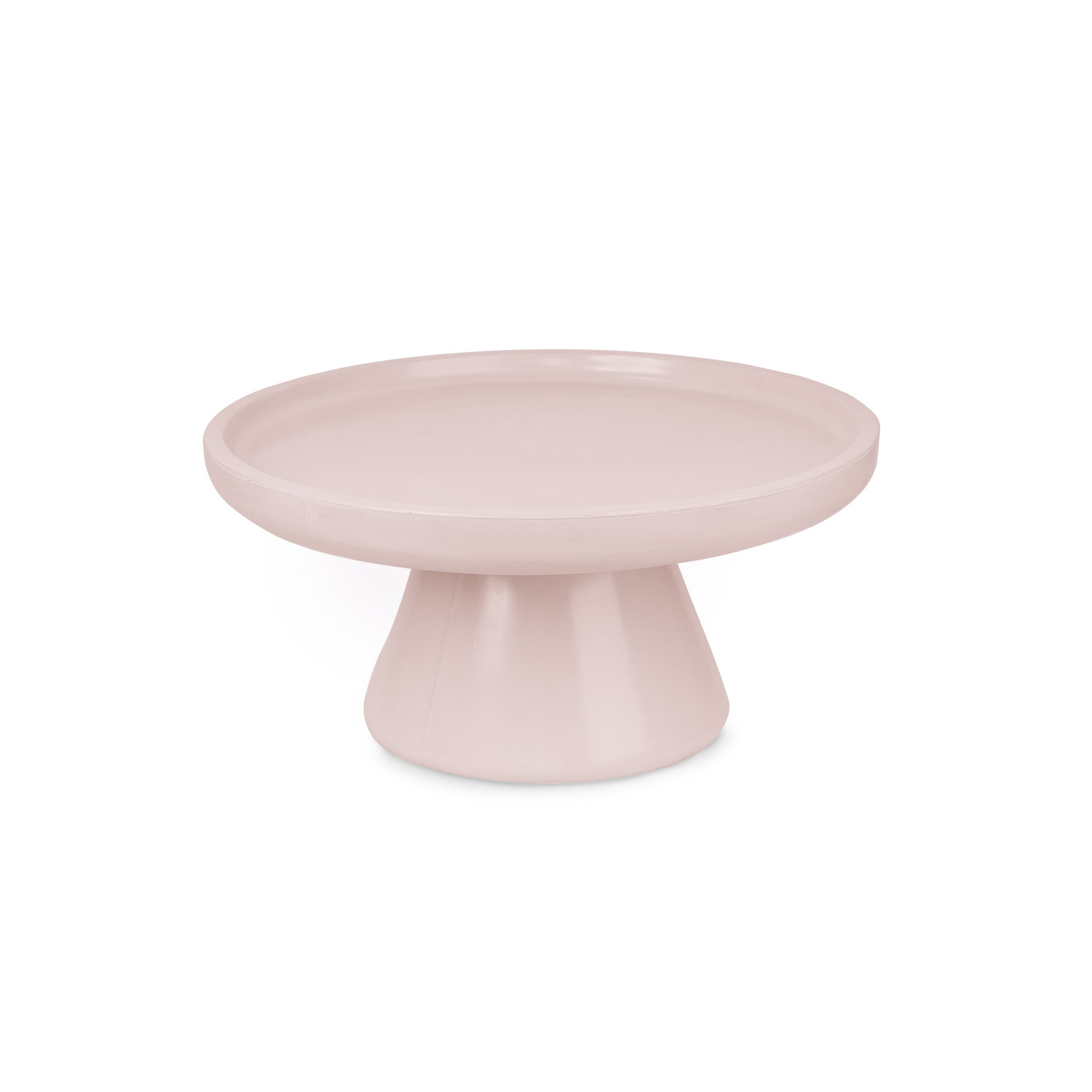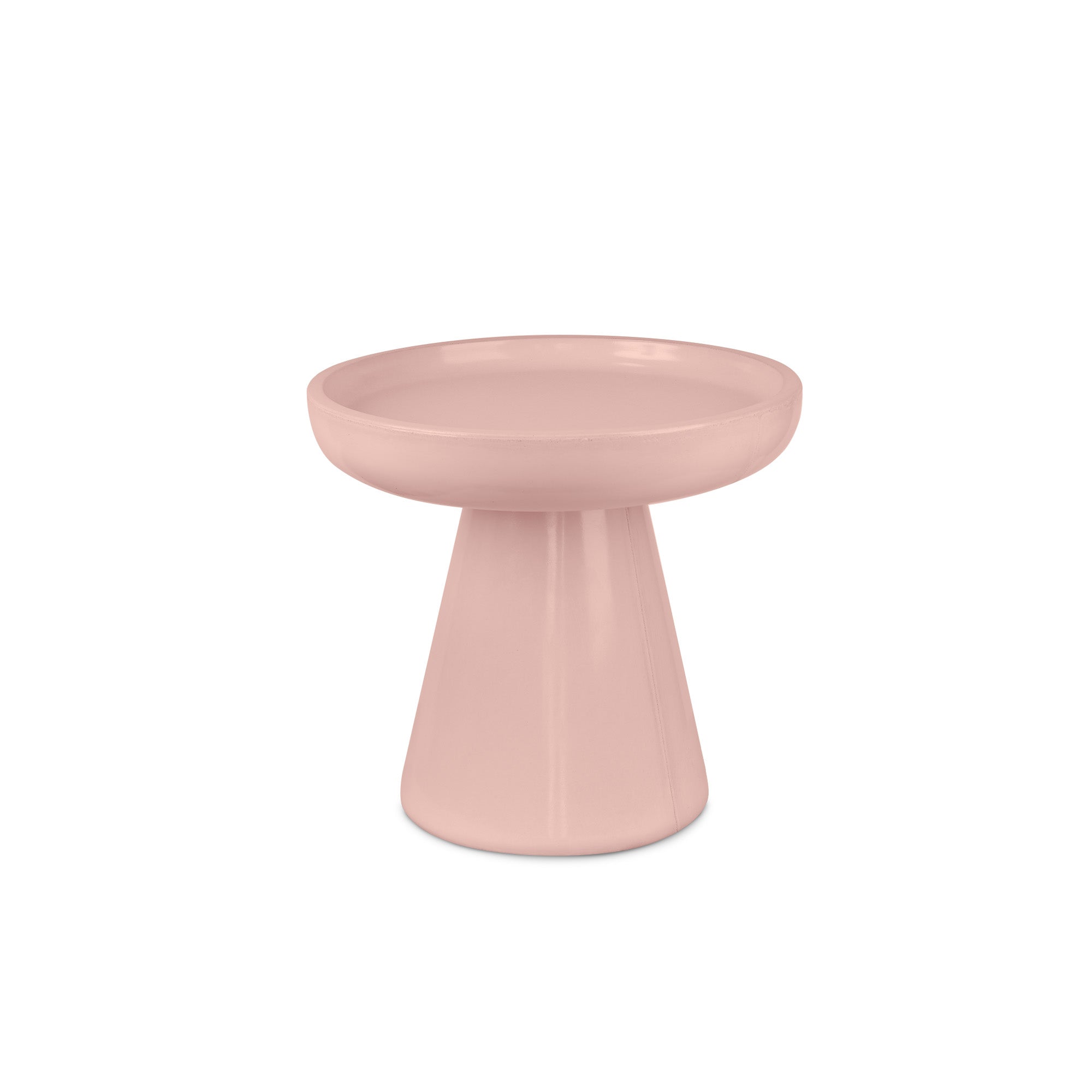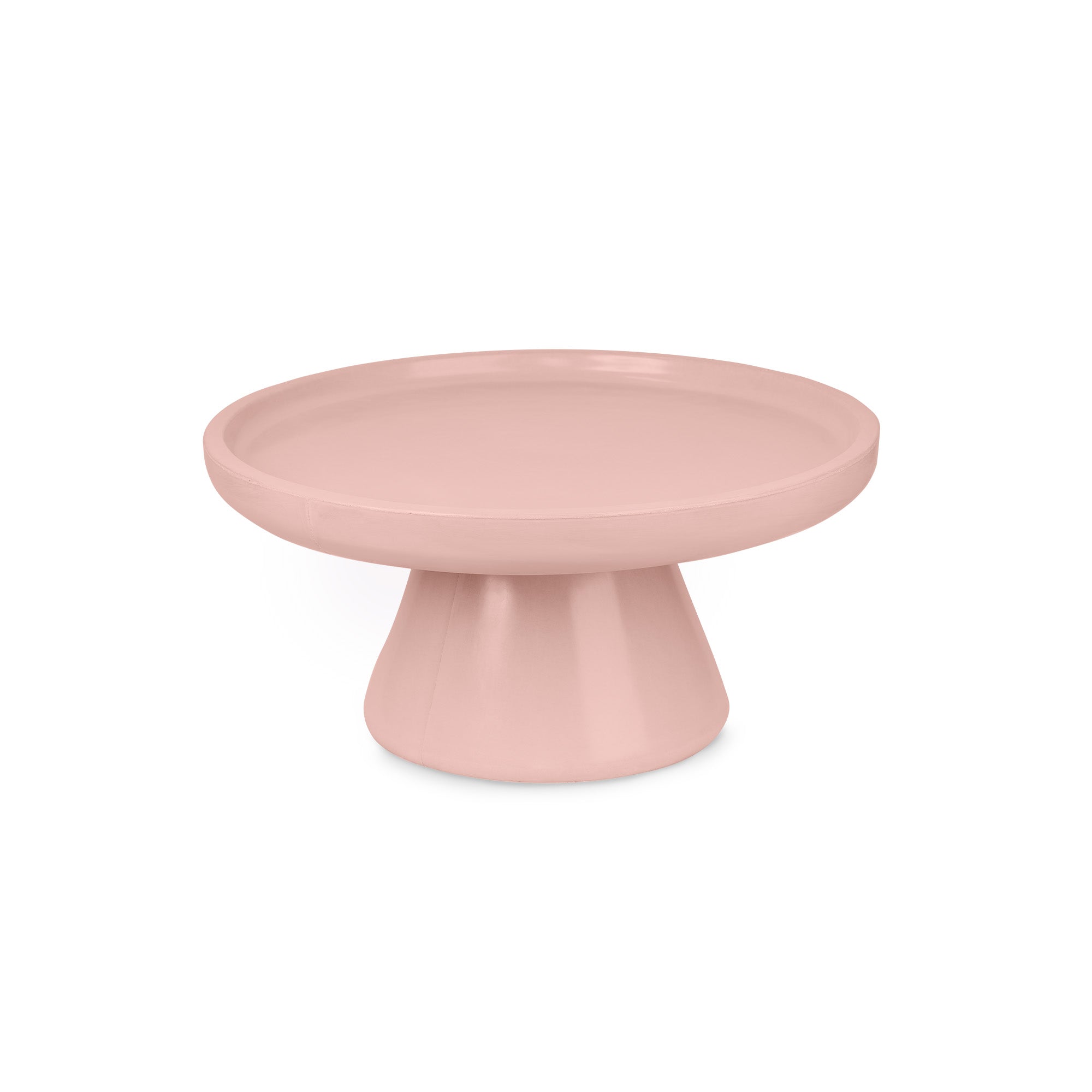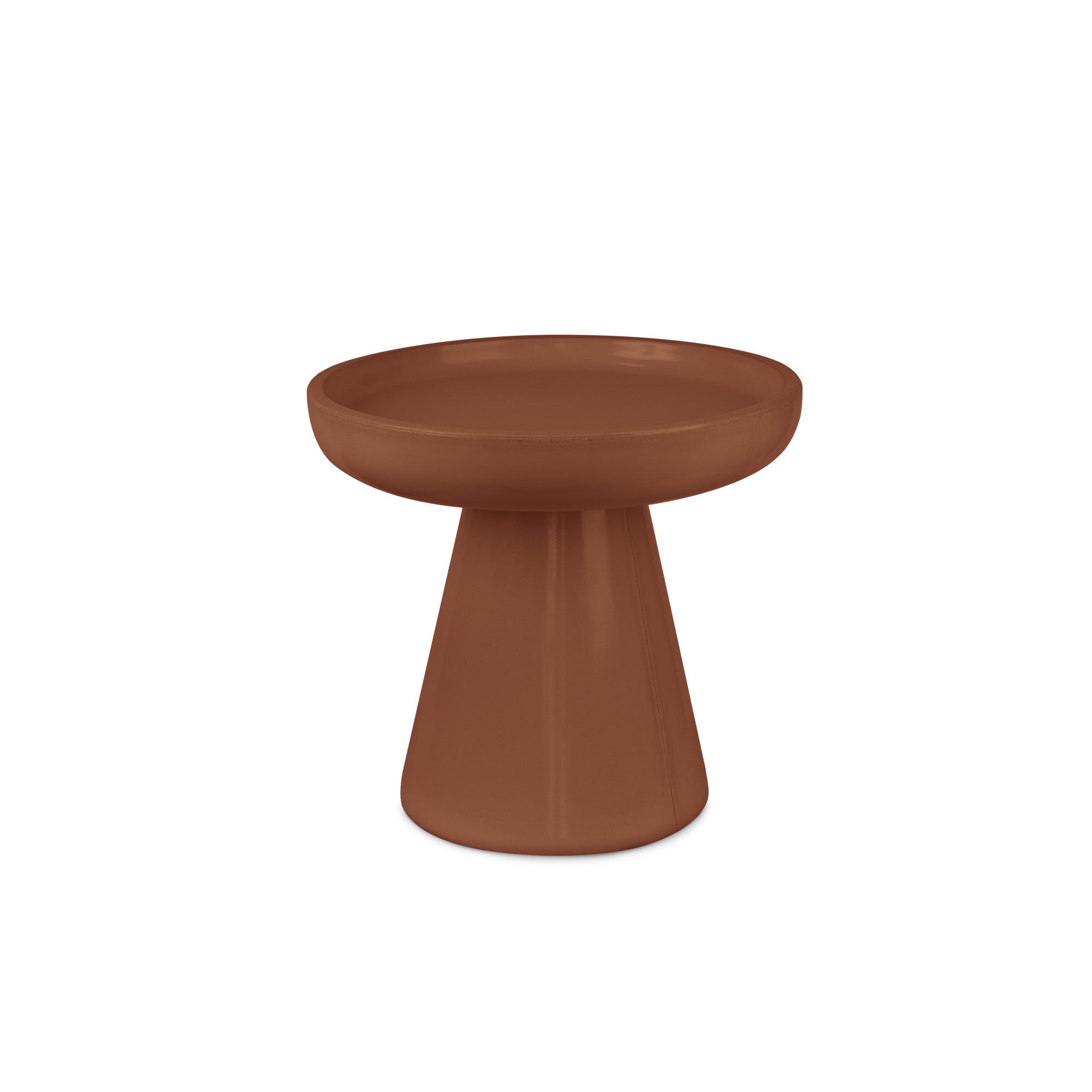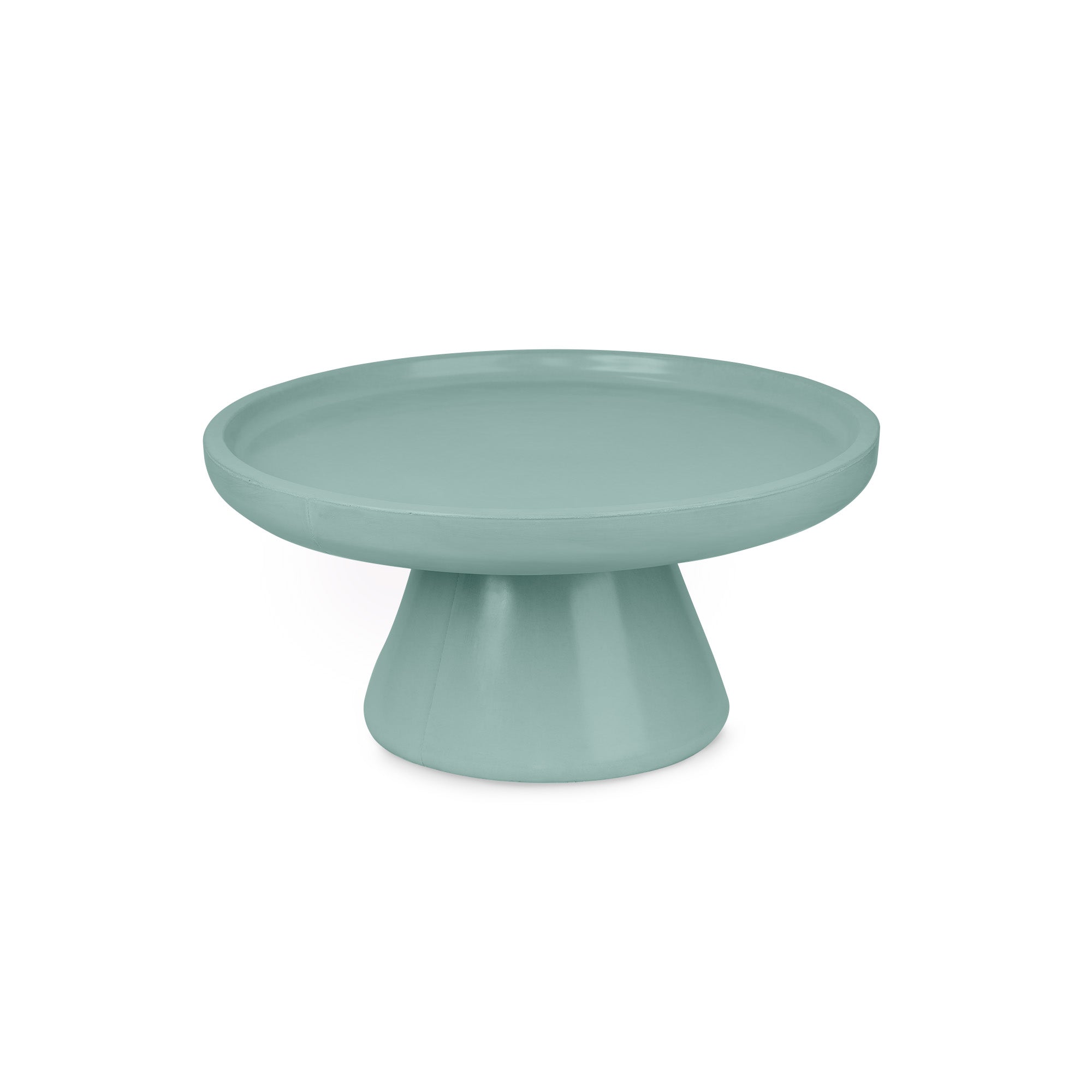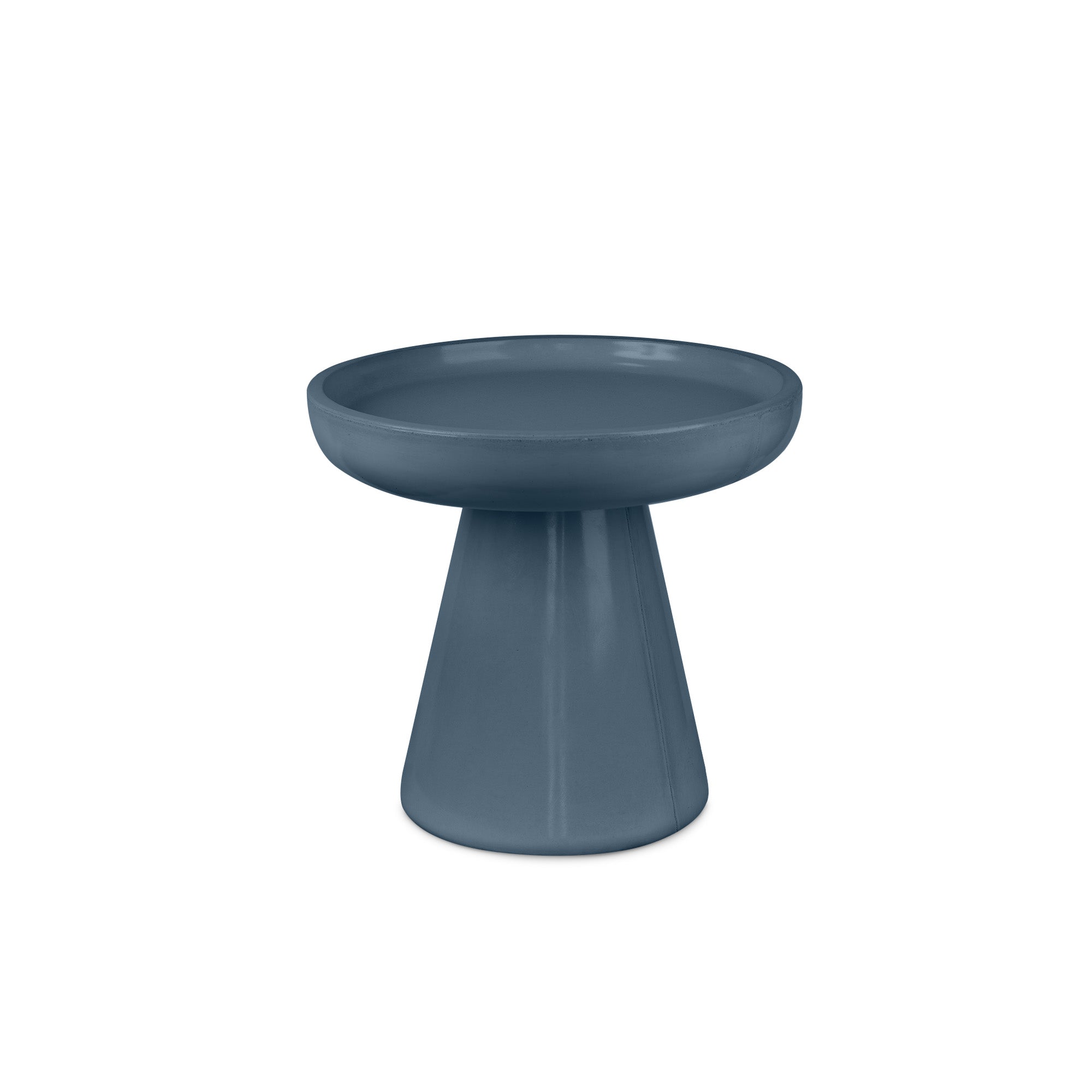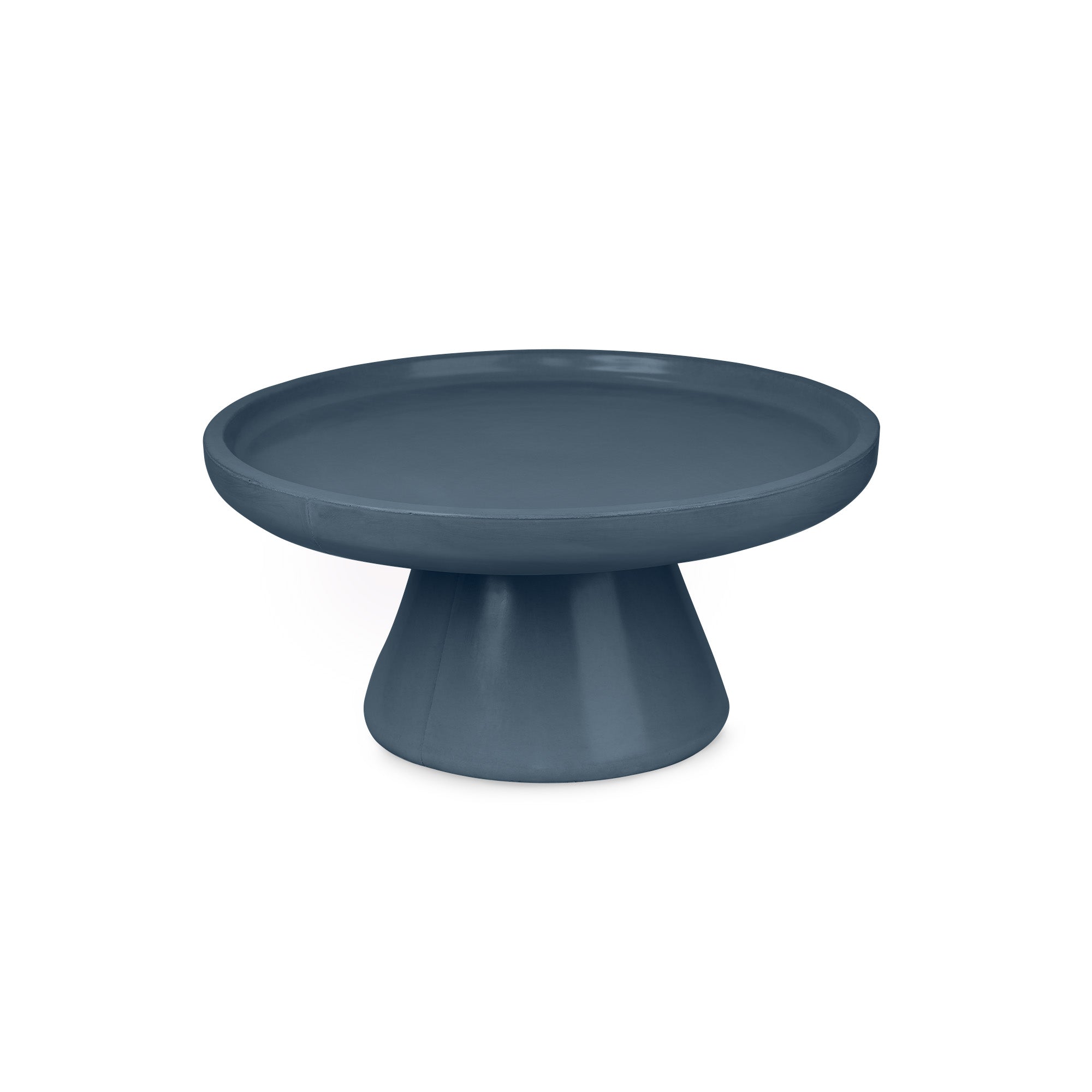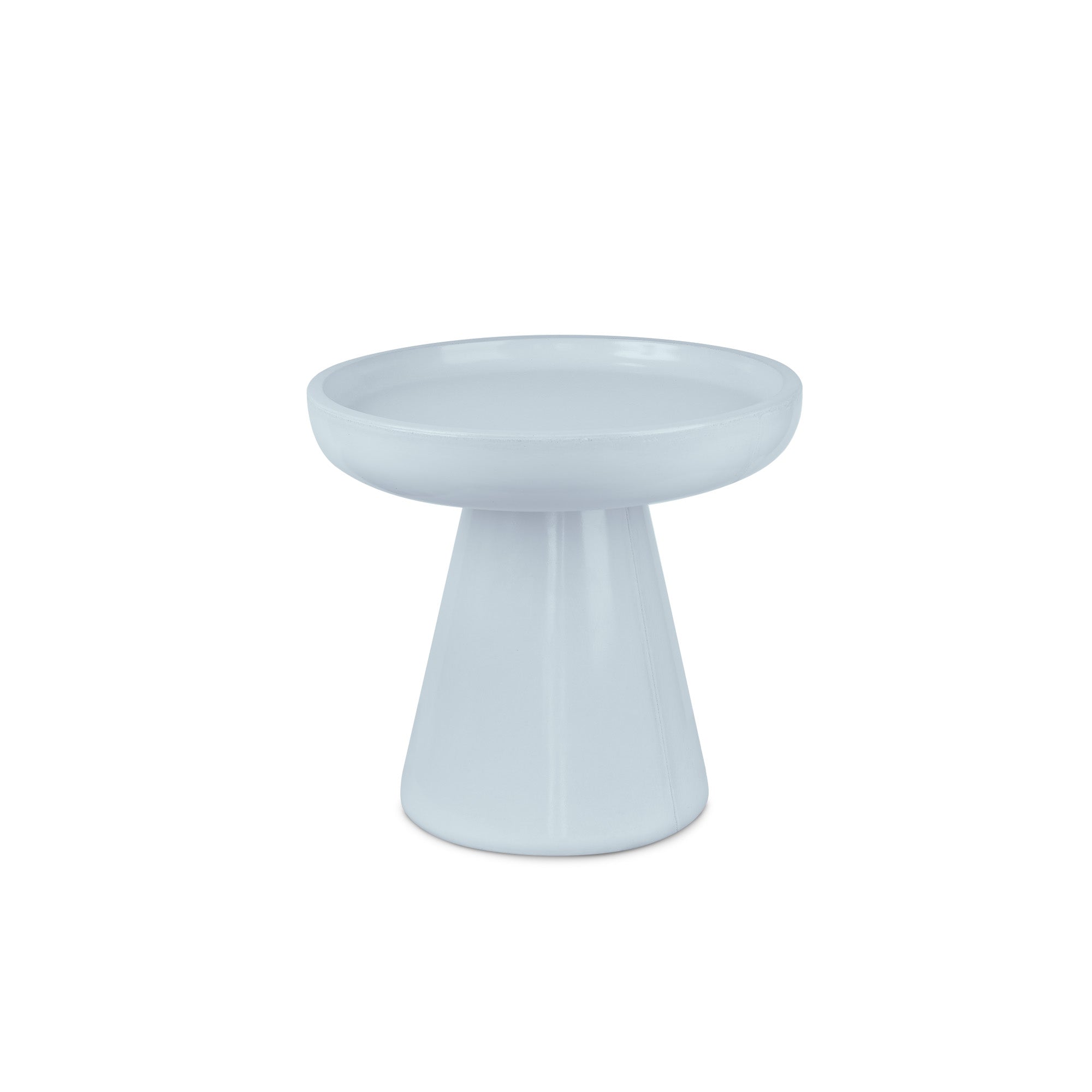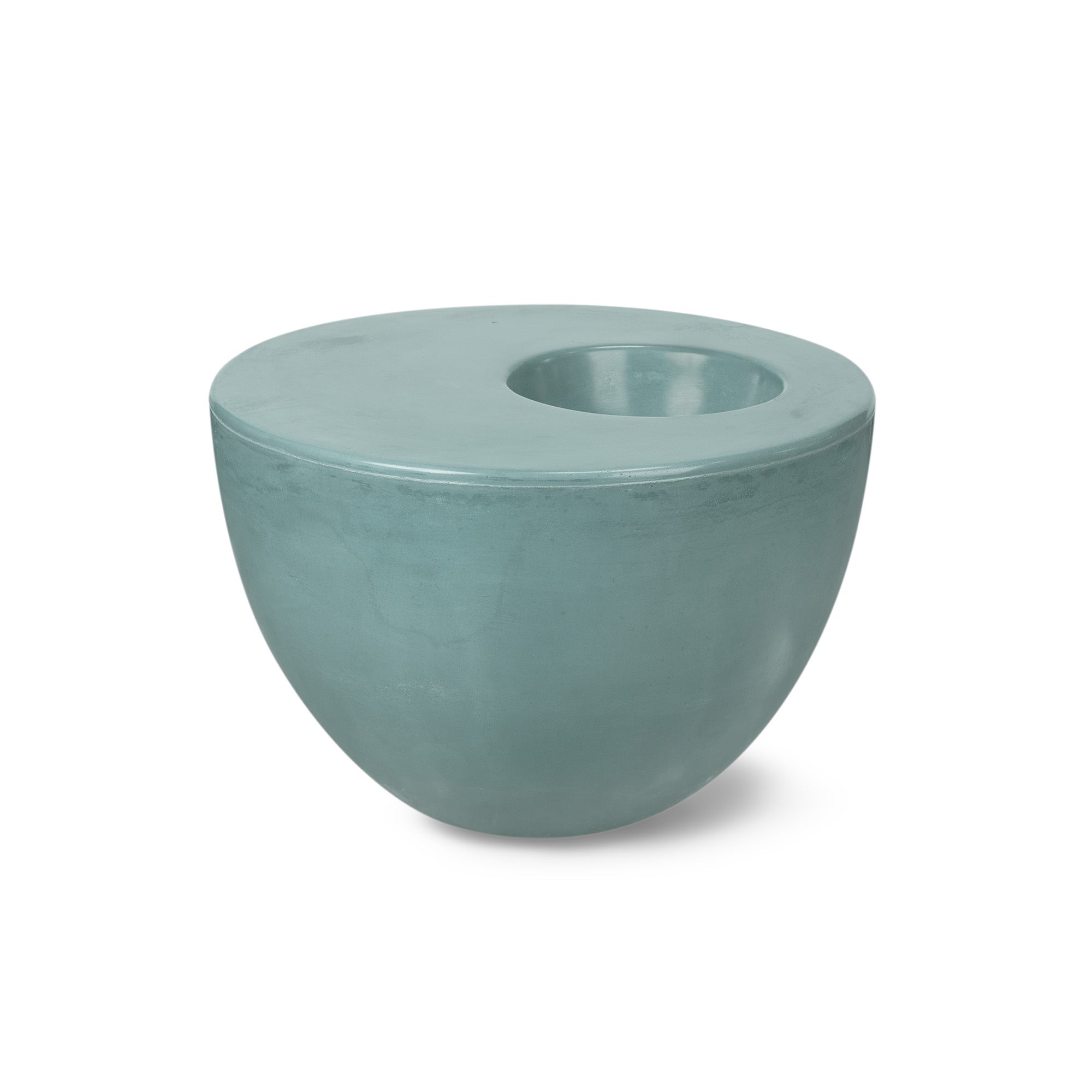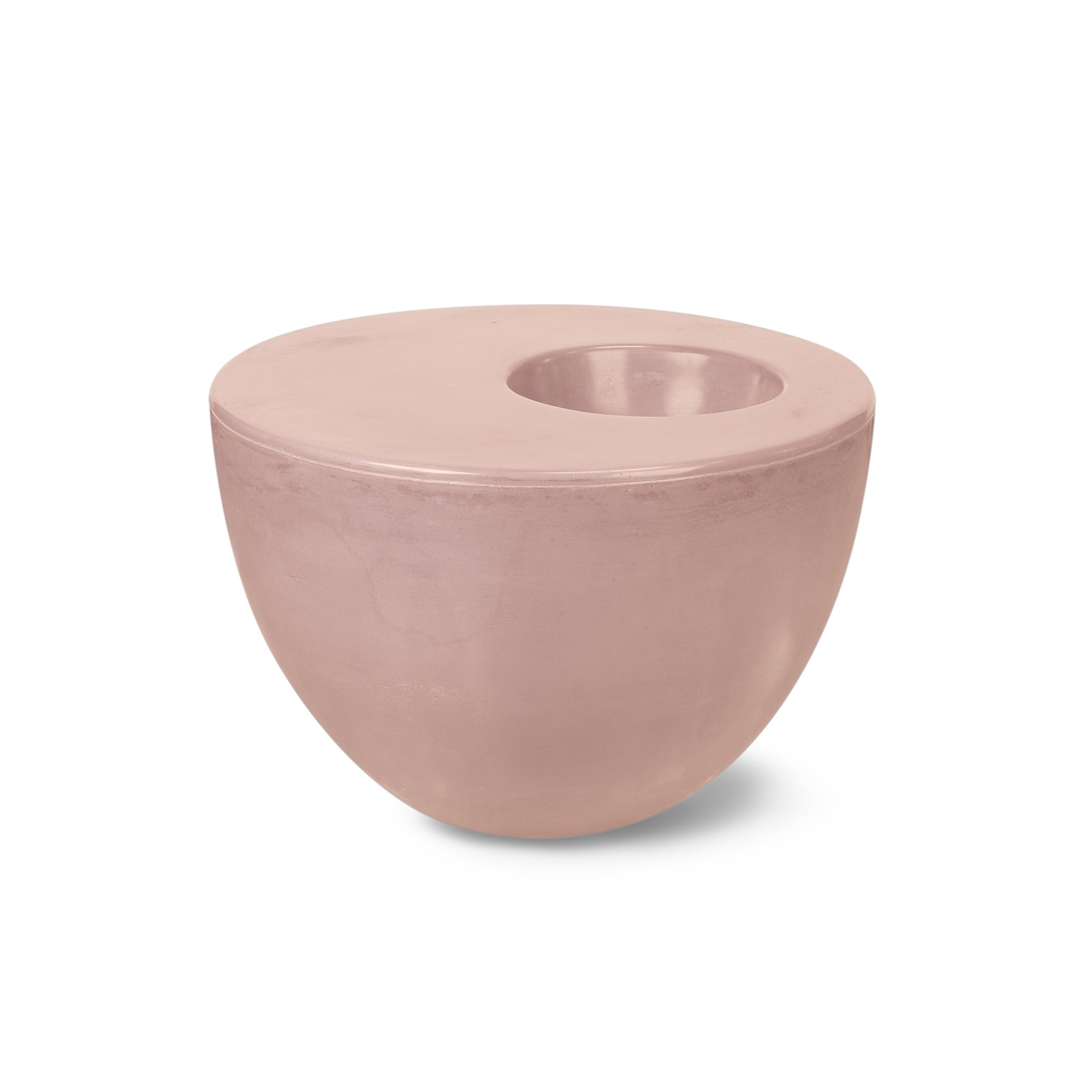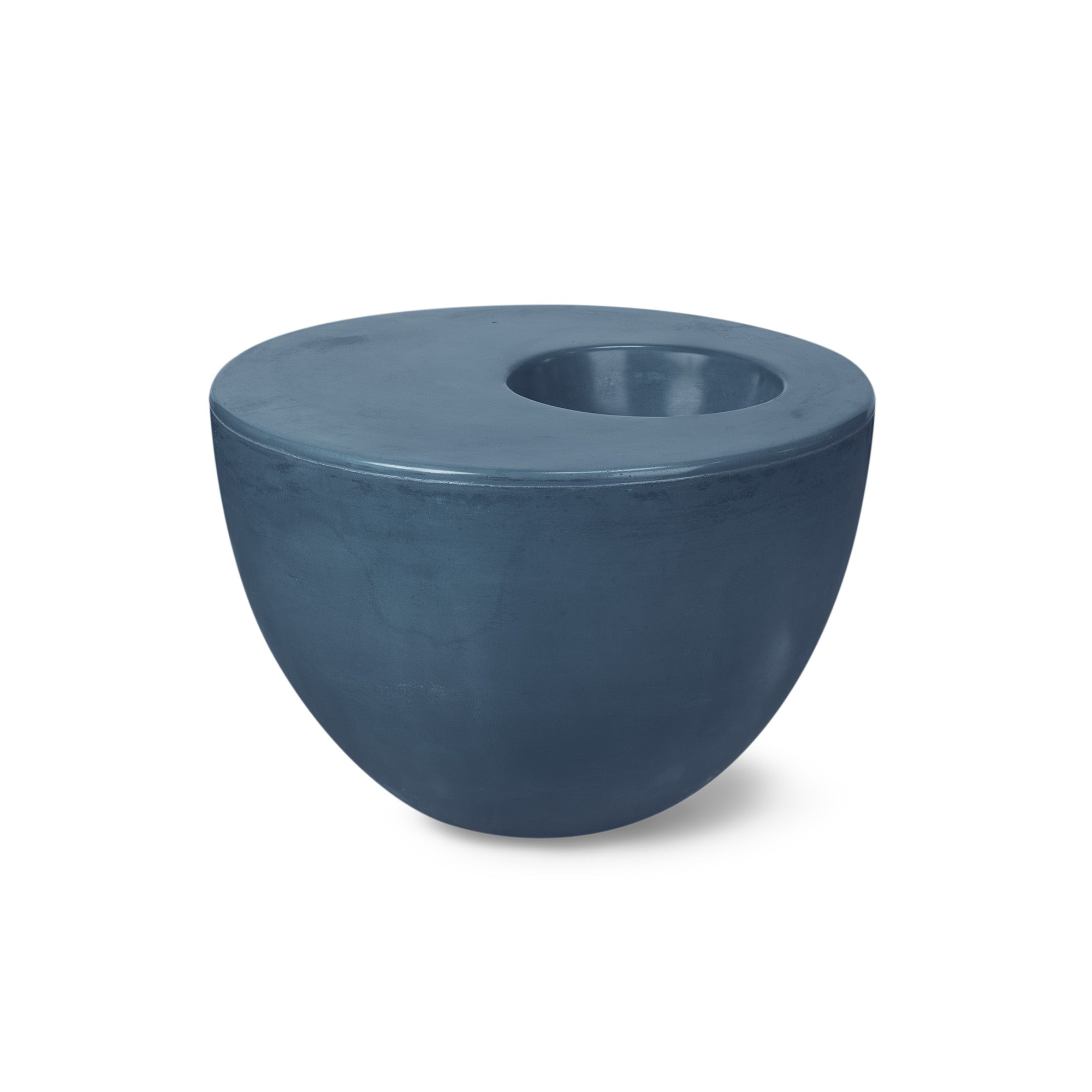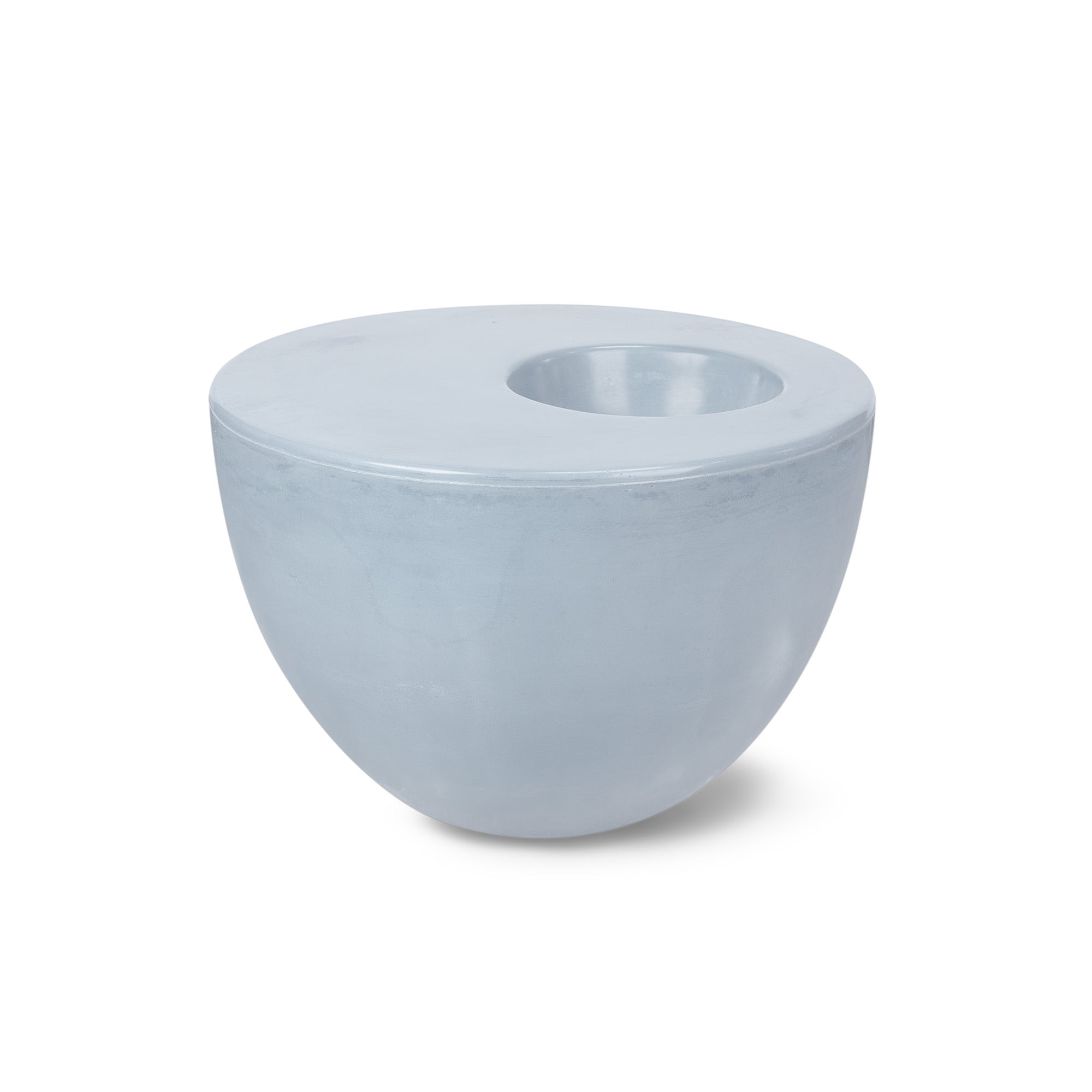


A coffee table does more than complete a room. It helps define the seating area, supports everyday routines, and brings balance to the surrounding furniture. When properly sized and positioned, it can make a living space feel more connected and functional.
While style may be the first thing you notice, choosing the right coffee table starts with understanding how the piece will work in your home. It should feel proportional to your seating, remain easy to move around, and provide enough surface space for daily use.
Whether you are furnishing a compact living room, arranging furniture around a sectional, or creating a space for entertaining, these considerations can help guide your decision.
Determine Your Needs
Before choosing a coffee table, think about how you use your living space each day:
- How often do you host friends or family?
- Do you need extra room for serving and entertaining?
- Will the table hold everyday items such as books, drinks, and décor?
- Do you prefer one larger surface or a few smaller tables that can move throughout the room?
For homes that frequently entertain, a larger surface can create a central gathering point within a sectional or multi-seat arrangement.
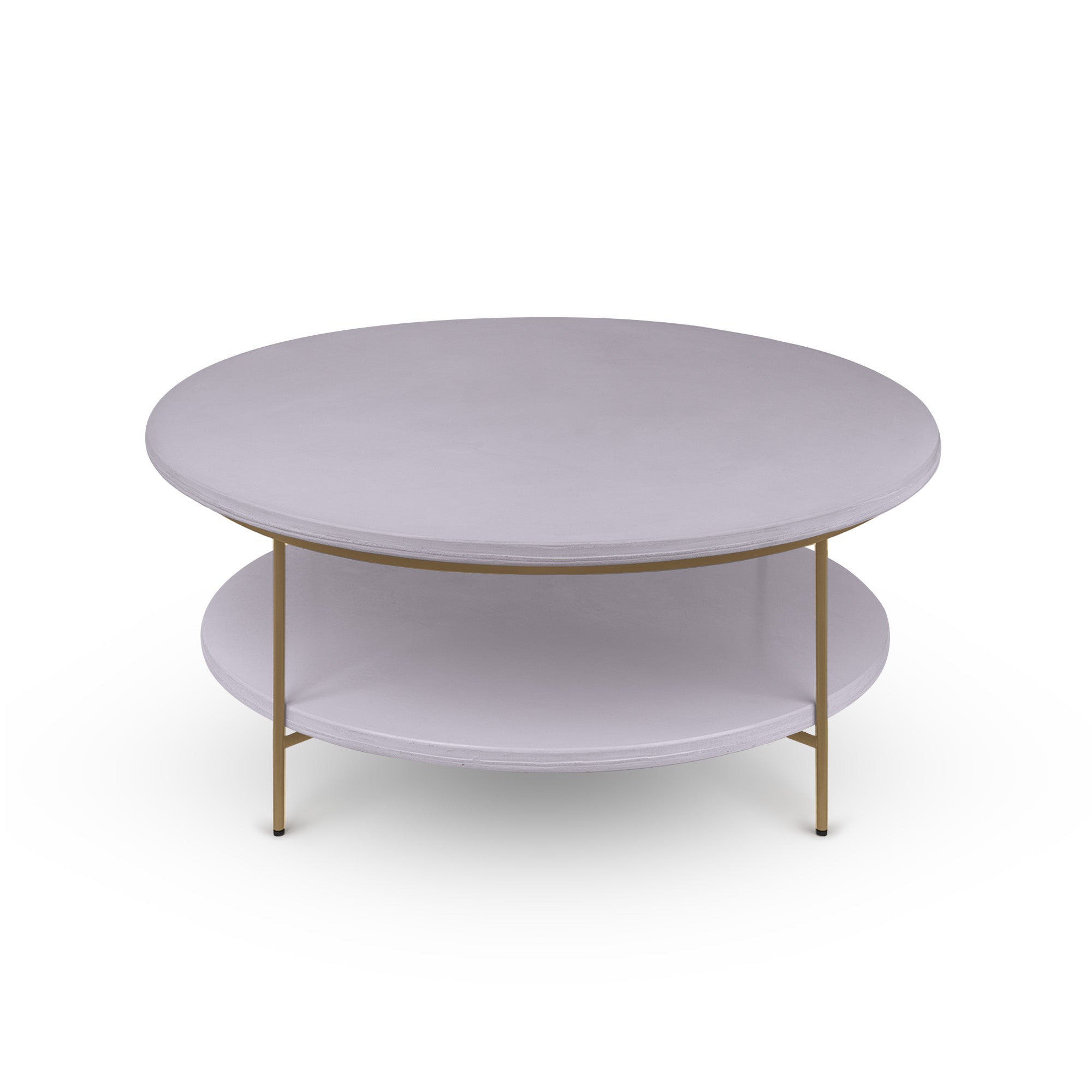
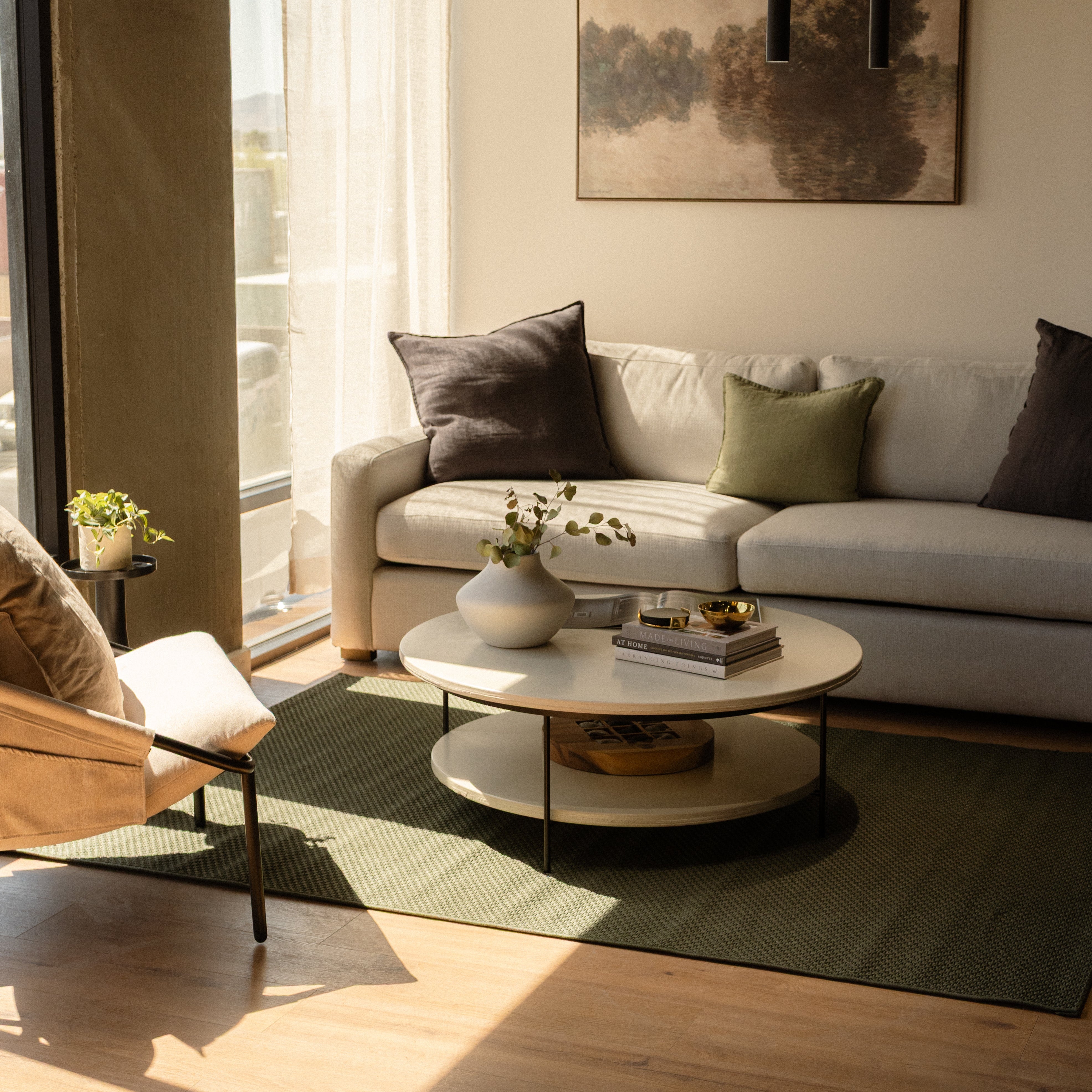
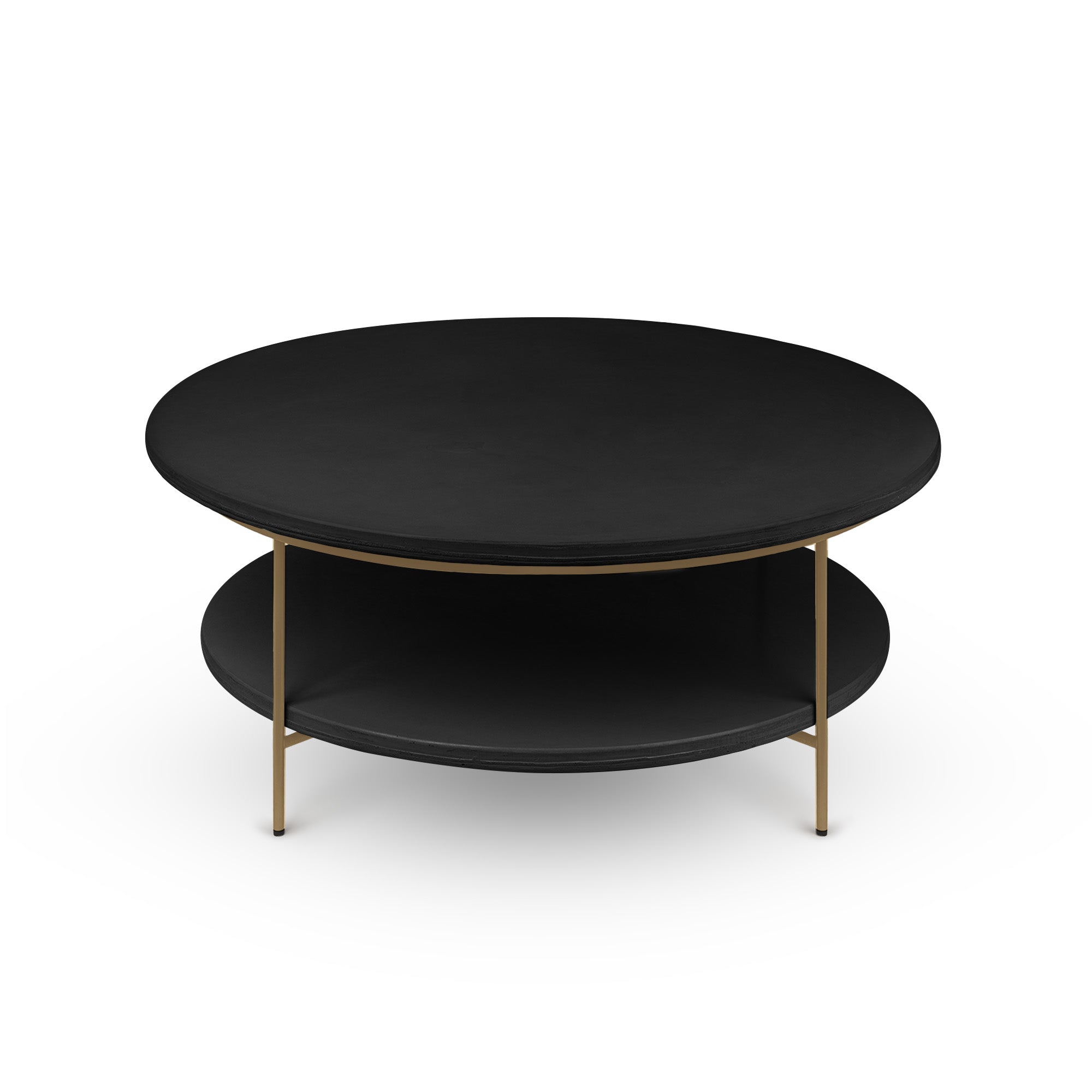
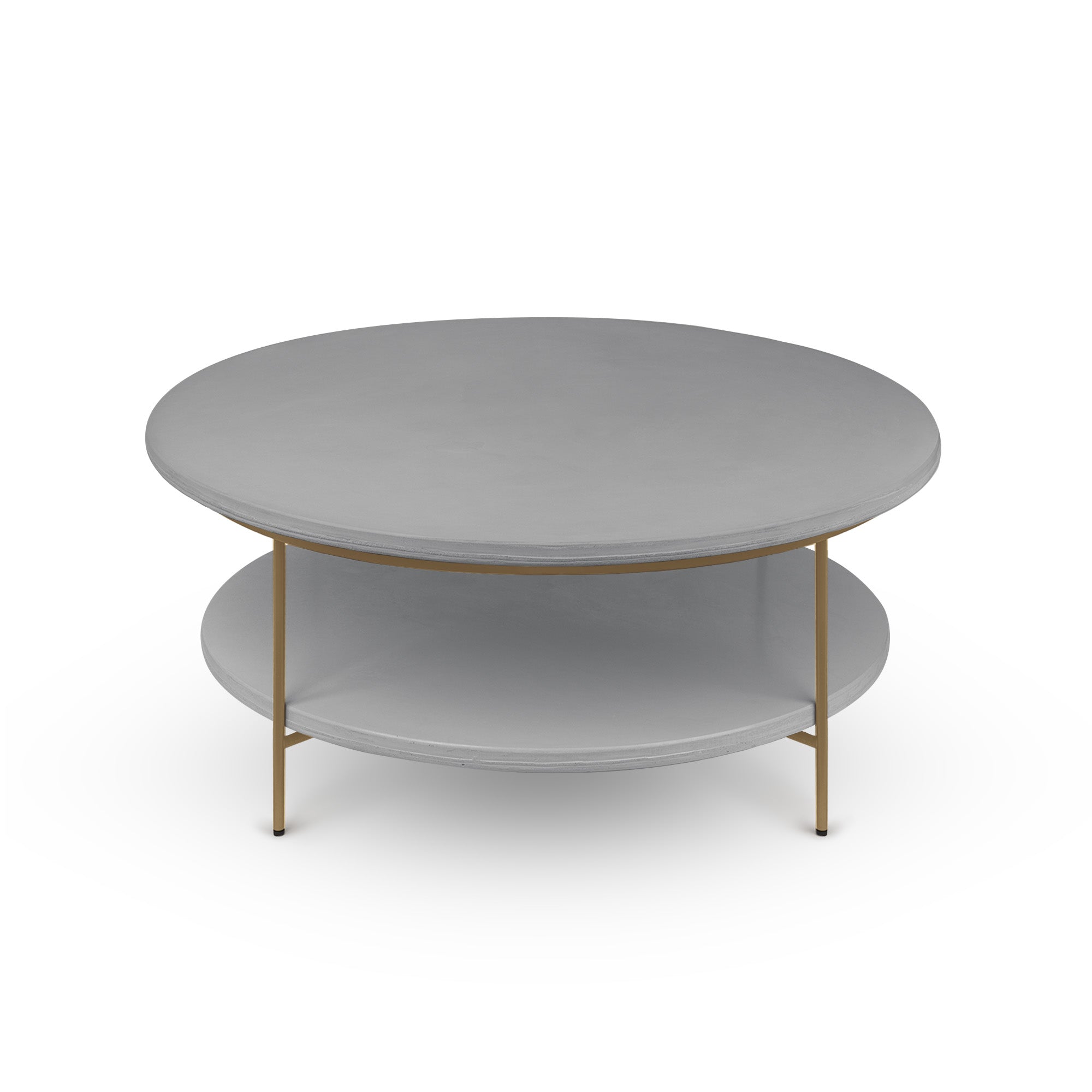
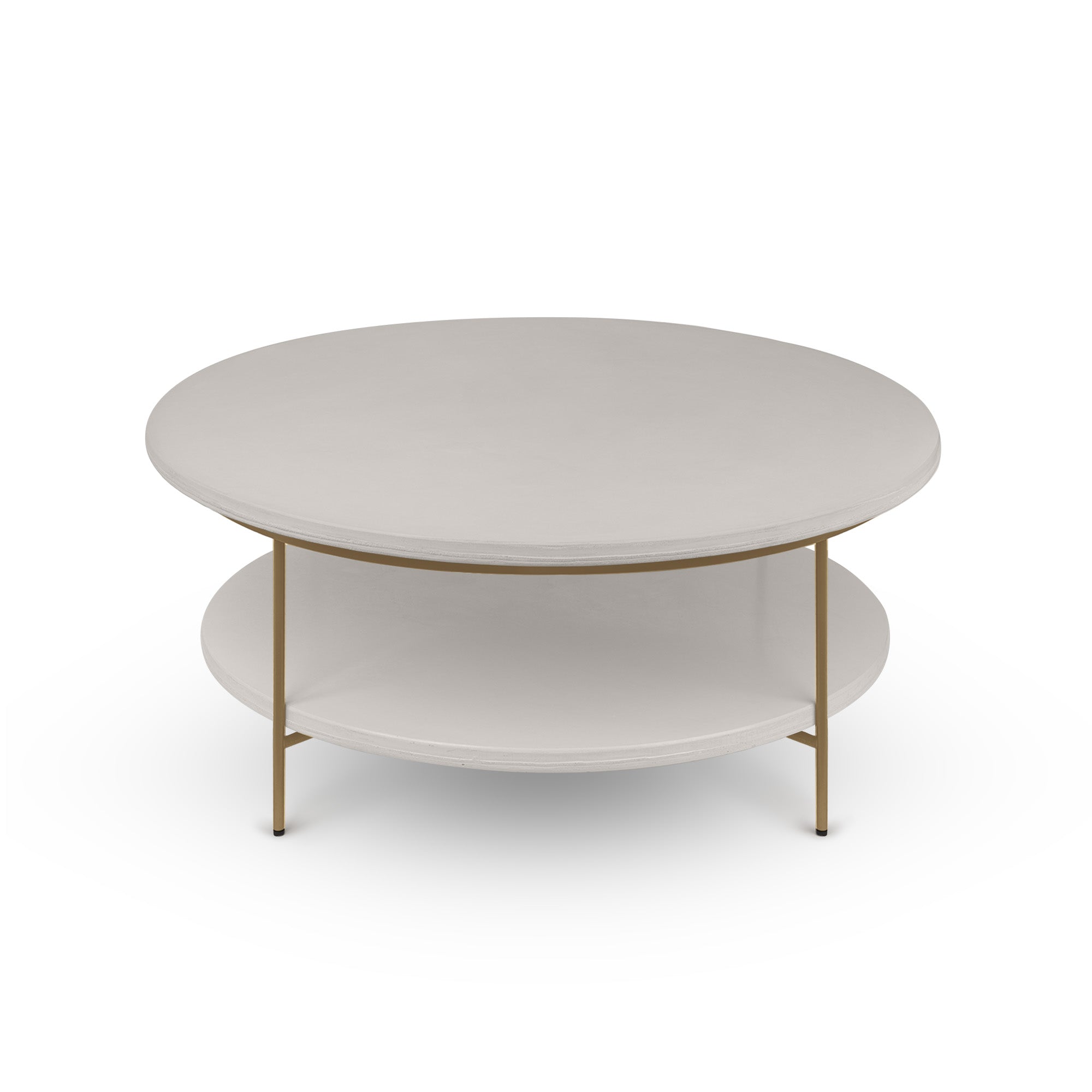
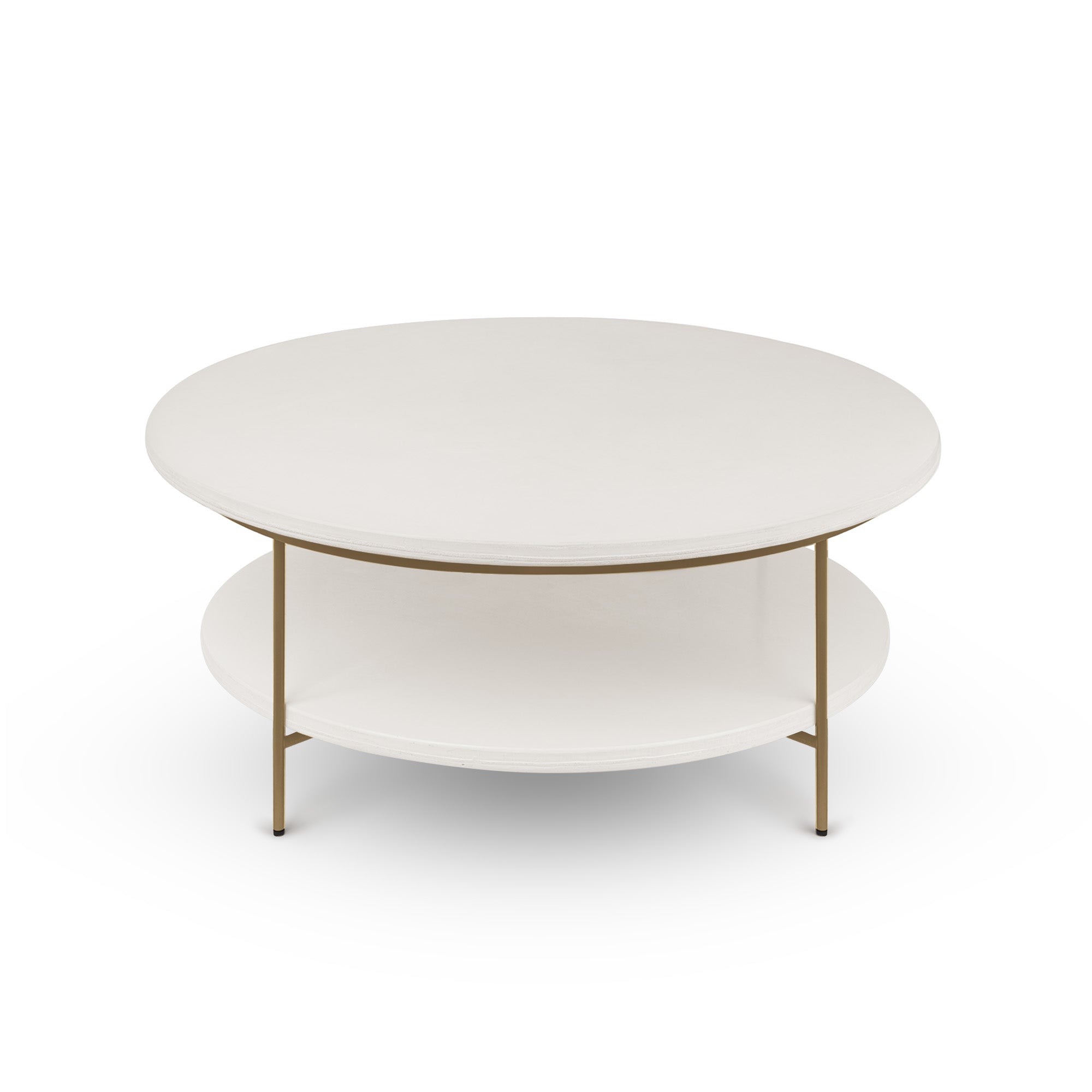
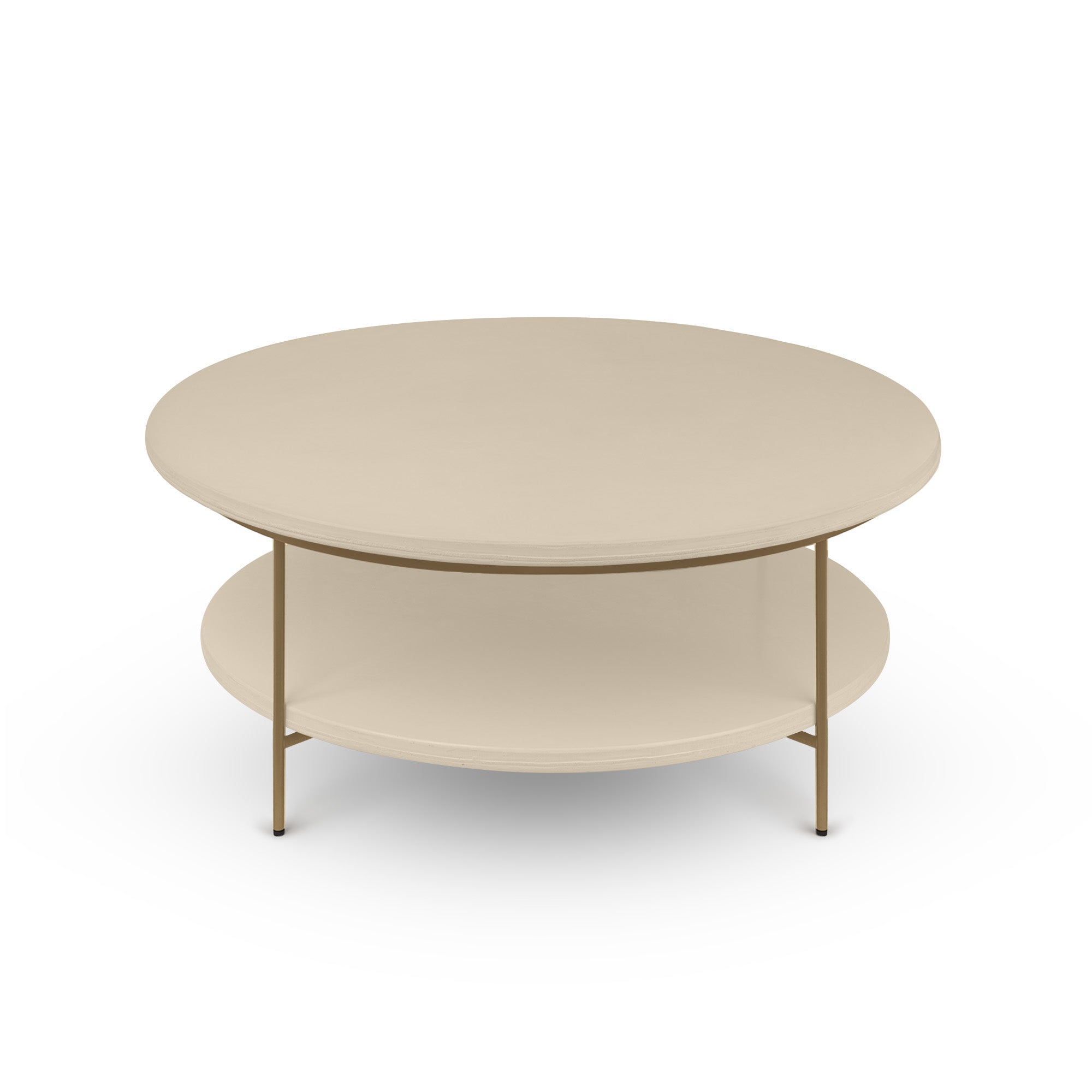
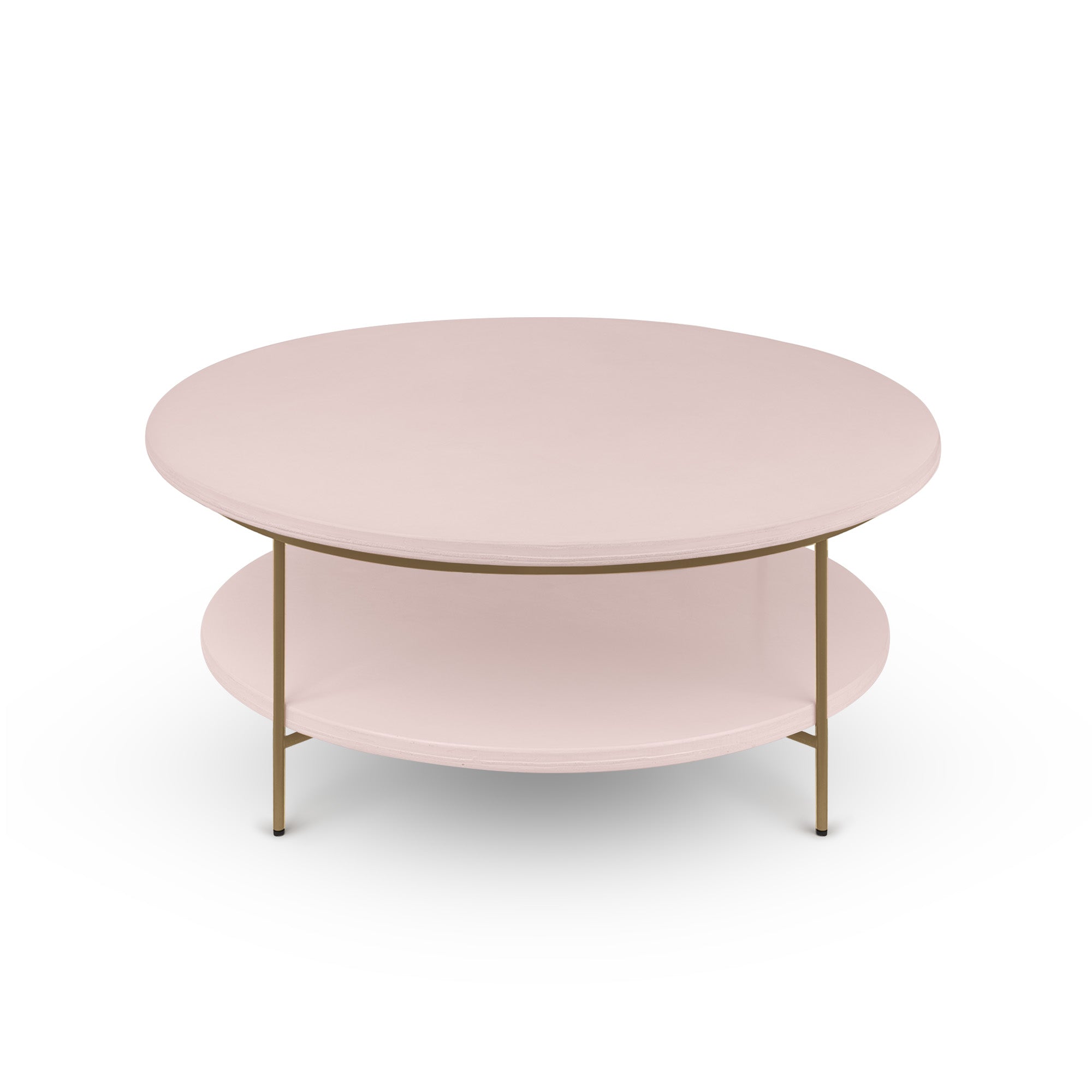
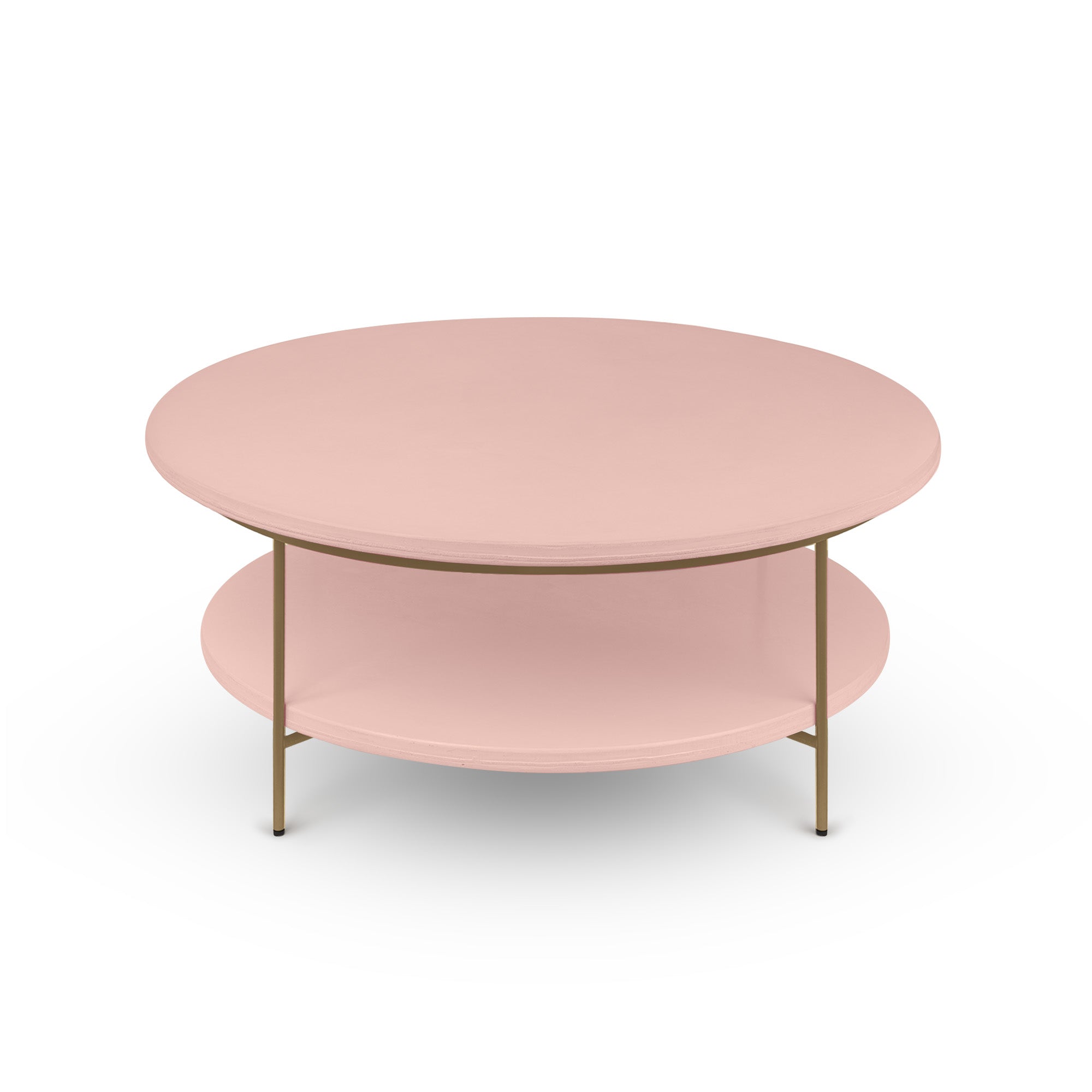
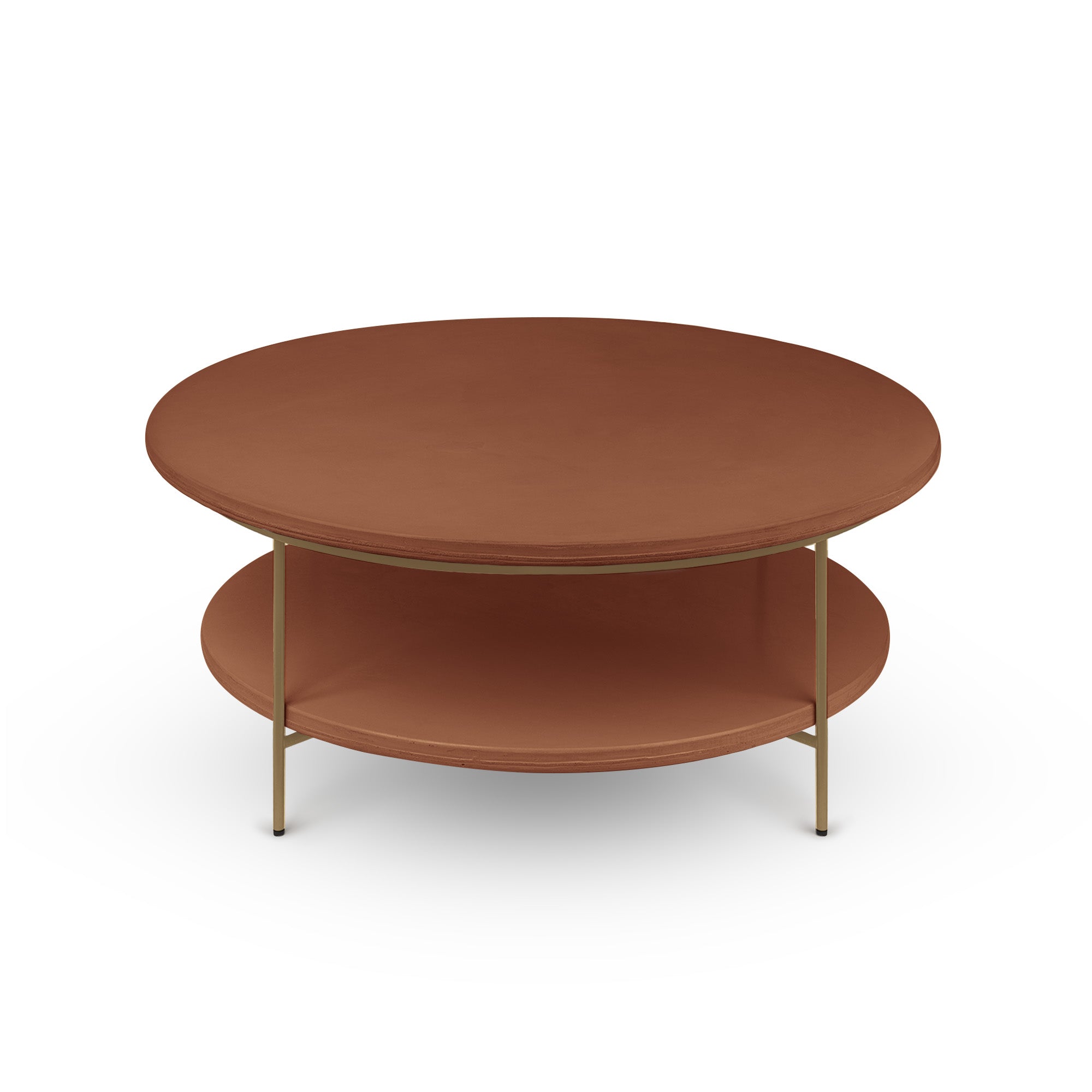
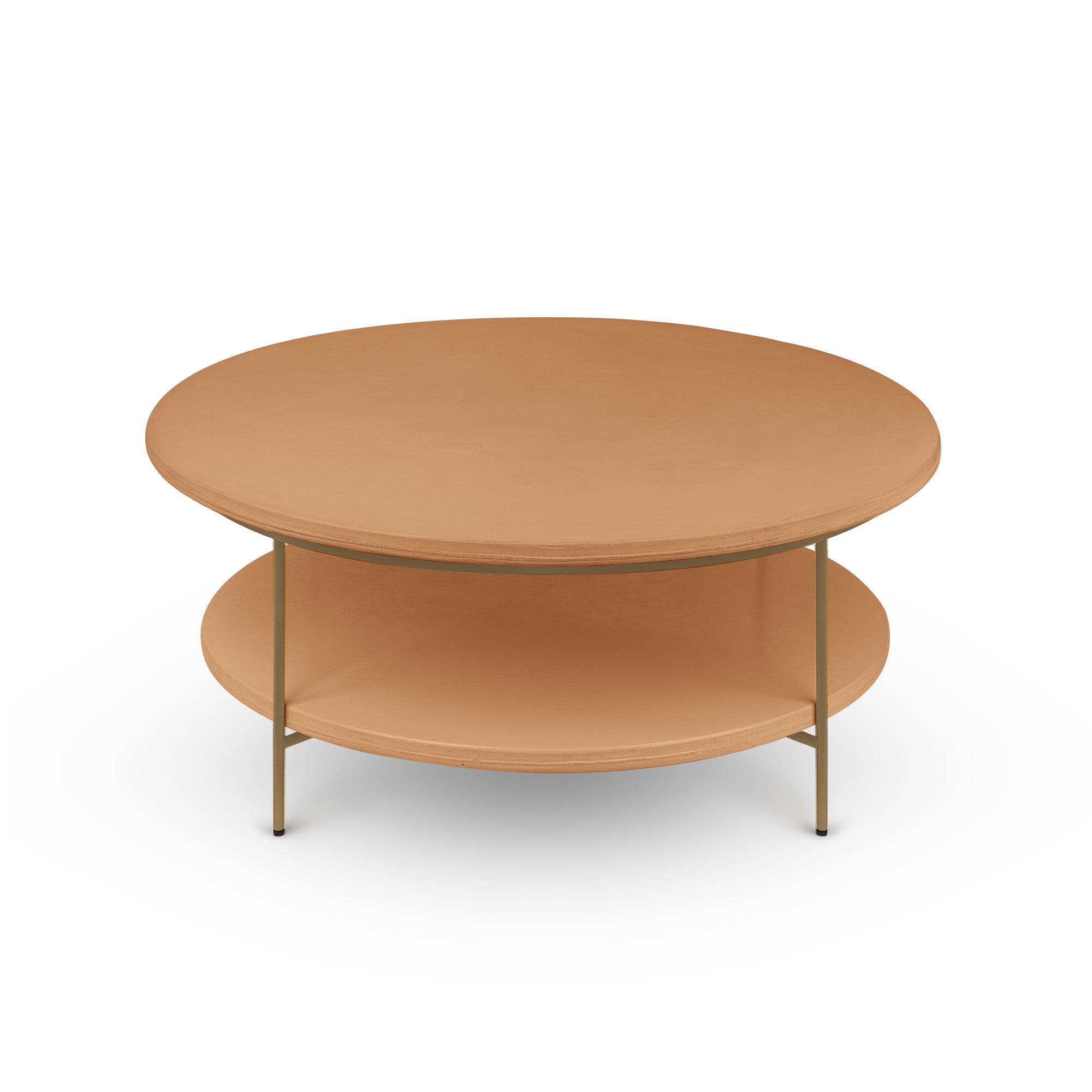
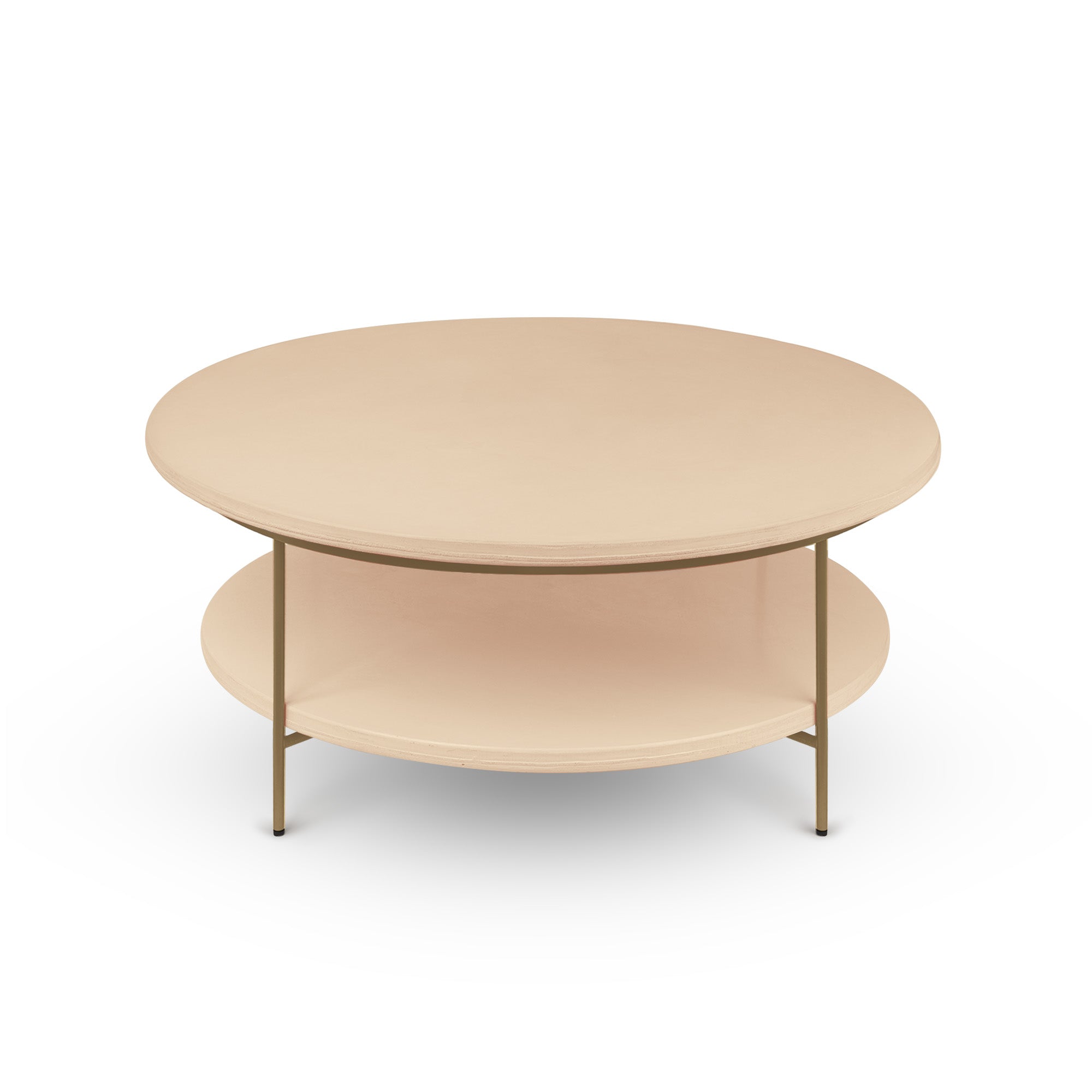
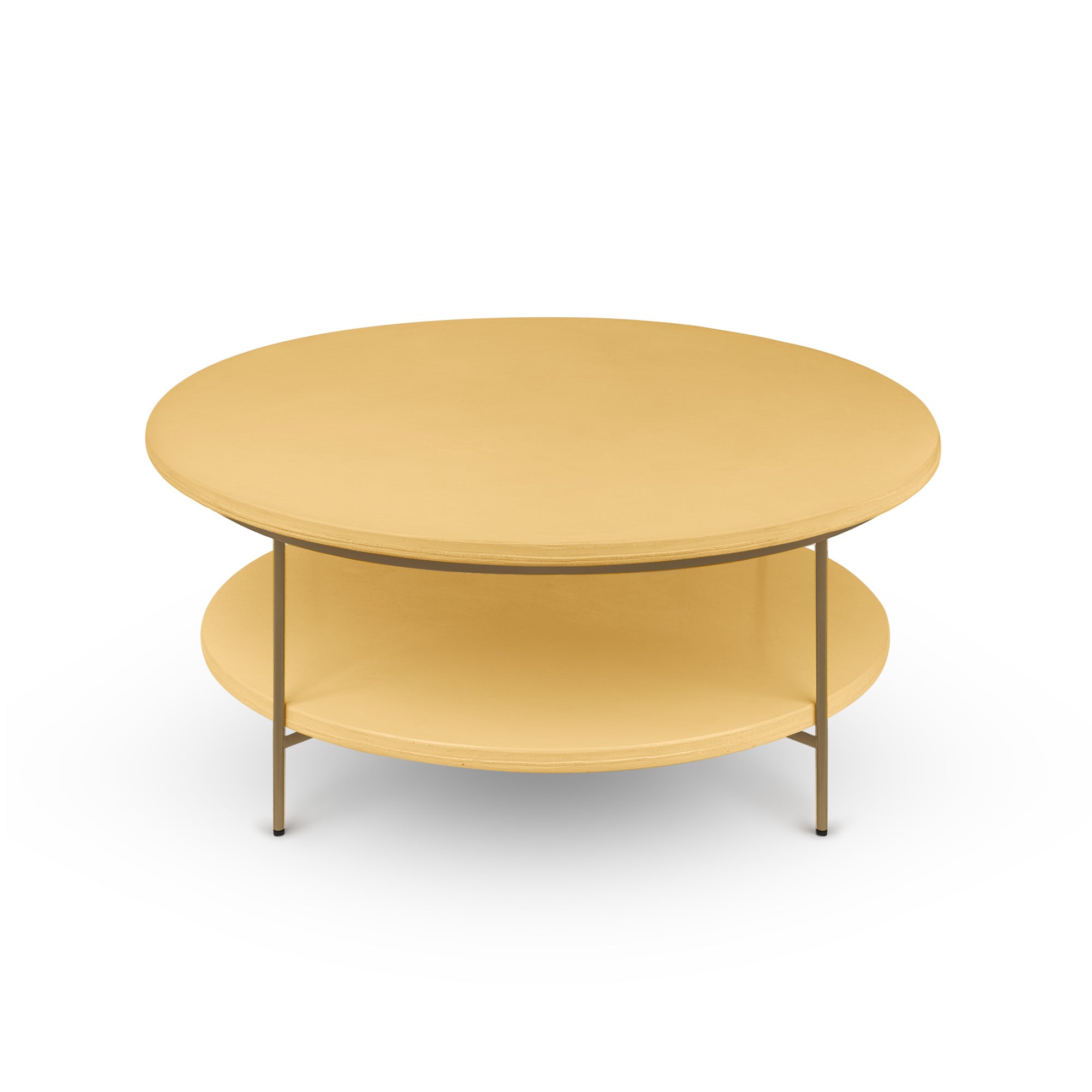
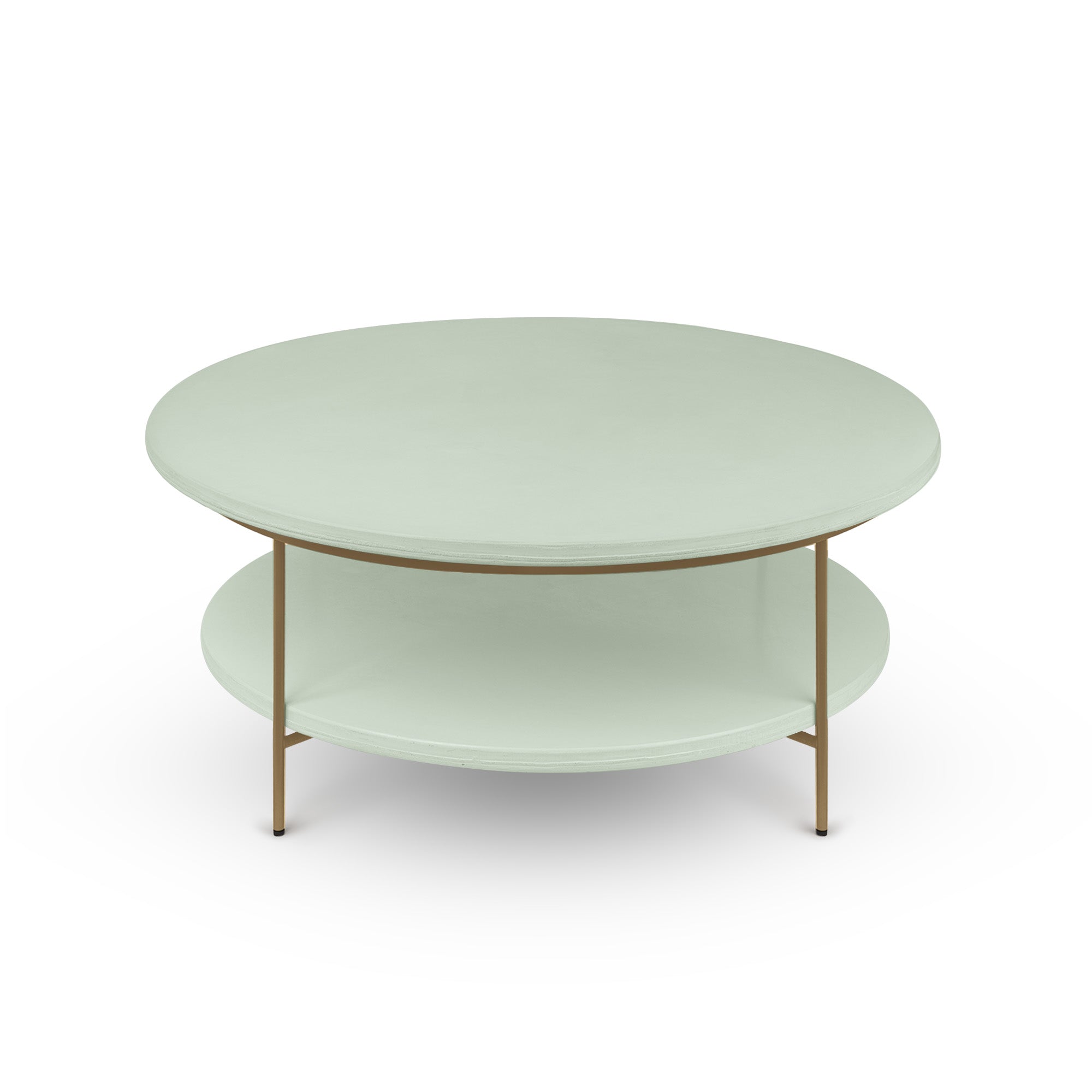
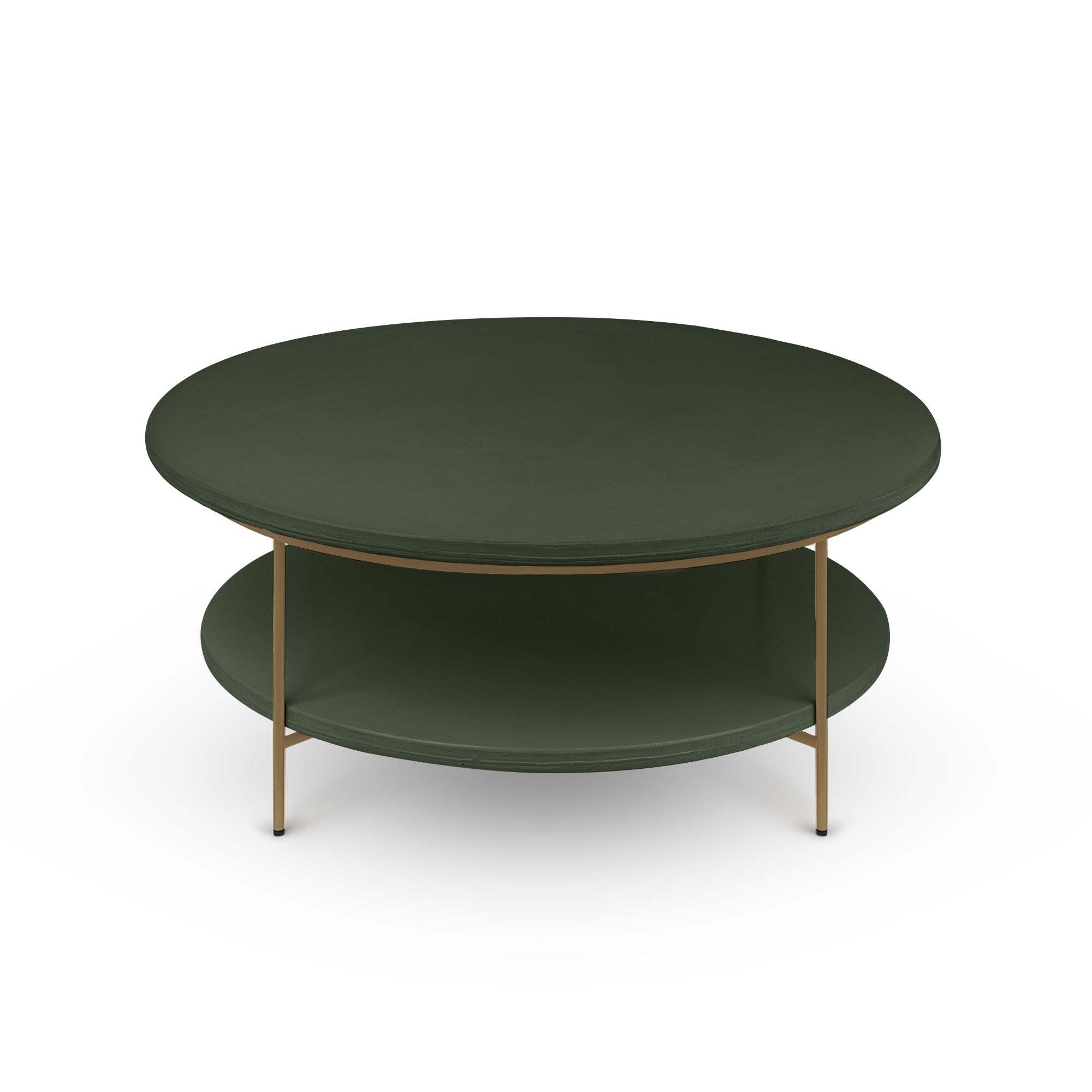
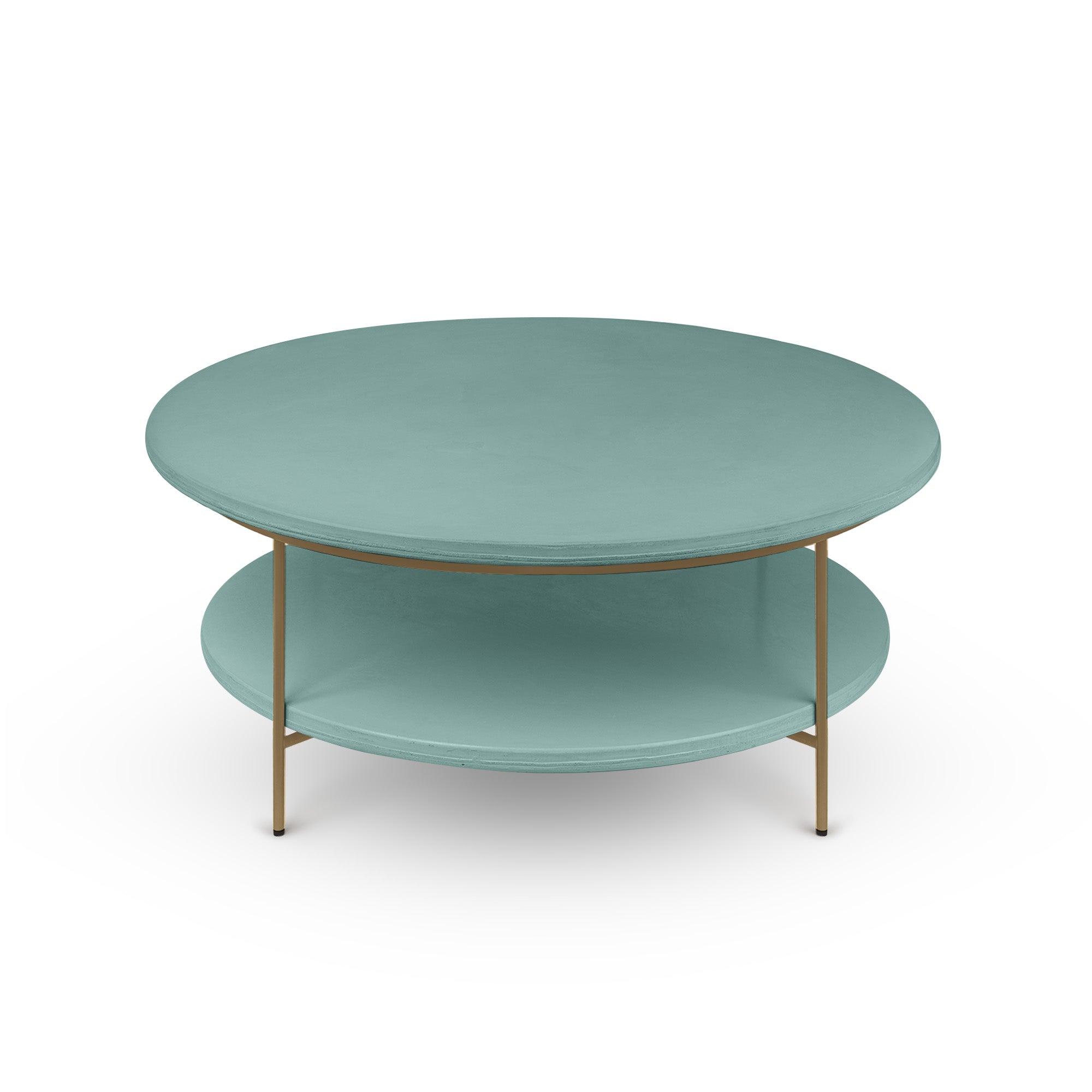
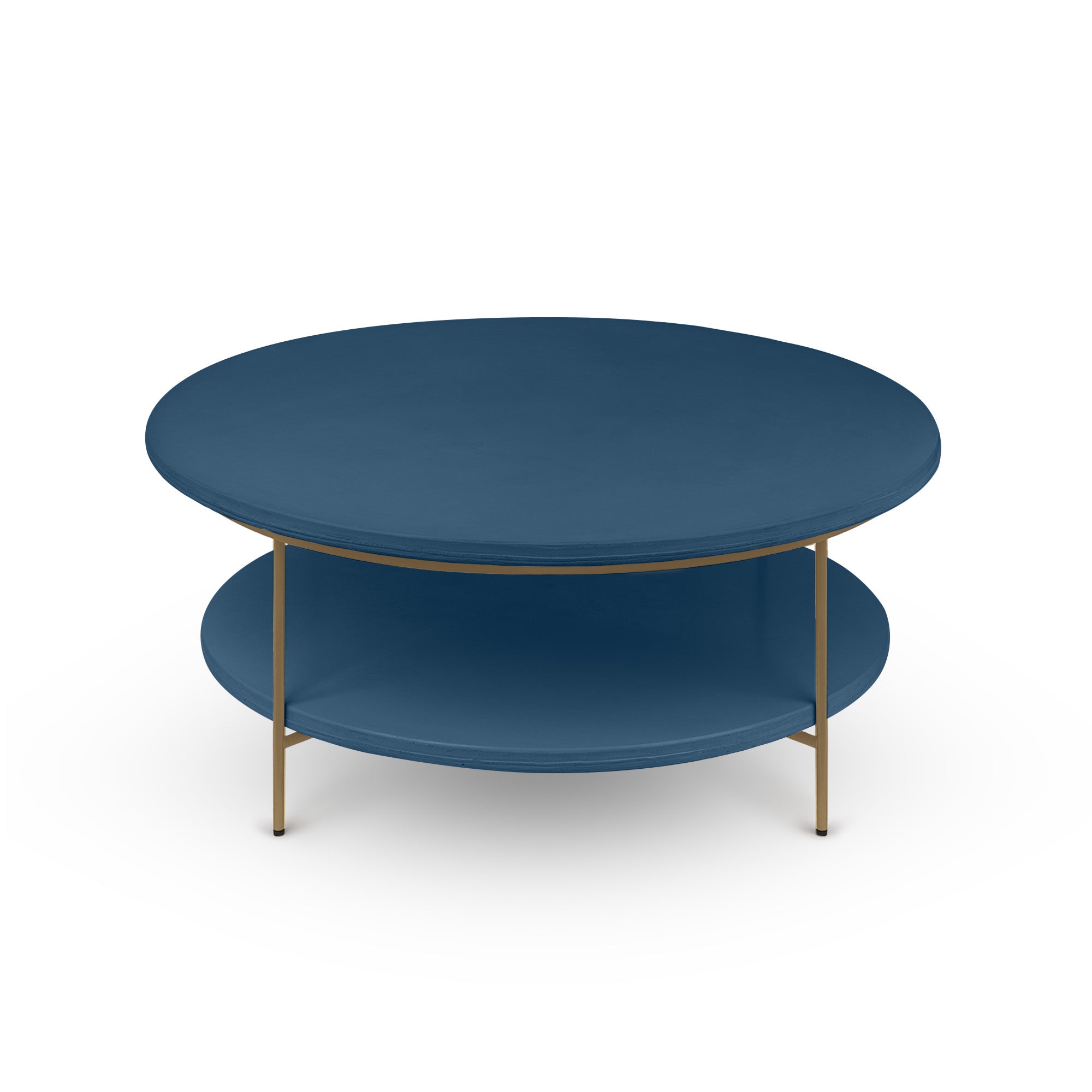
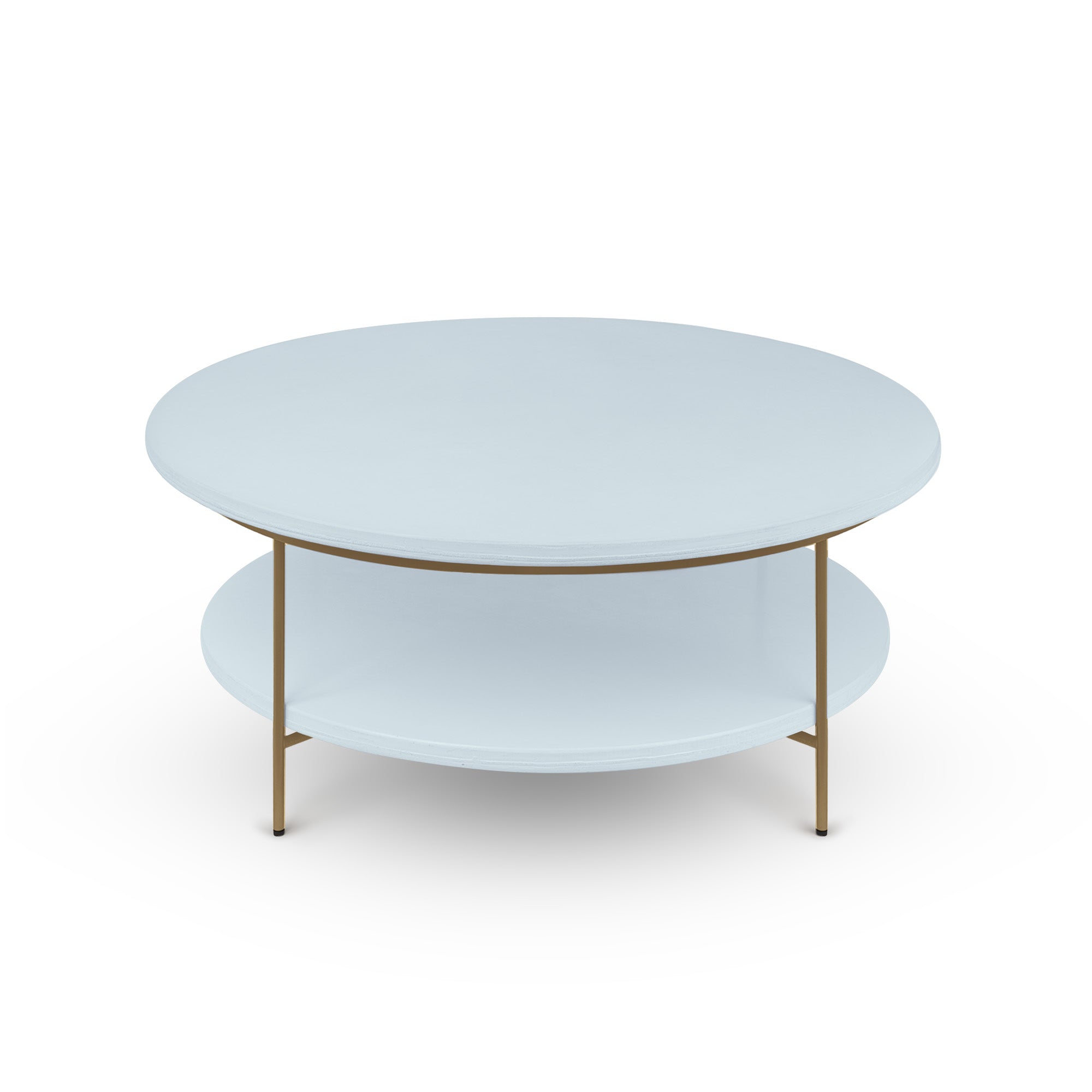
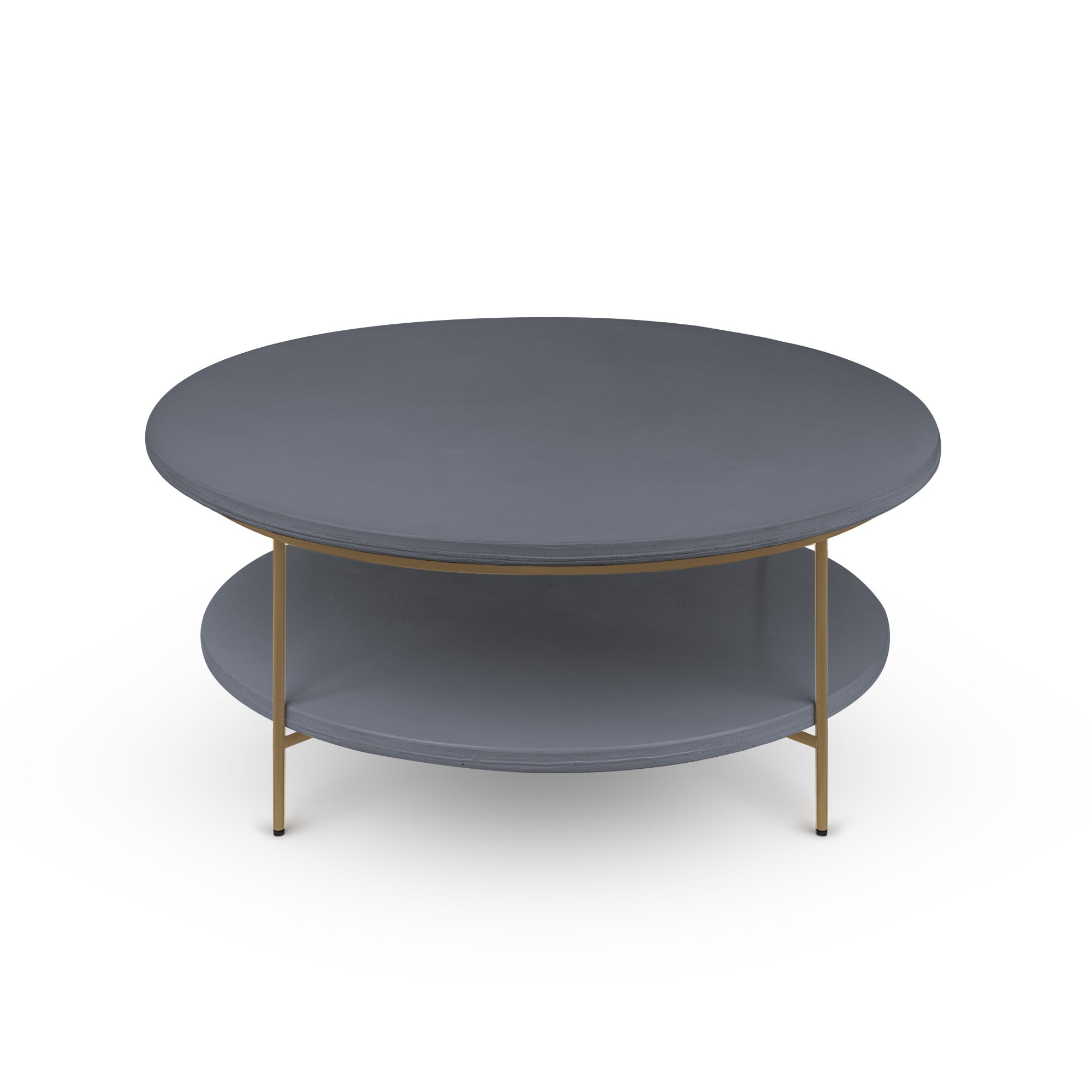
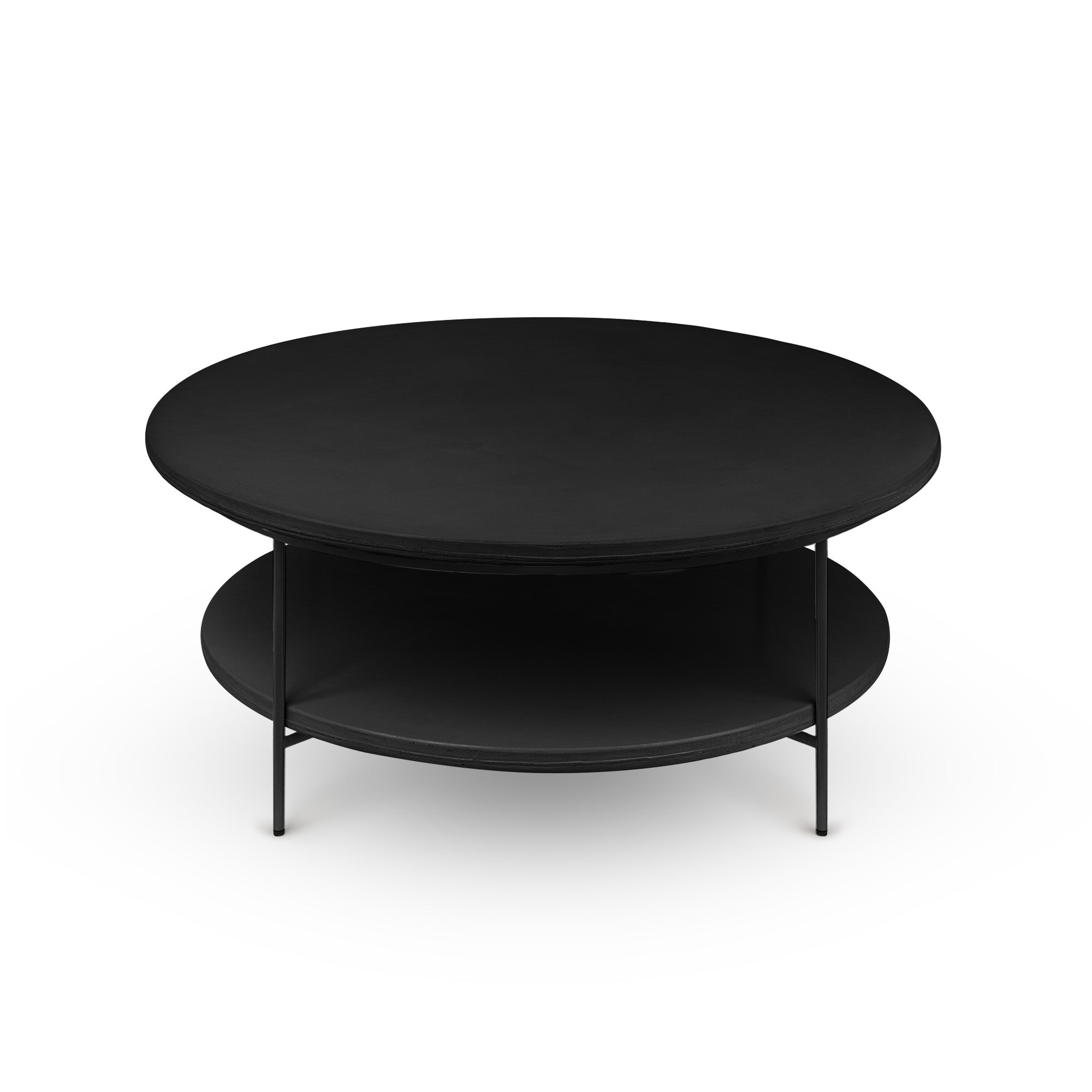
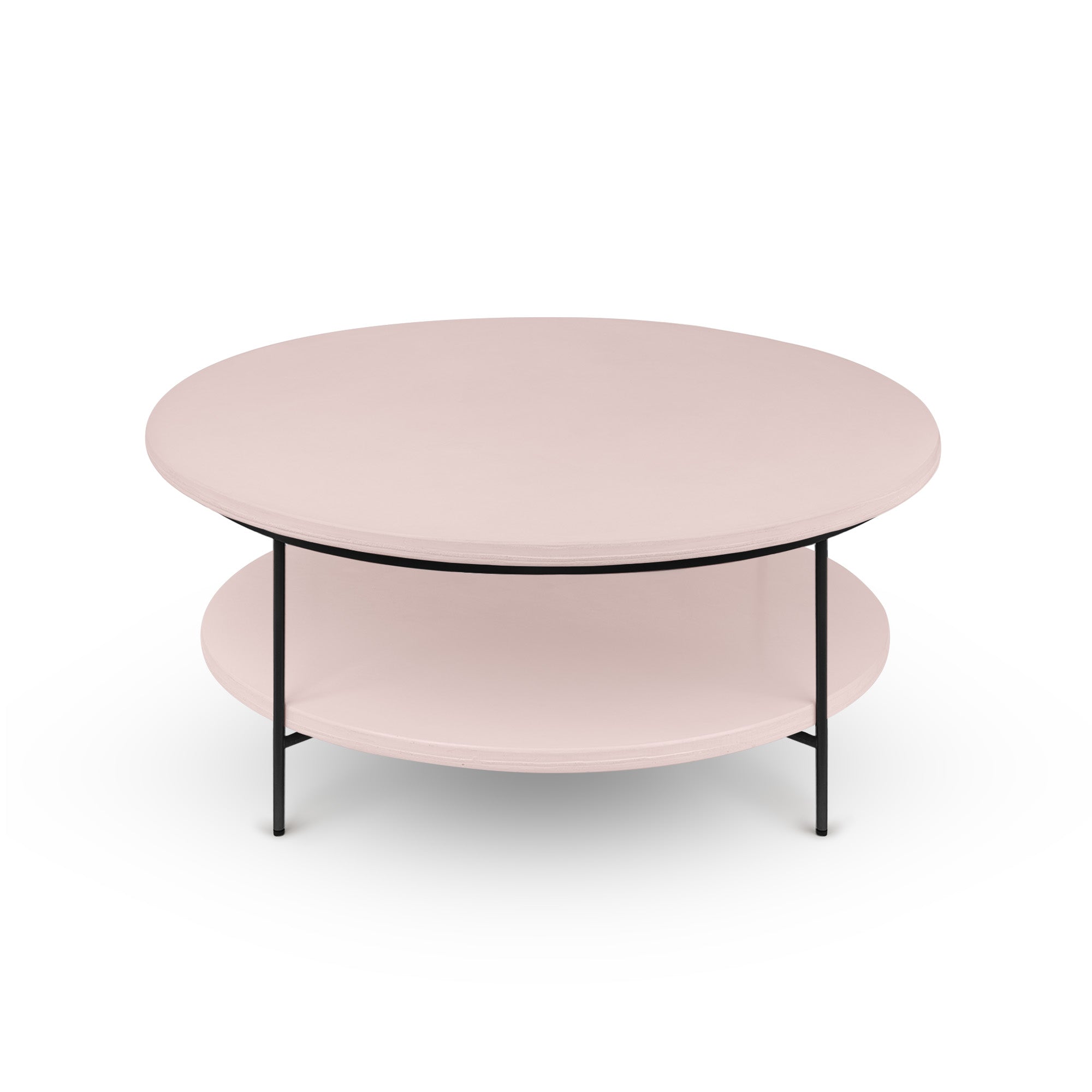
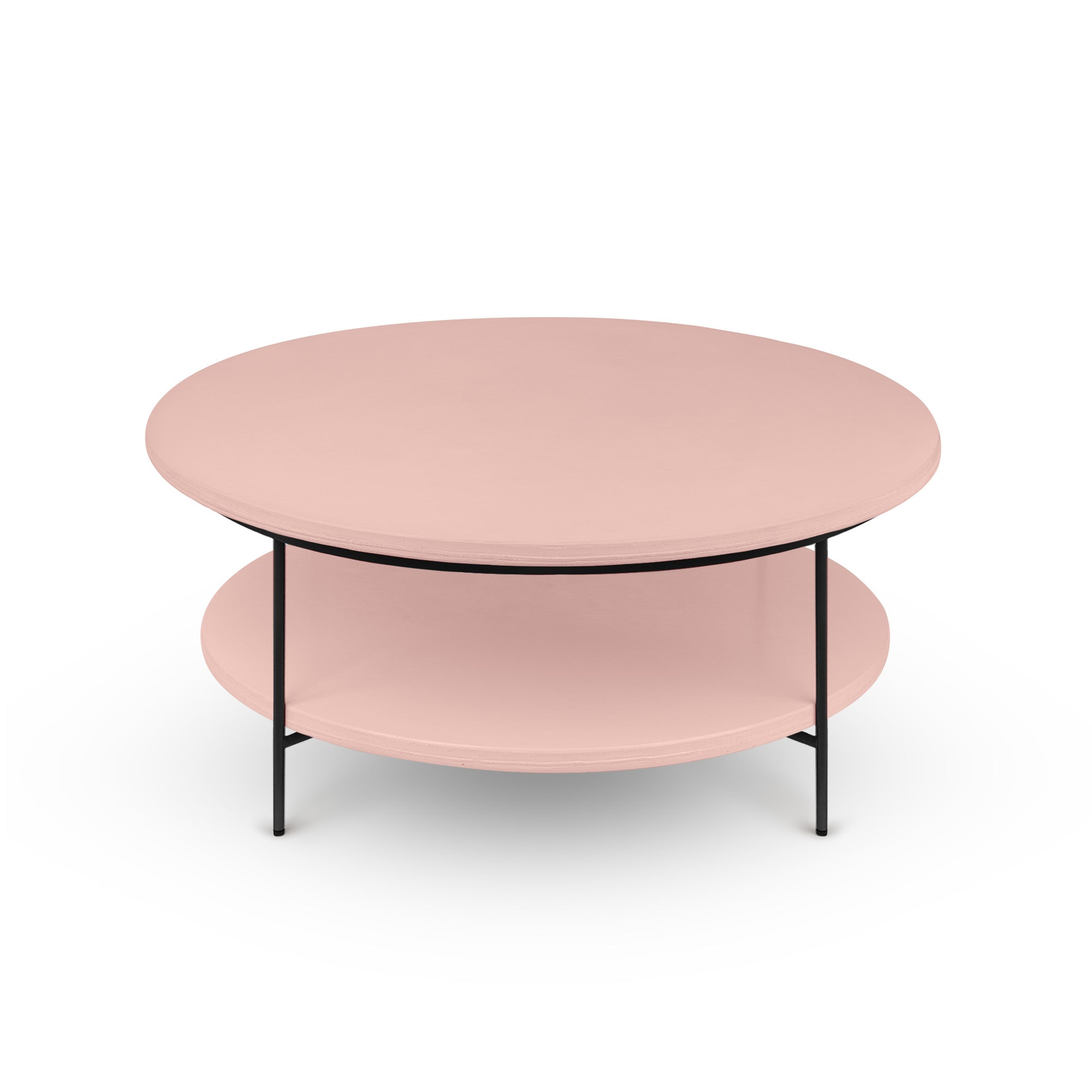
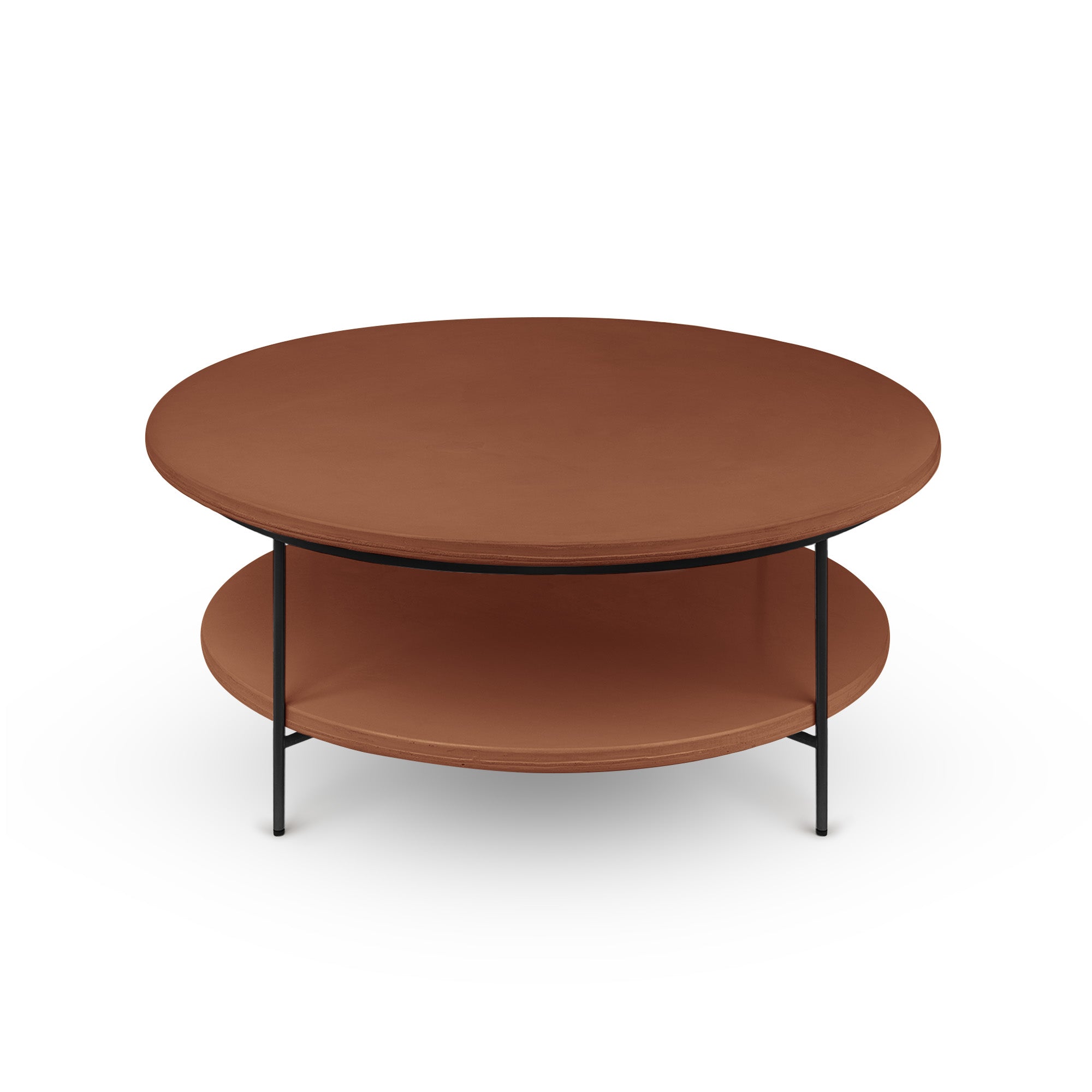
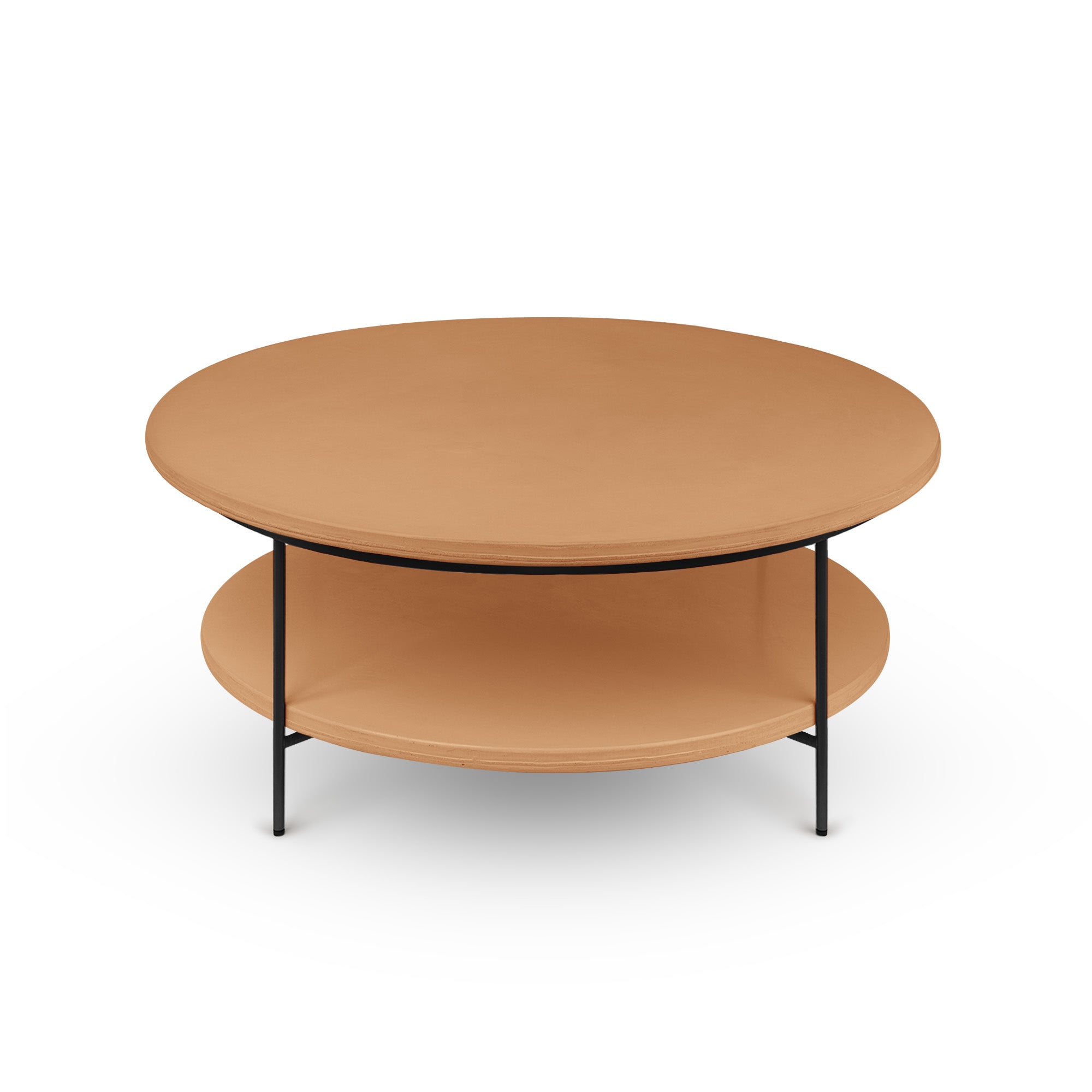
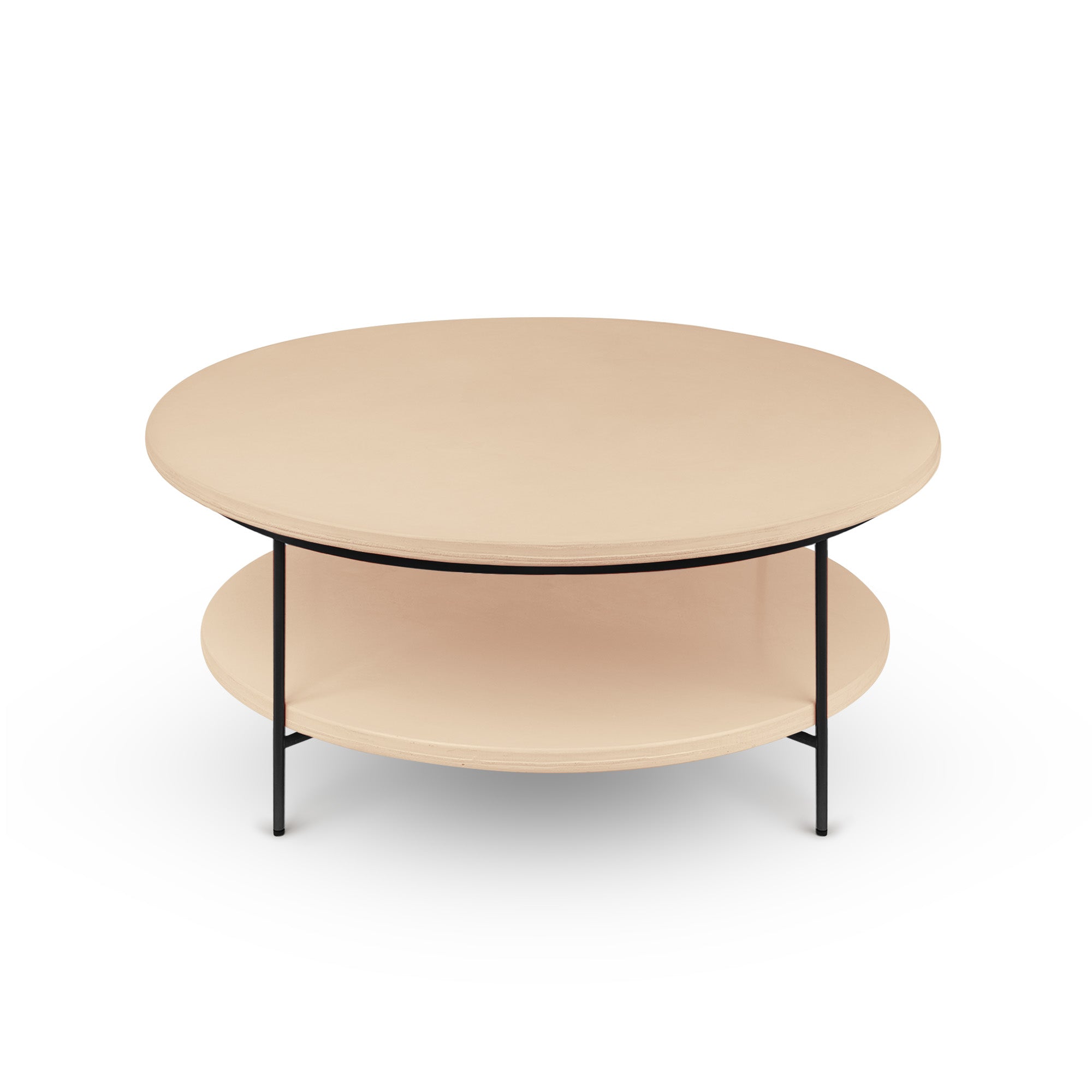
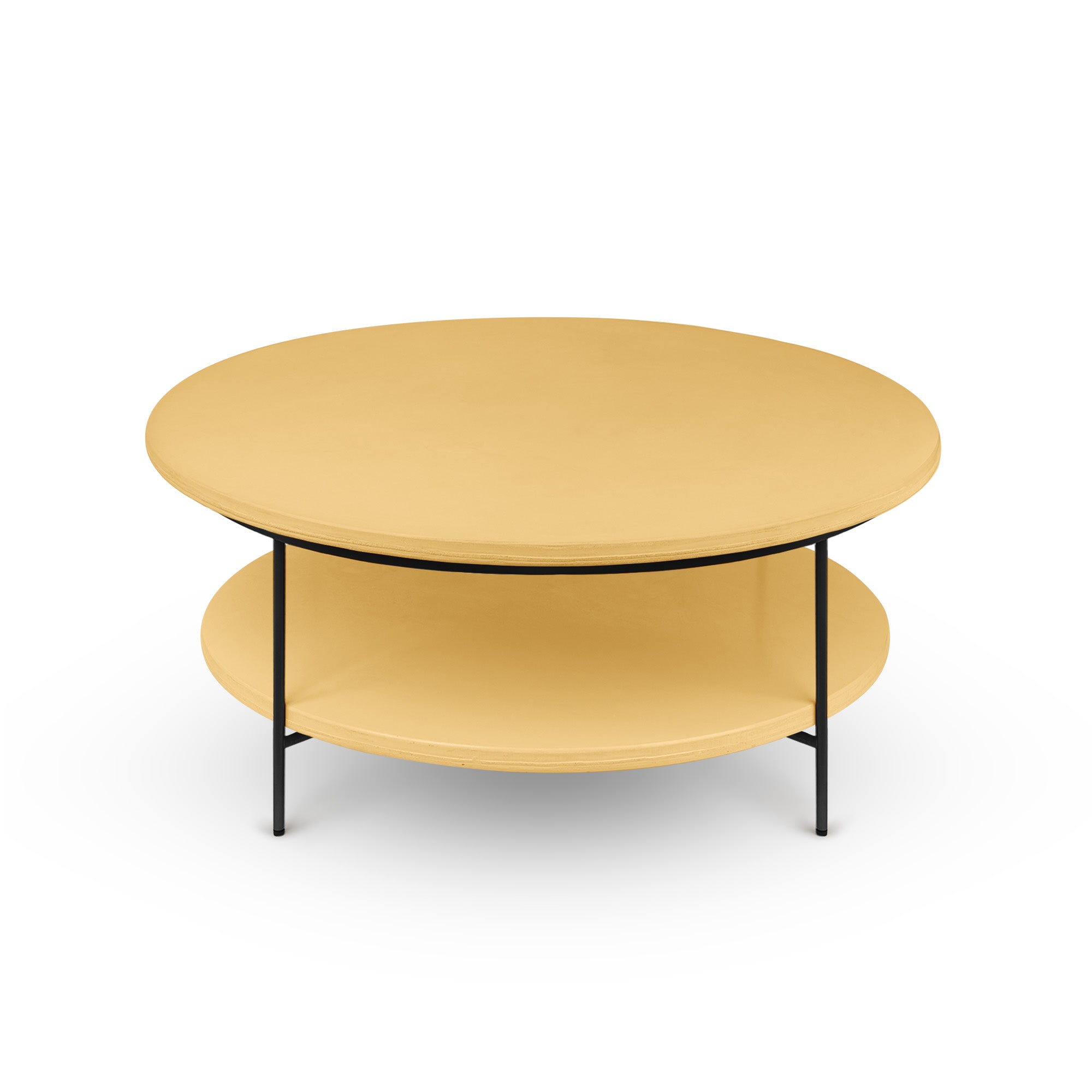
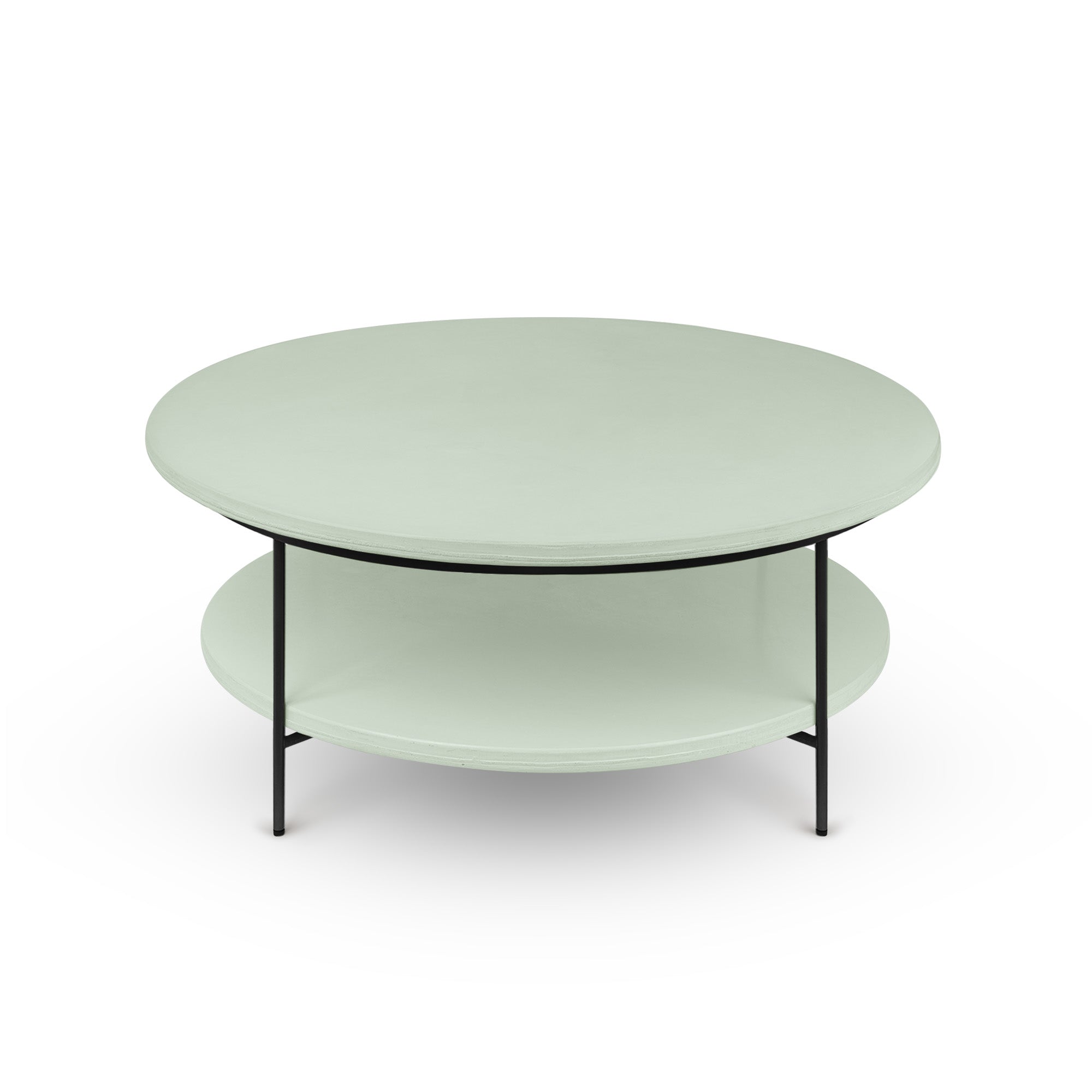
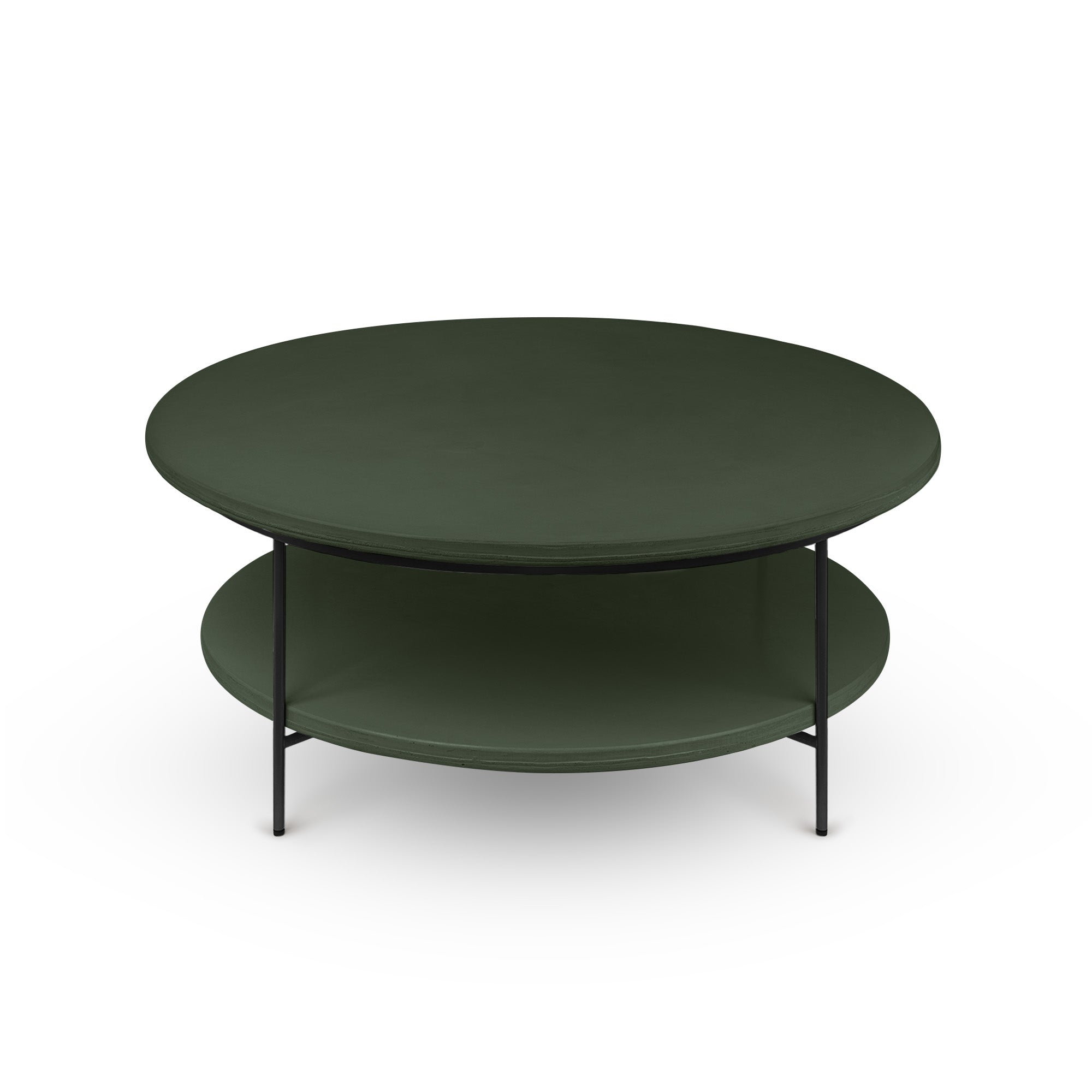
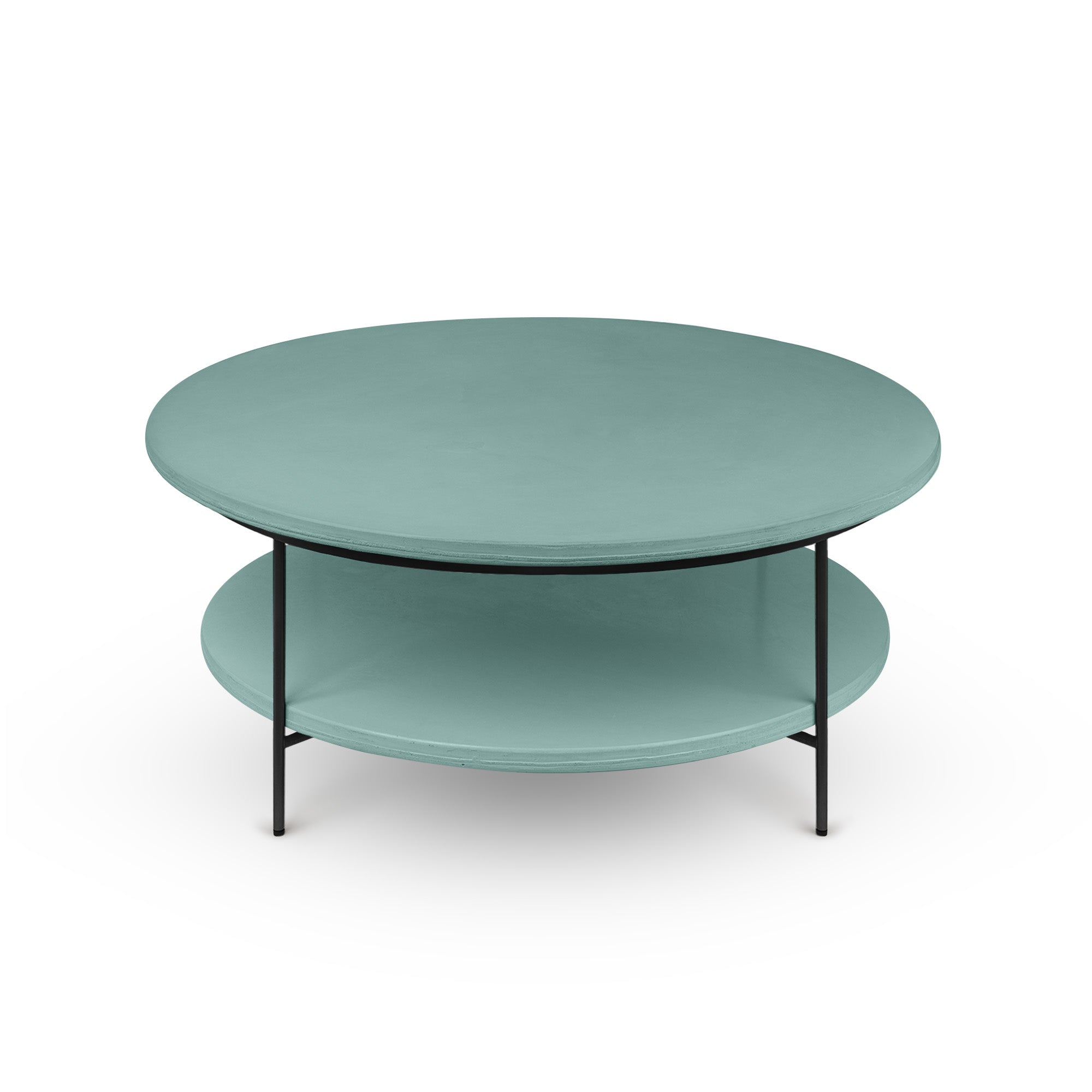
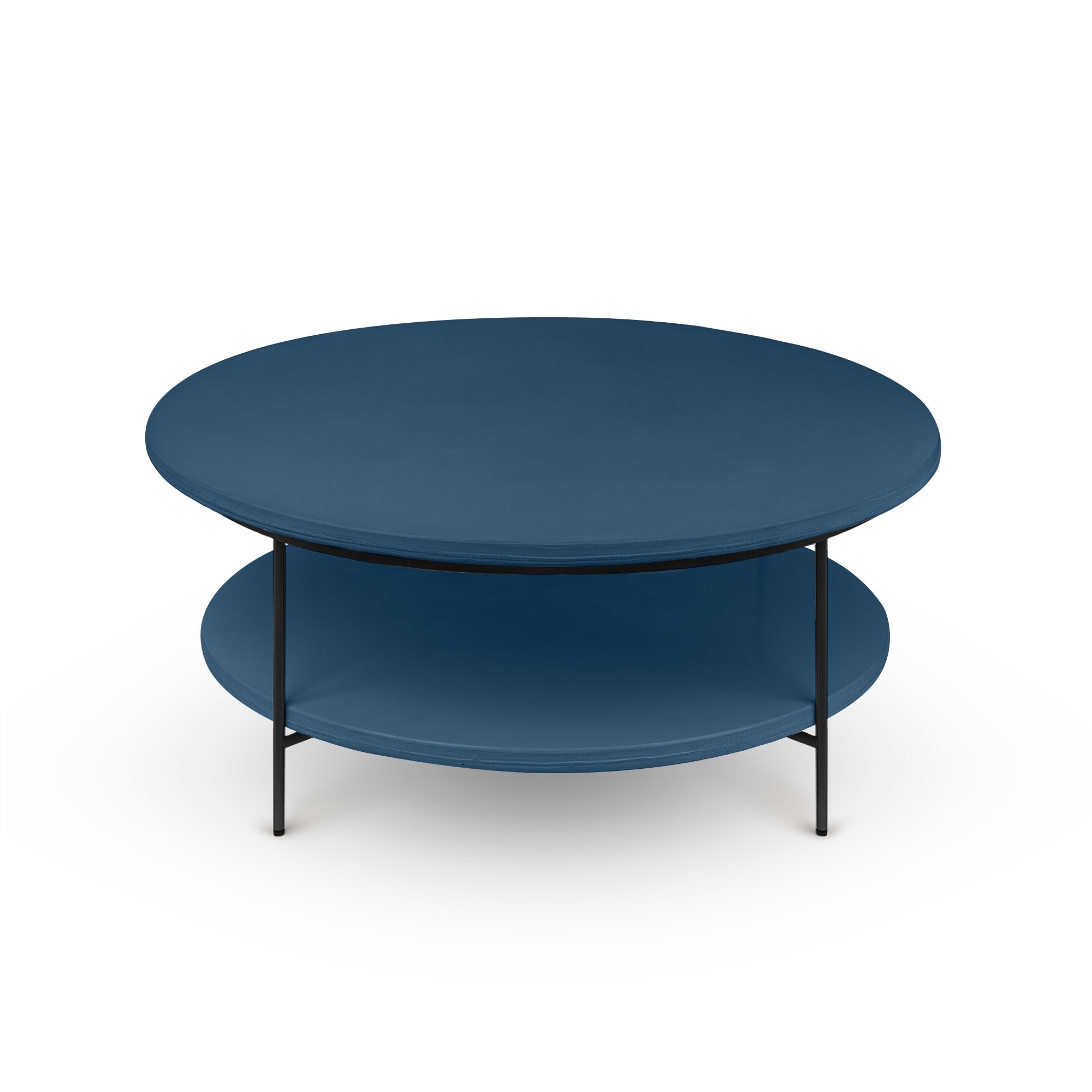
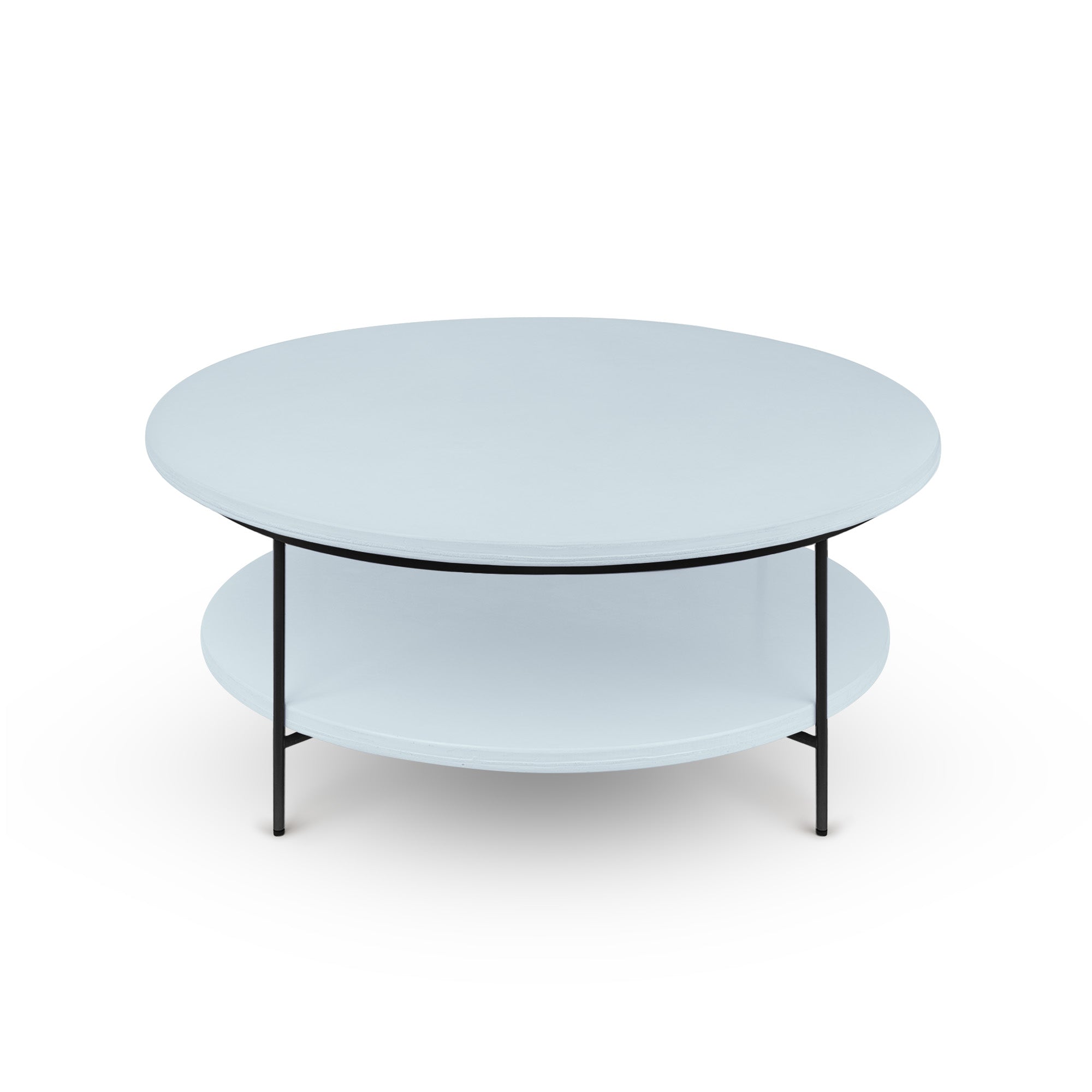
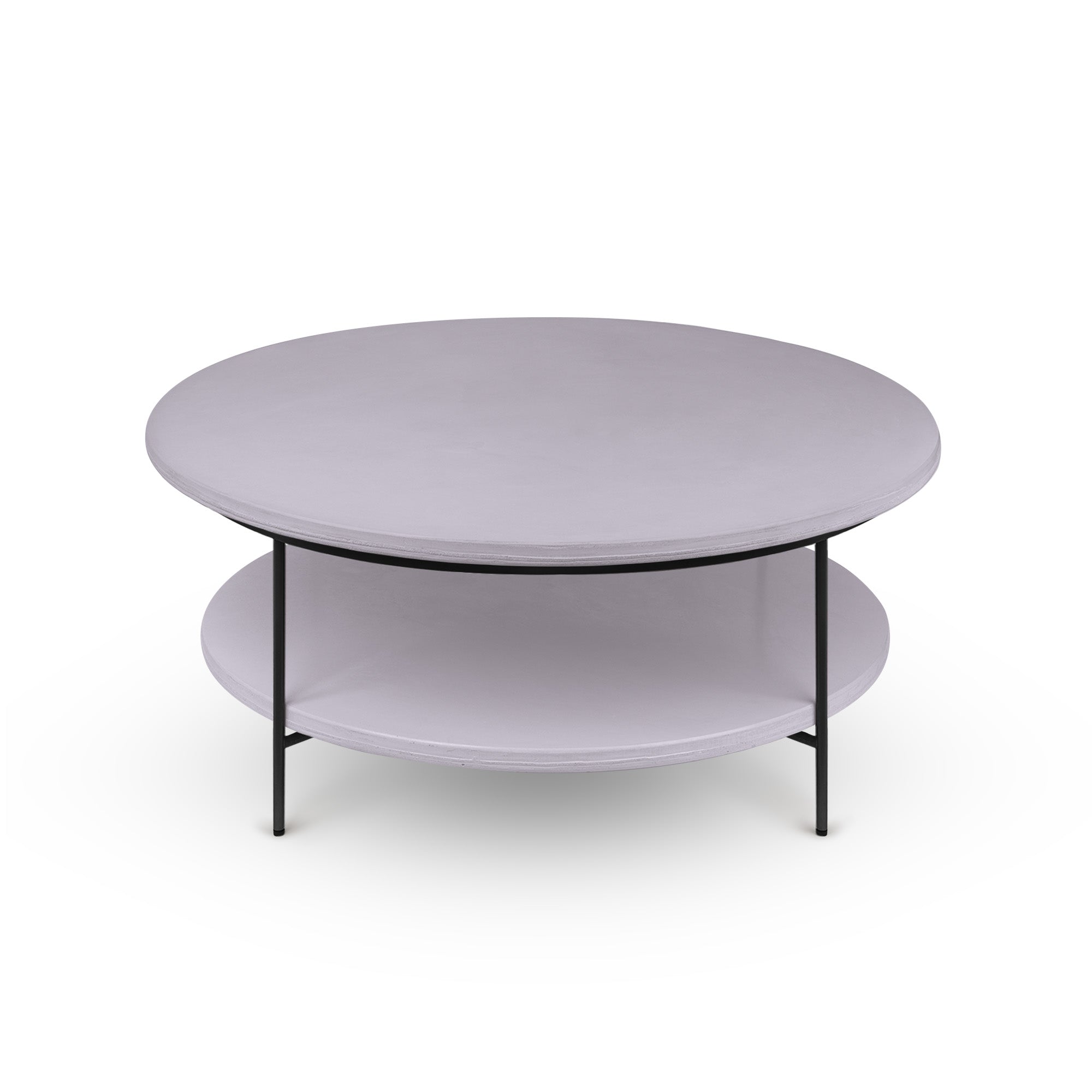
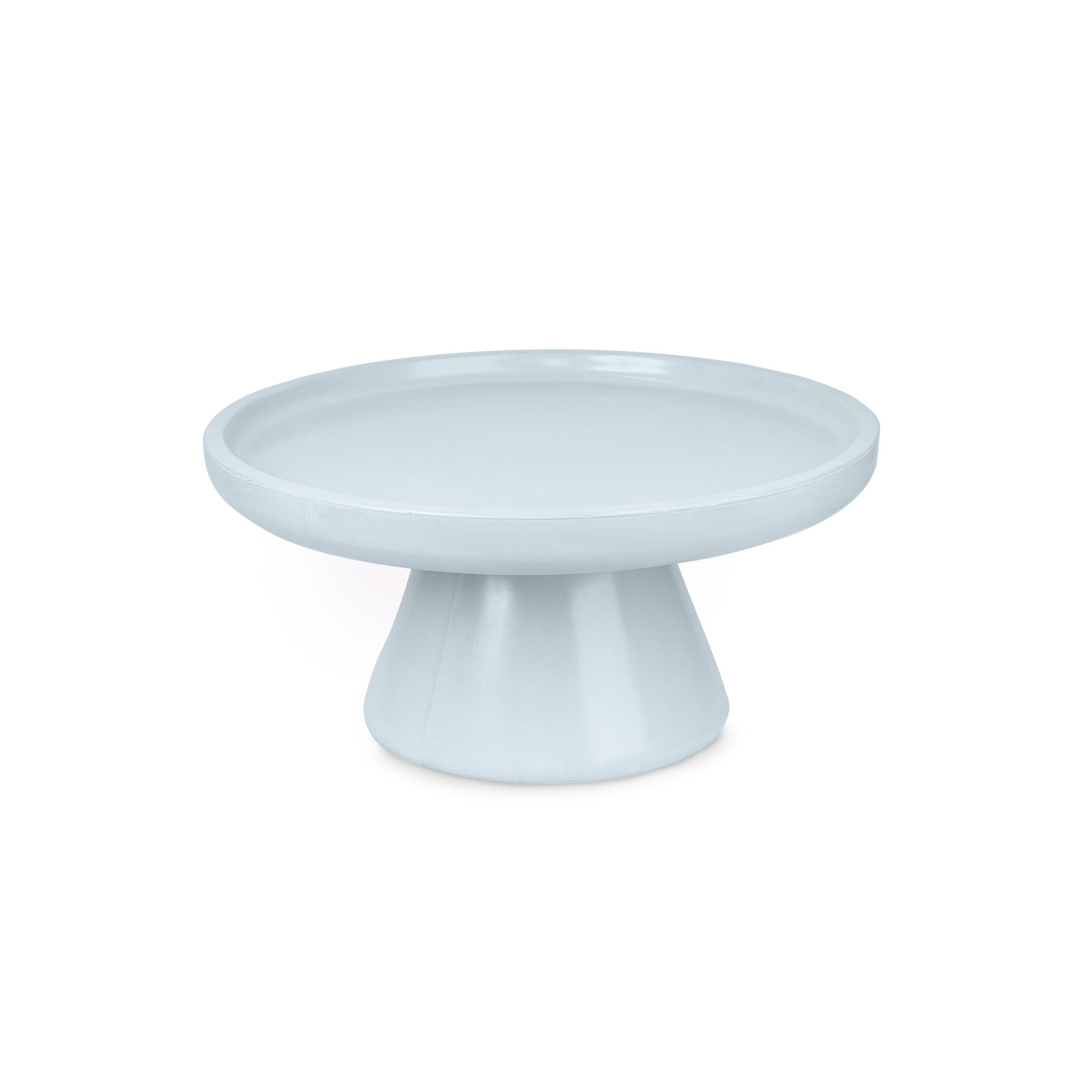
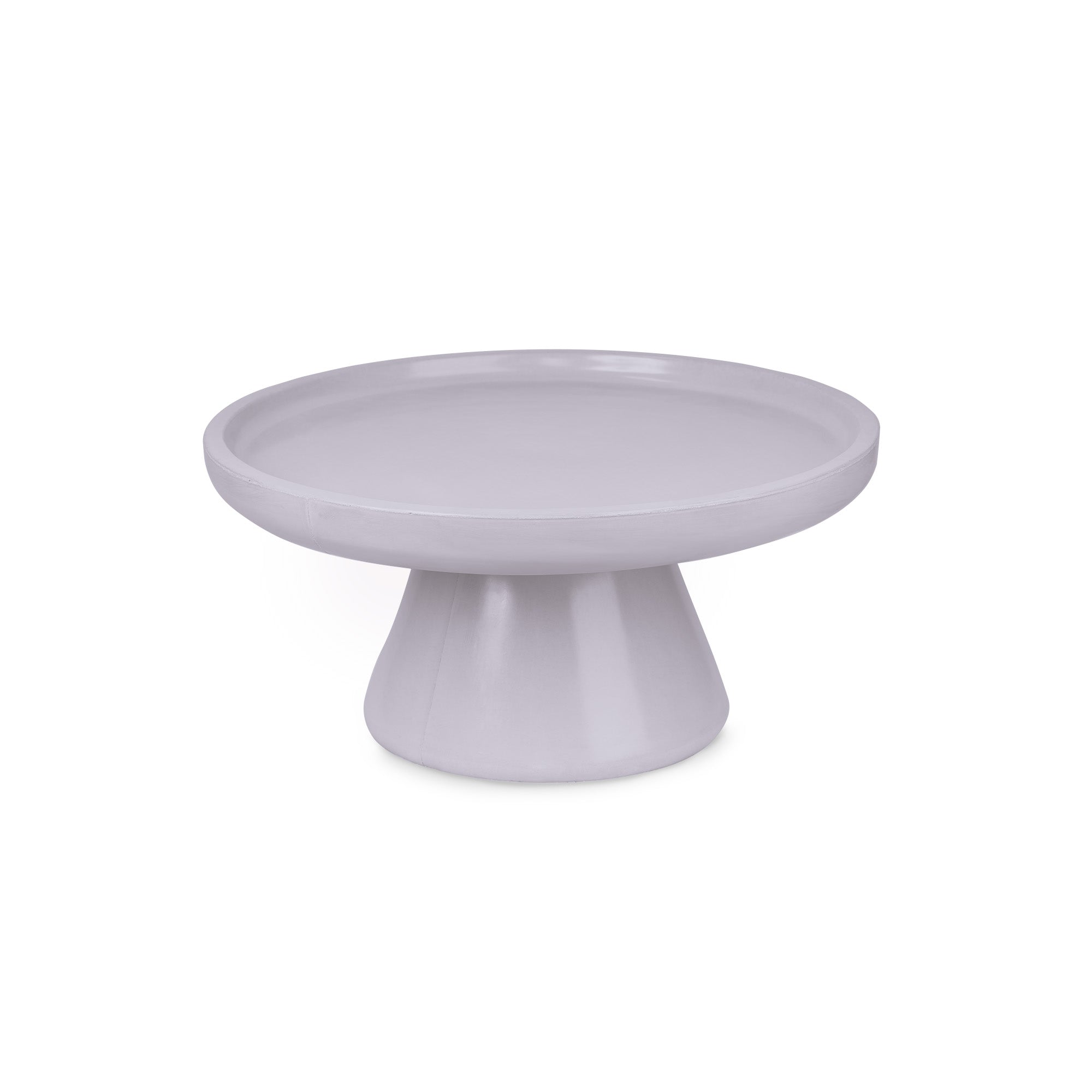
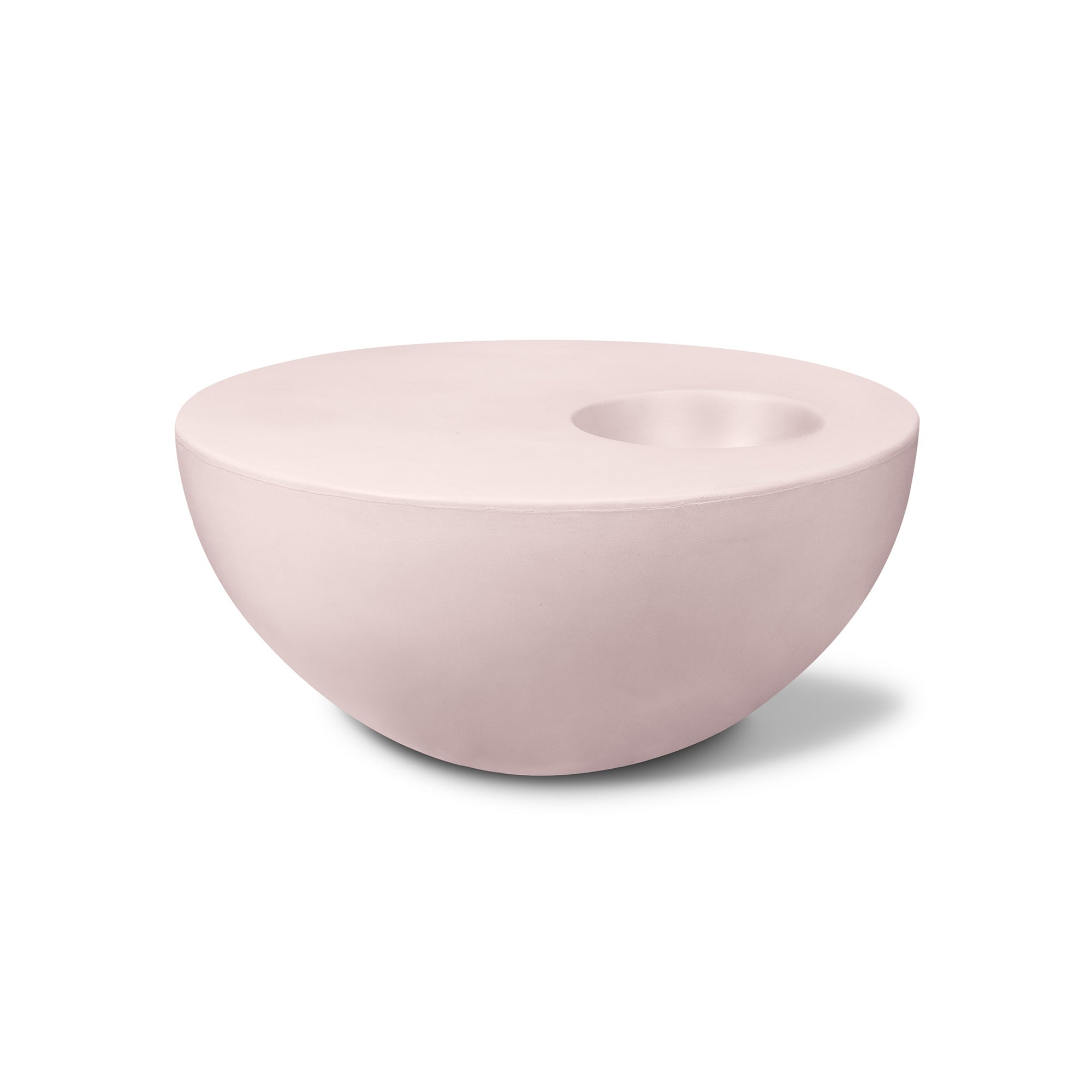
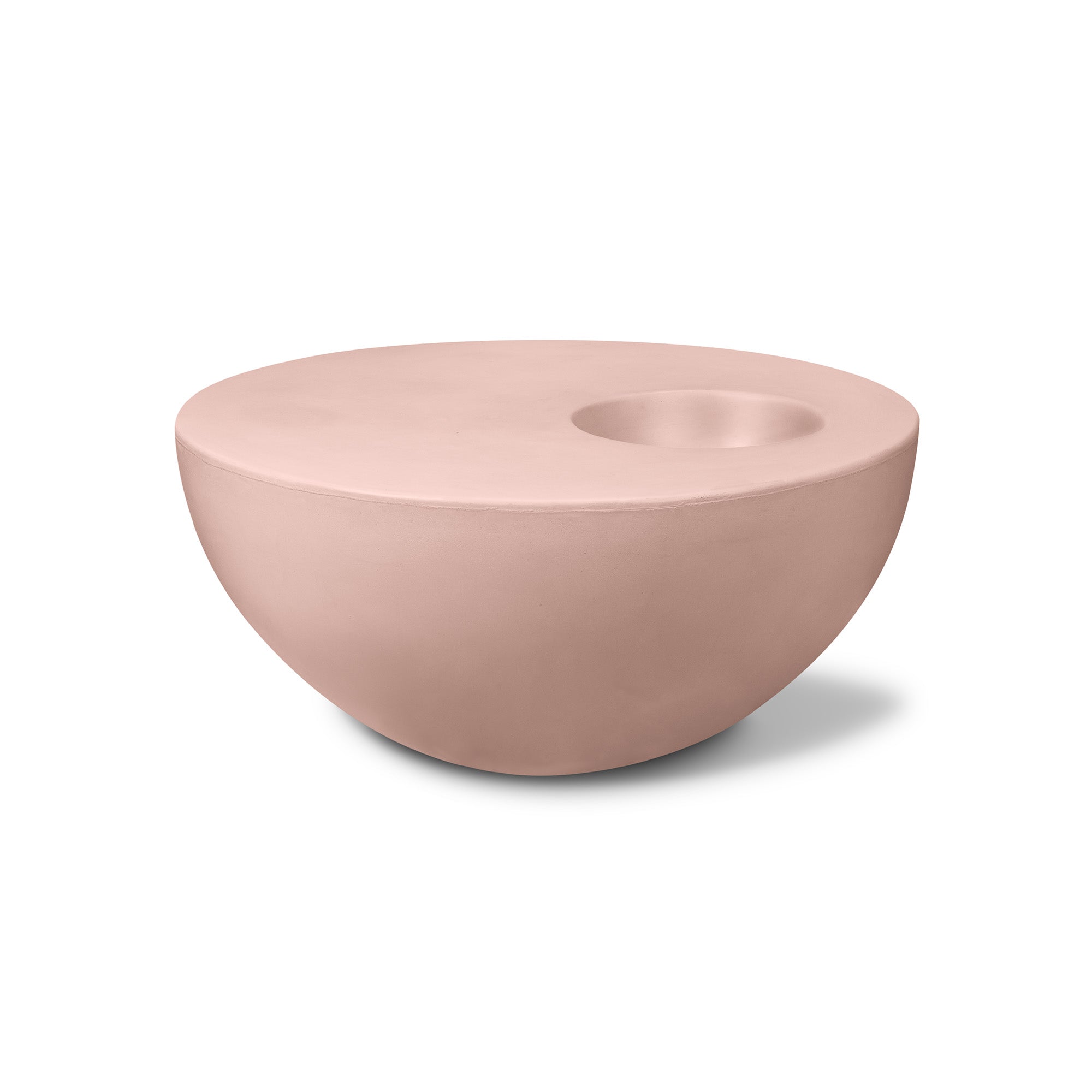
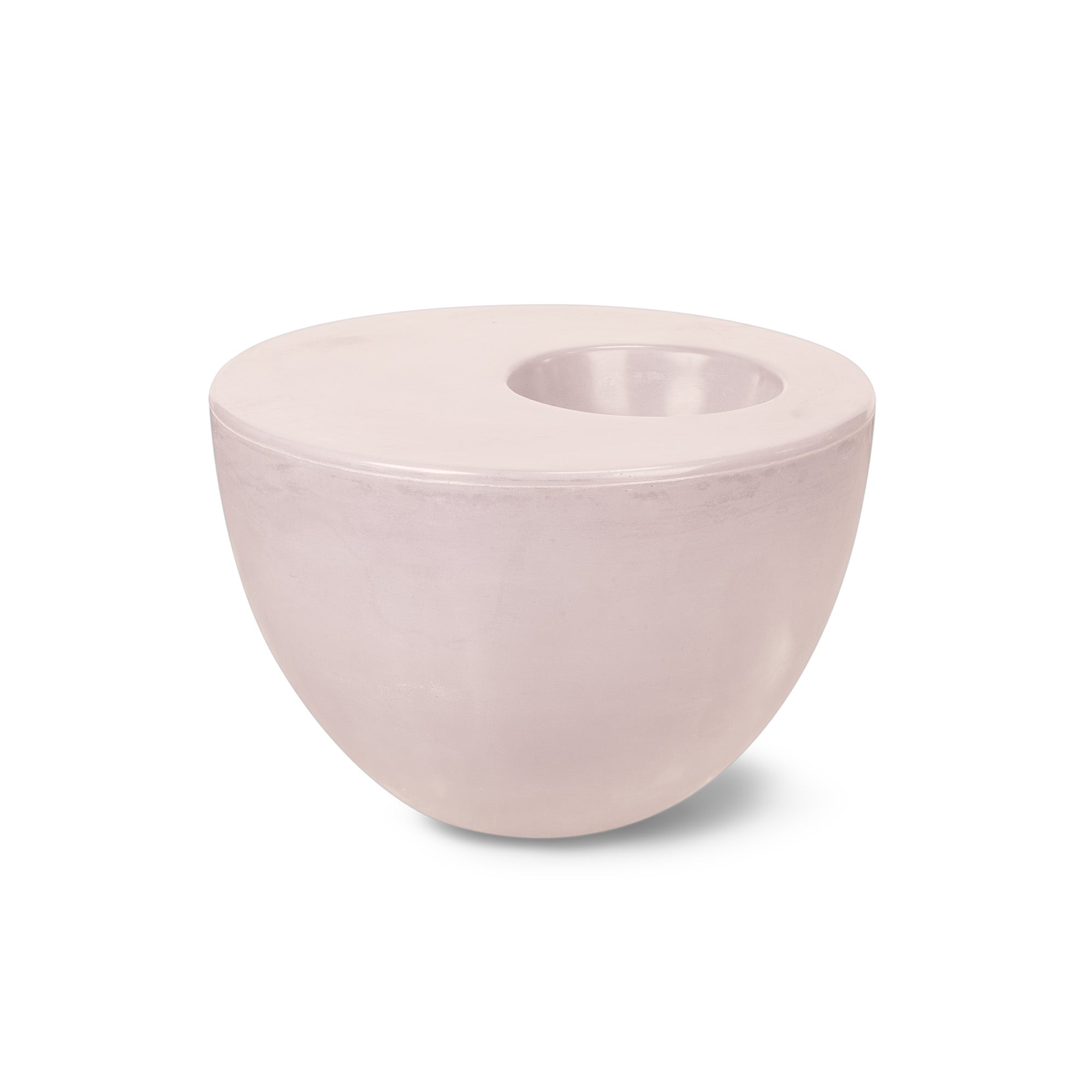
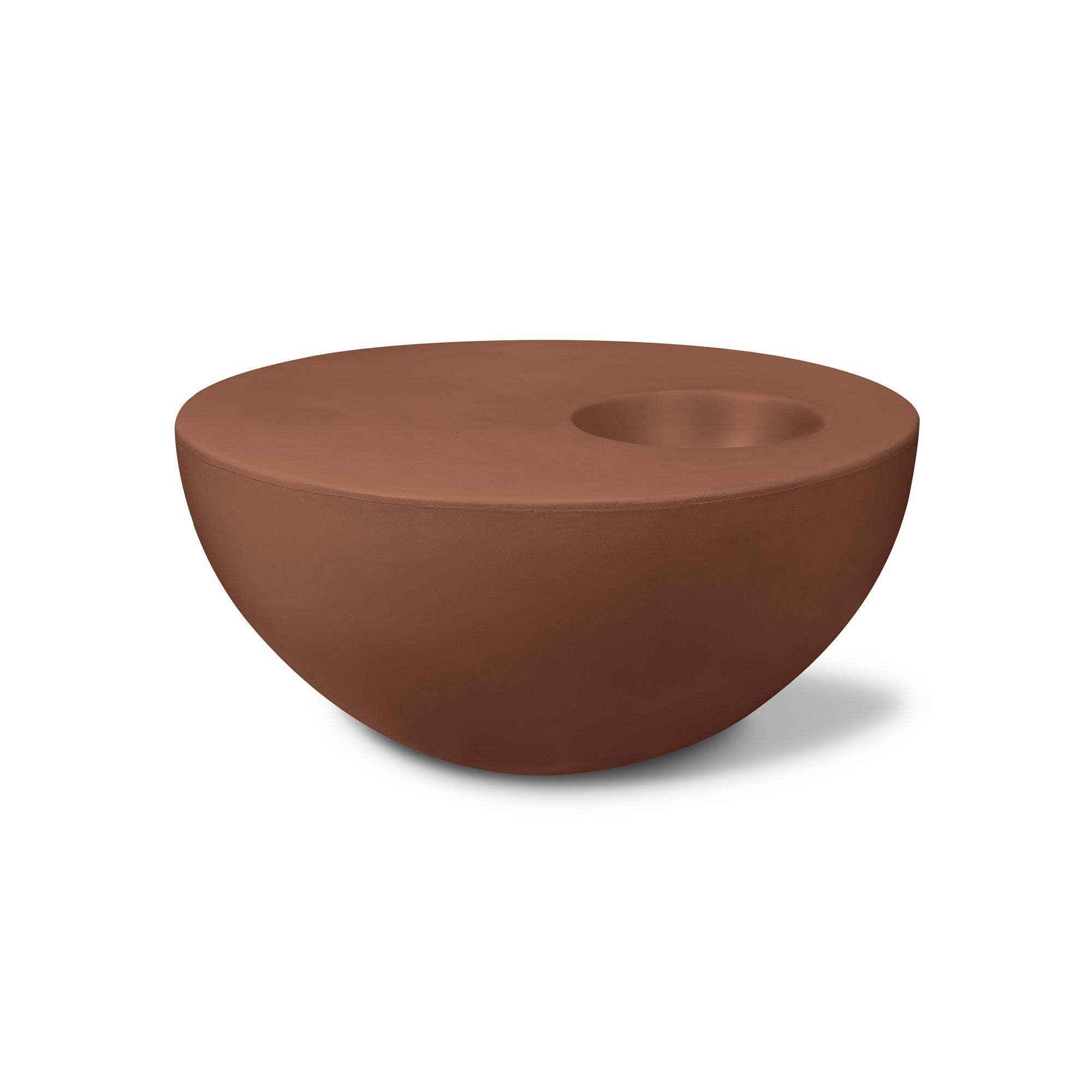
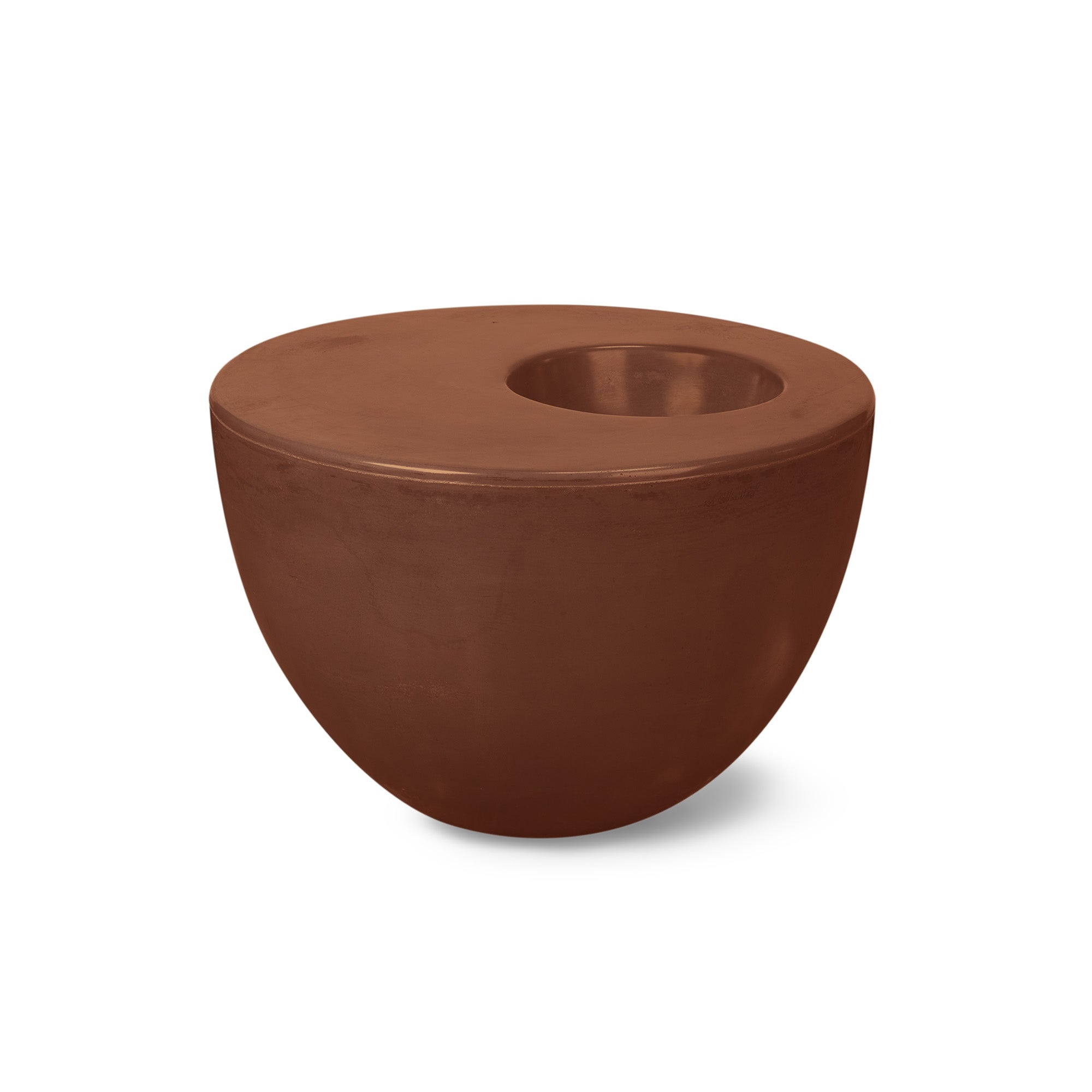
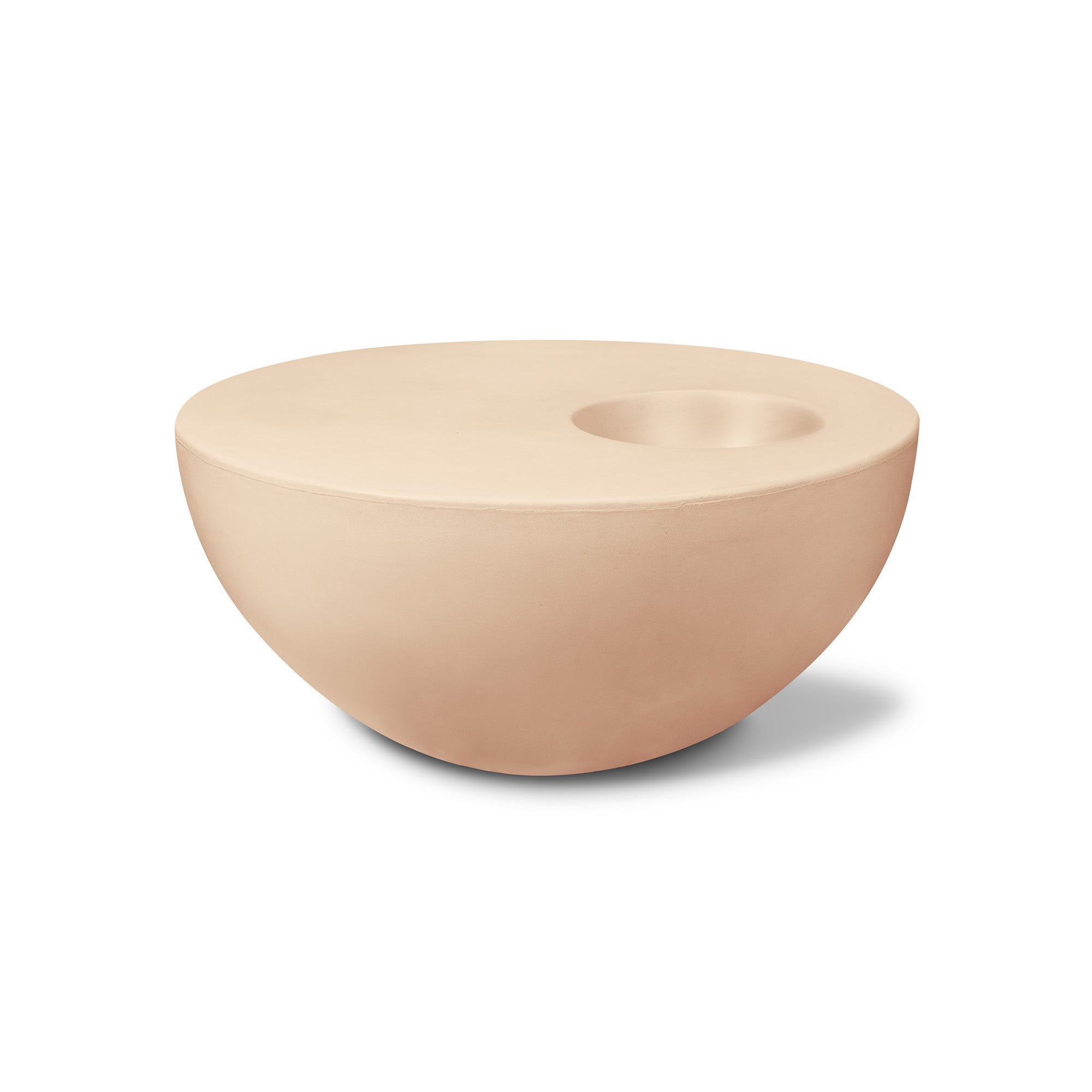
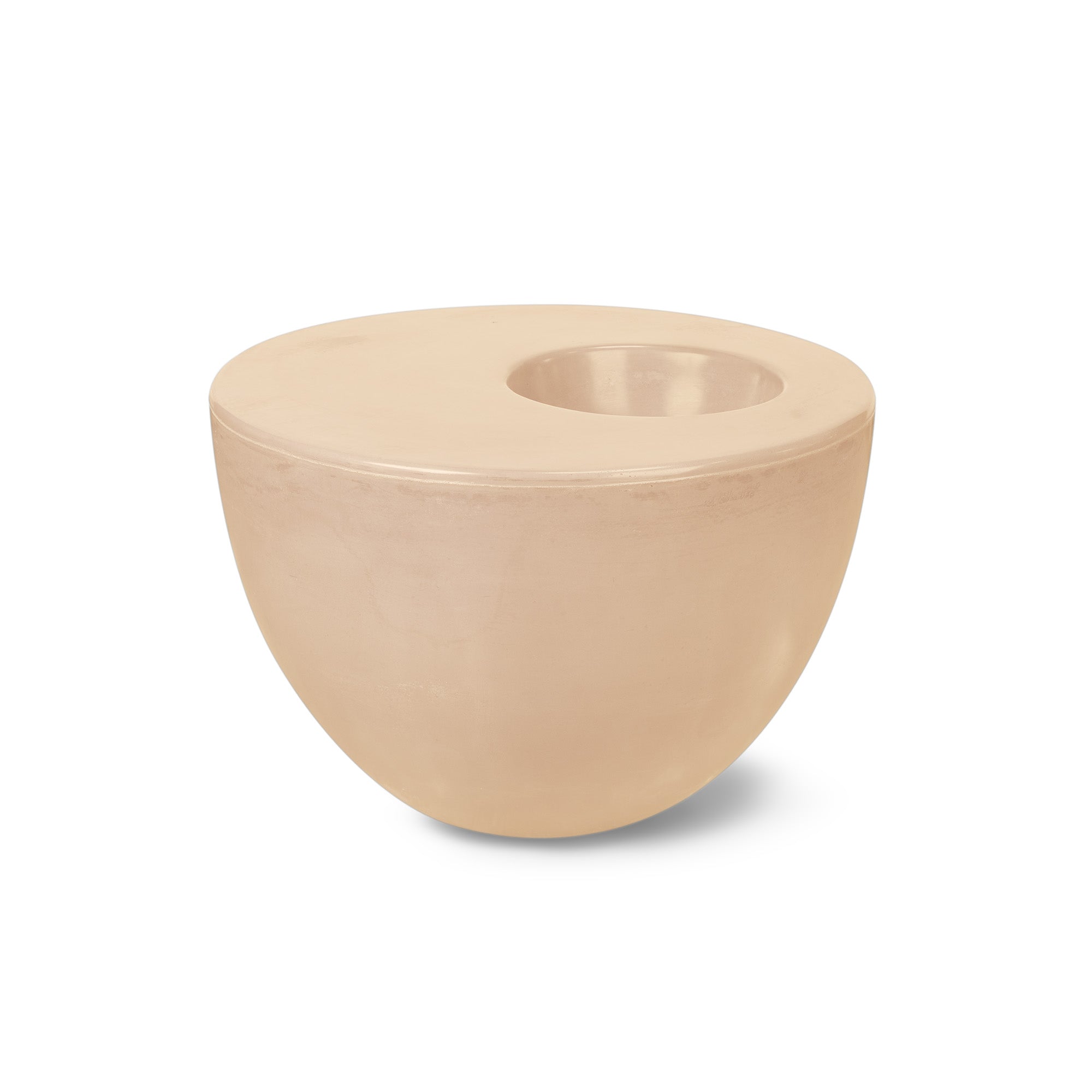
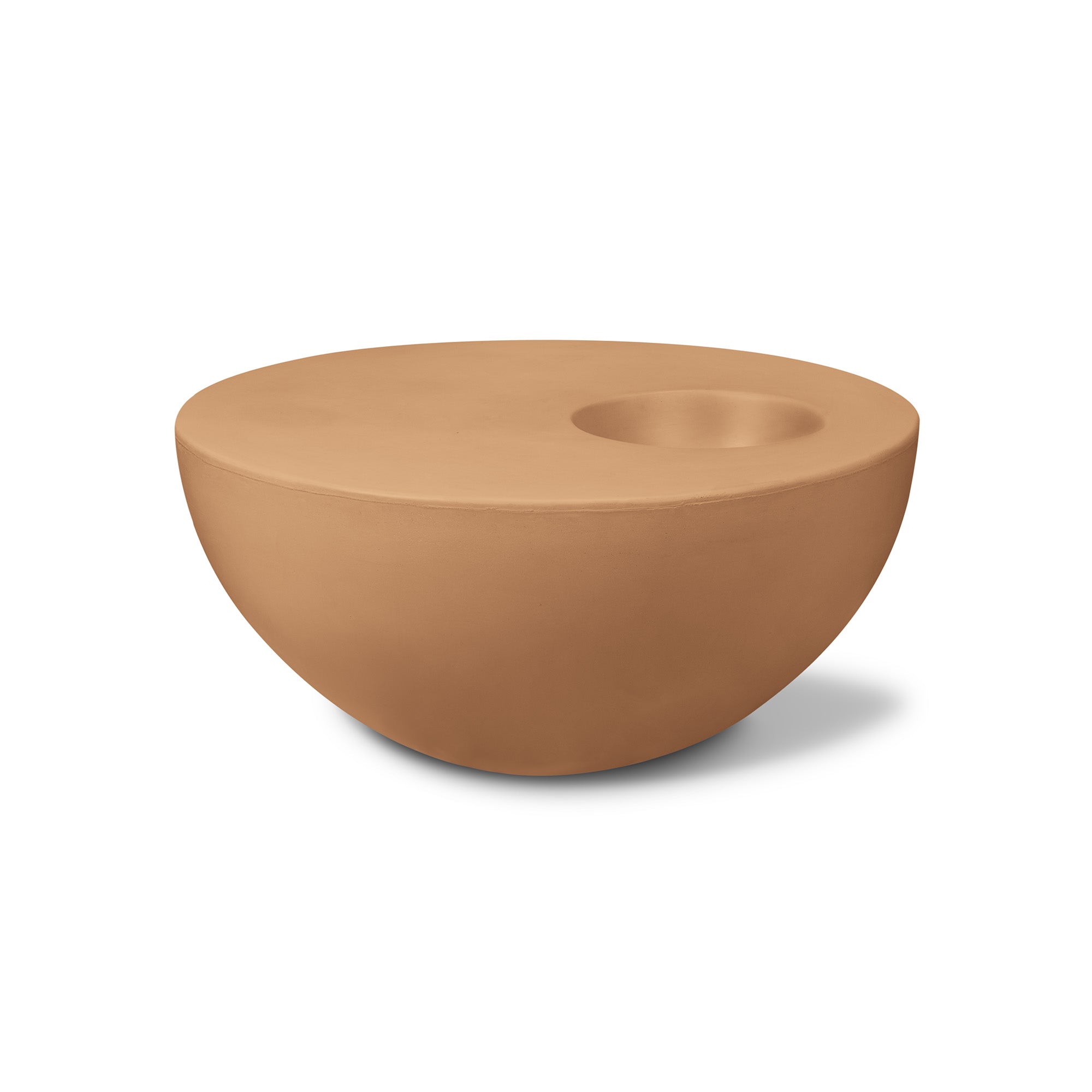
The Ridge Coffee Table works well within sectionals and larger seating arrangements because its layered circular surfaces can be reached from multiple sides of the room. Its open design provides space for serving, styling, and keeping frequently used items within reach.

If you prefer more flexibility, consider using multiple tables instead of one large piece. Smaller tables can be grouped together for a layered look or separated when the room needs to function differently.
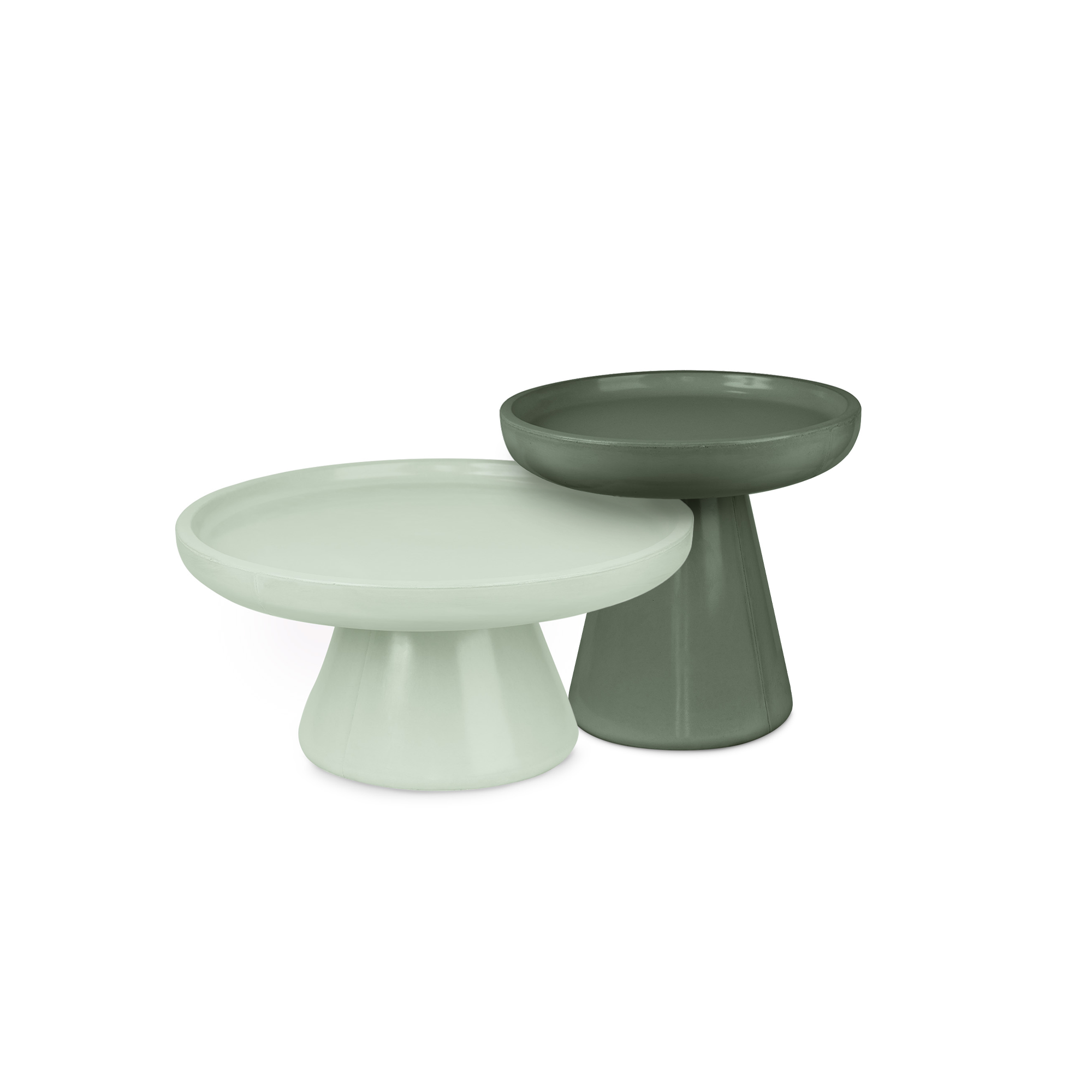
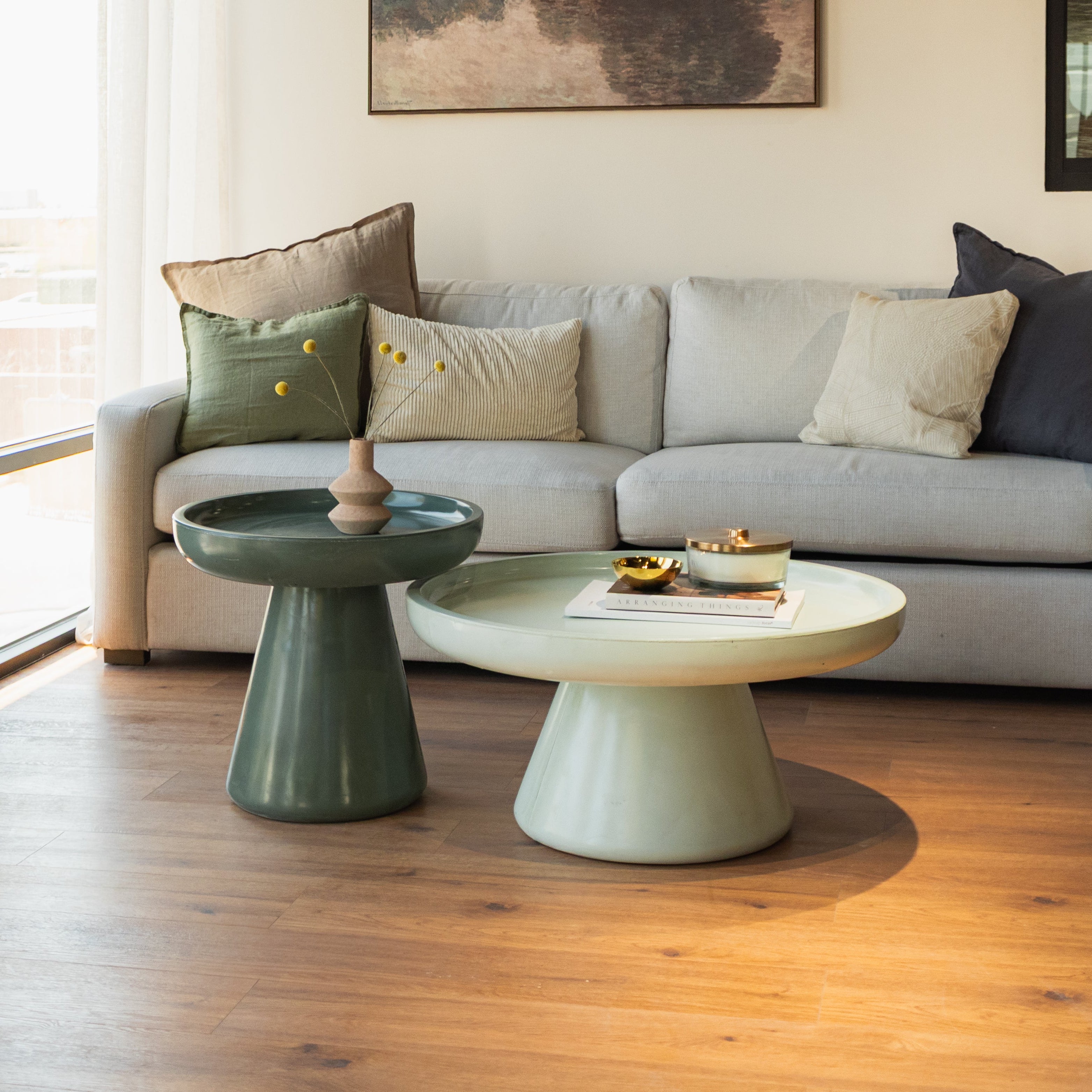
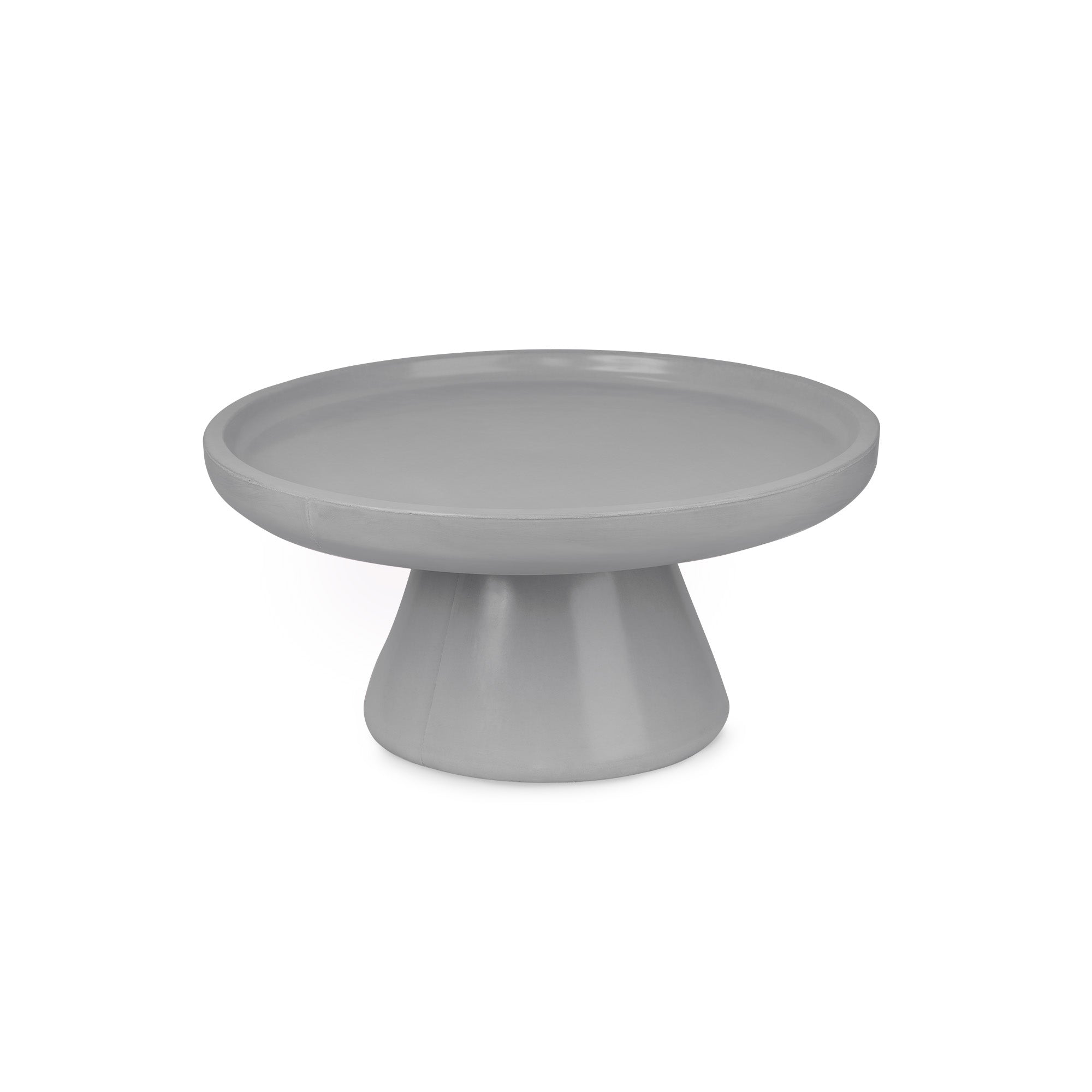
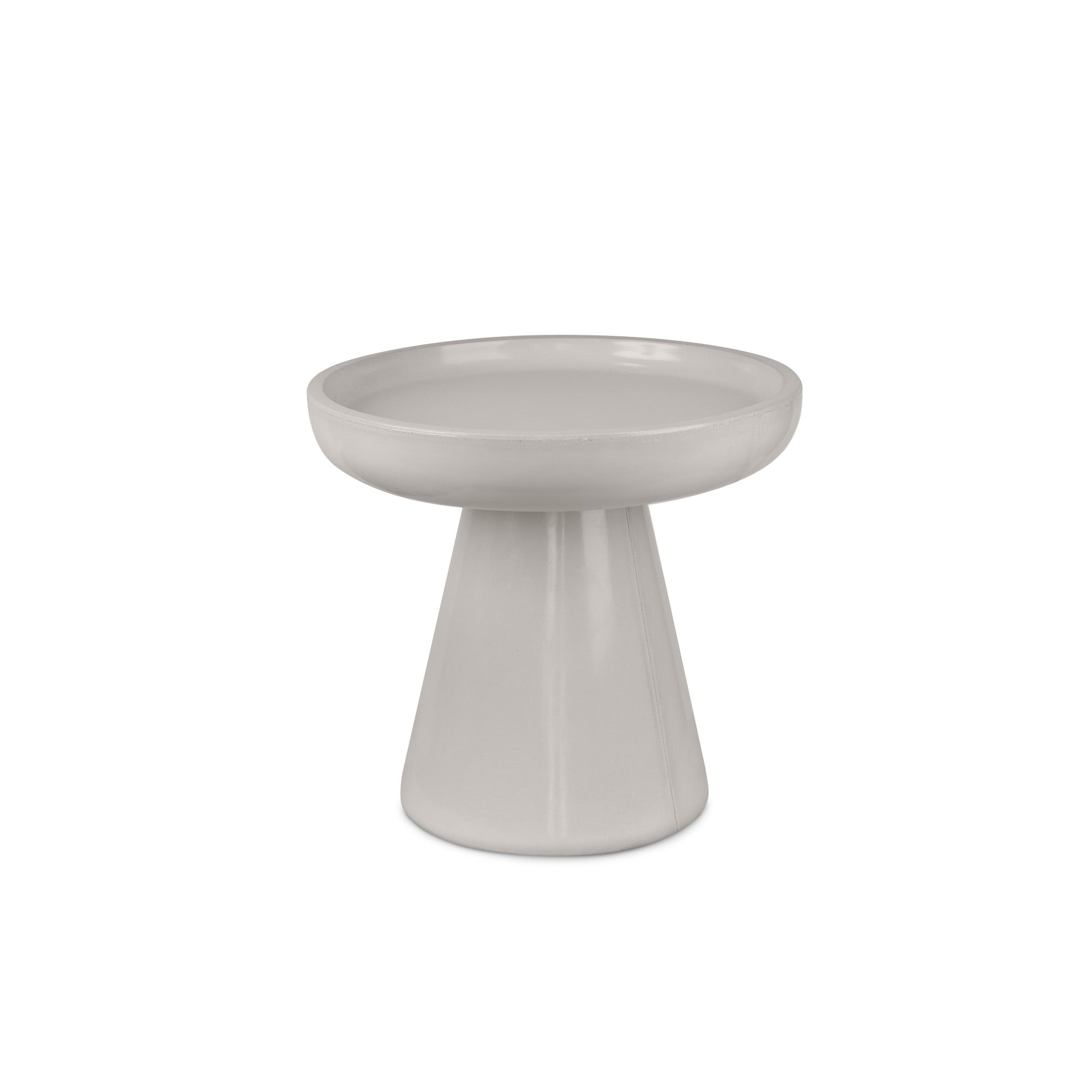
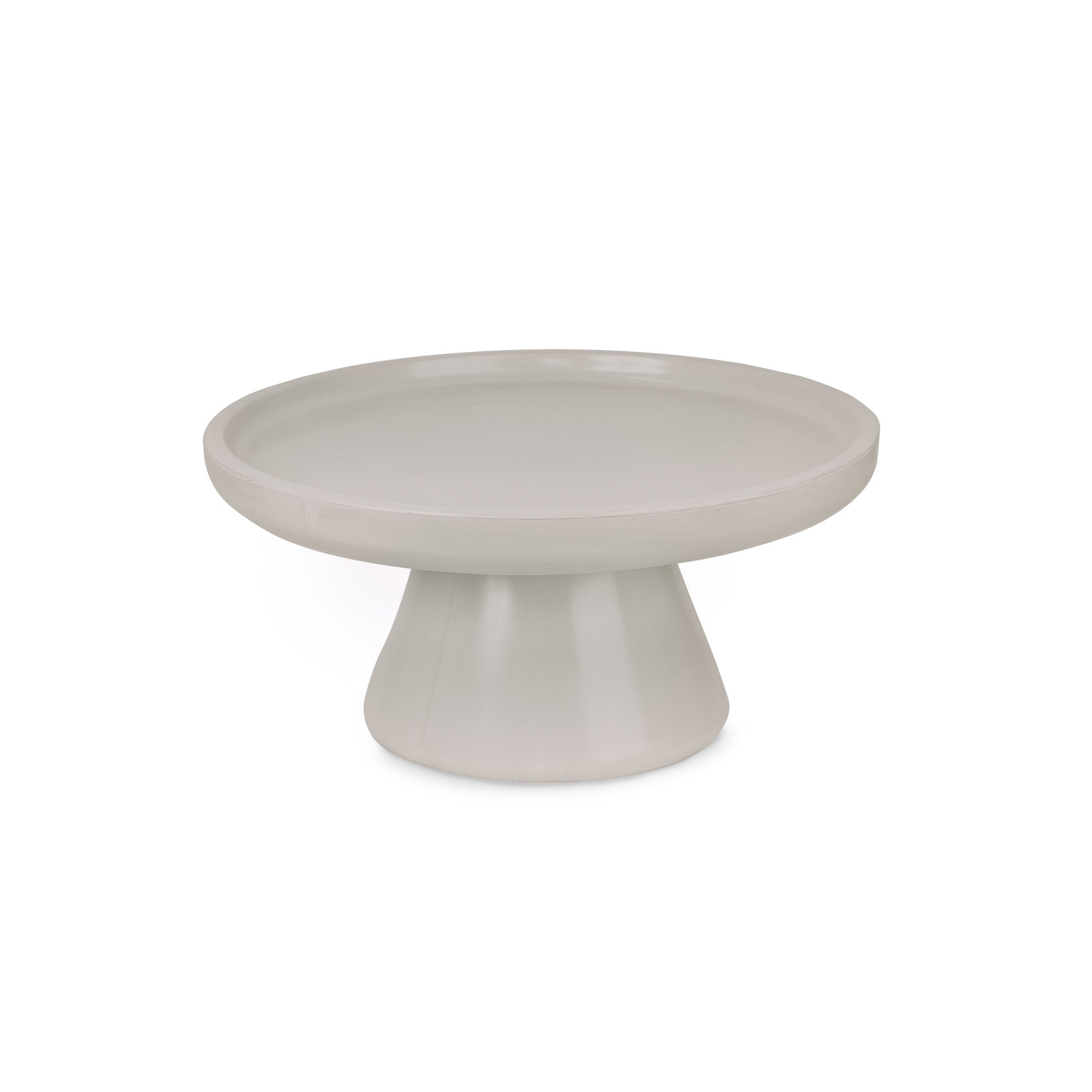
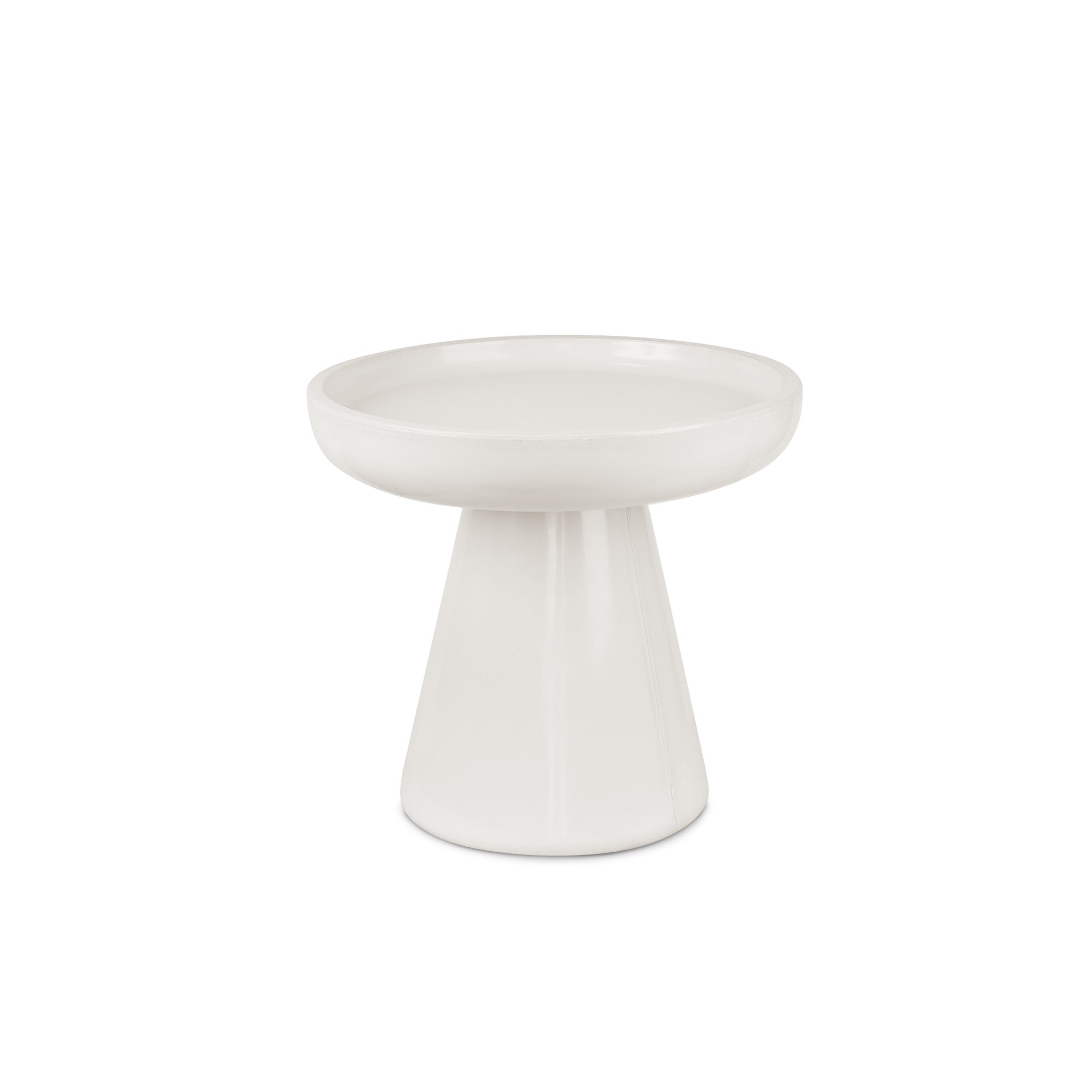
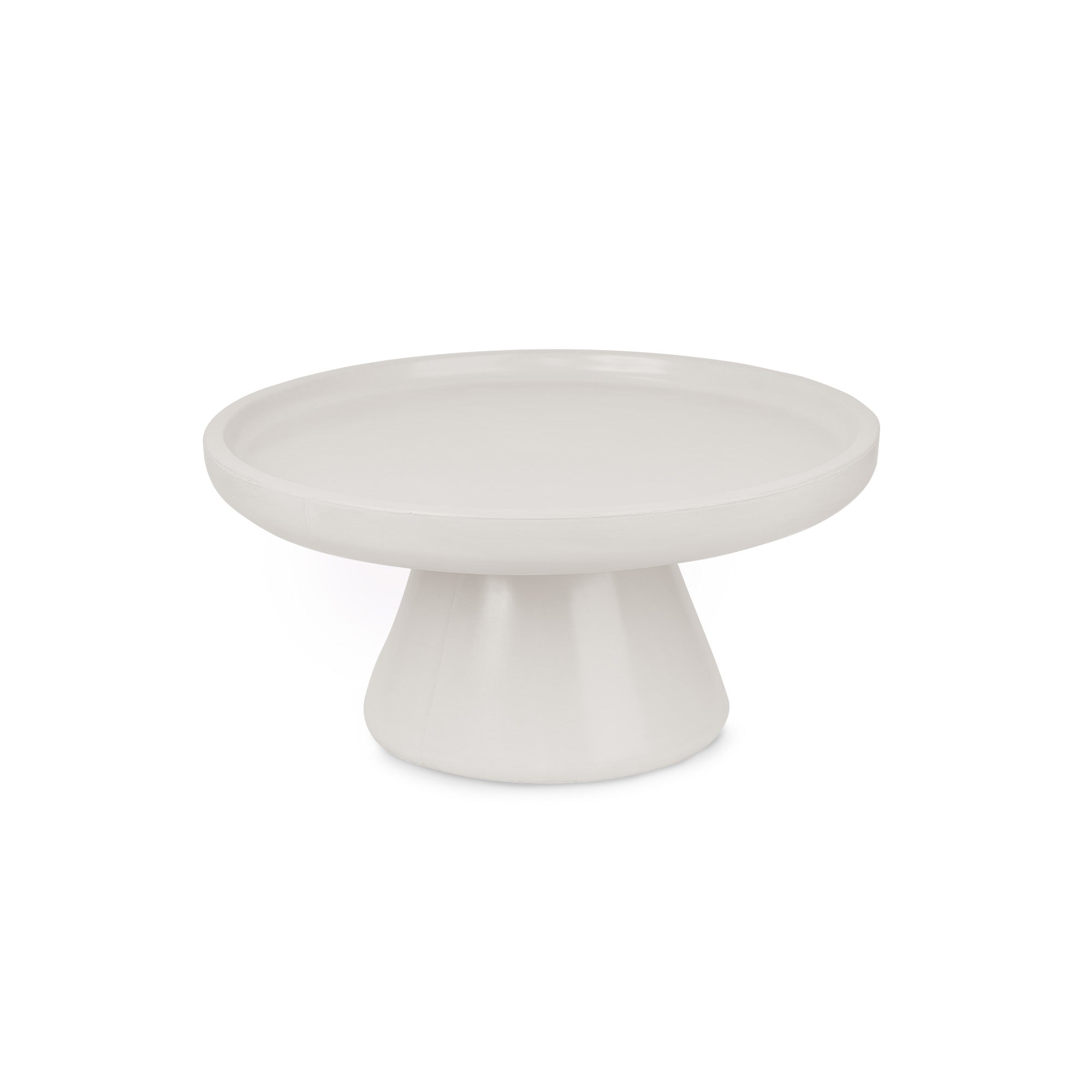
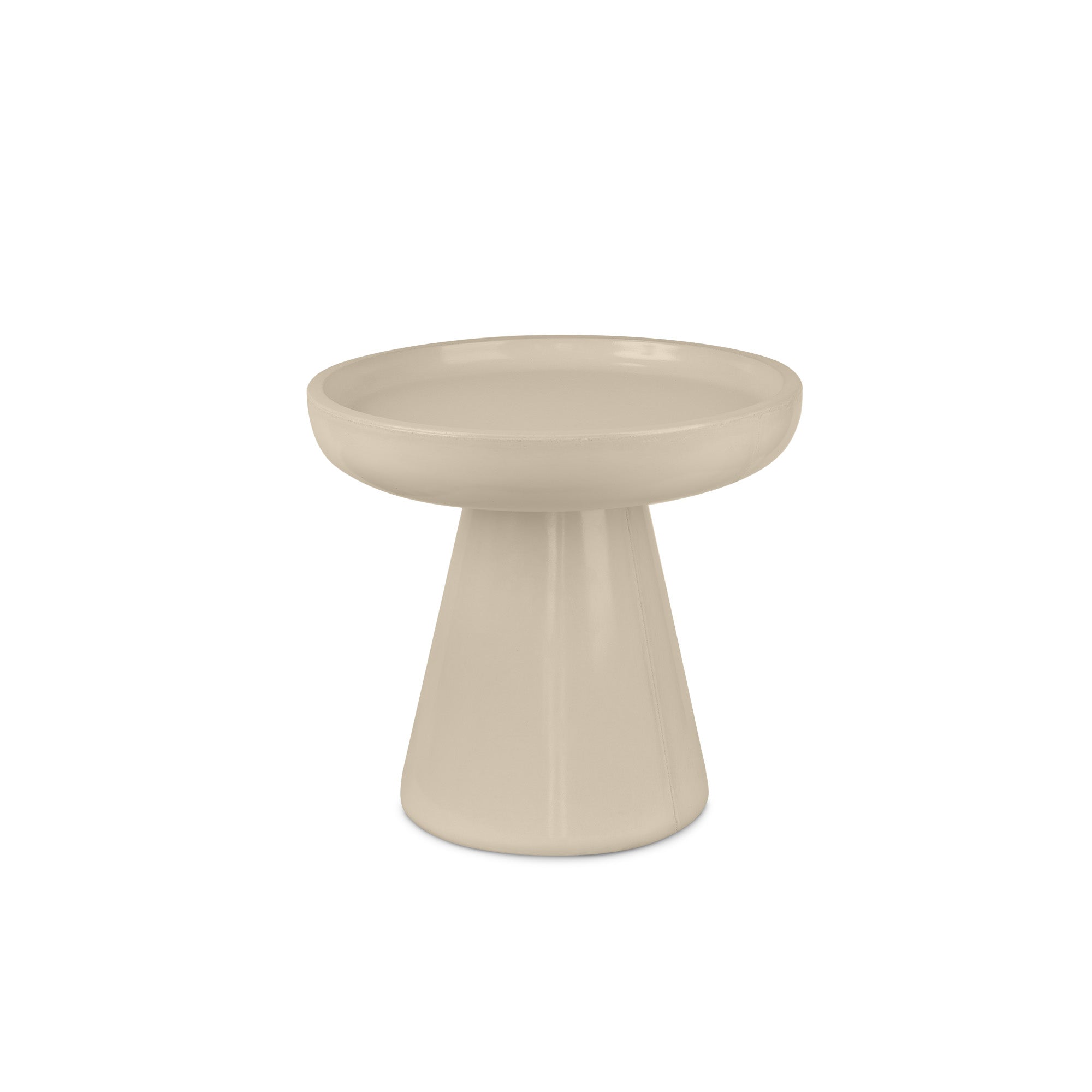
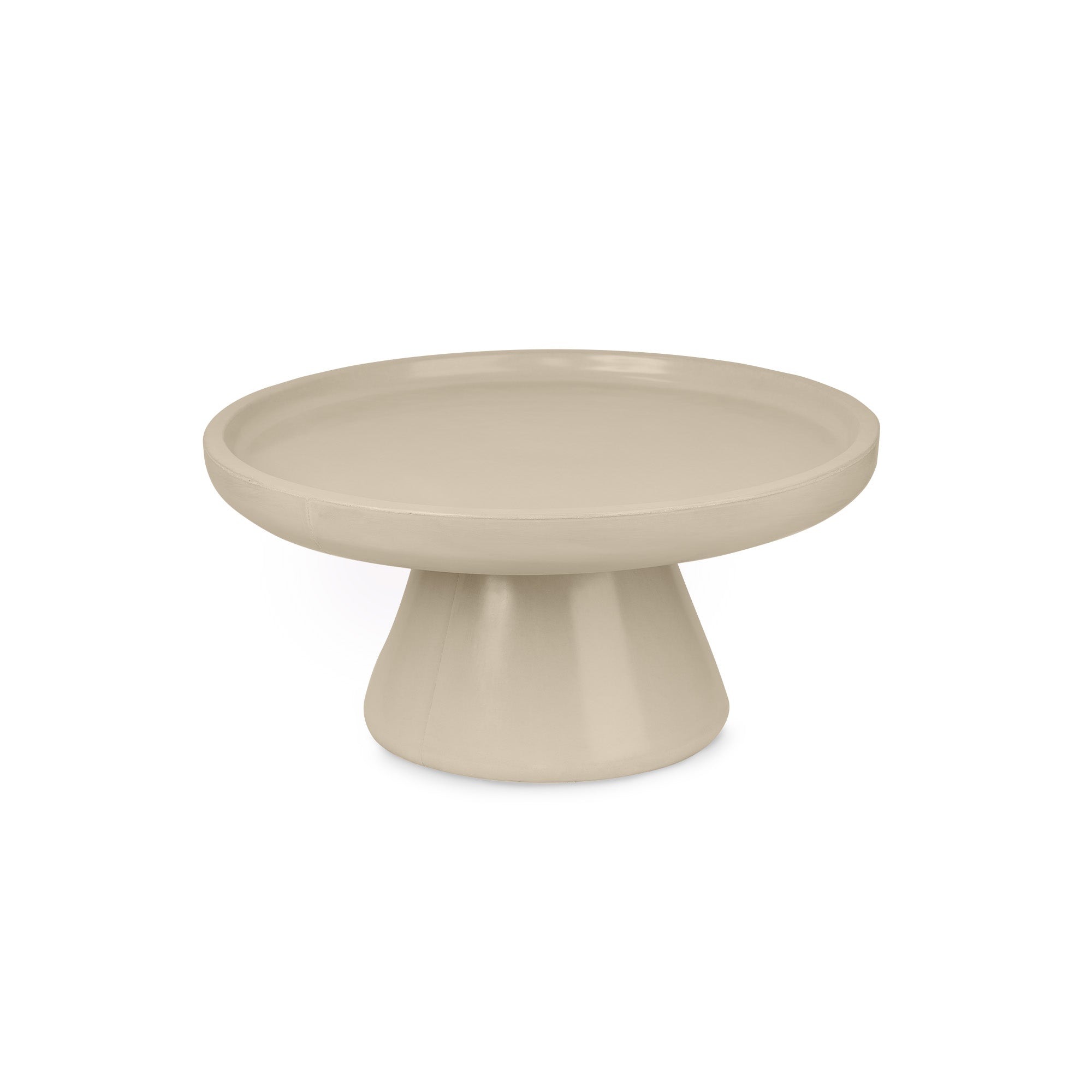
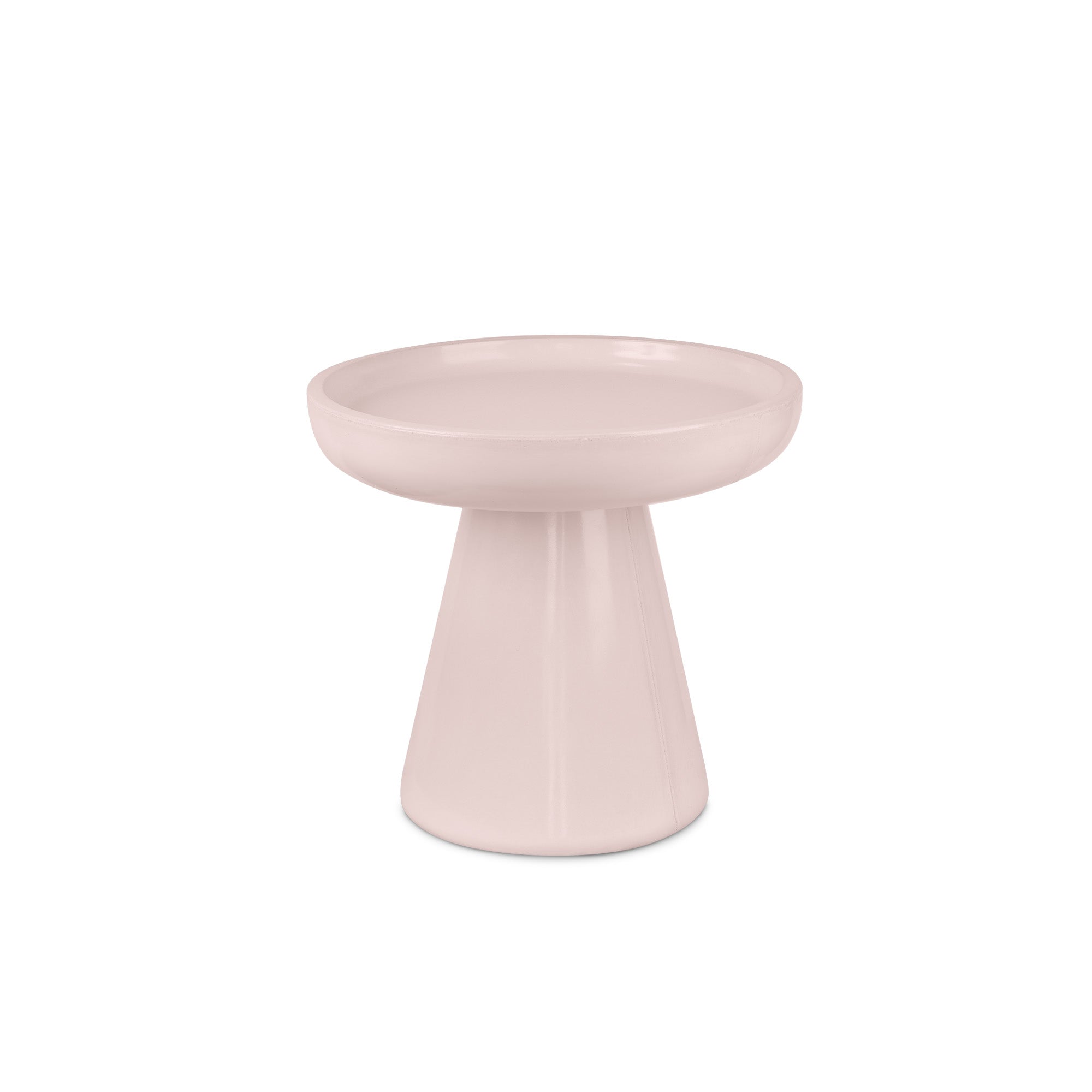
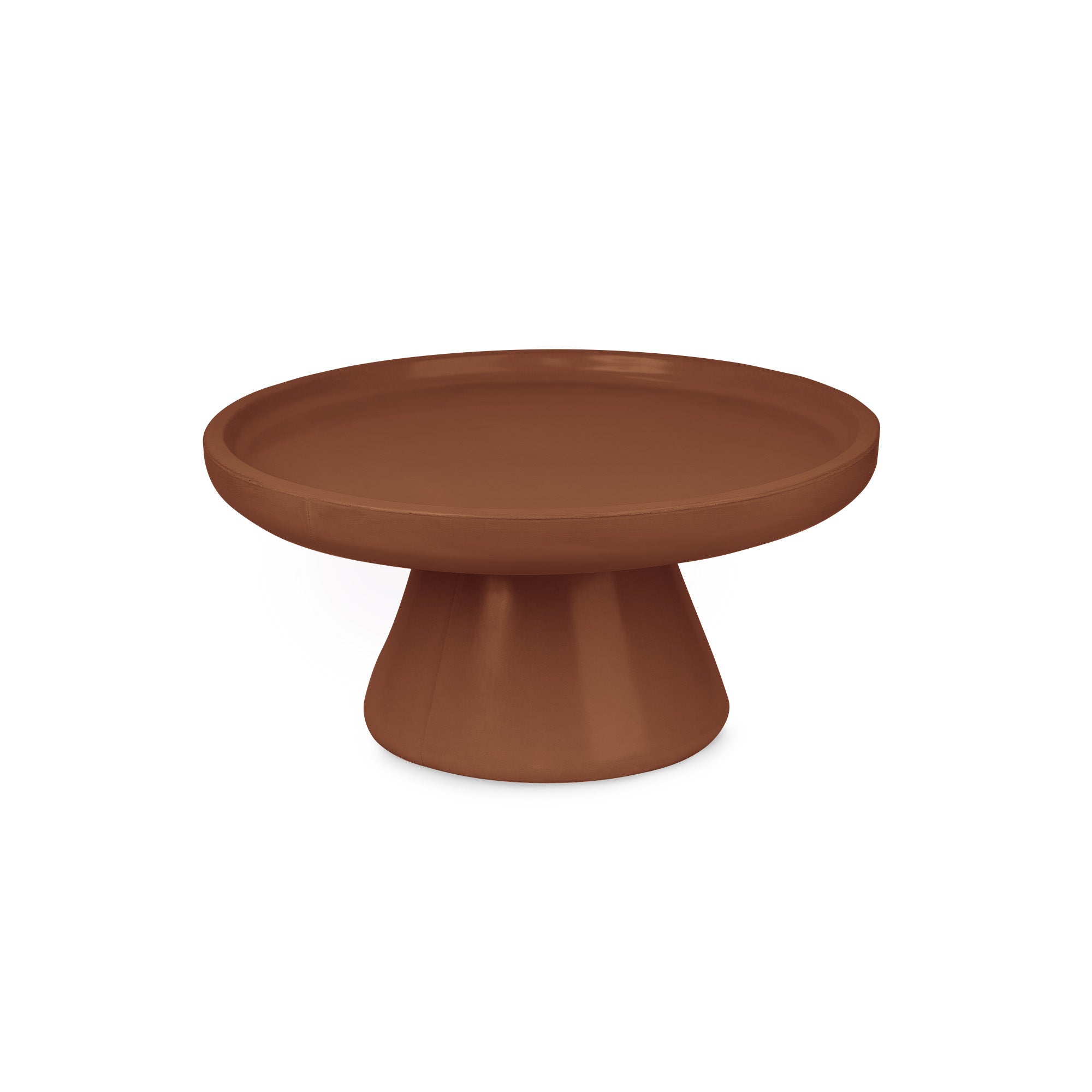
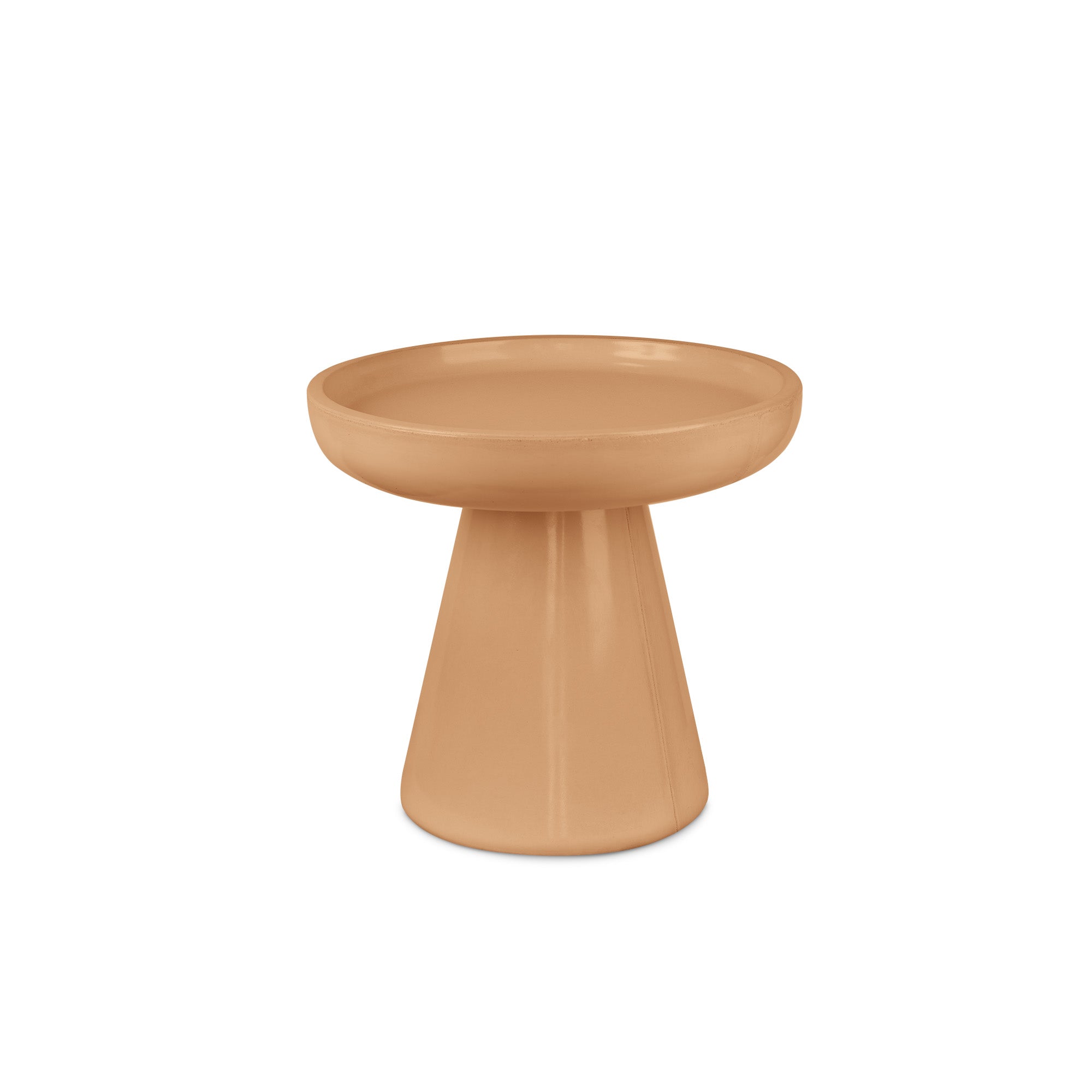
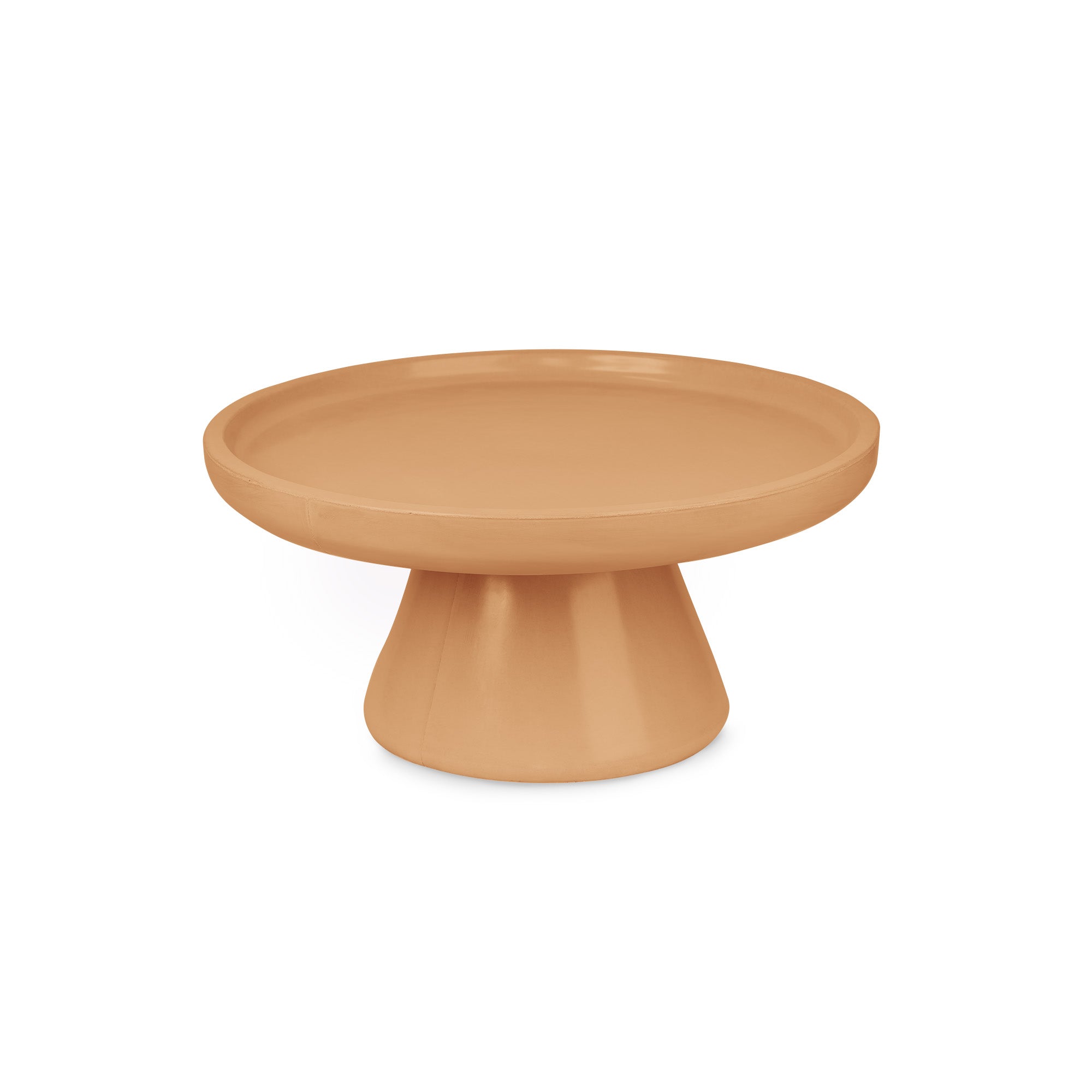
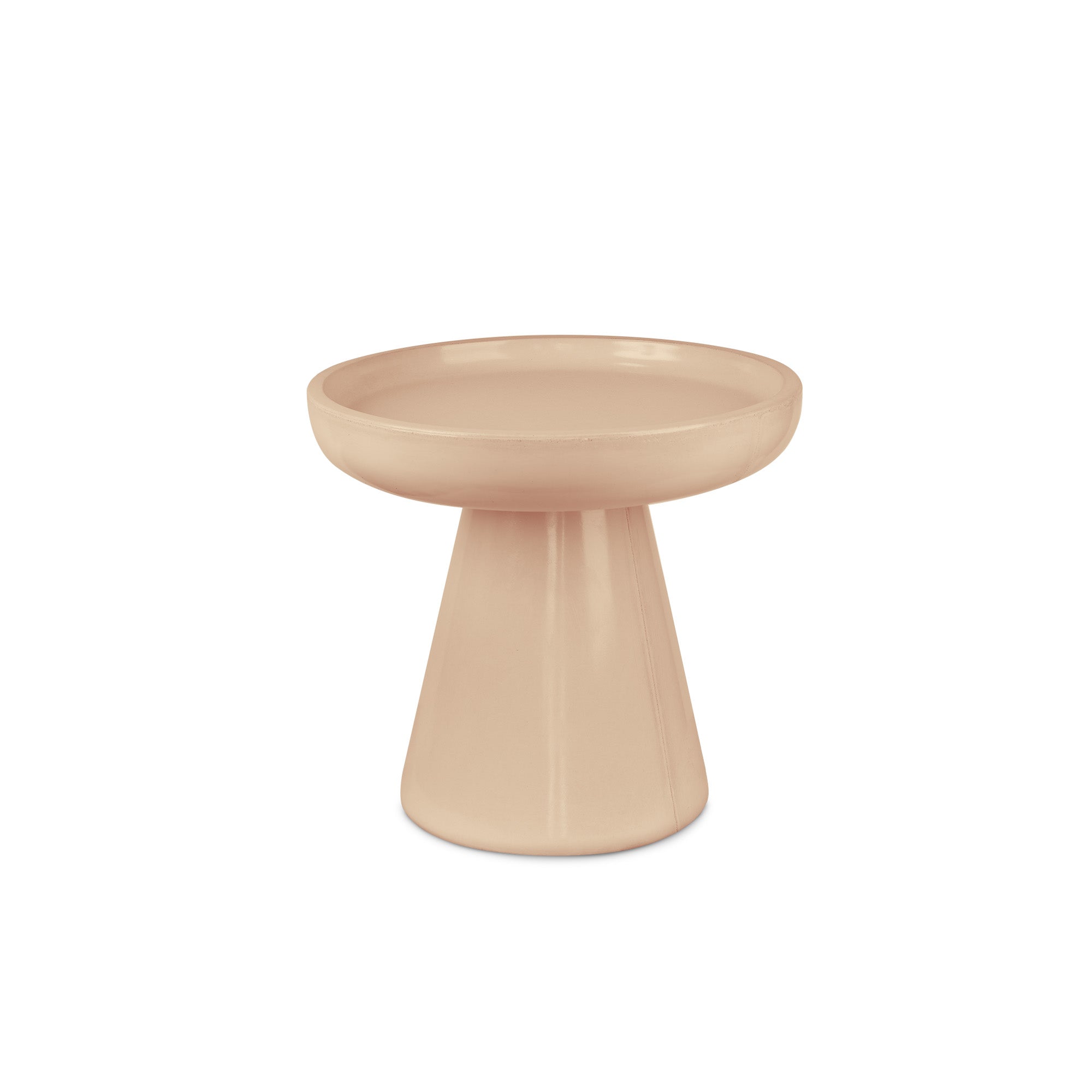
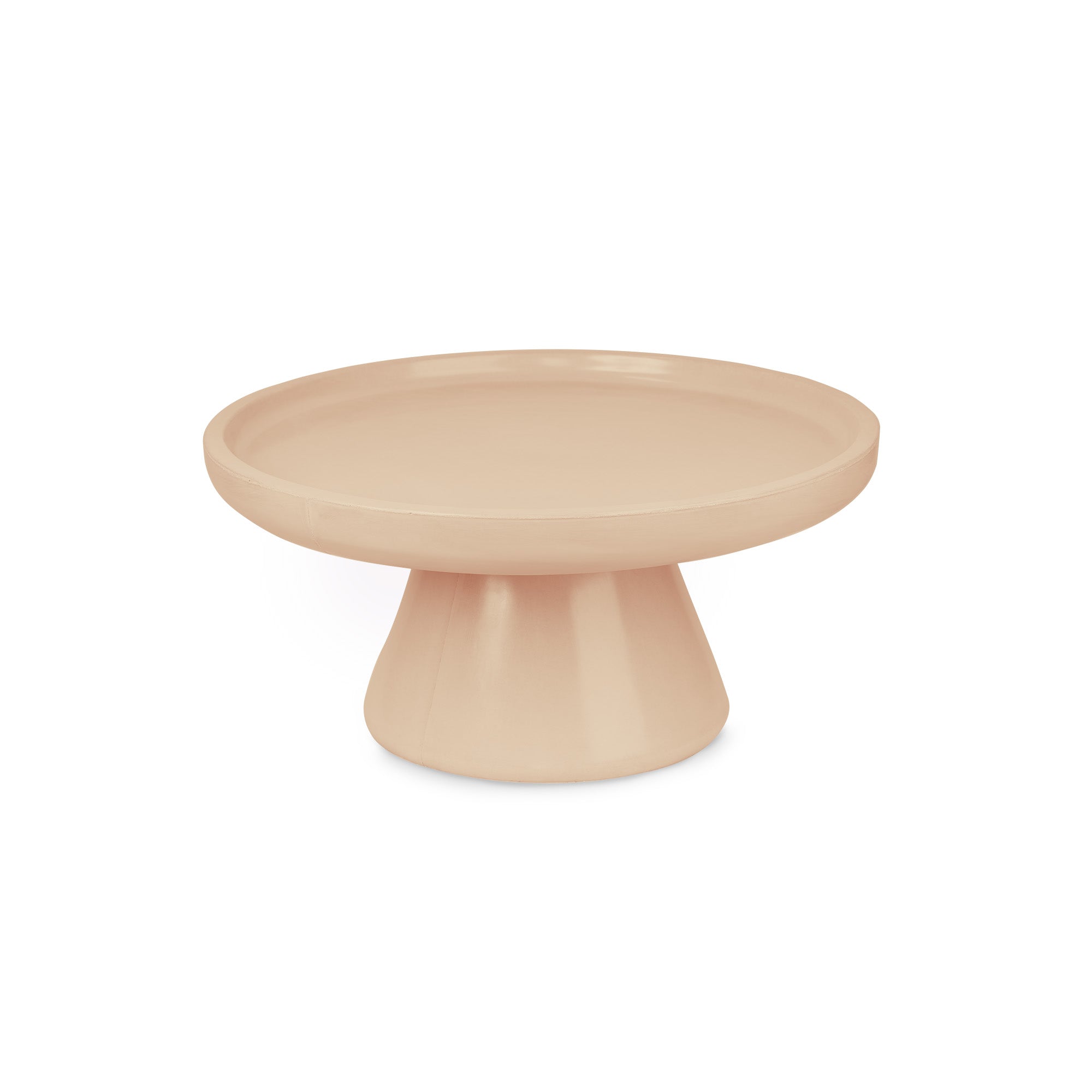
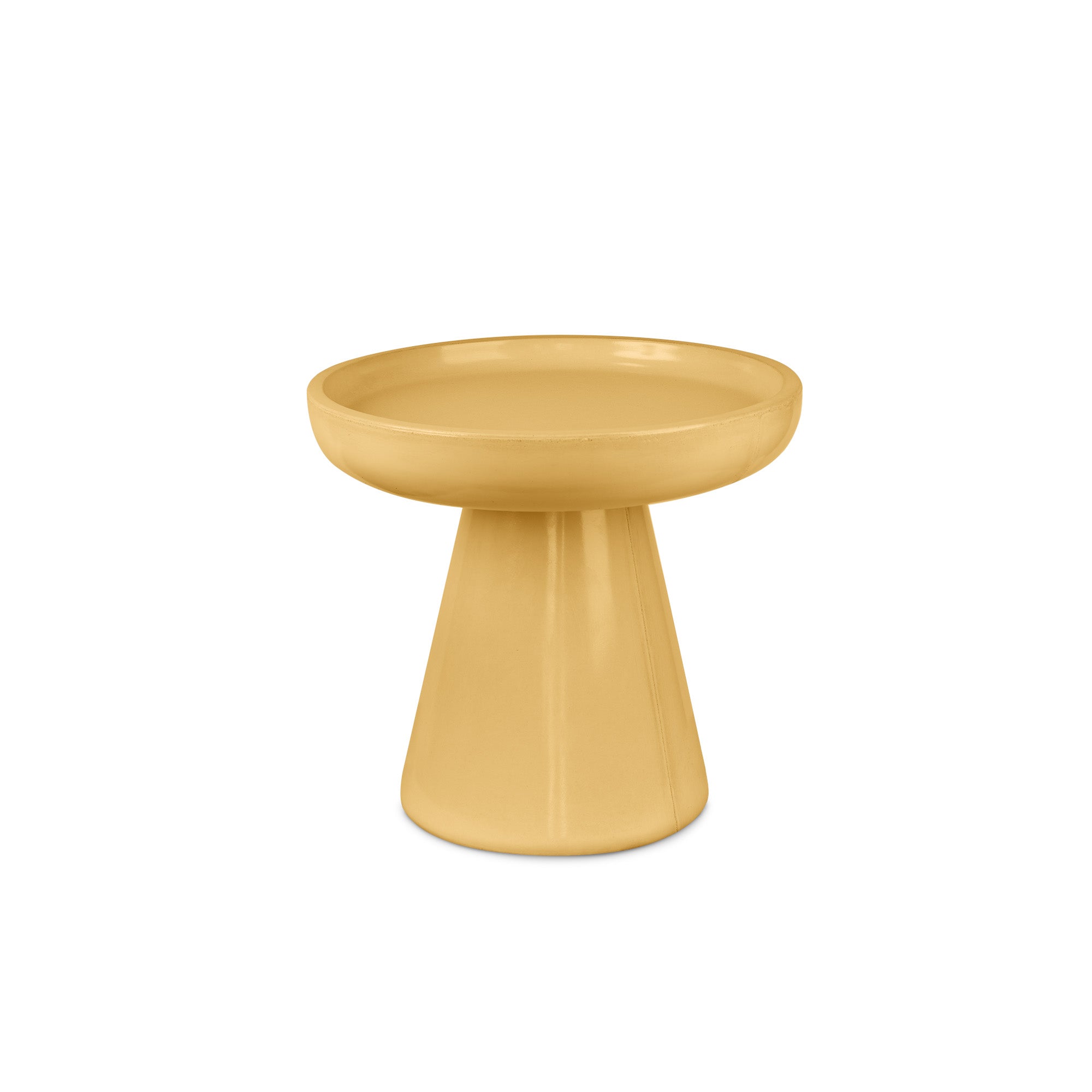
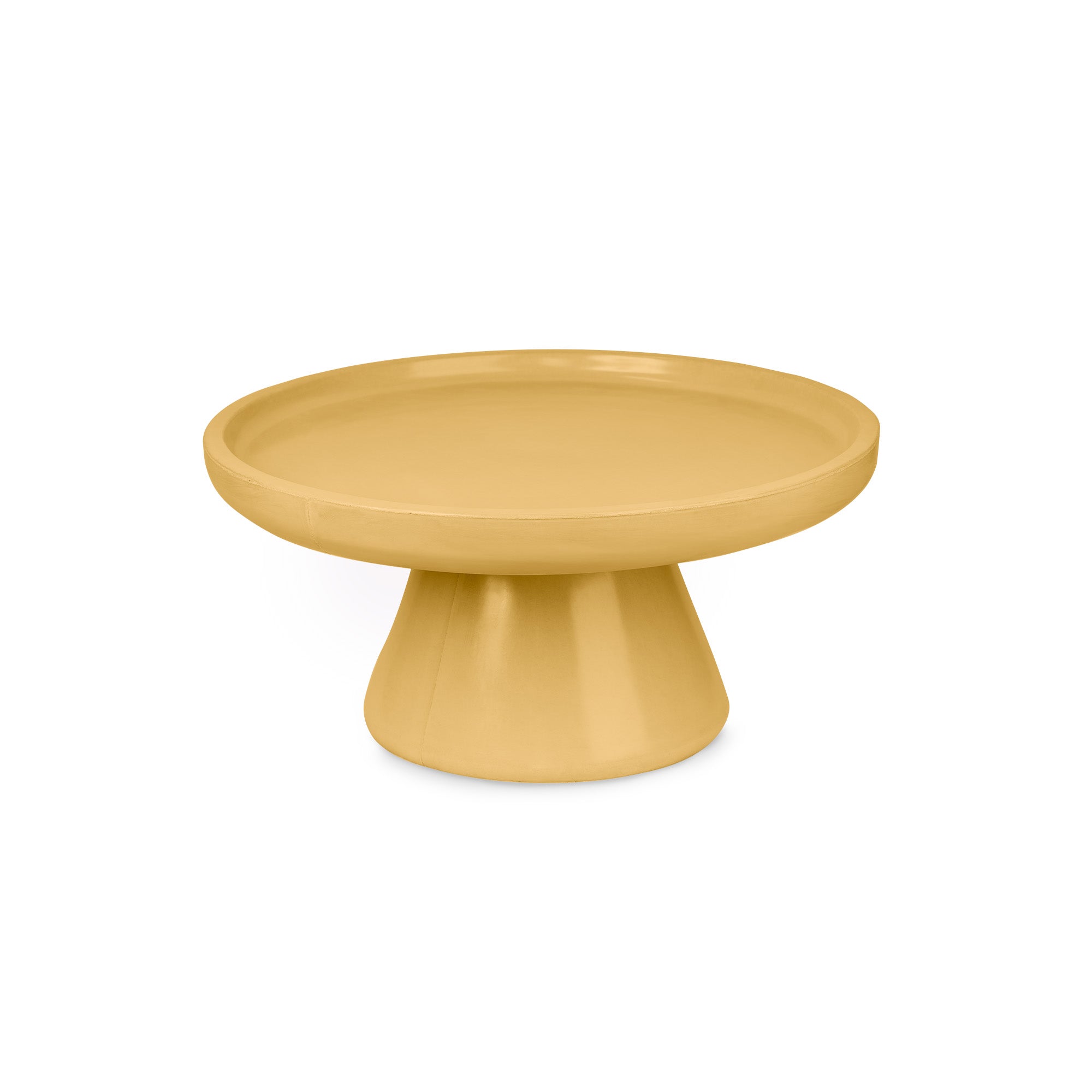
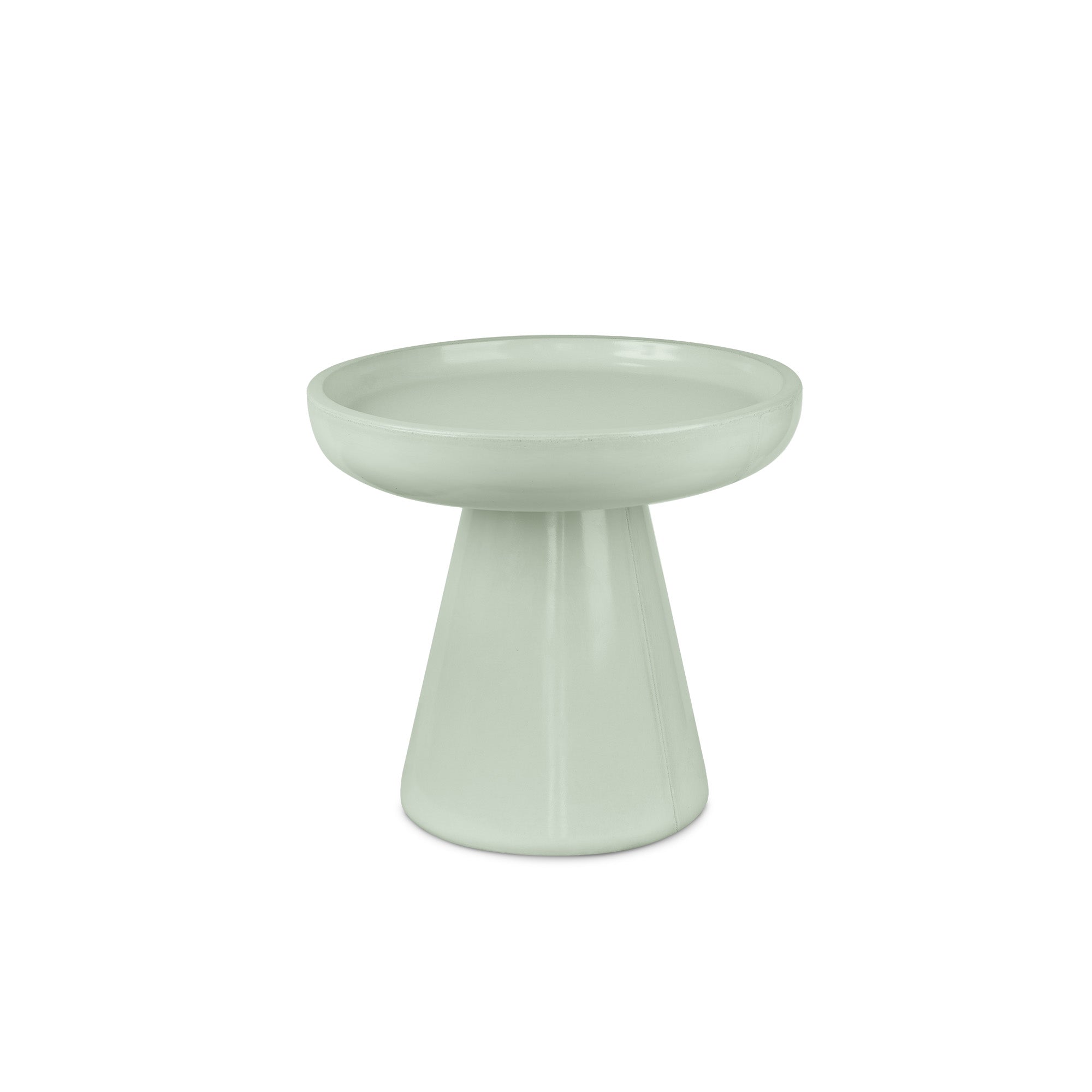
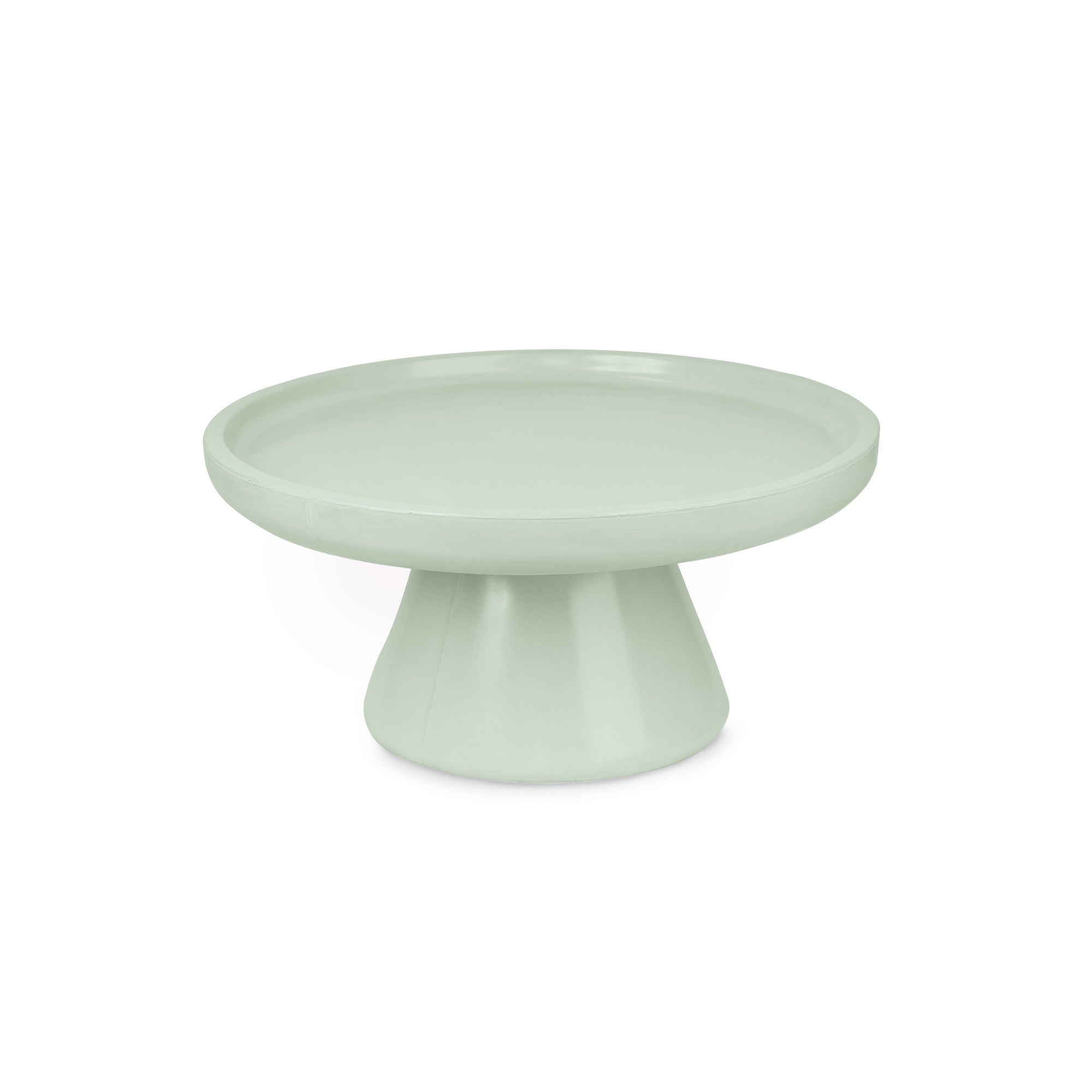
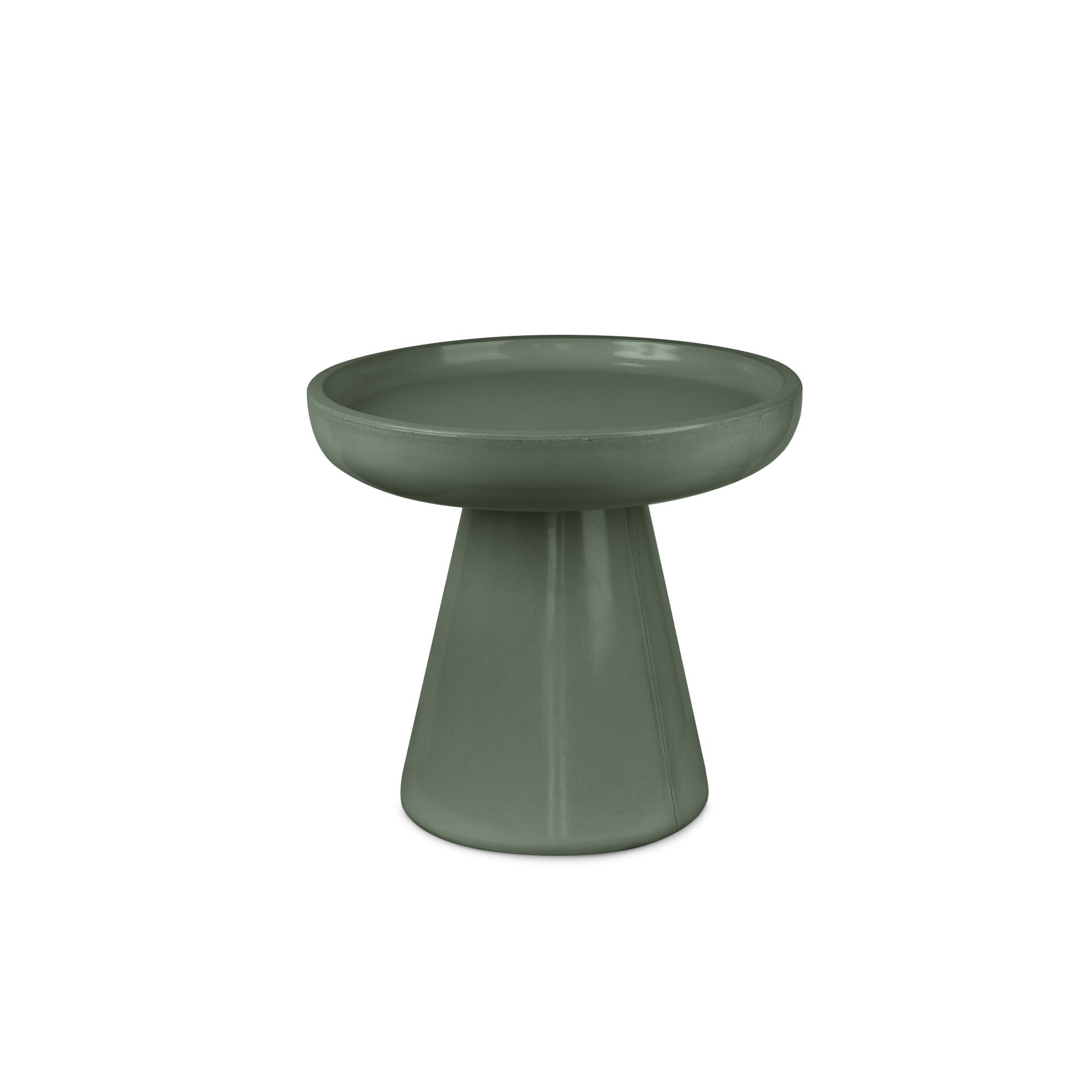
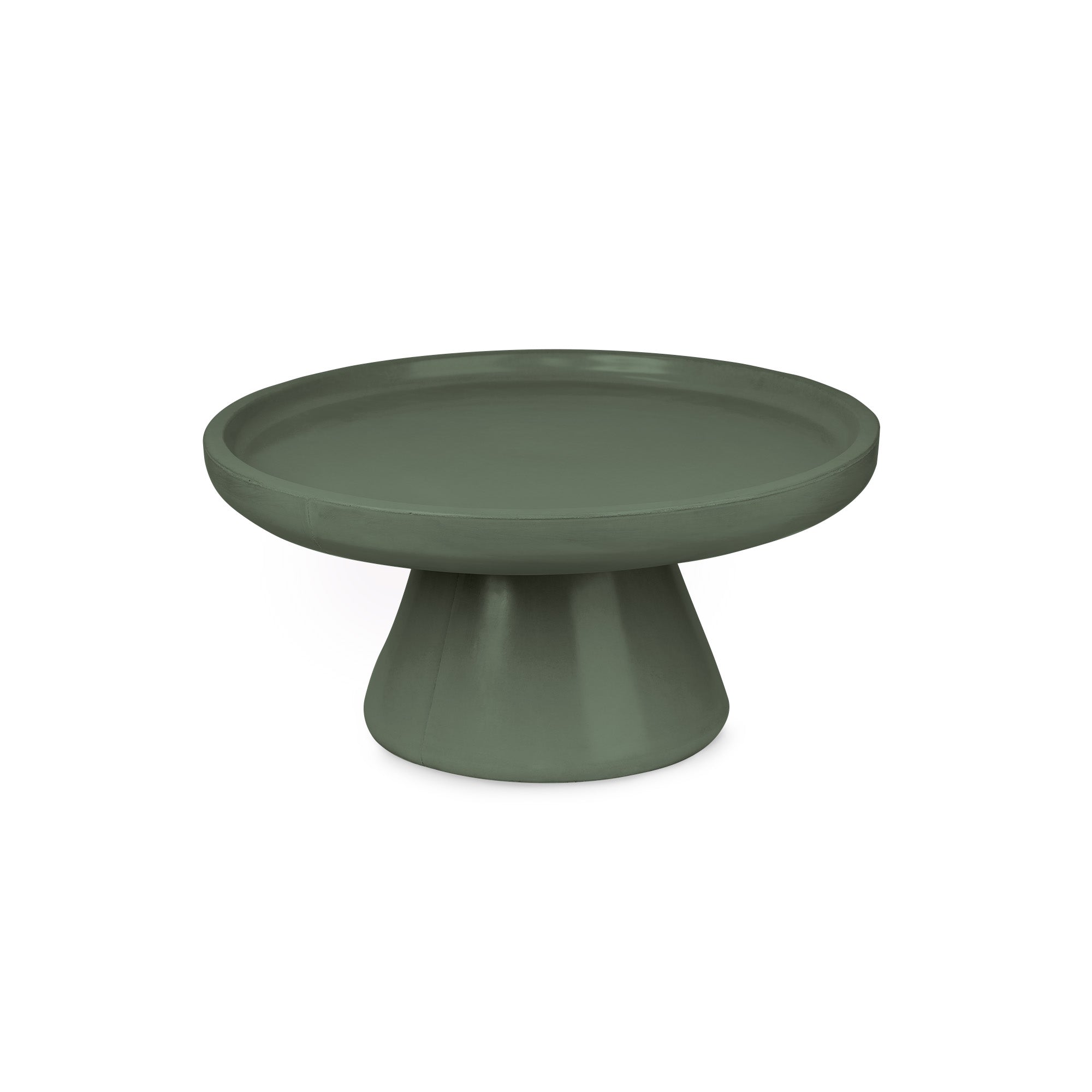
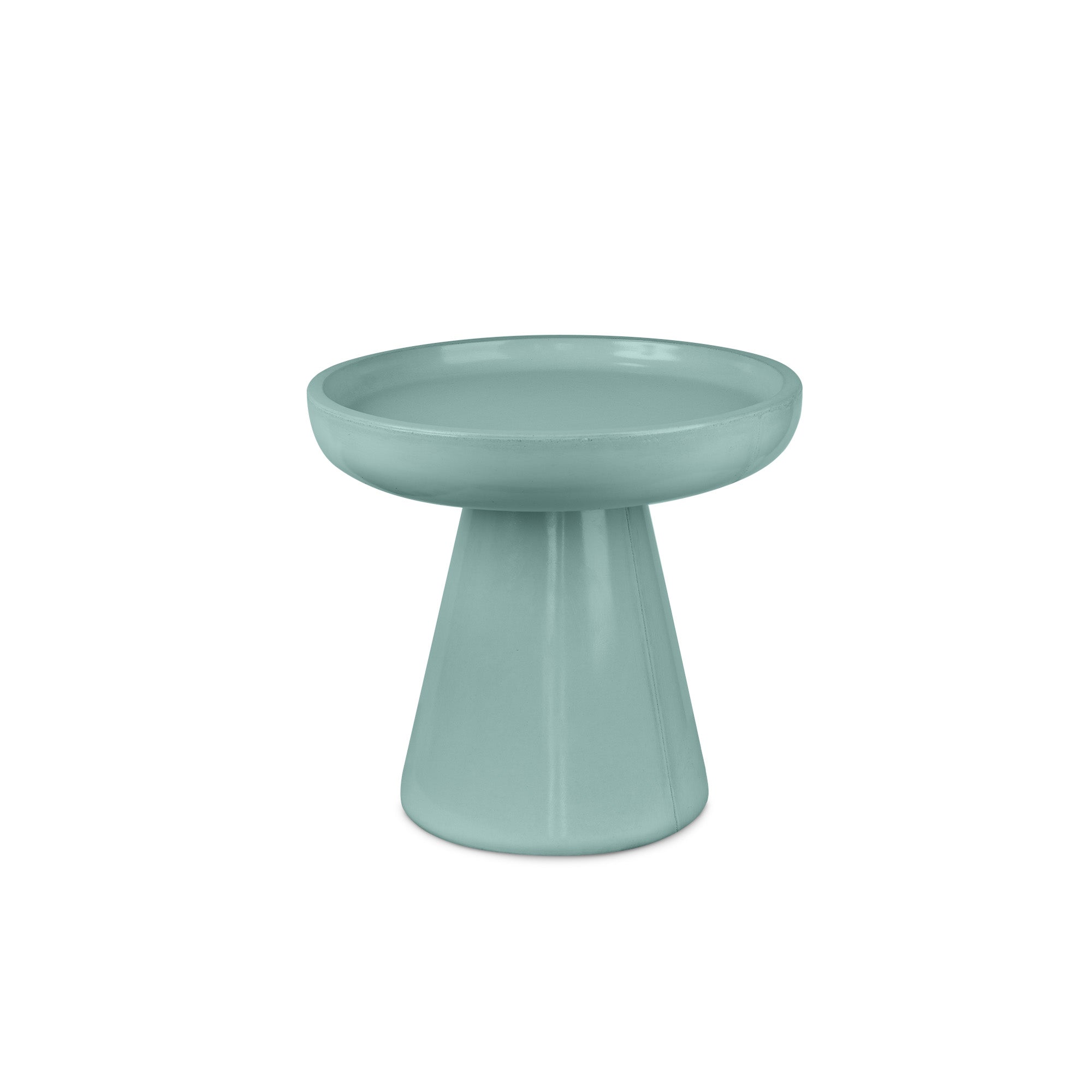
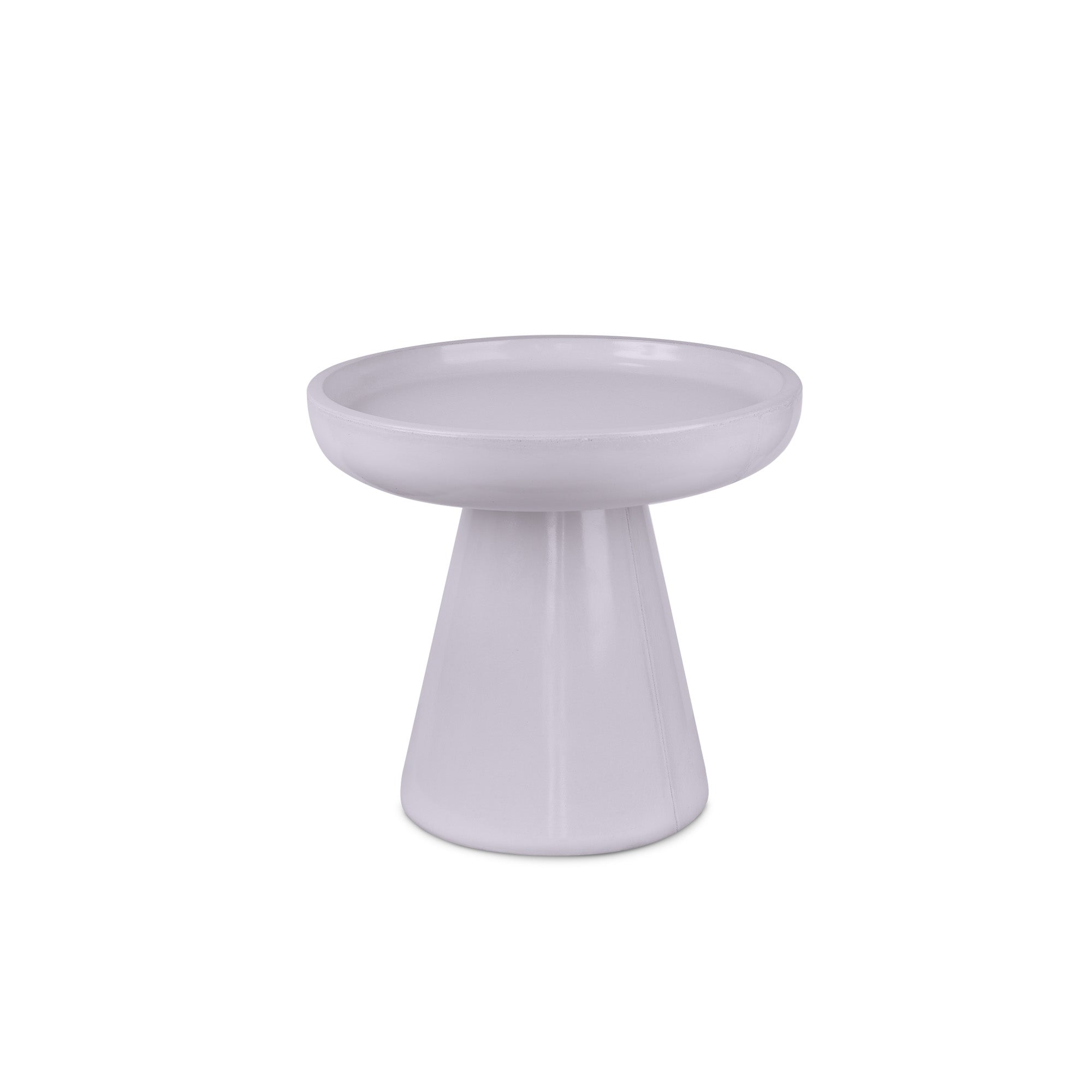
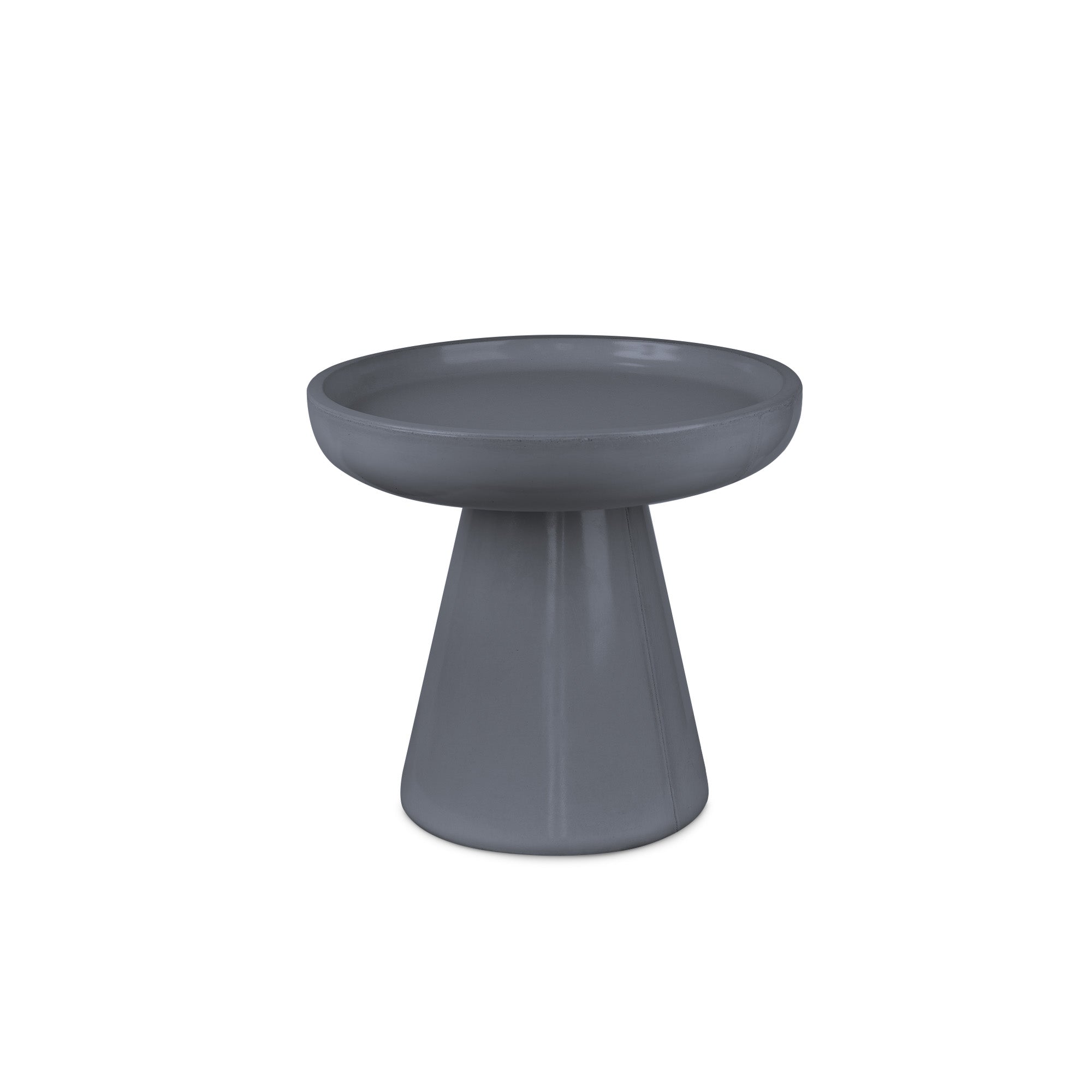
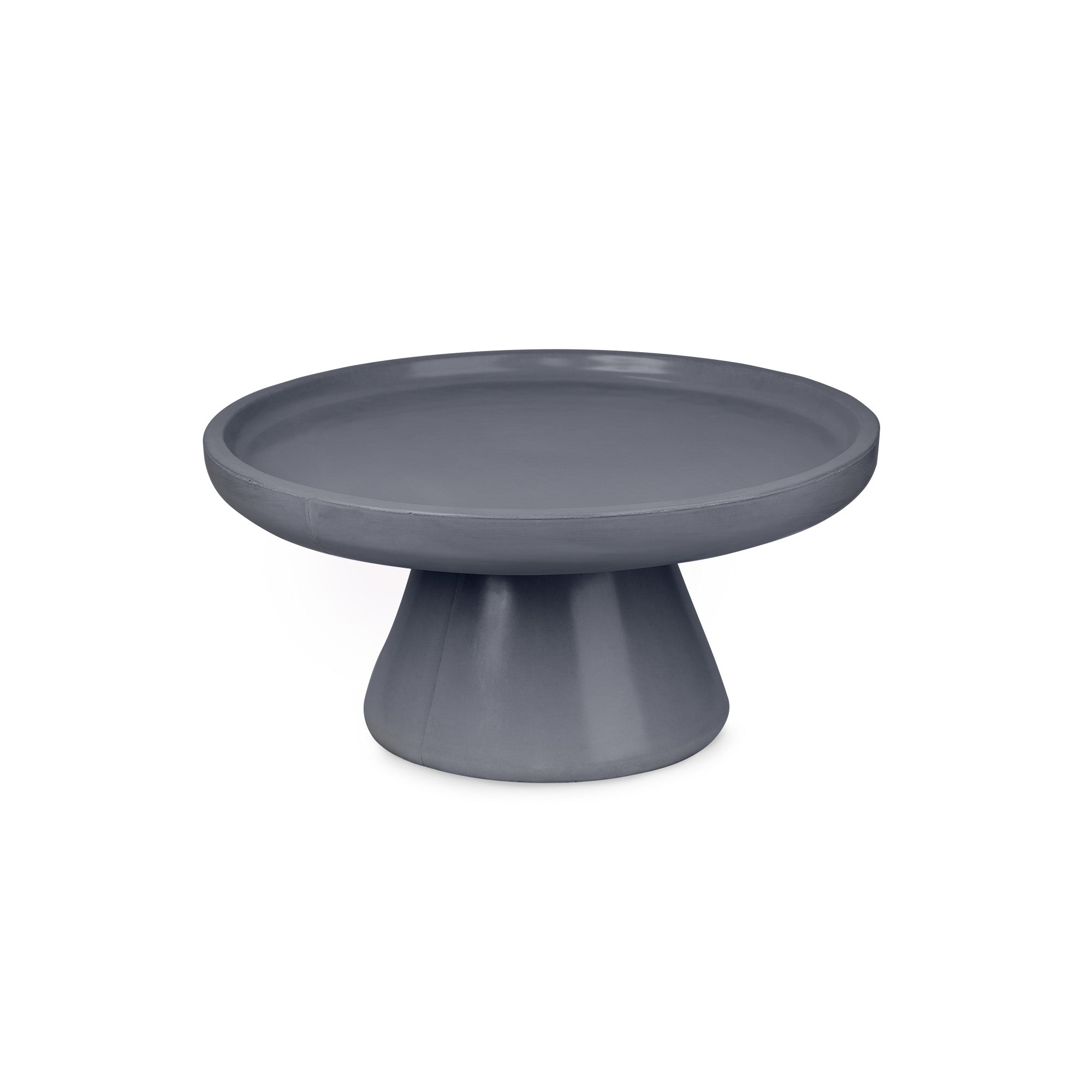
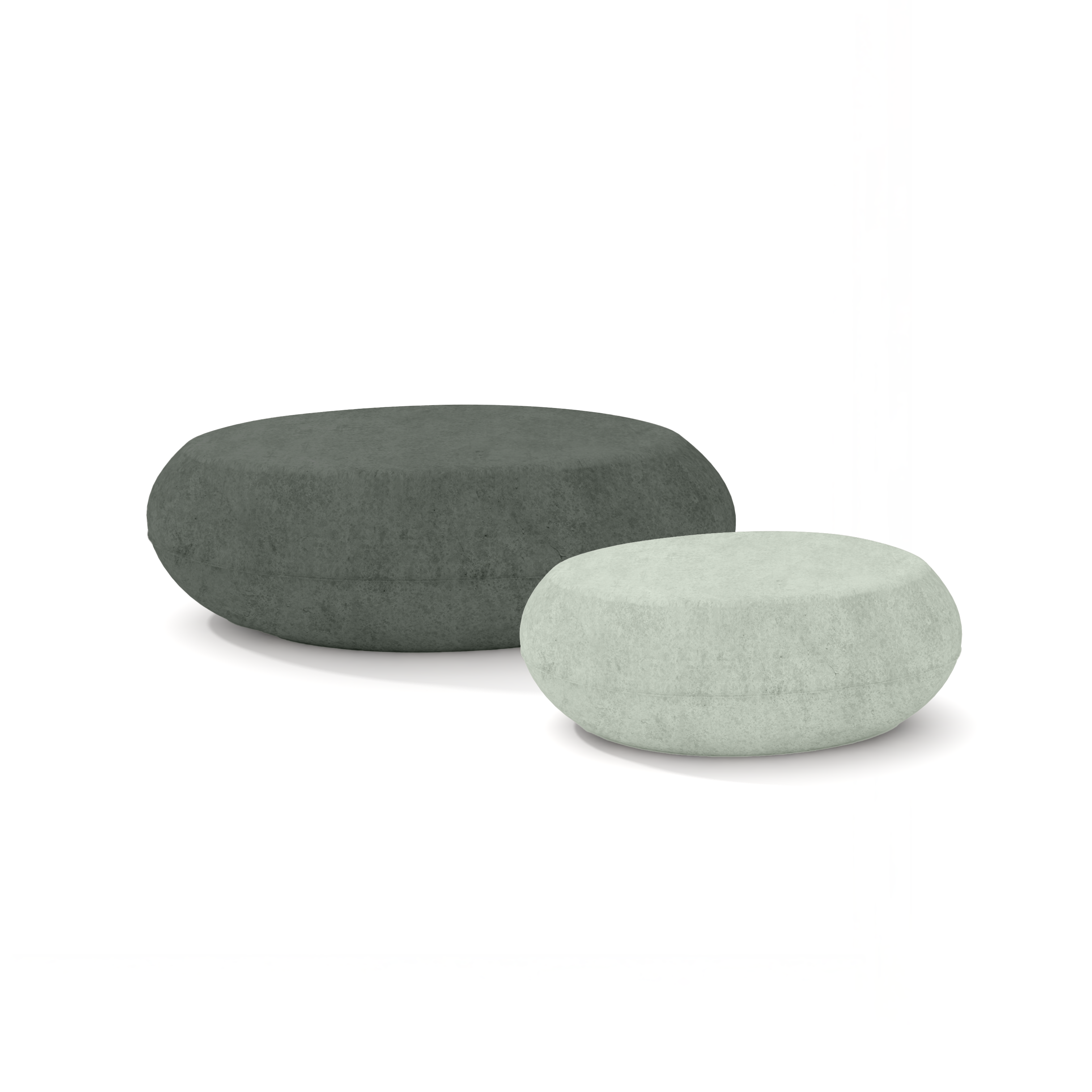
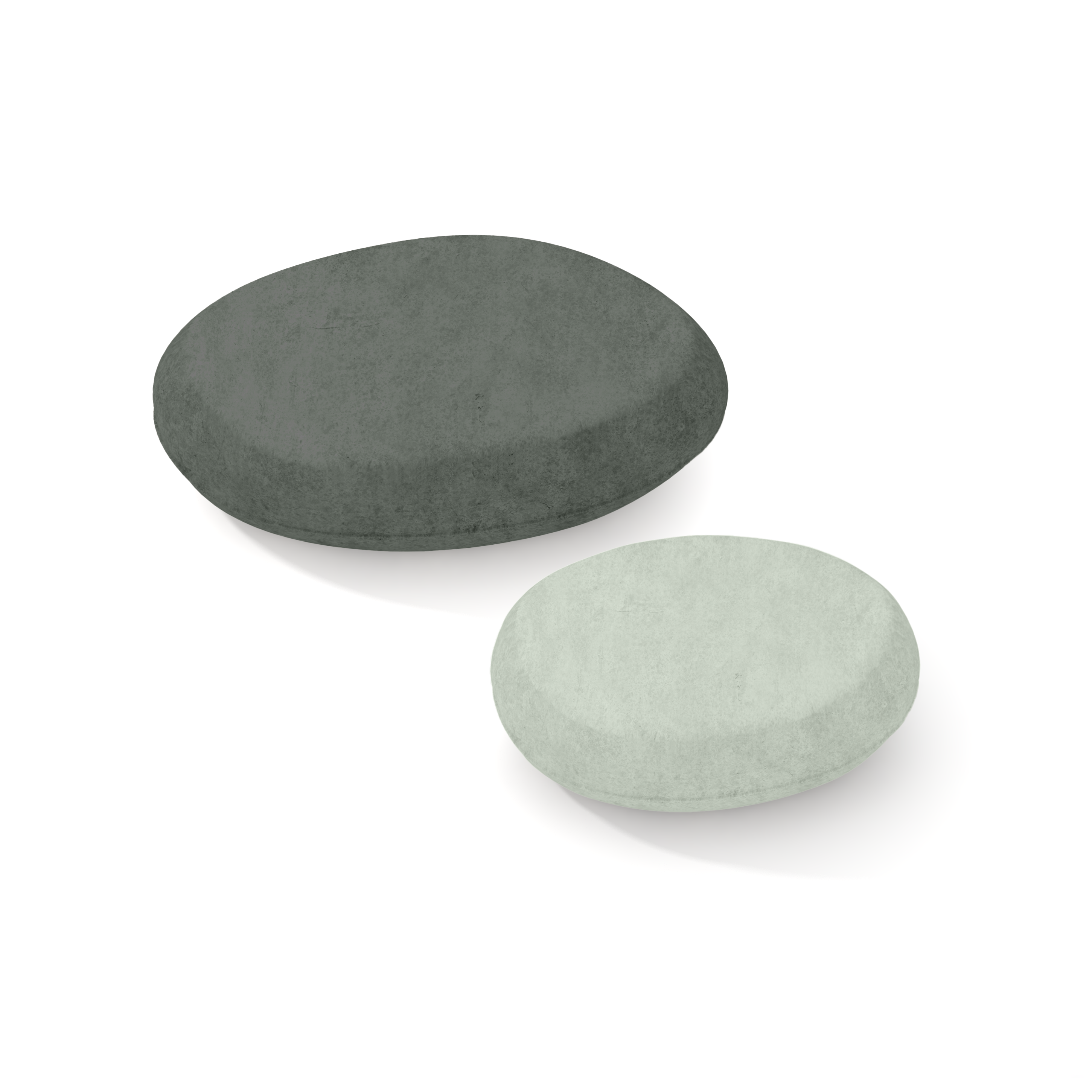
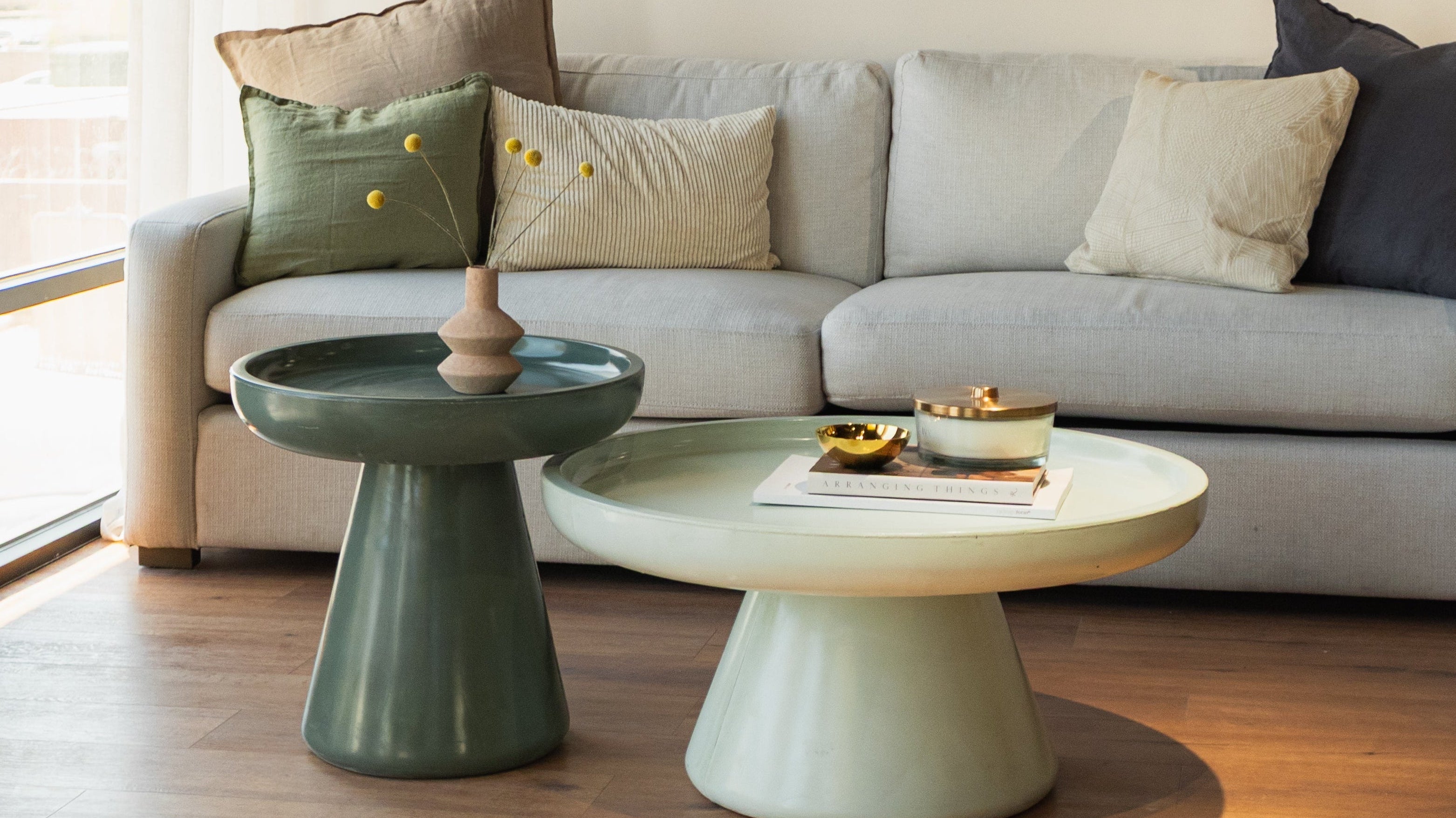
The Grove Coffee Table works well in this way because it can be paired as a set or used on its own. This gives you more options as your space changes, whether you are styling a main seating area or adding a surface near an accent chair

Consider the Shape, Layout, and Setting
The best coffee table shape depends on the size of the space, how the seating is arranged, and where it will be used.
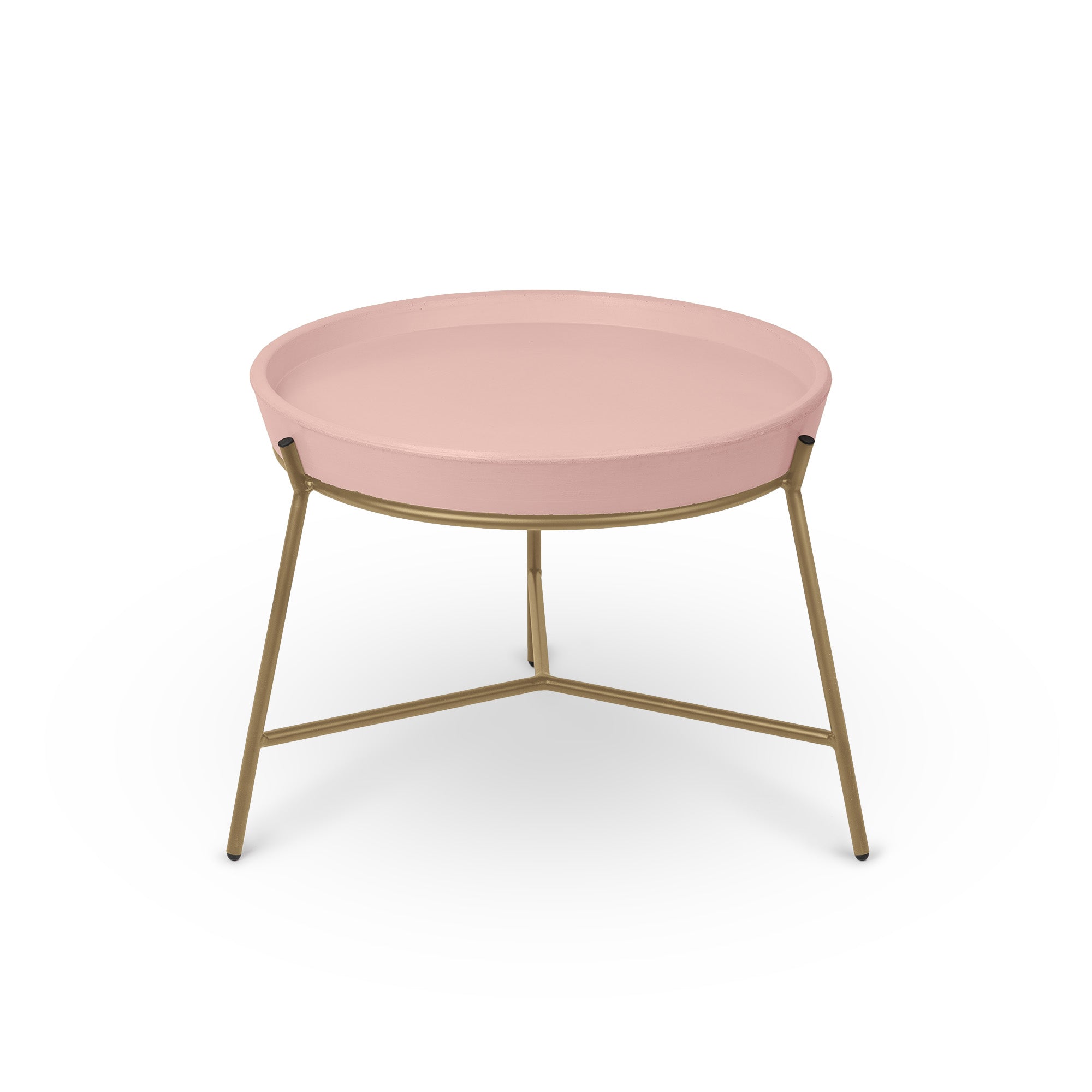
Round coffee tables can improve movement in compact spaces by removing sharp corners and softening the overall layout. An open base also allows more of the floor to remain visible, making the room feel less crowded.
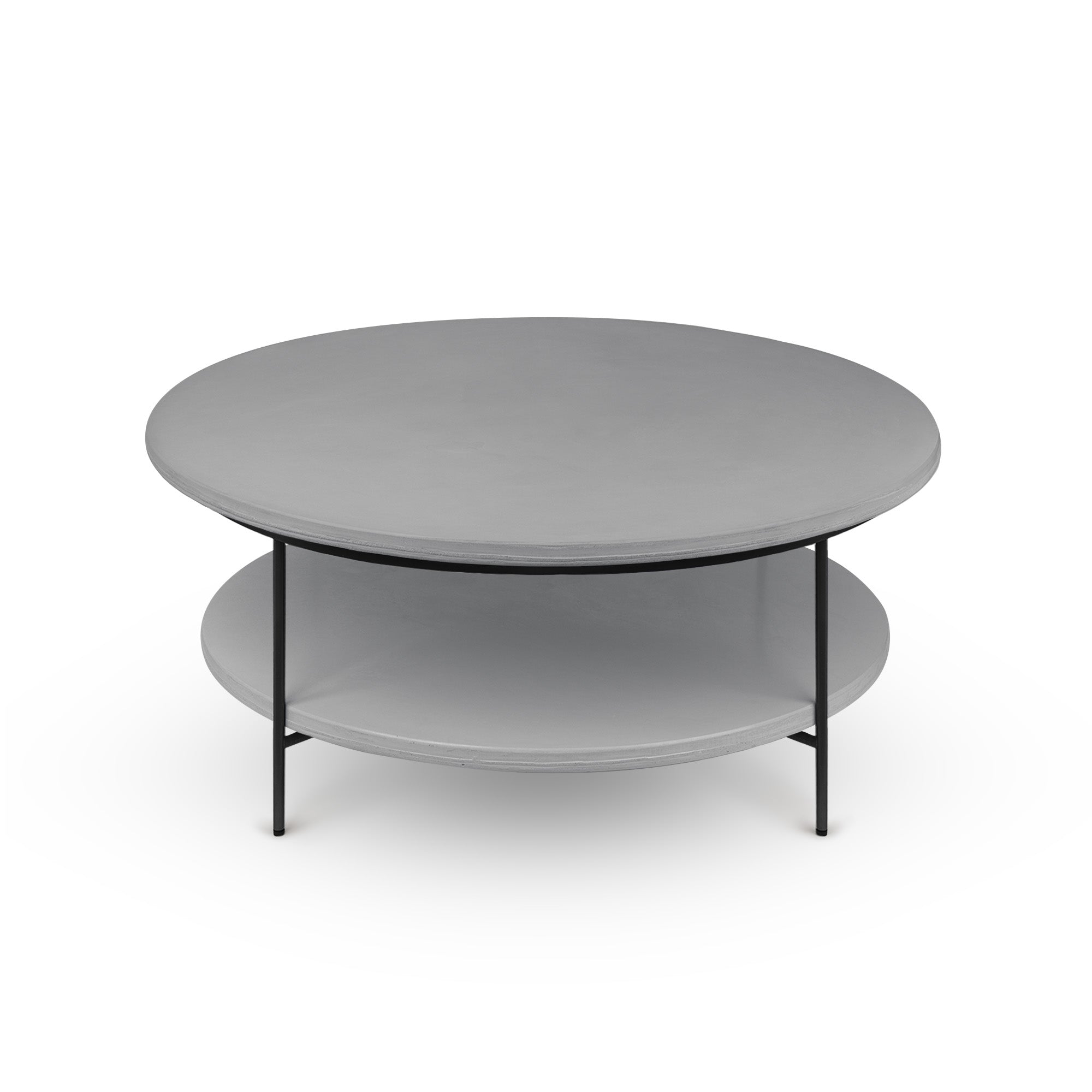
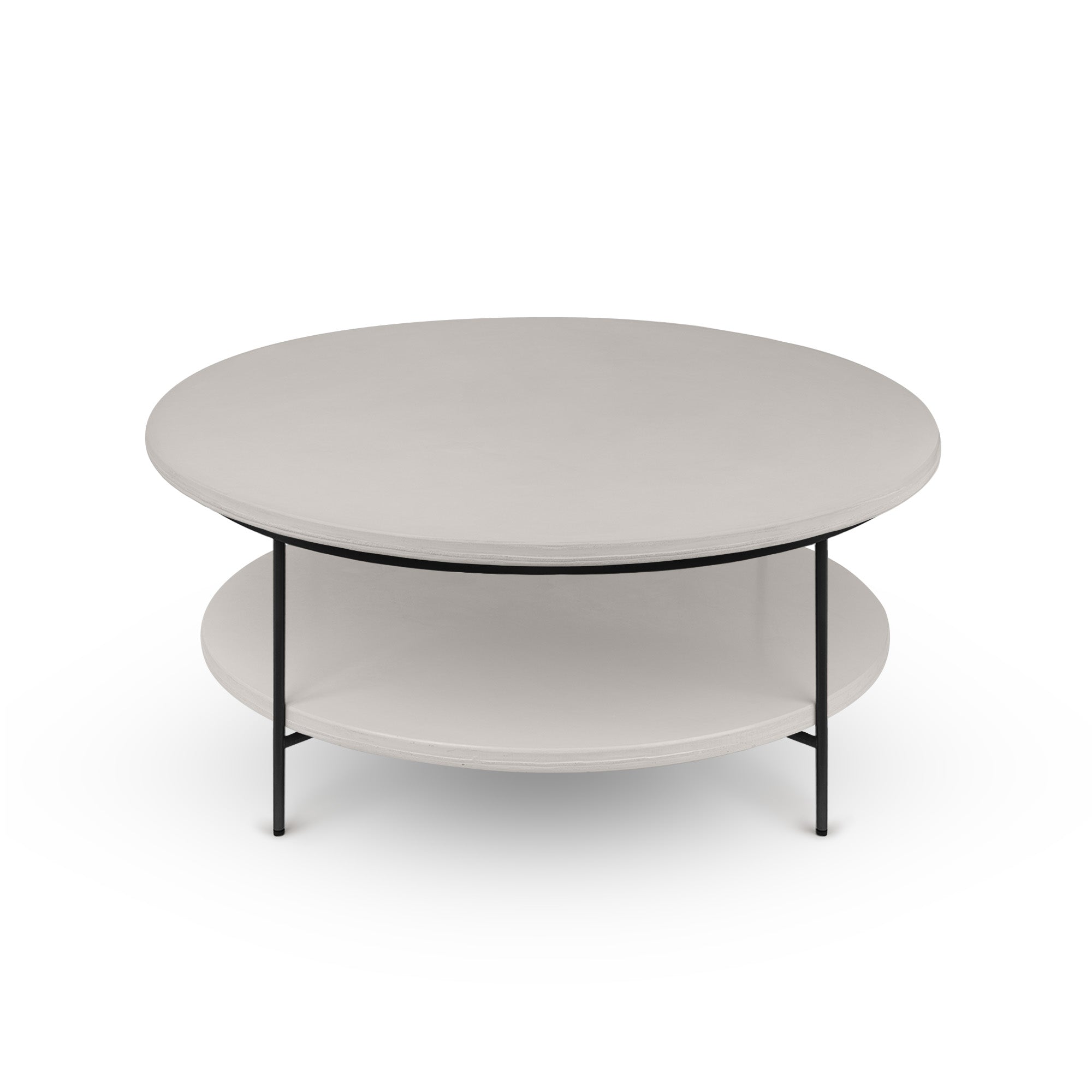
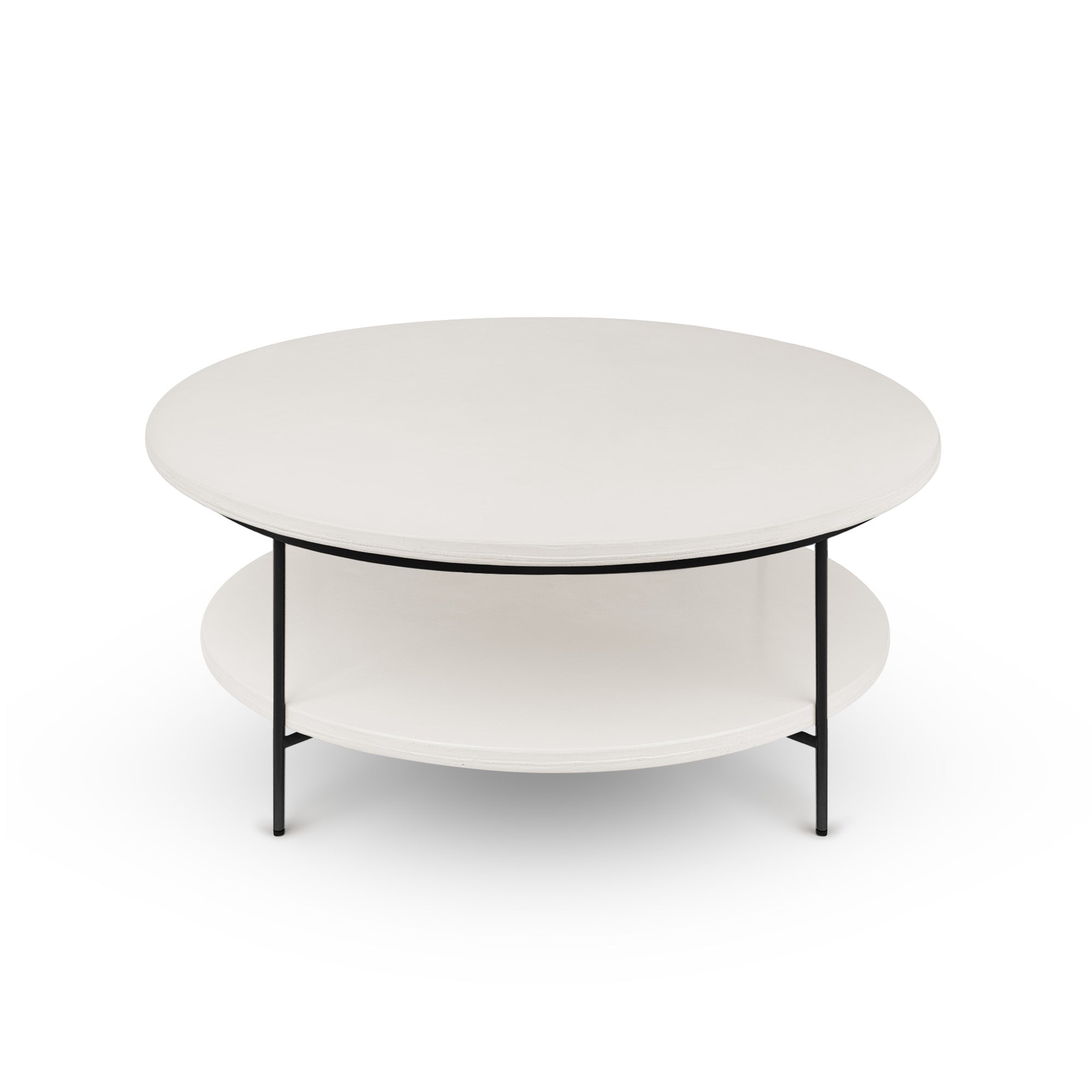
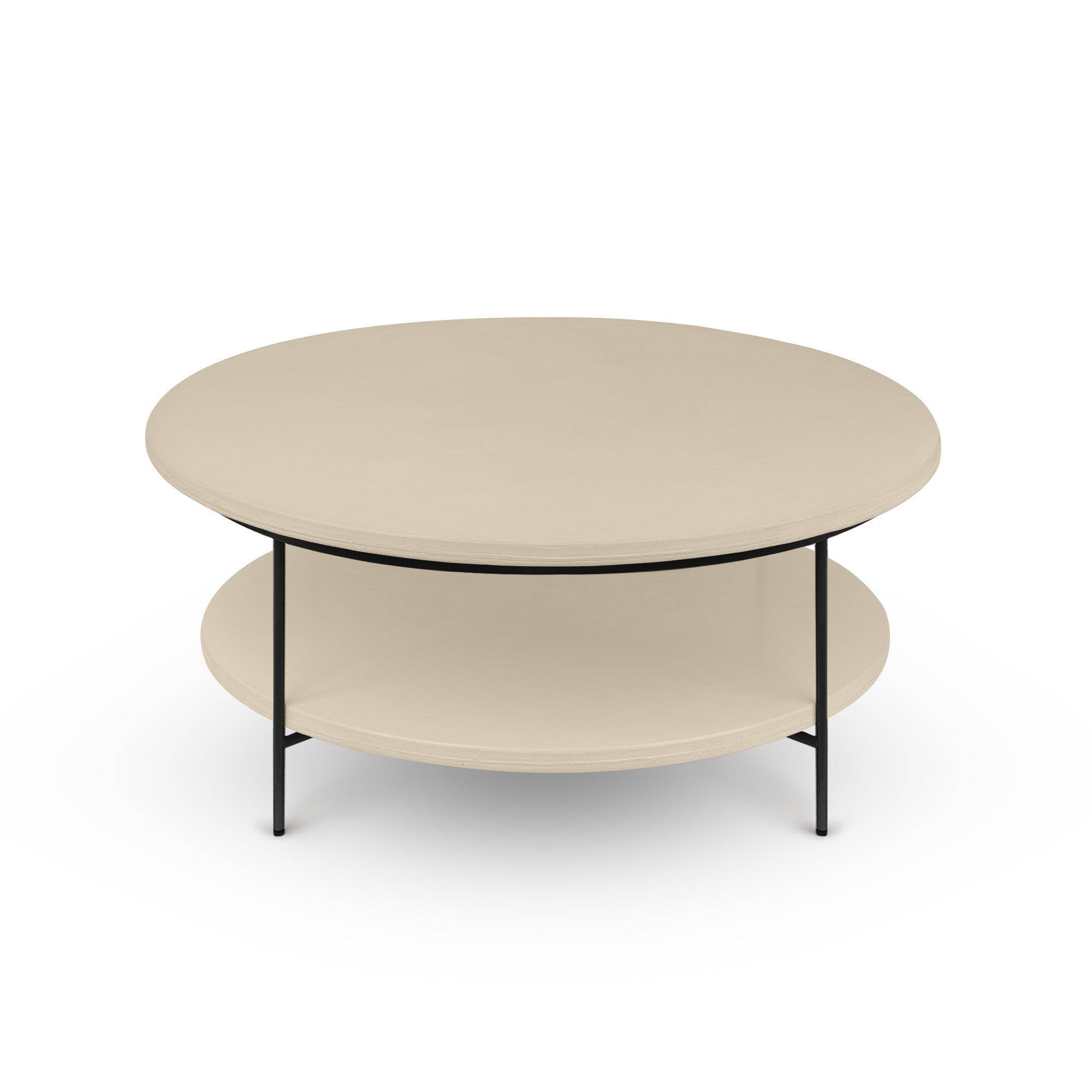
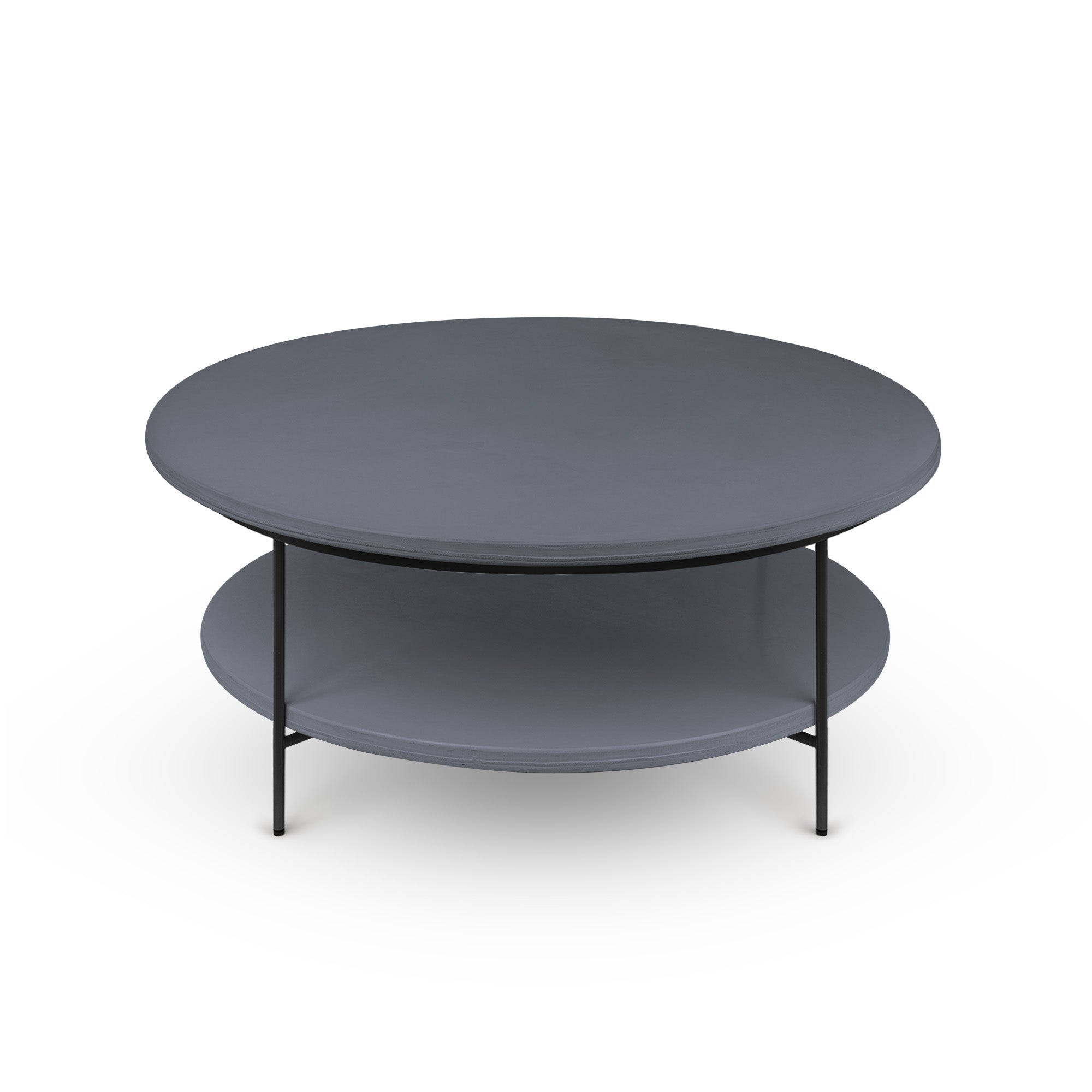
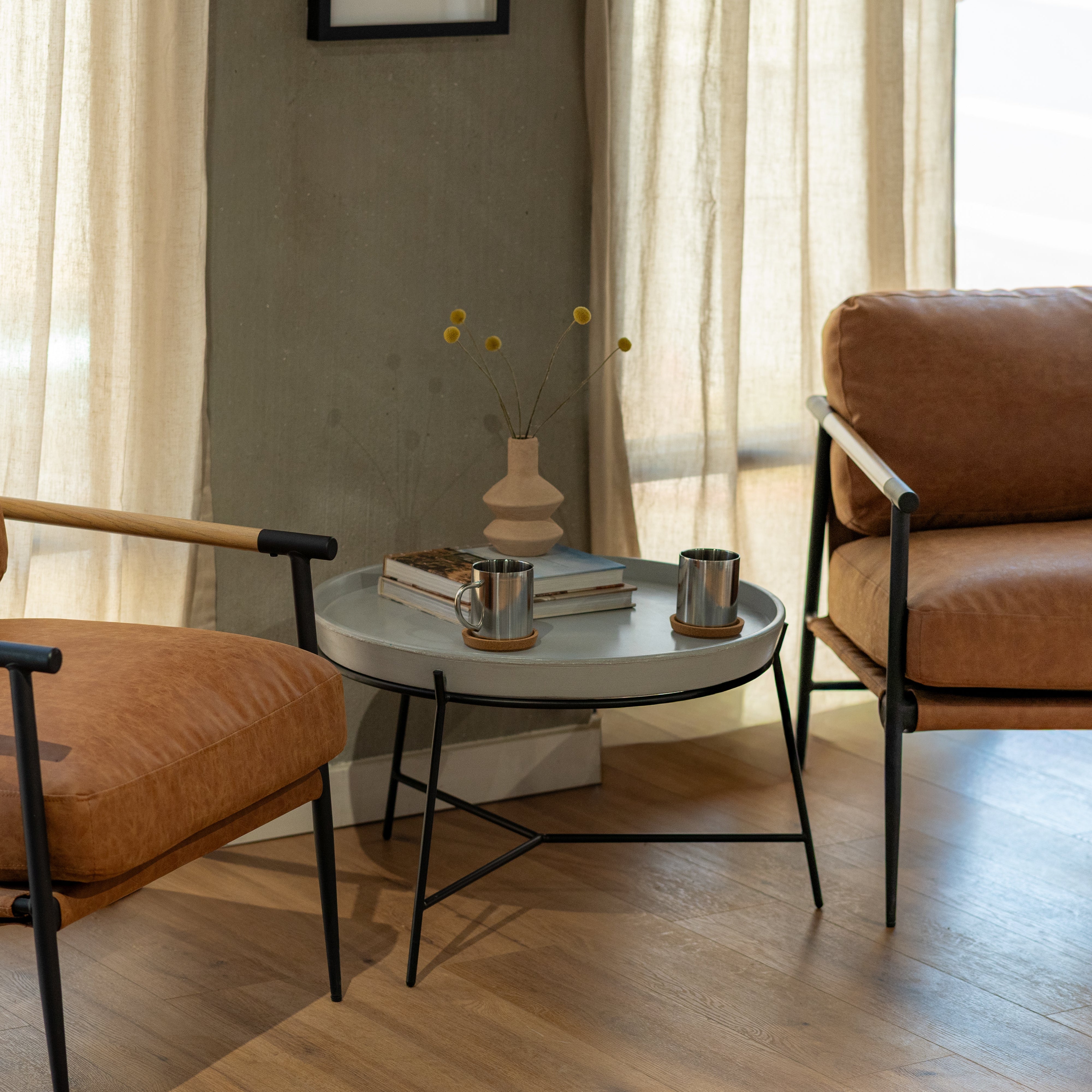
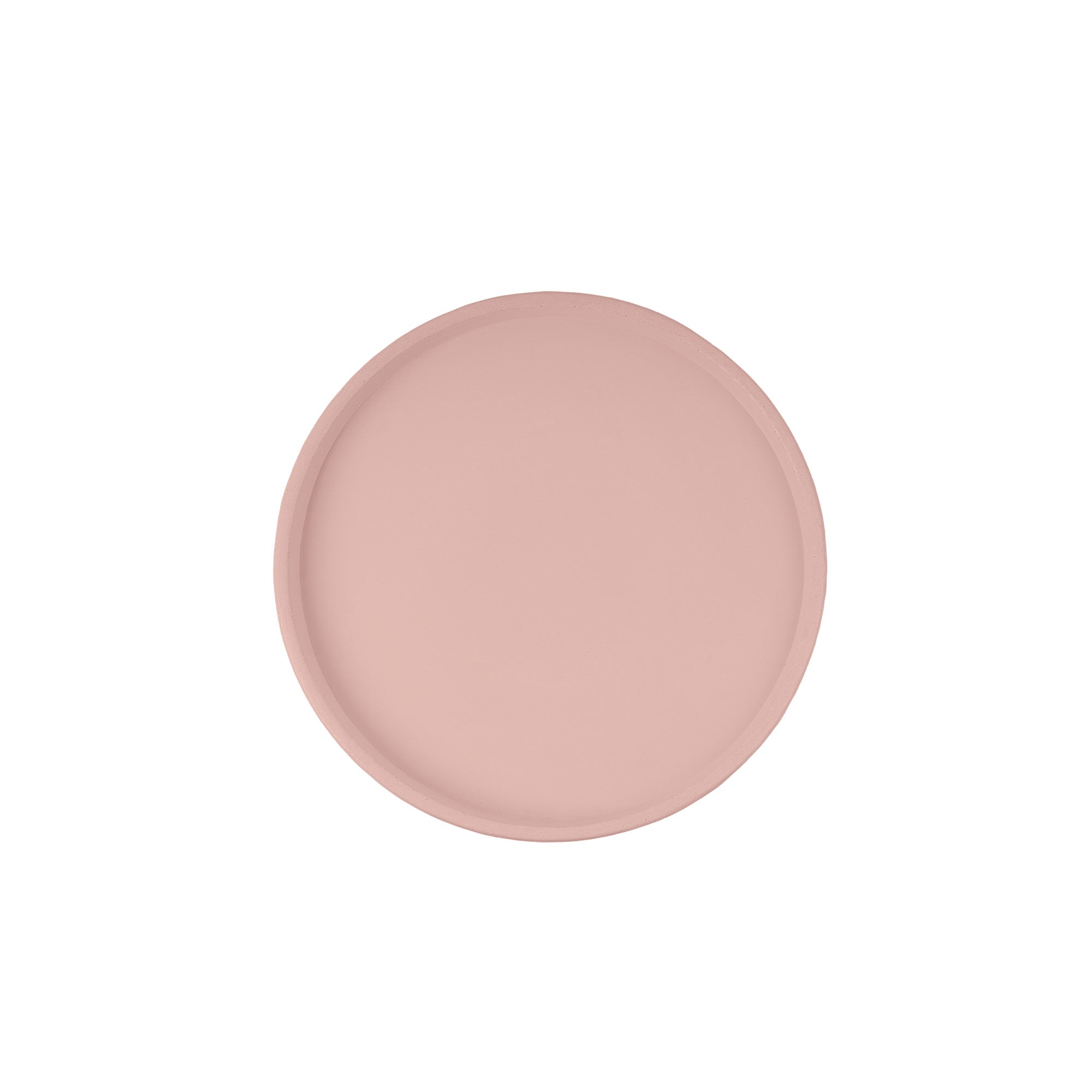
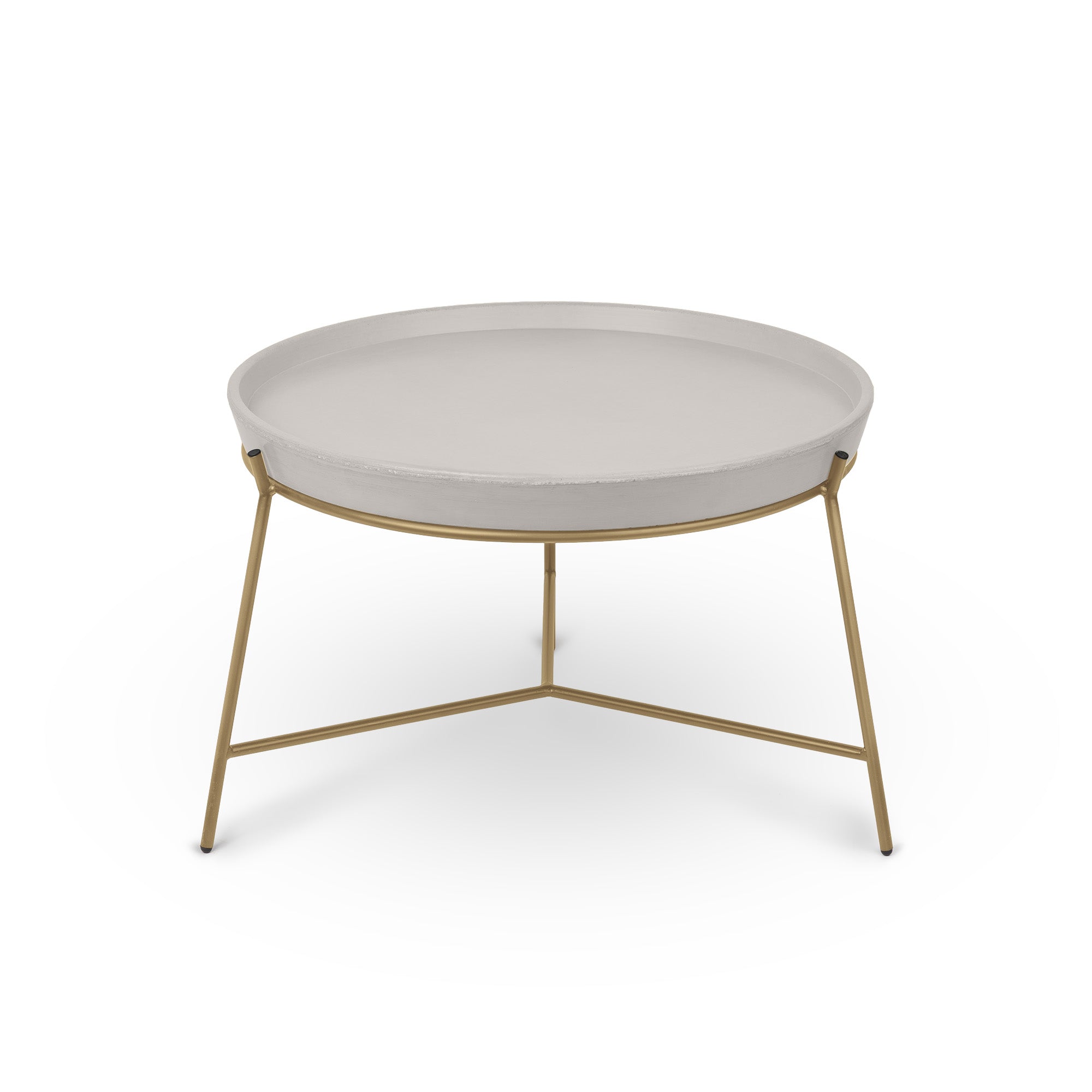
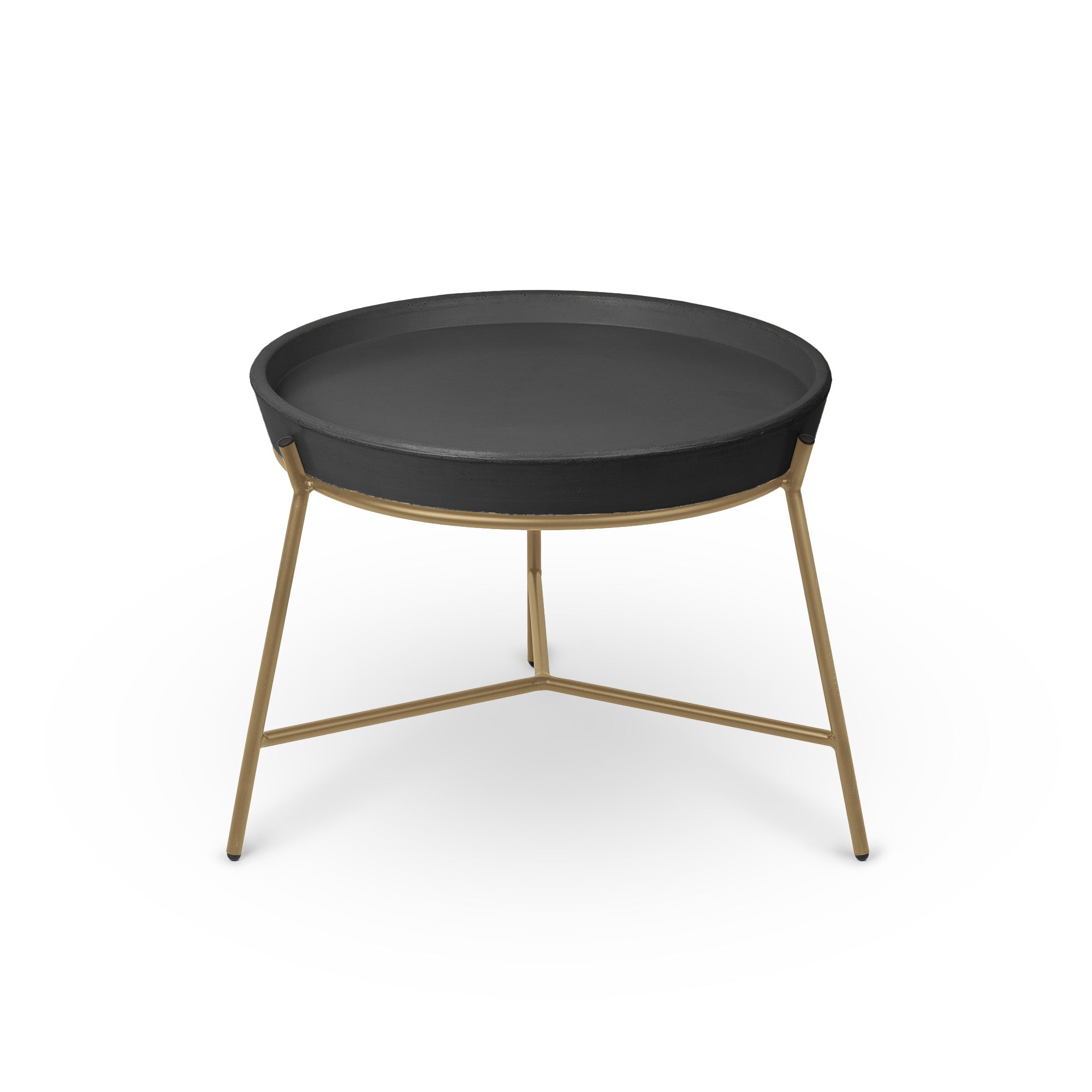
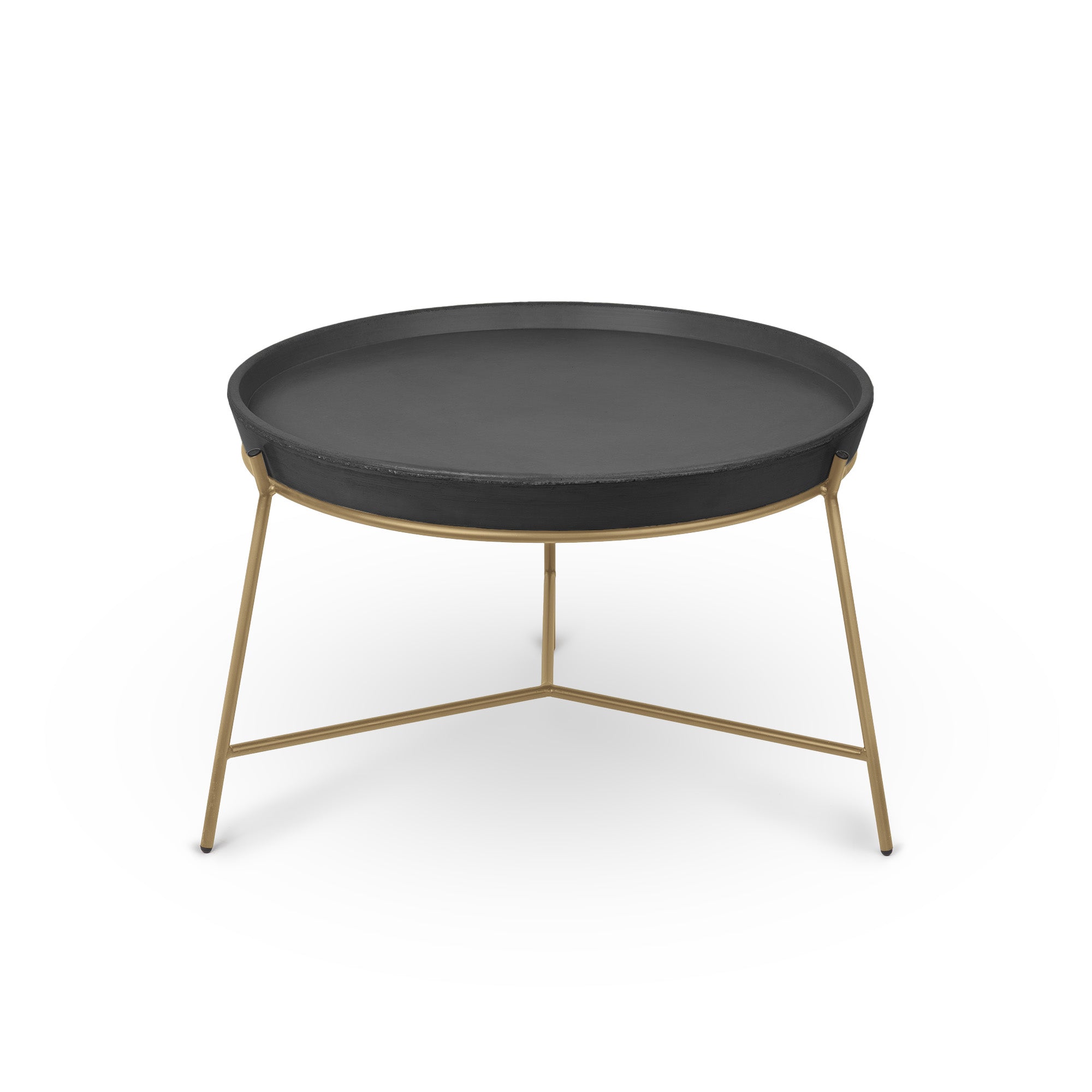
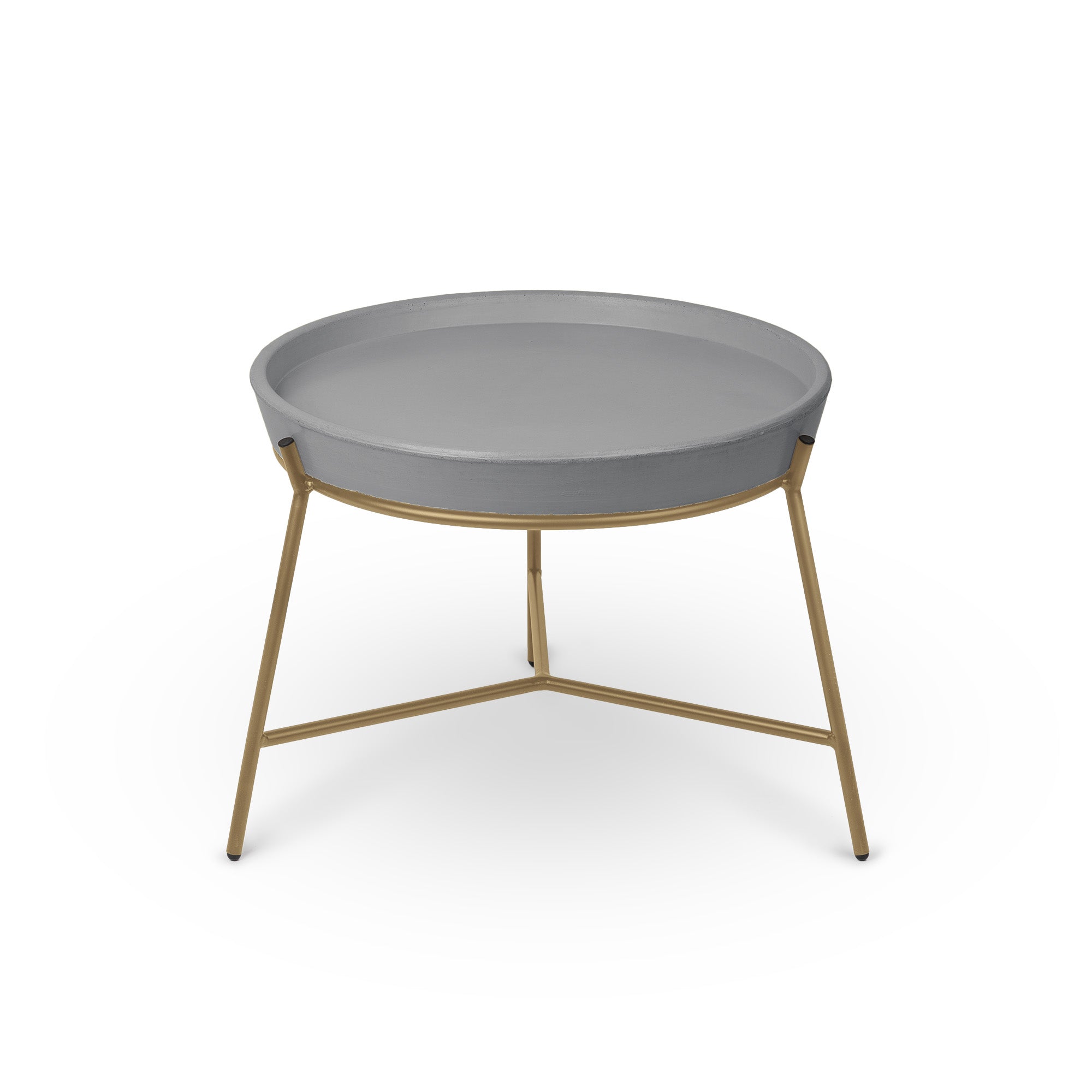
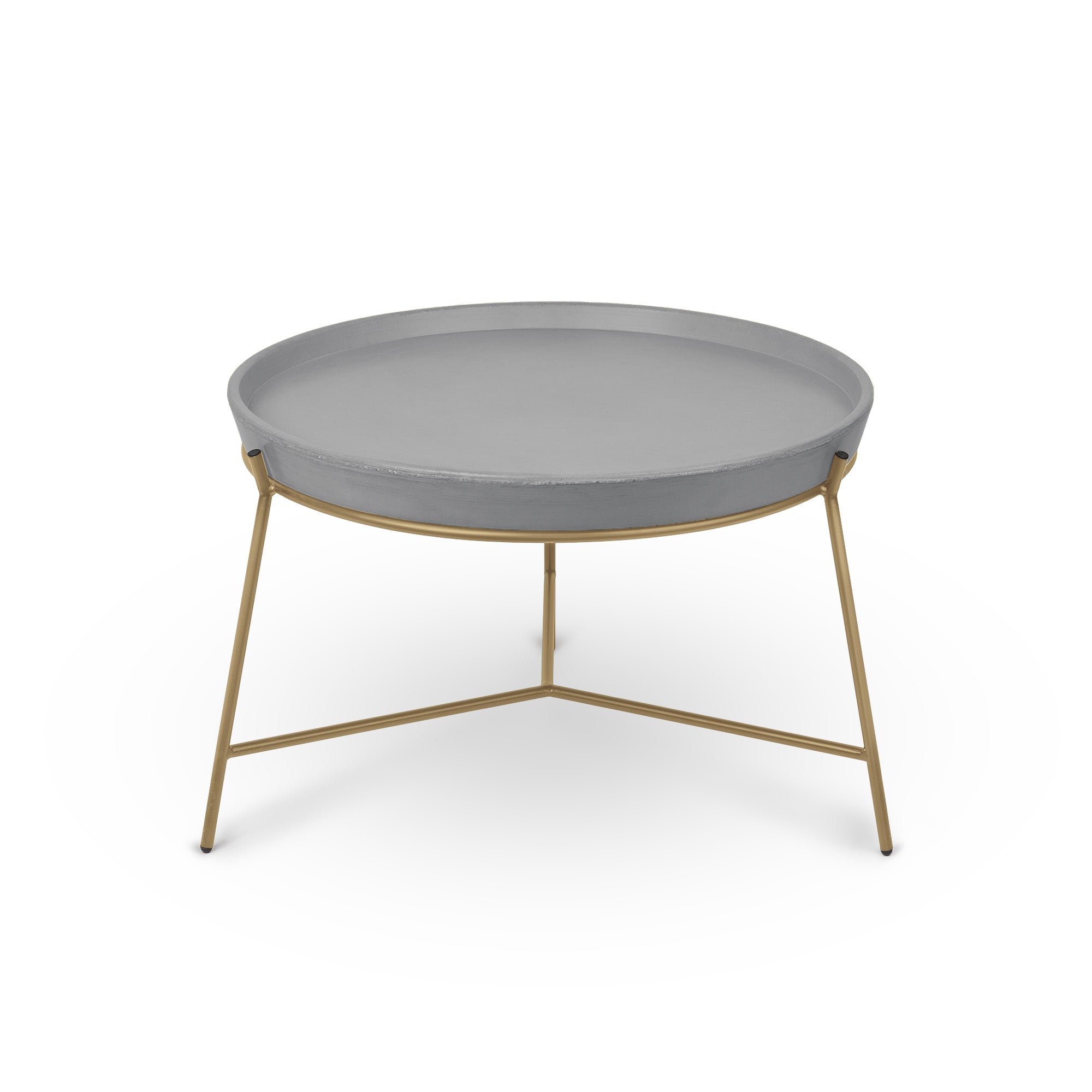
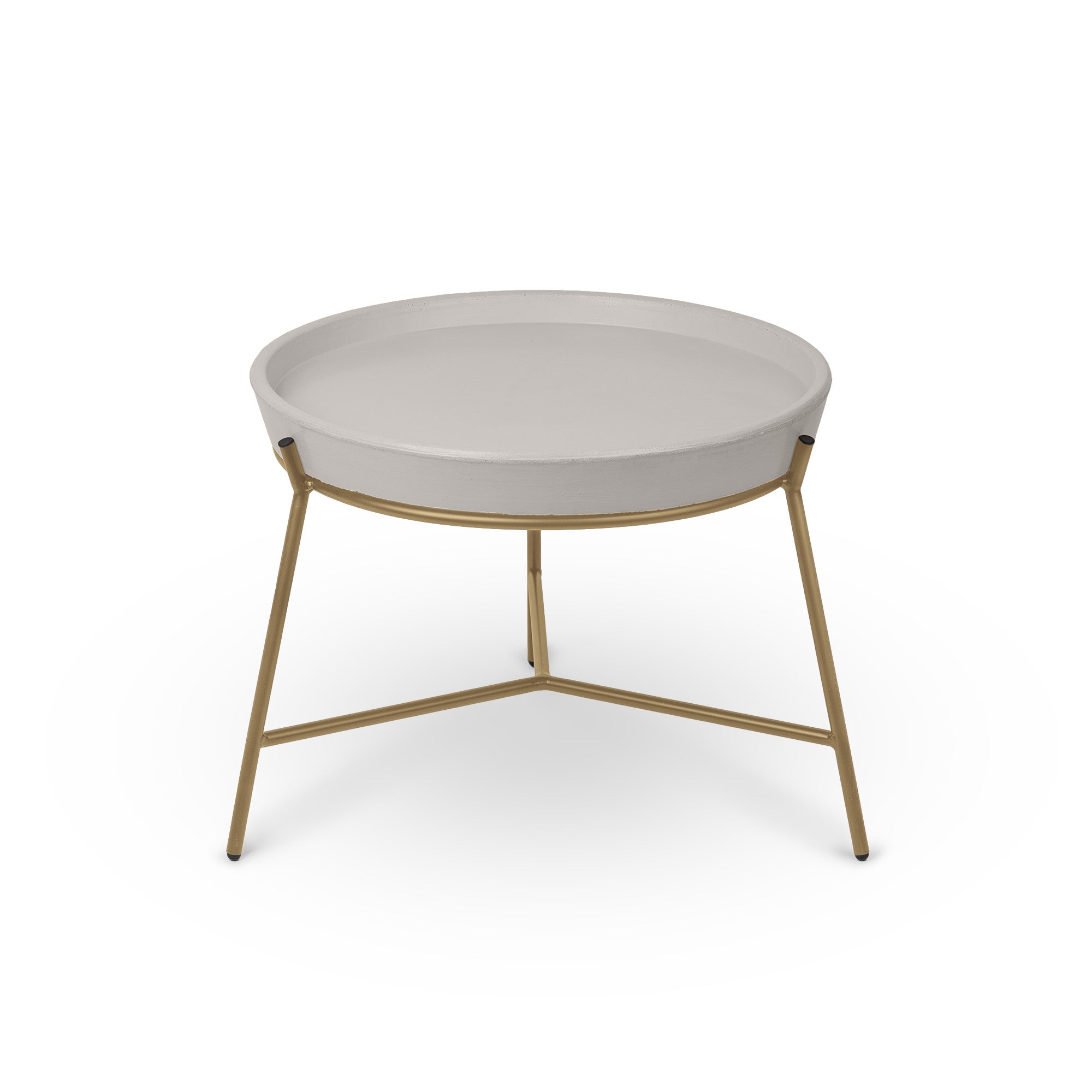
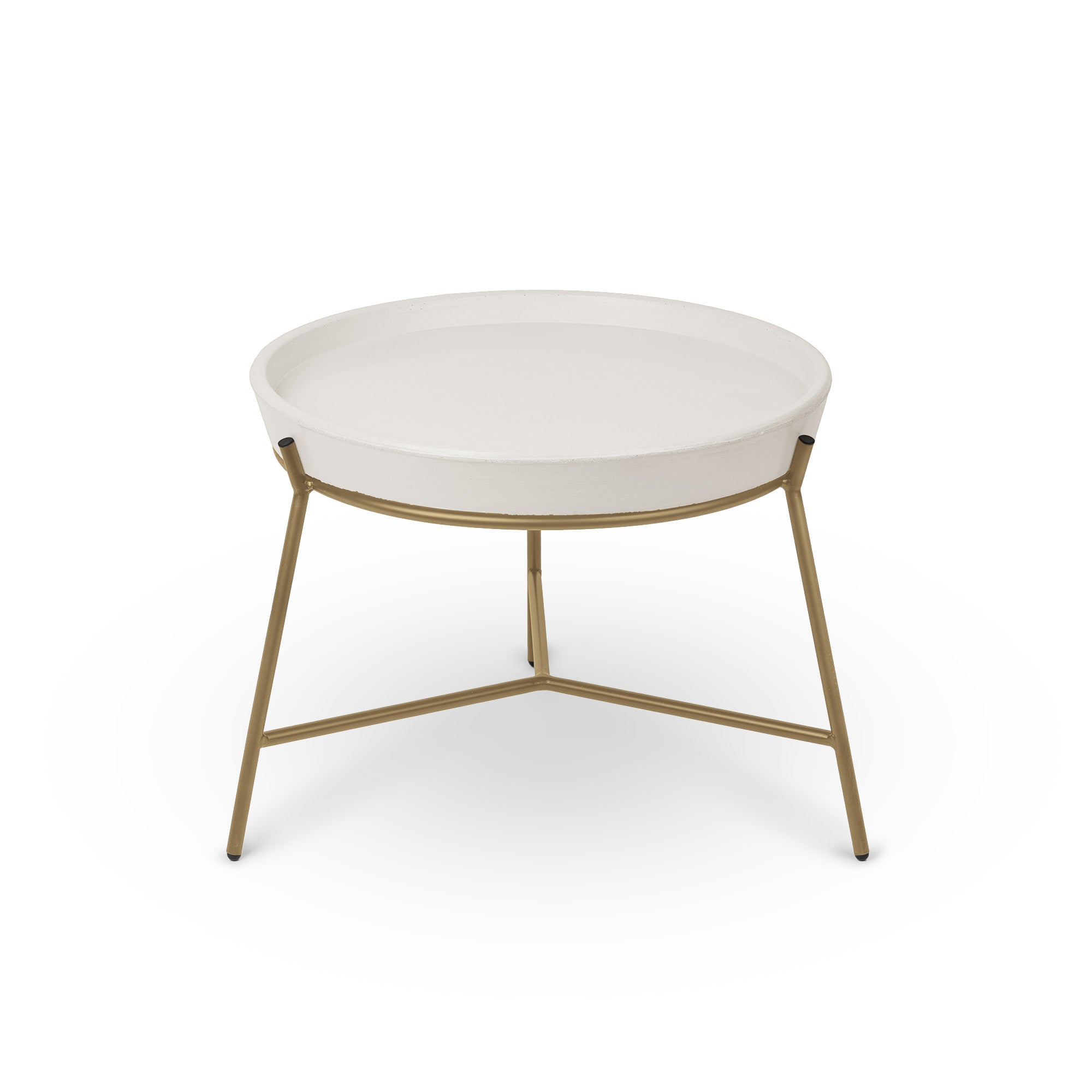
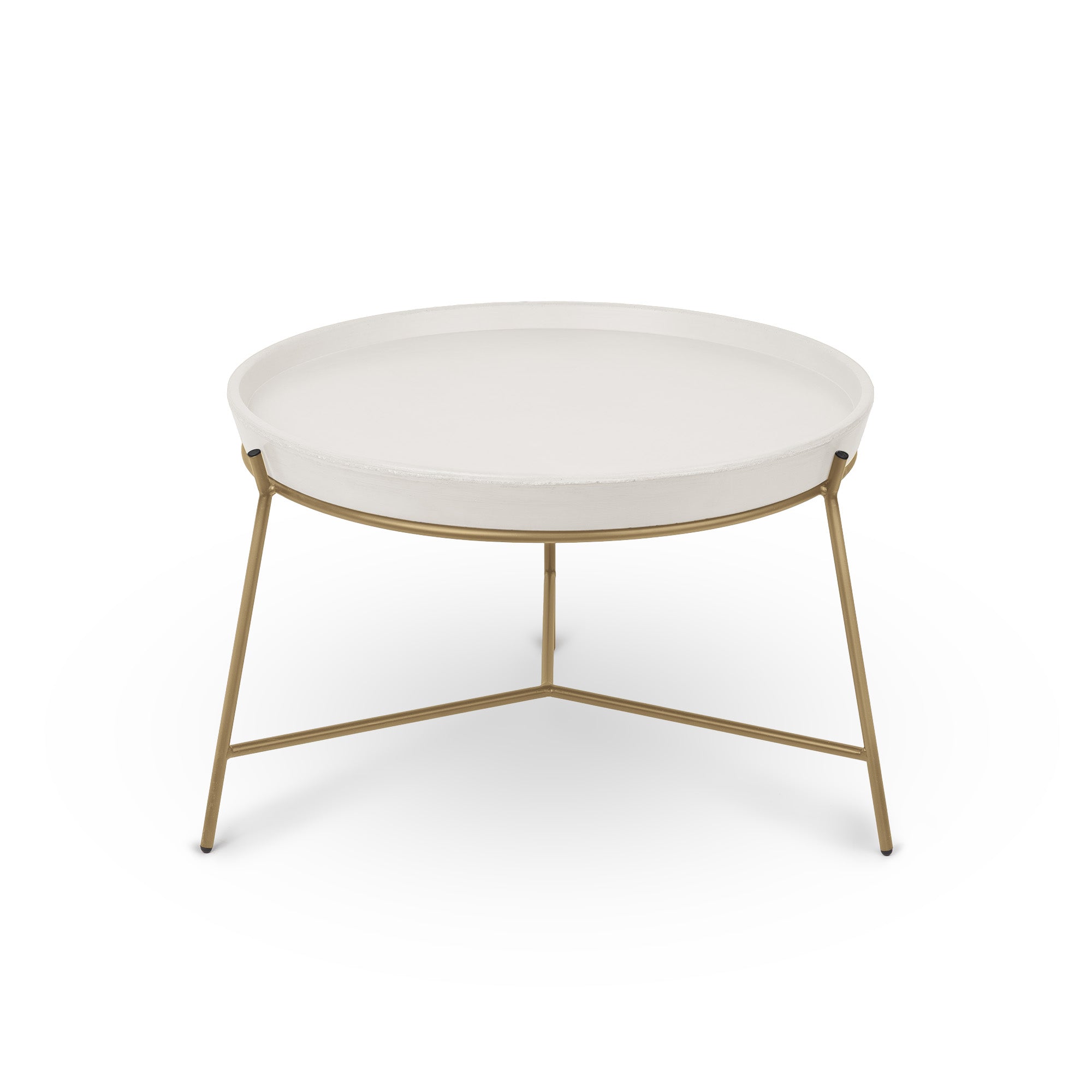
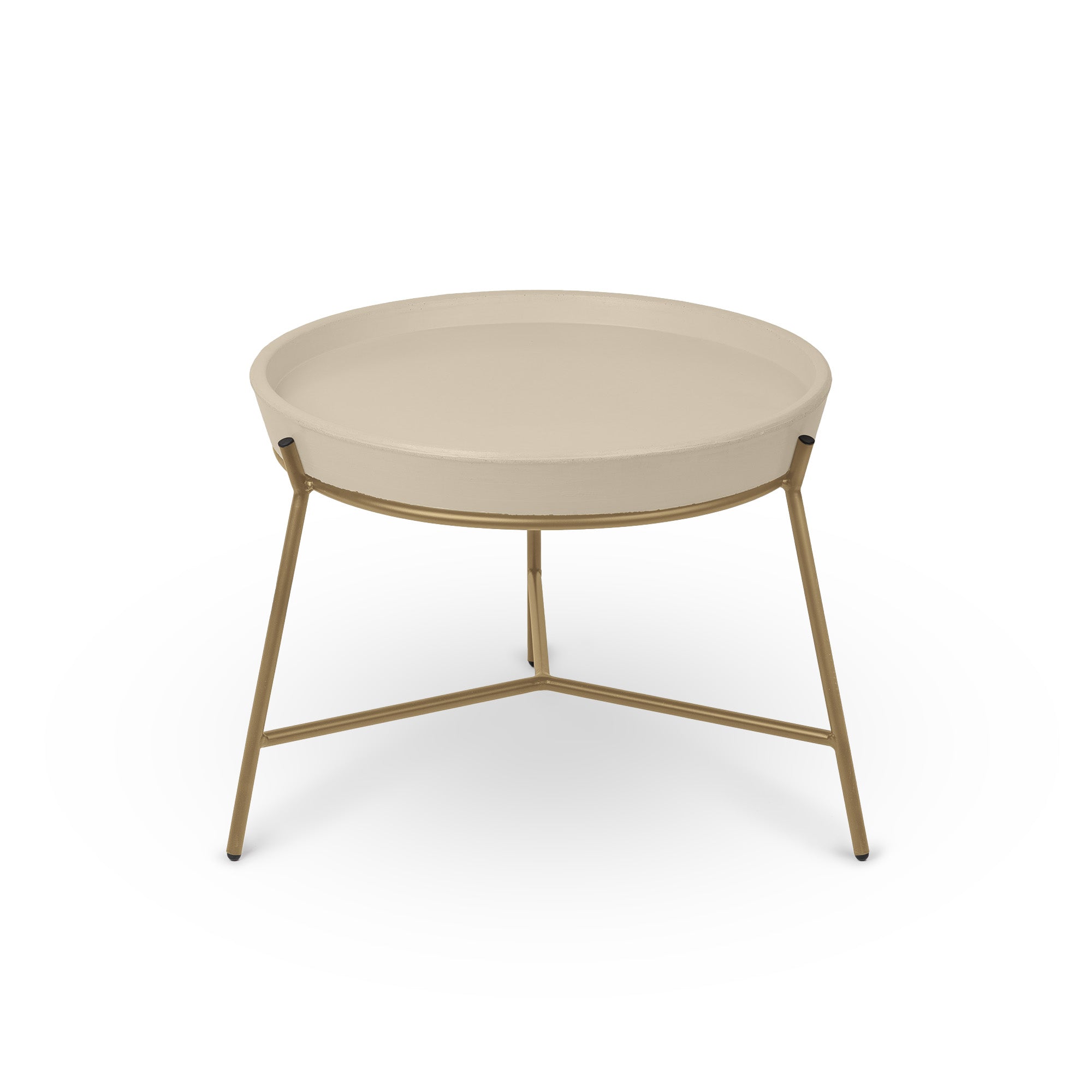
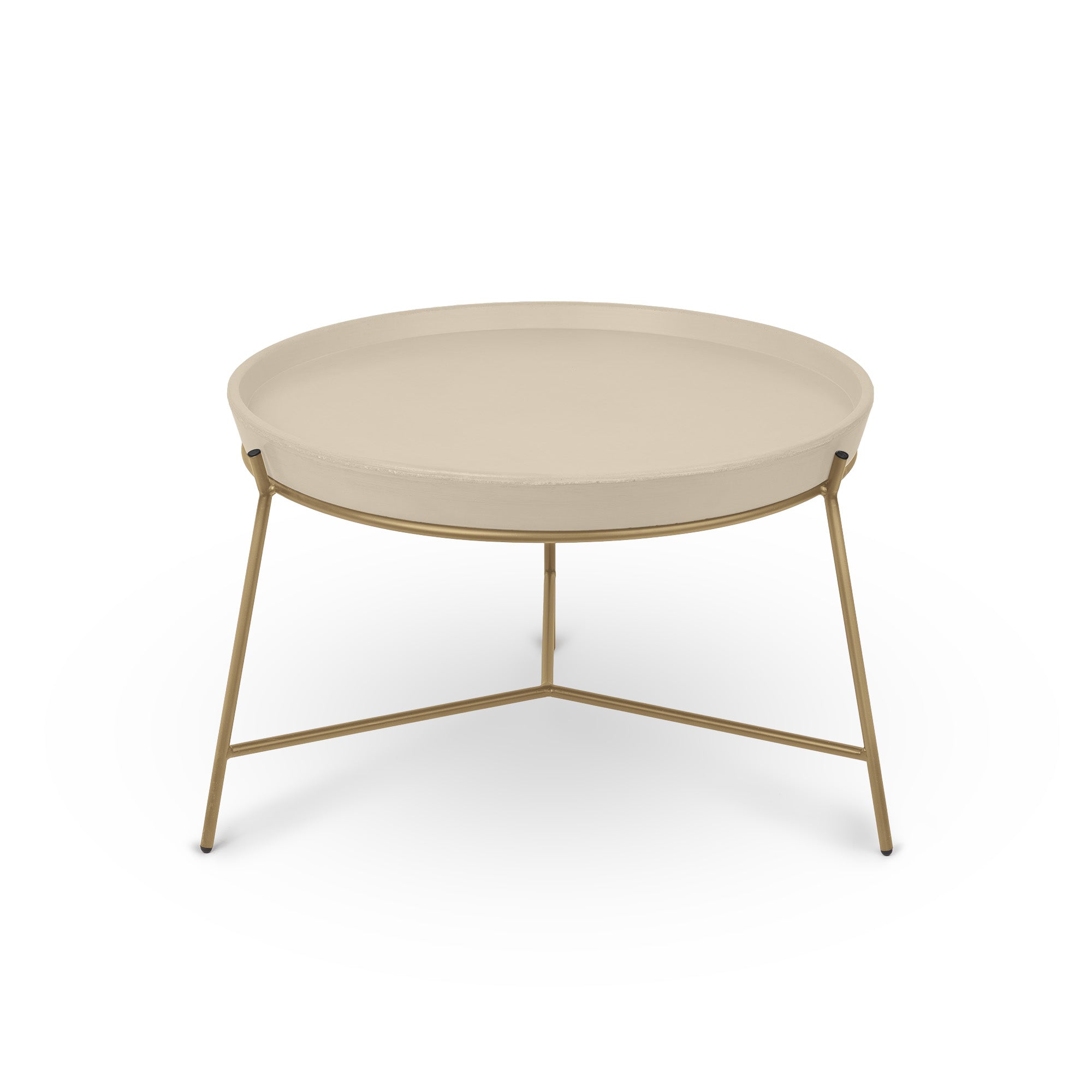
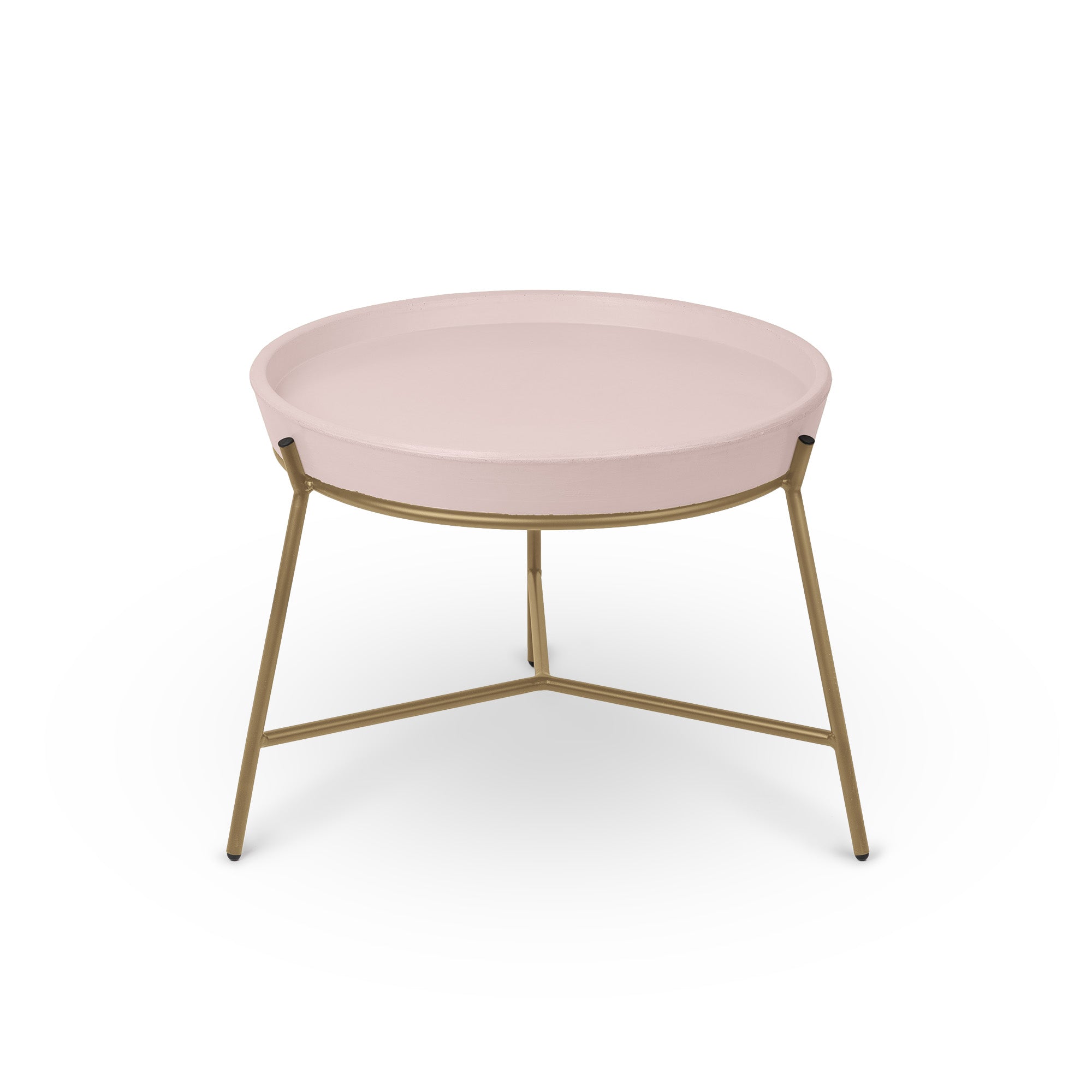
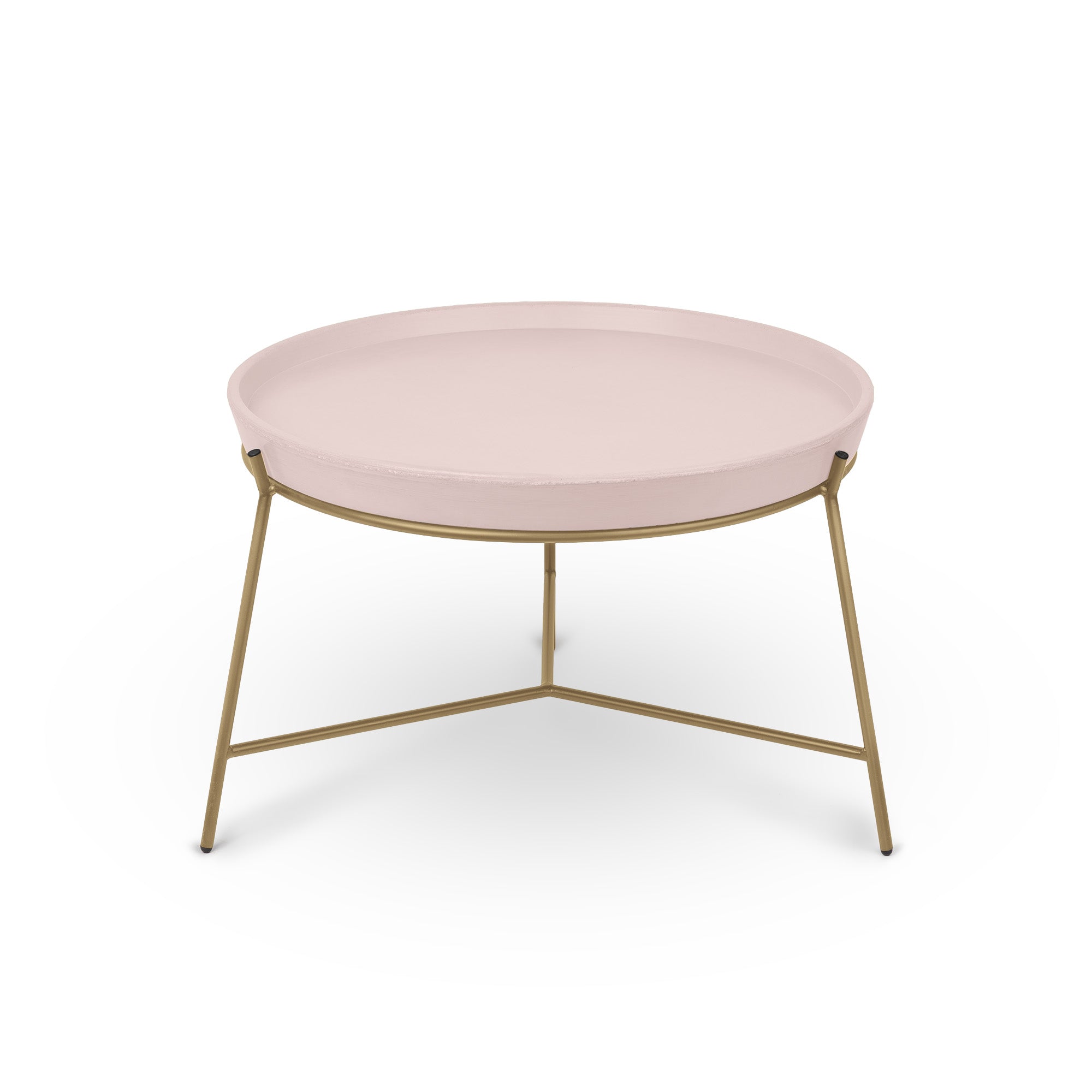
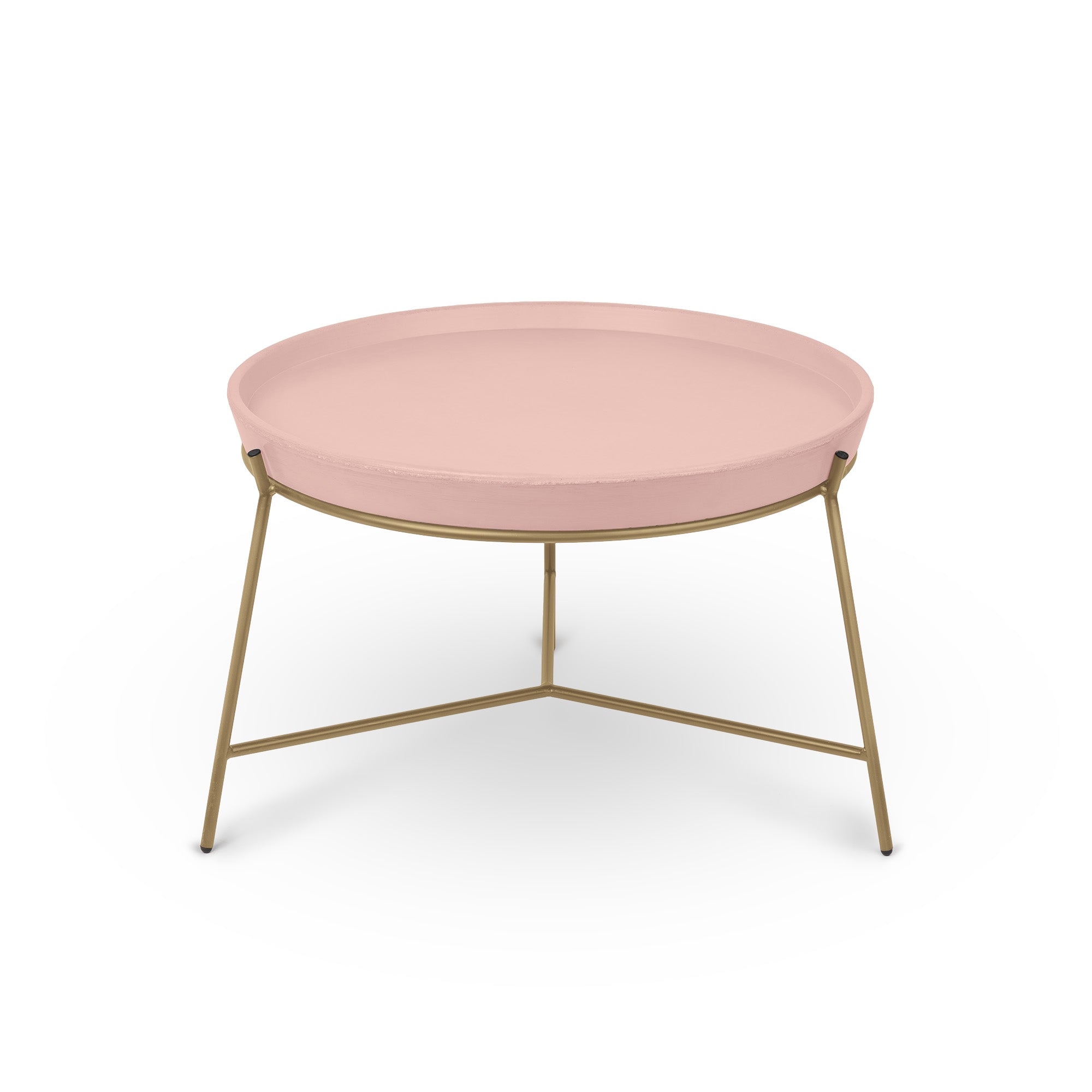
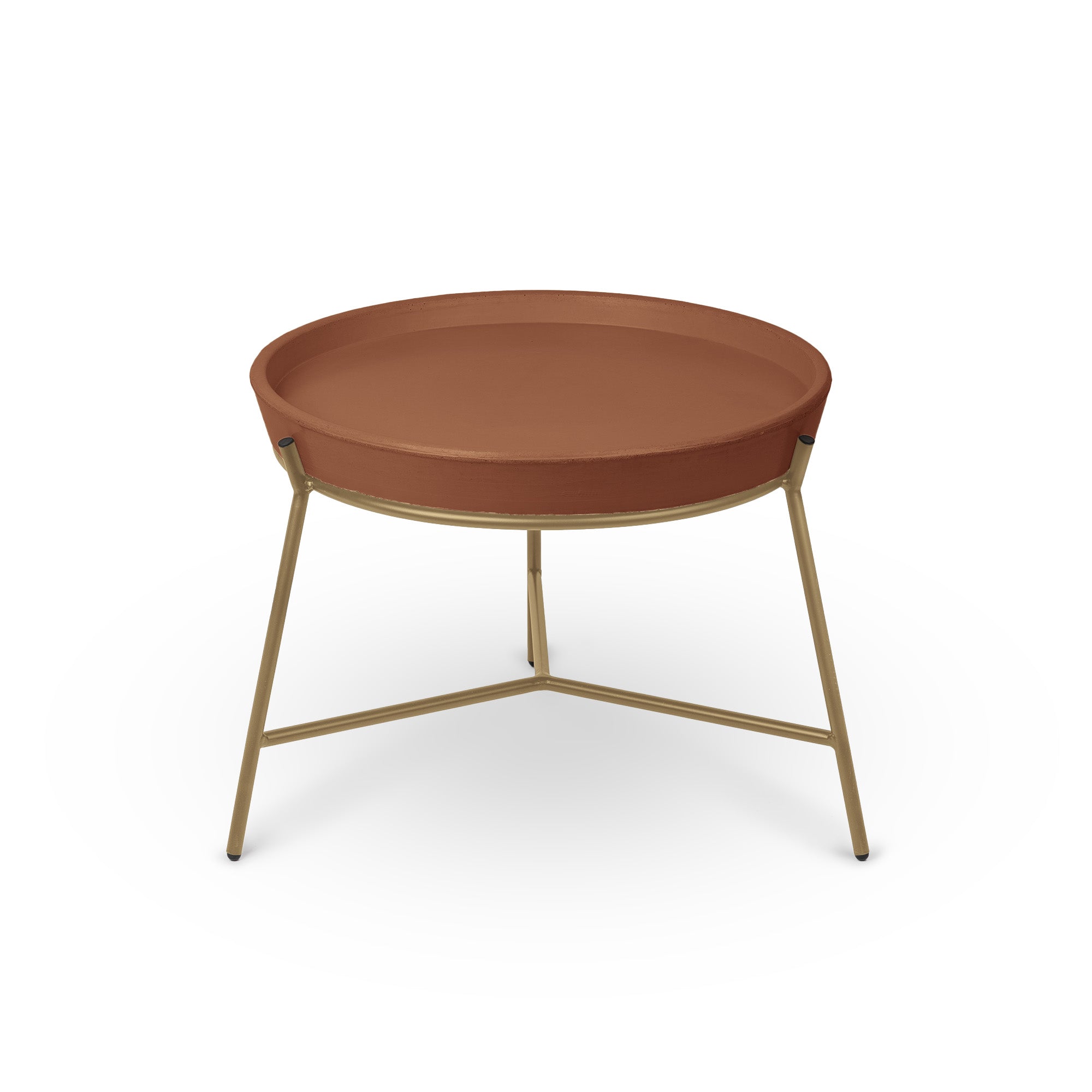
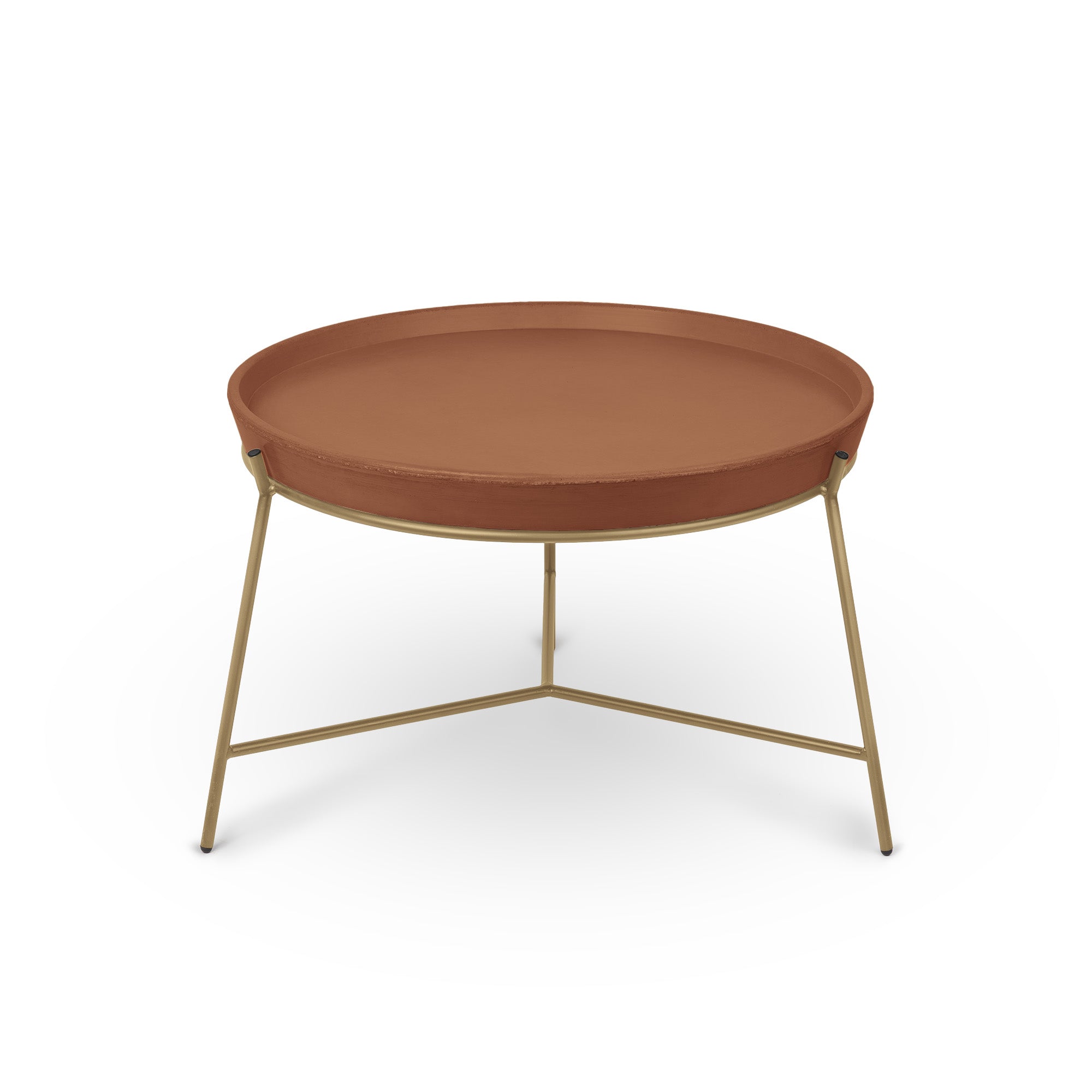
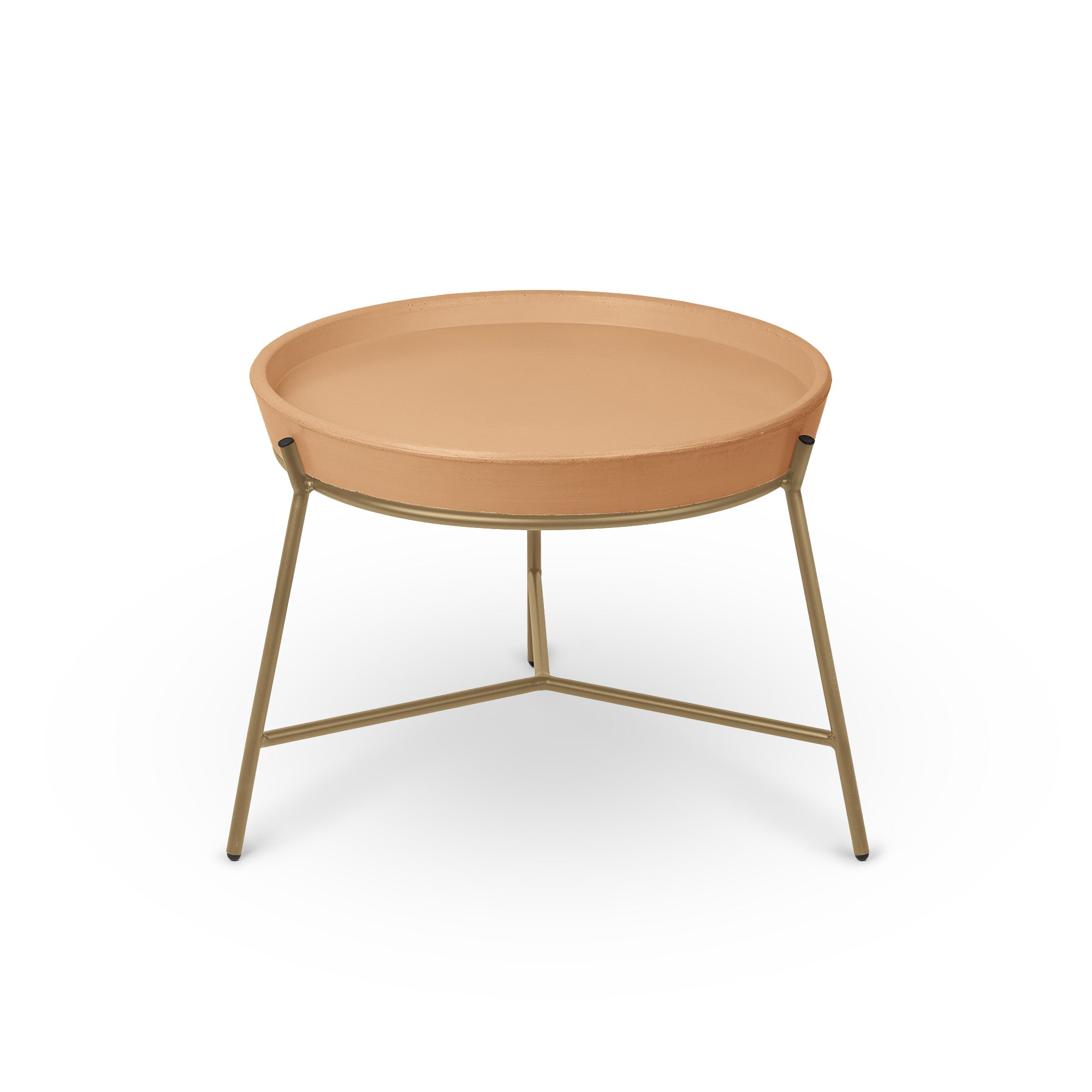
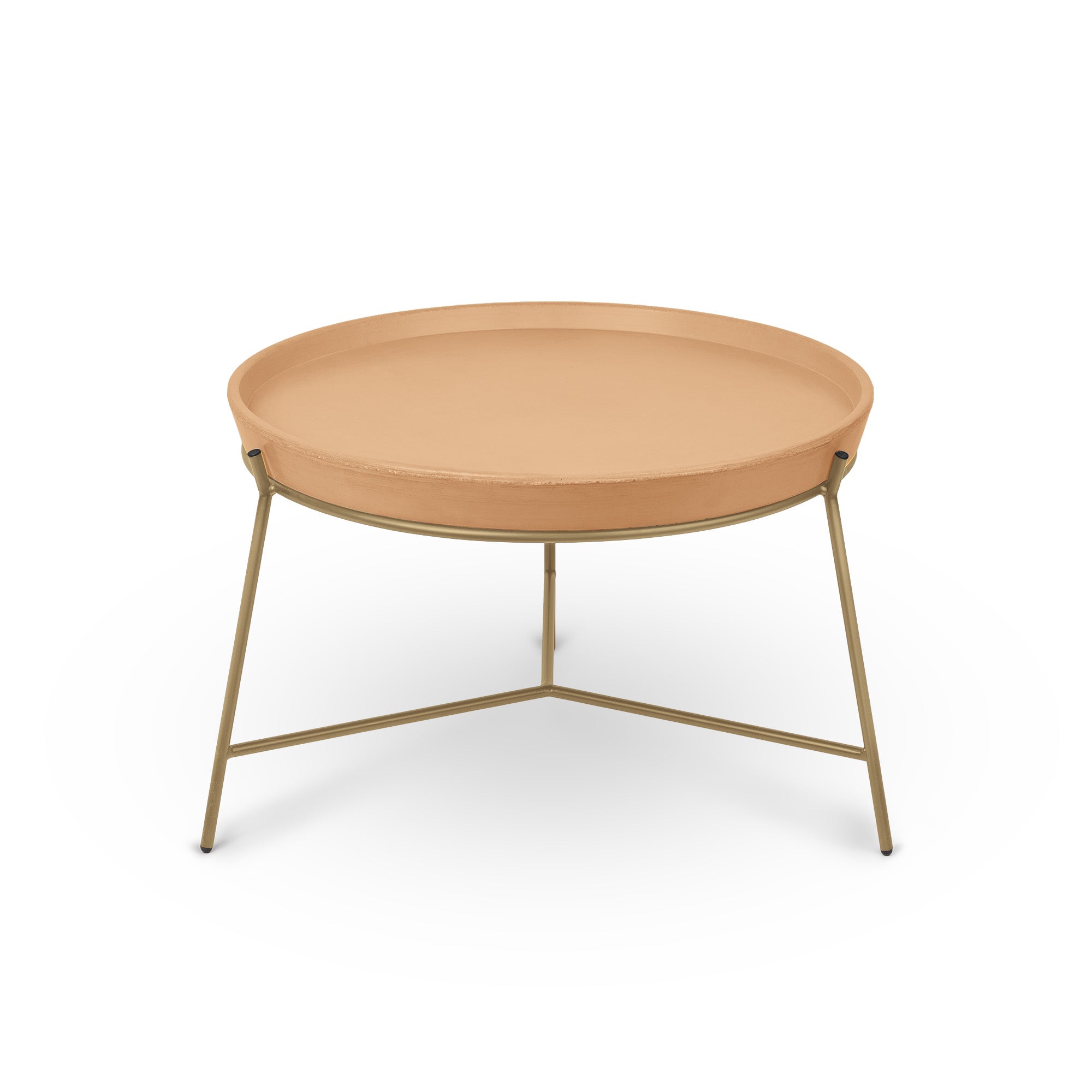
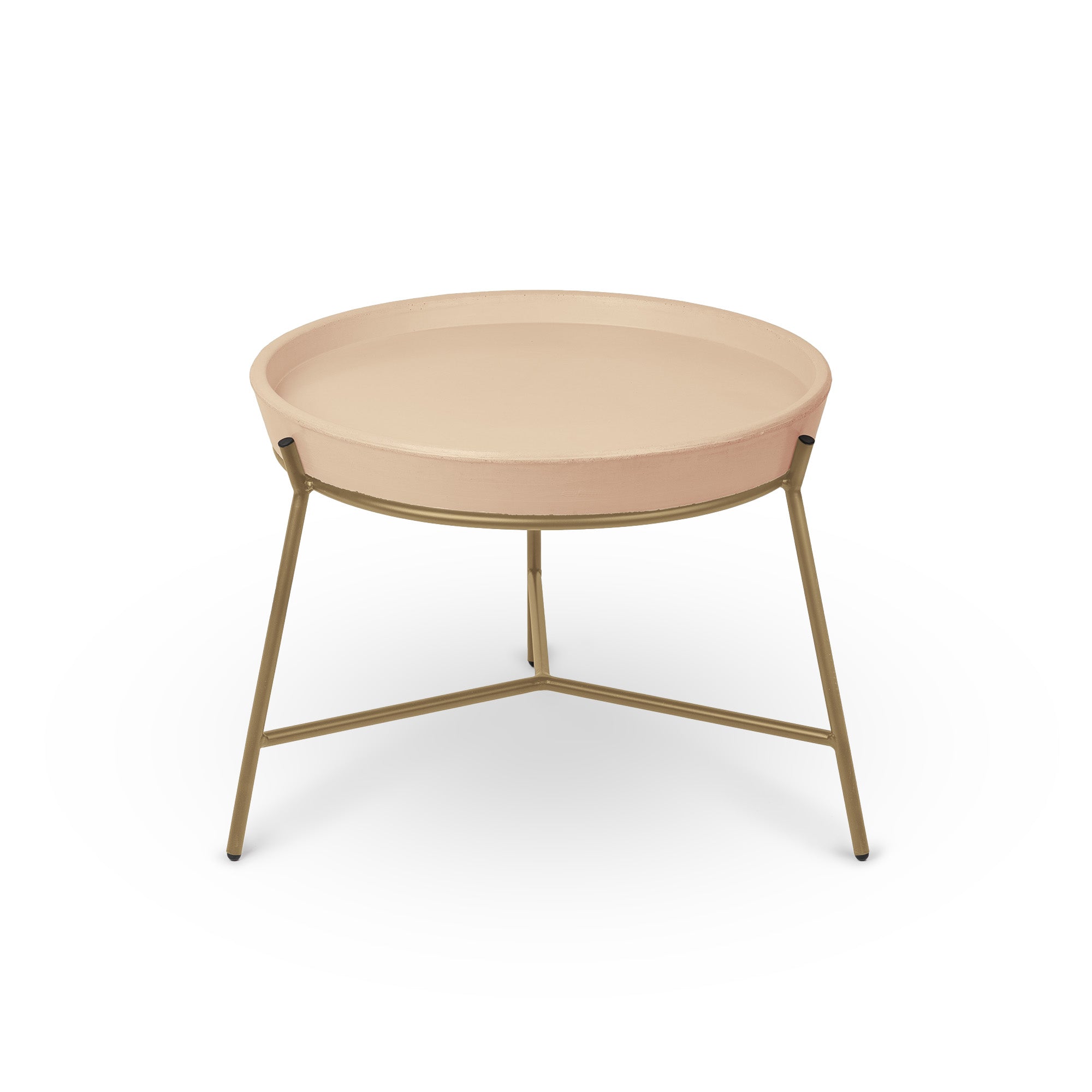
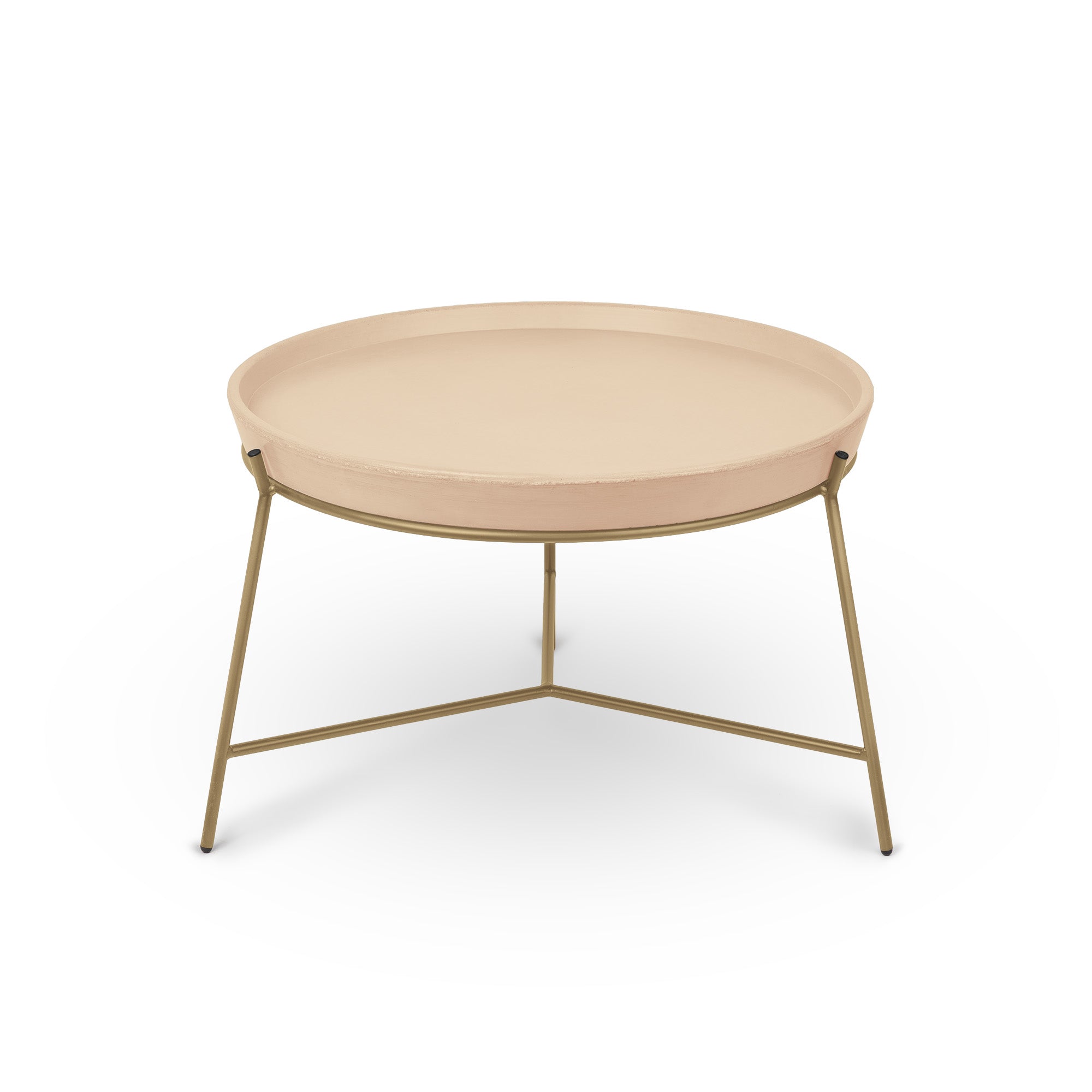
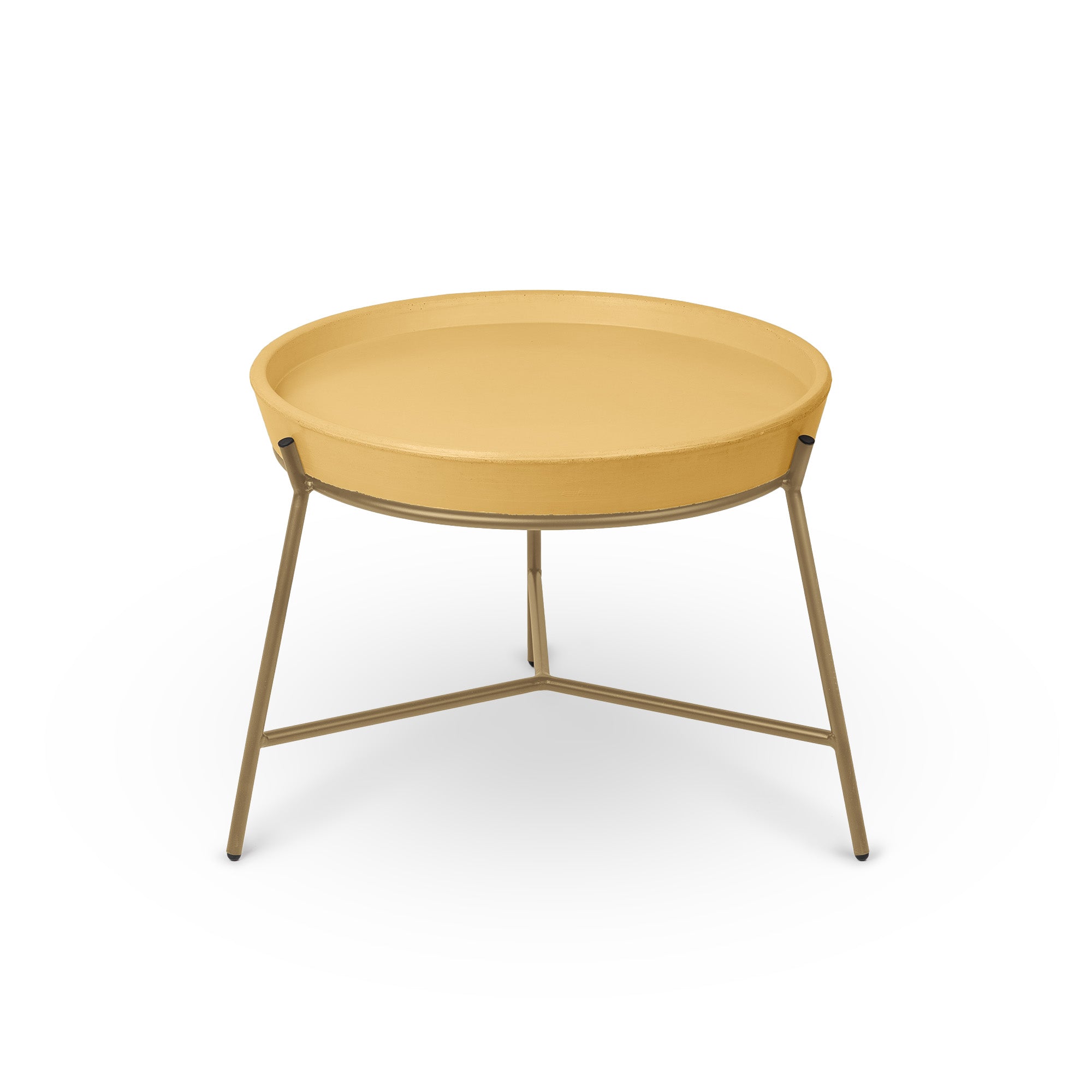
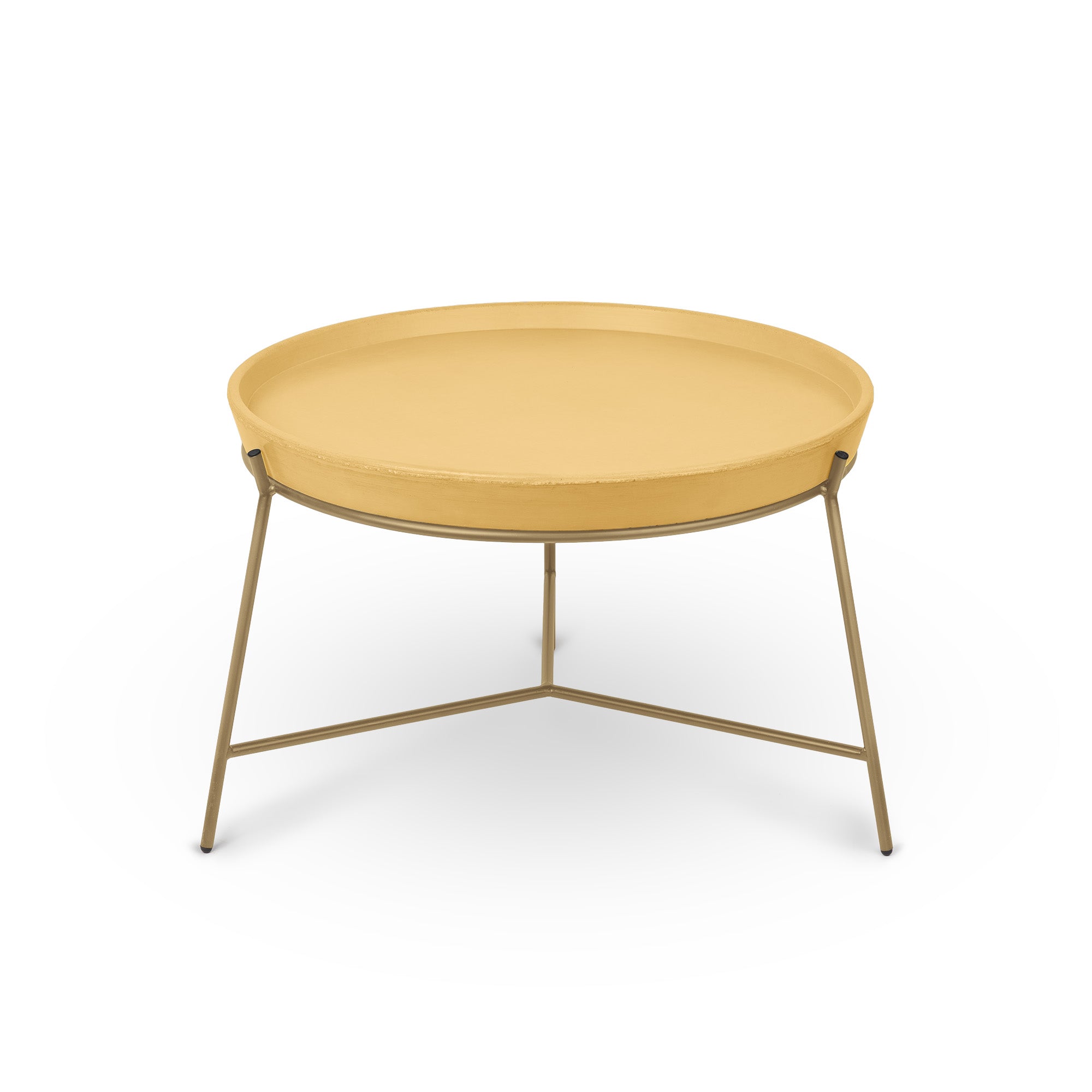
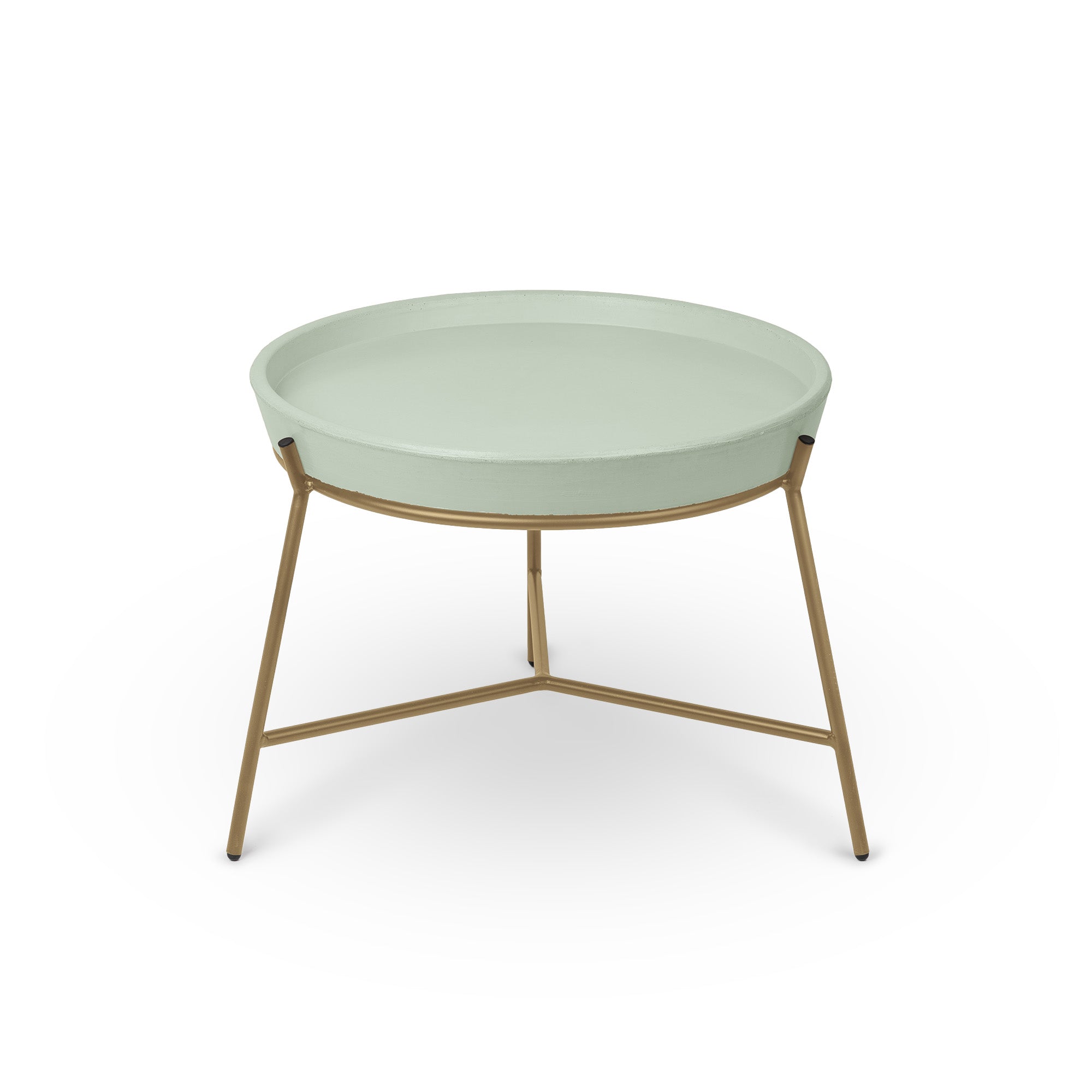
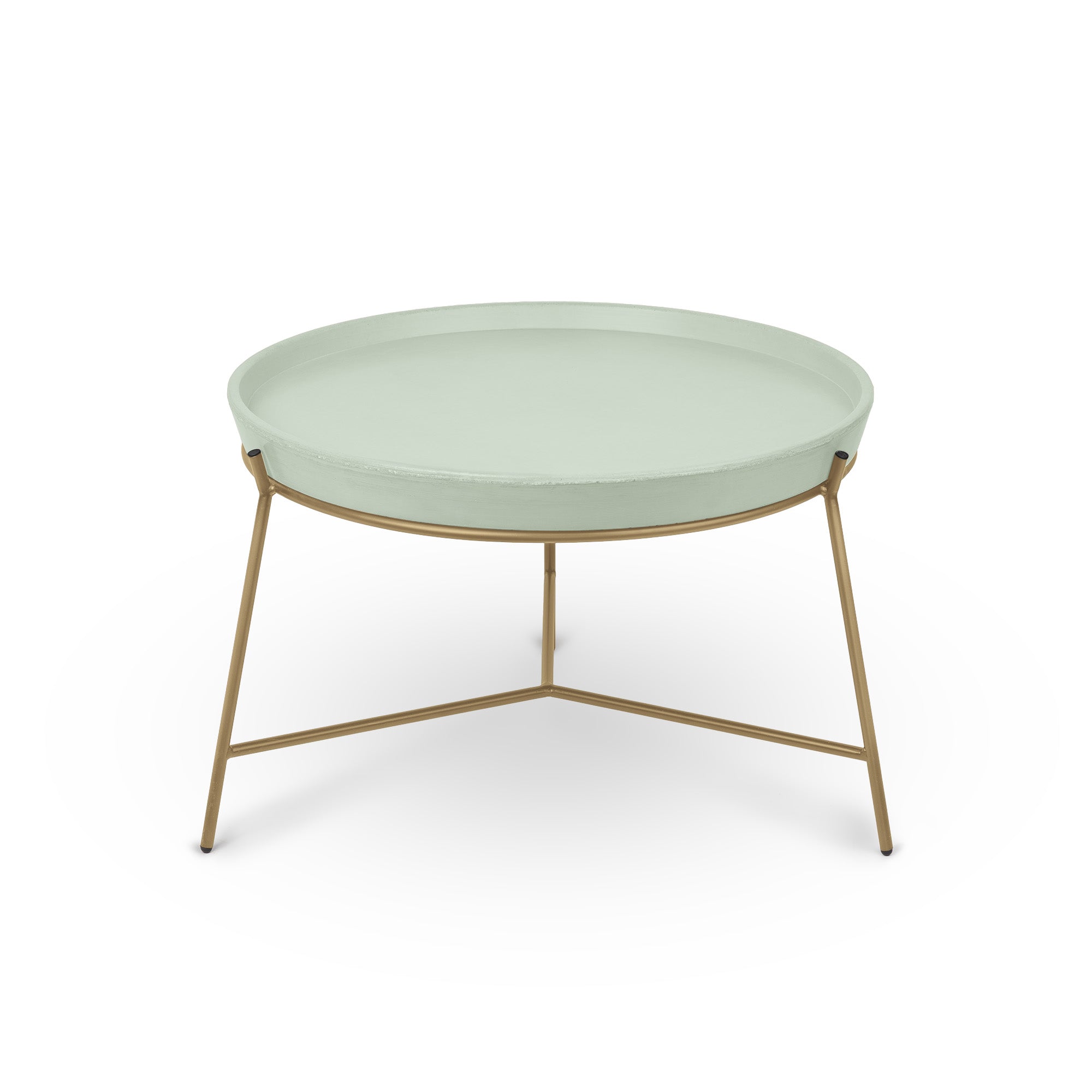
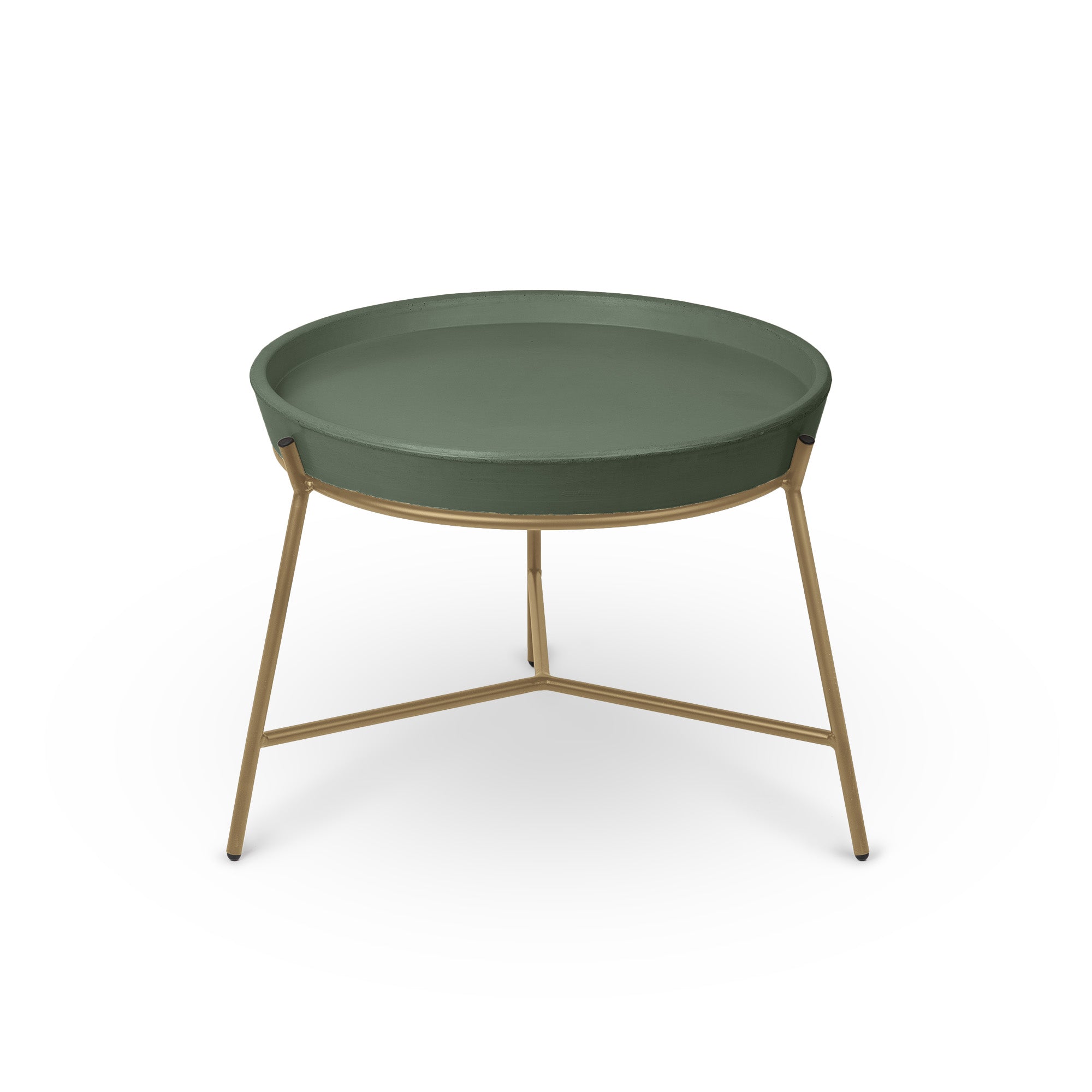
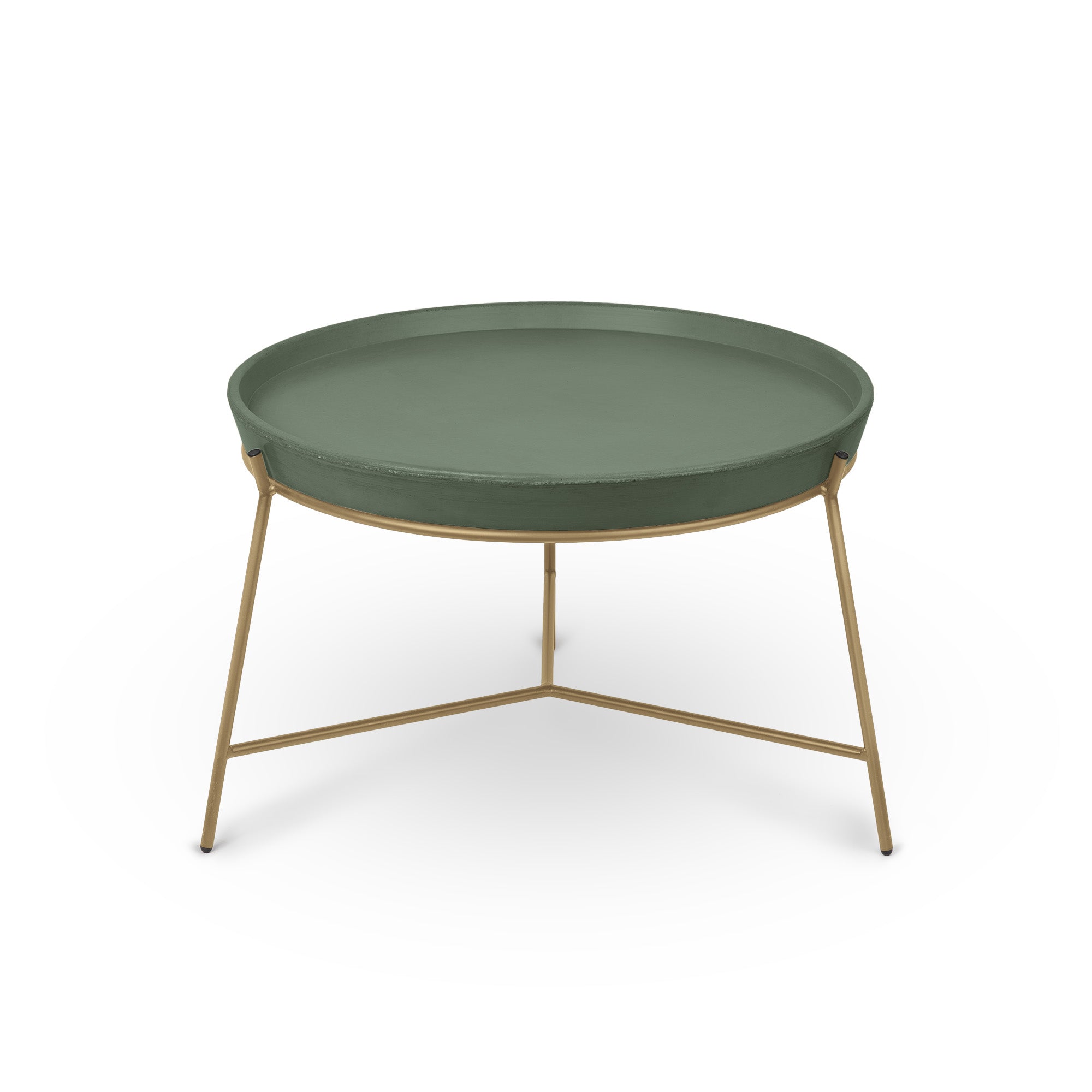
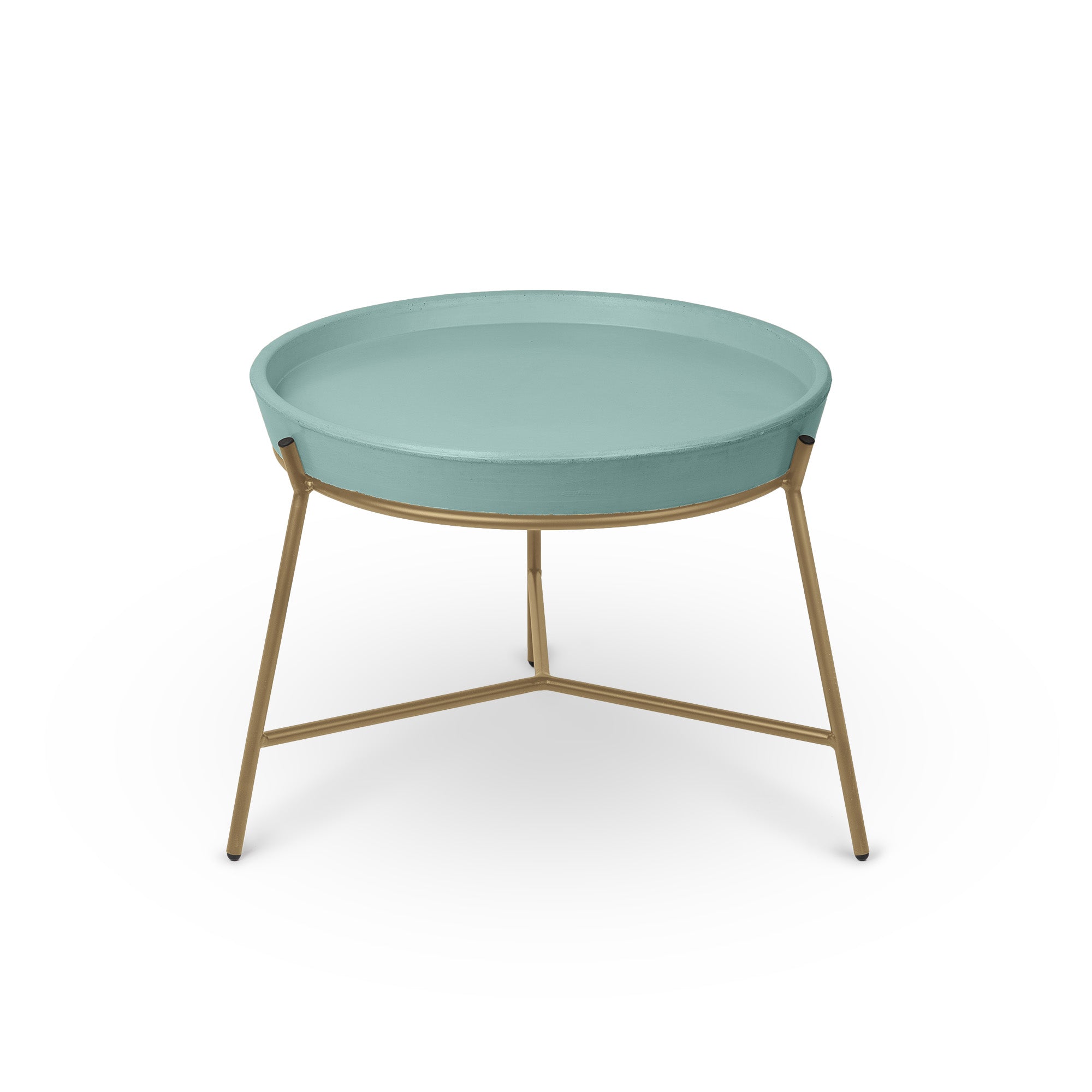
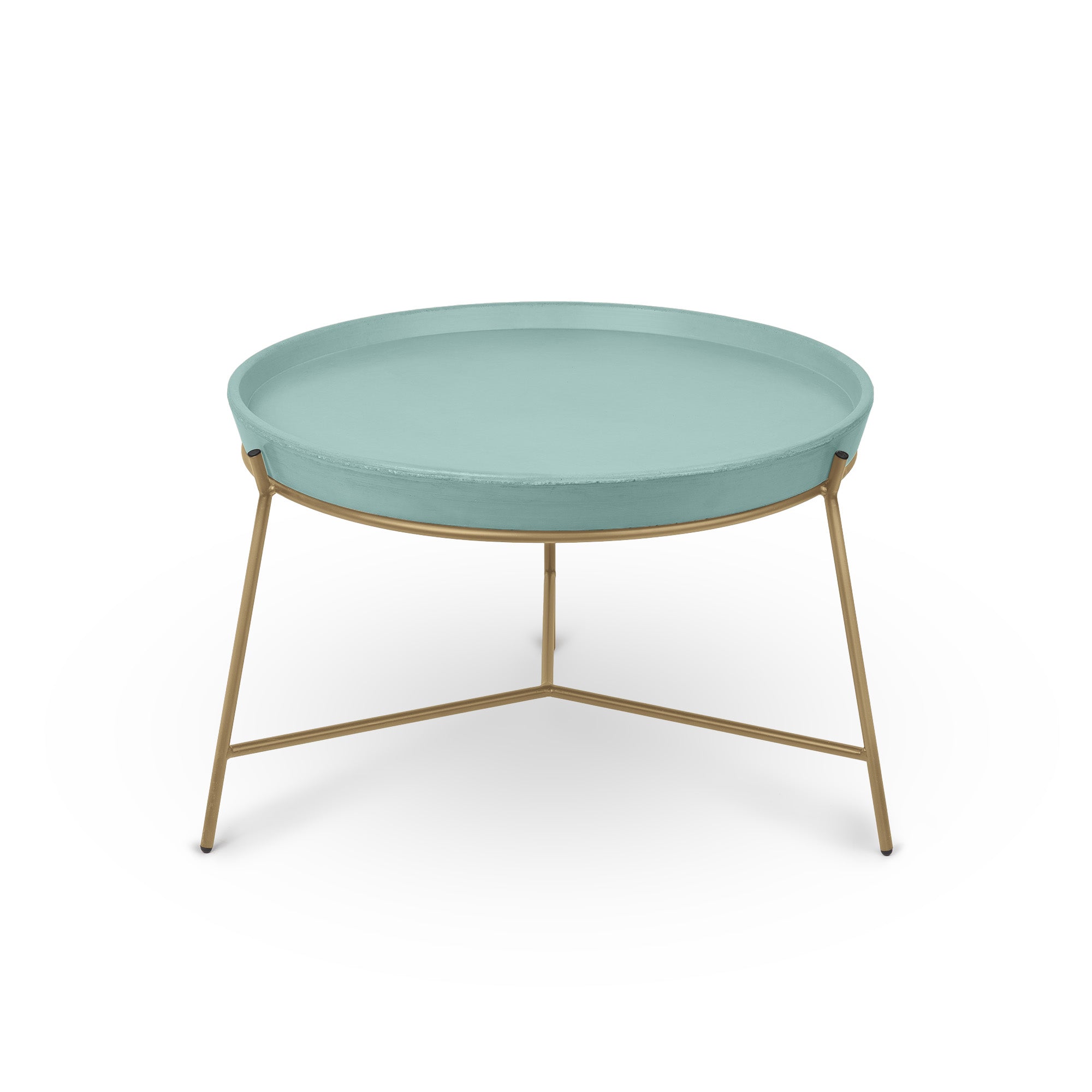
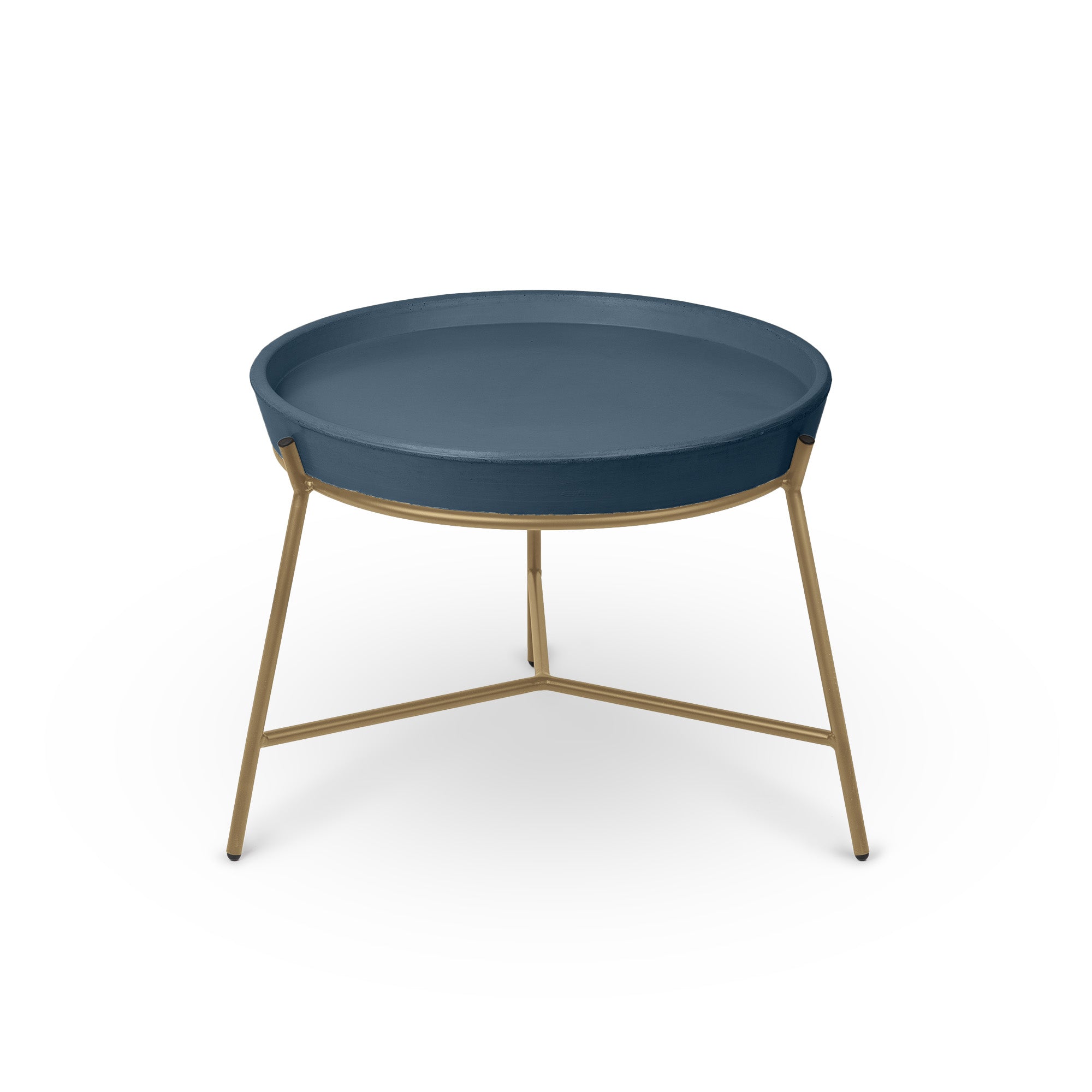
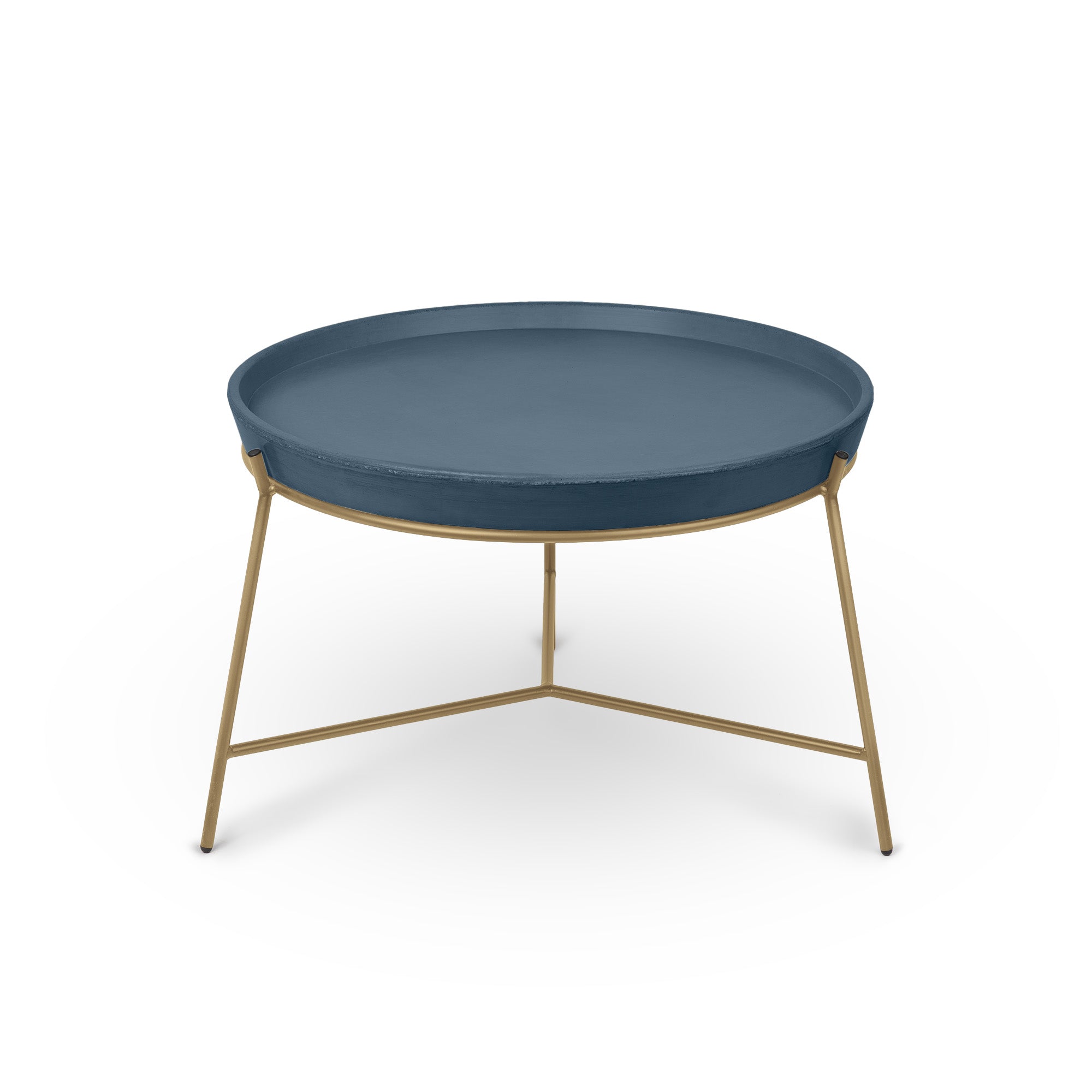
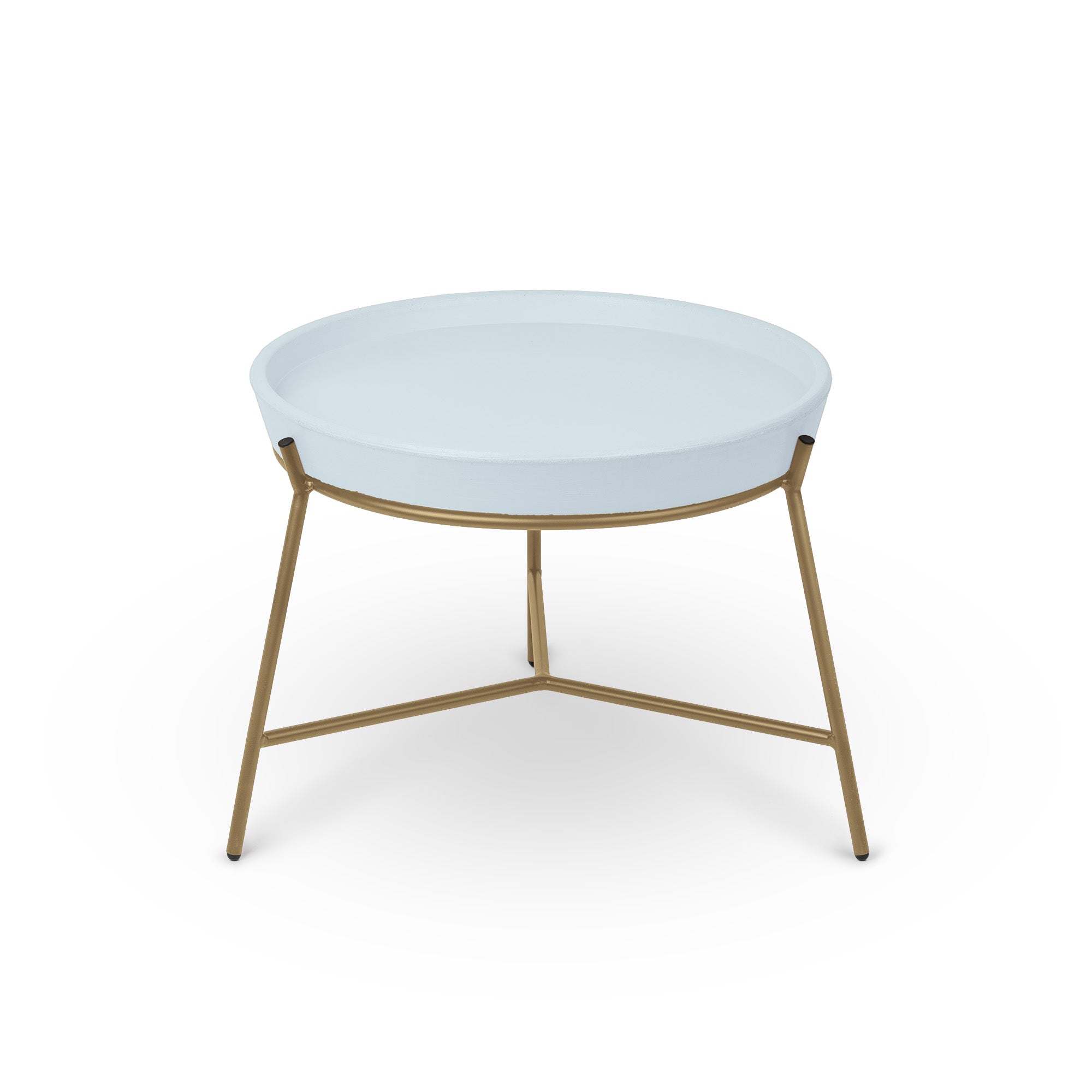
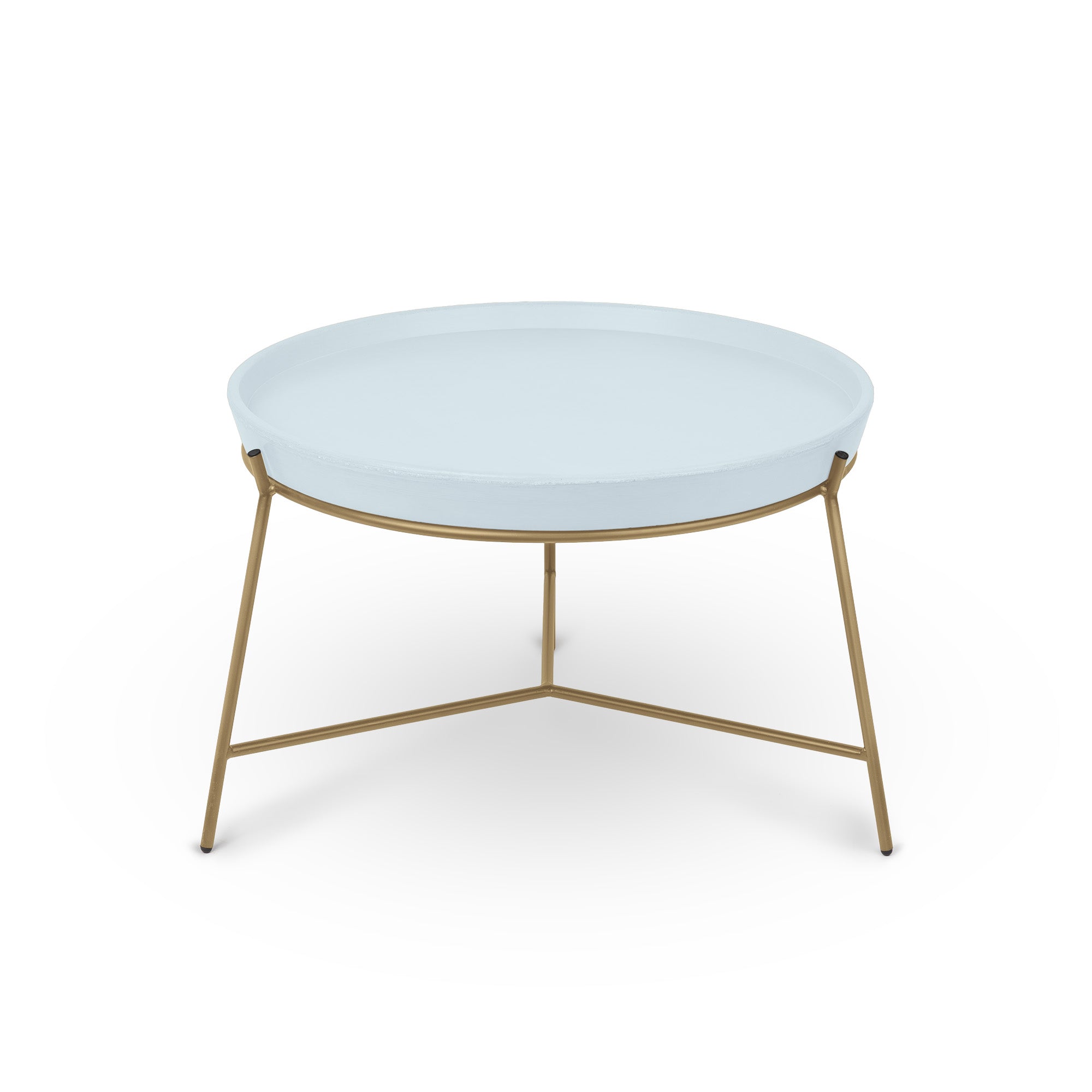
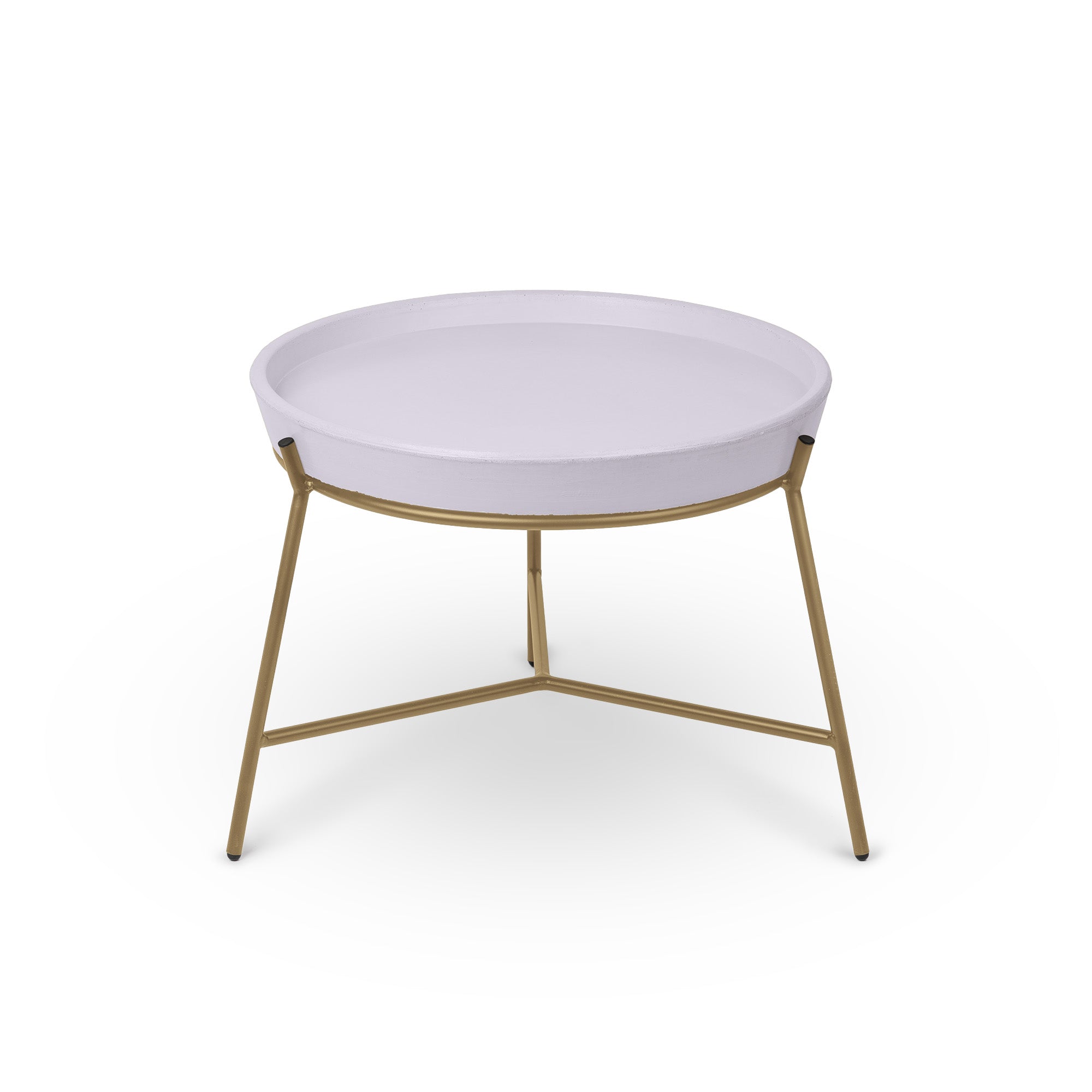
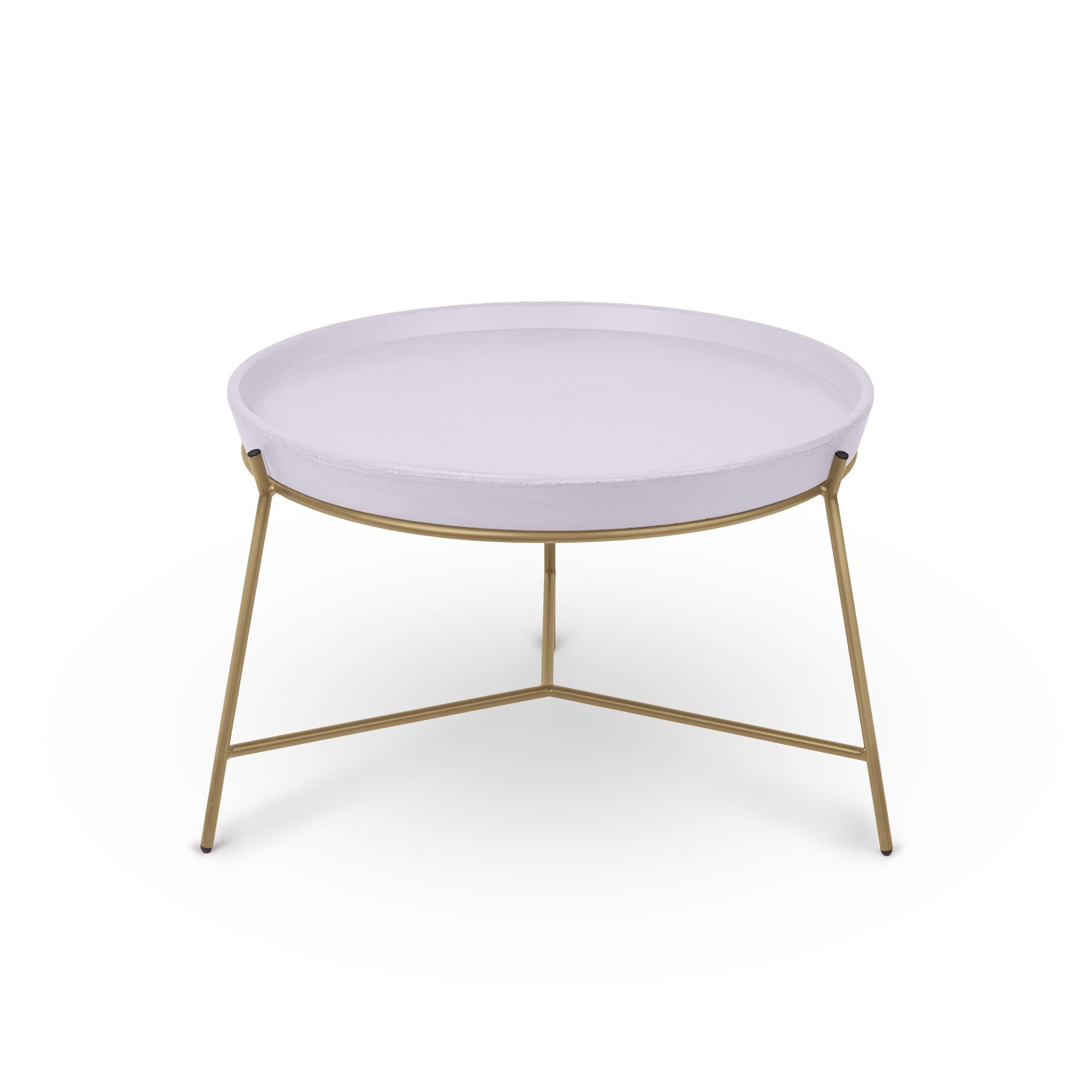
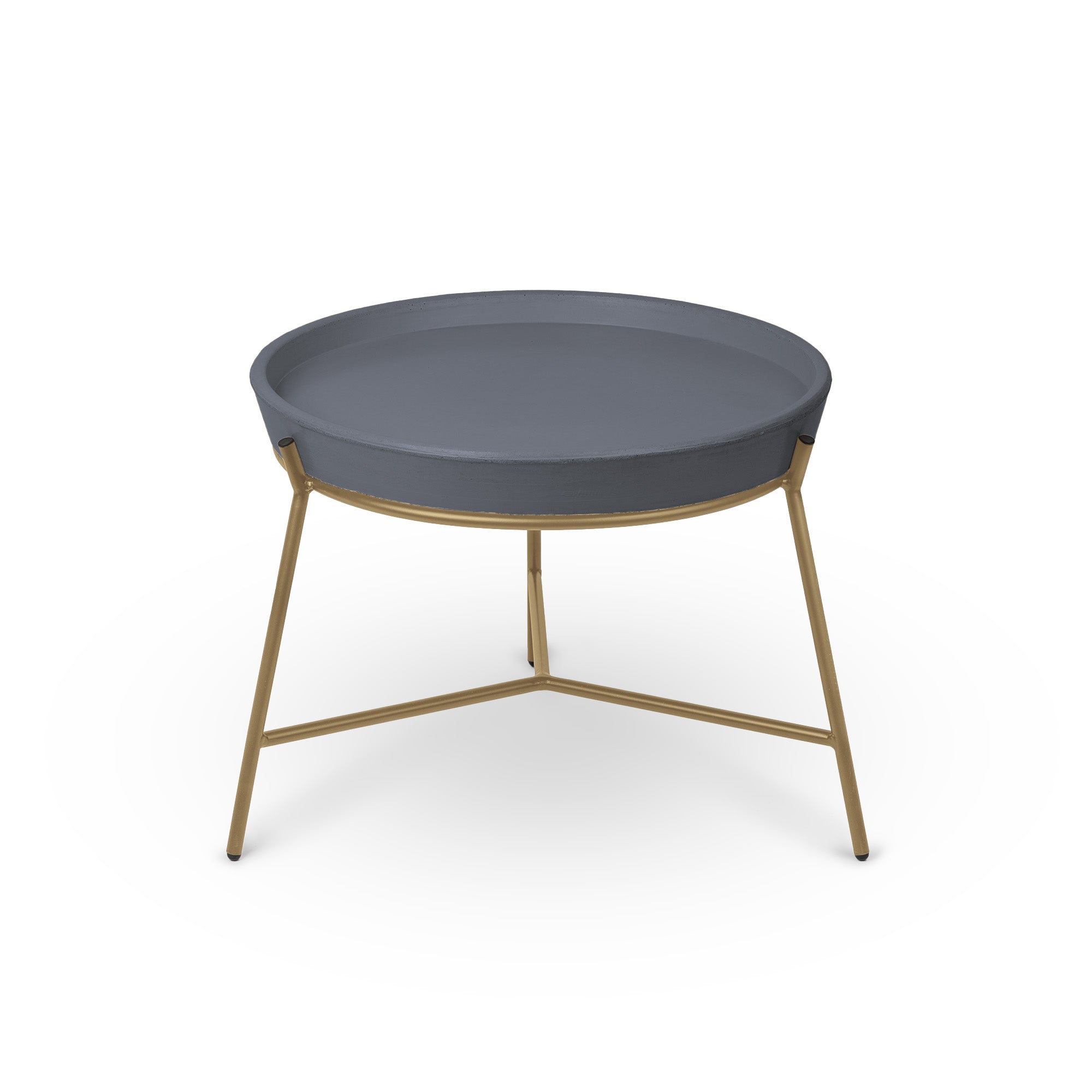
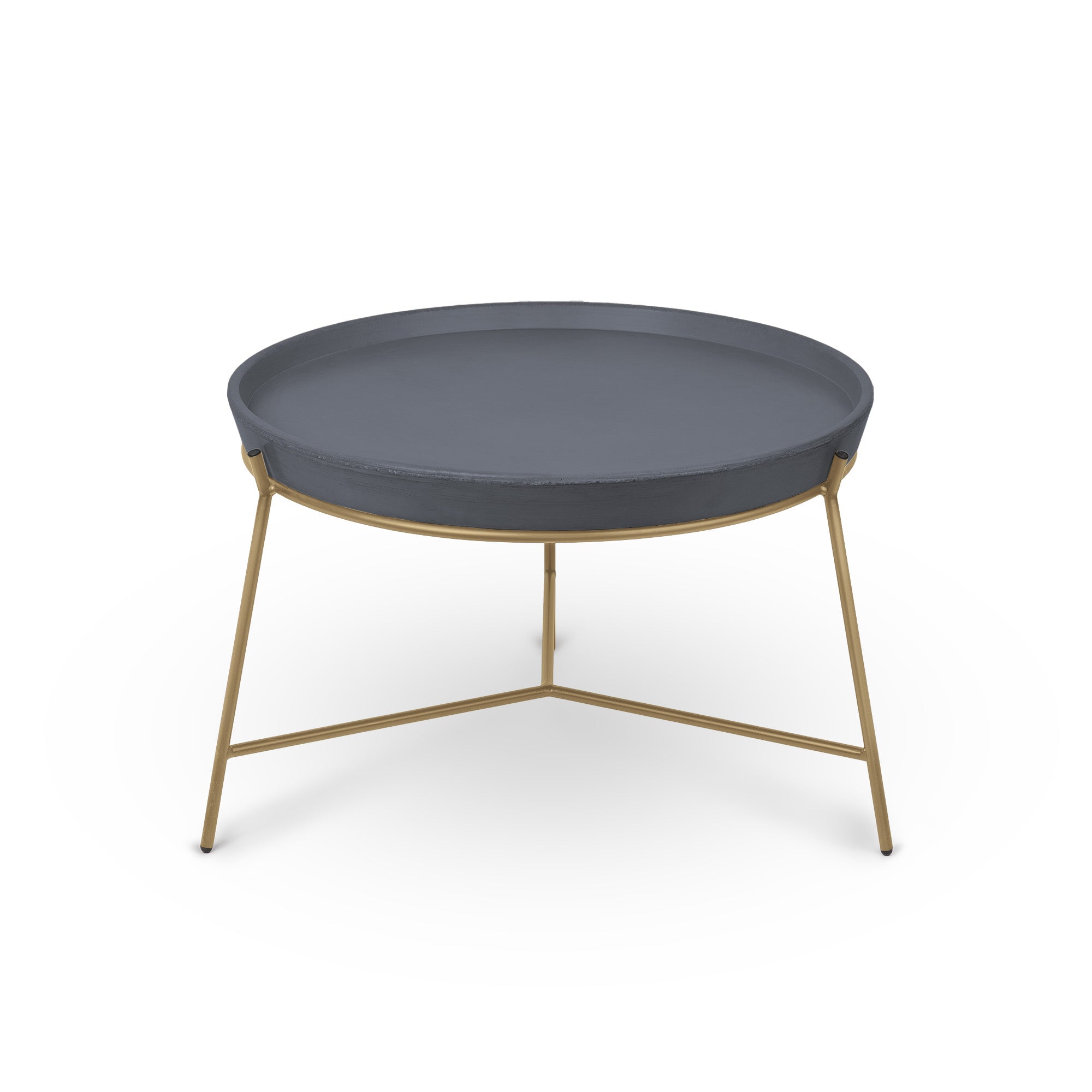
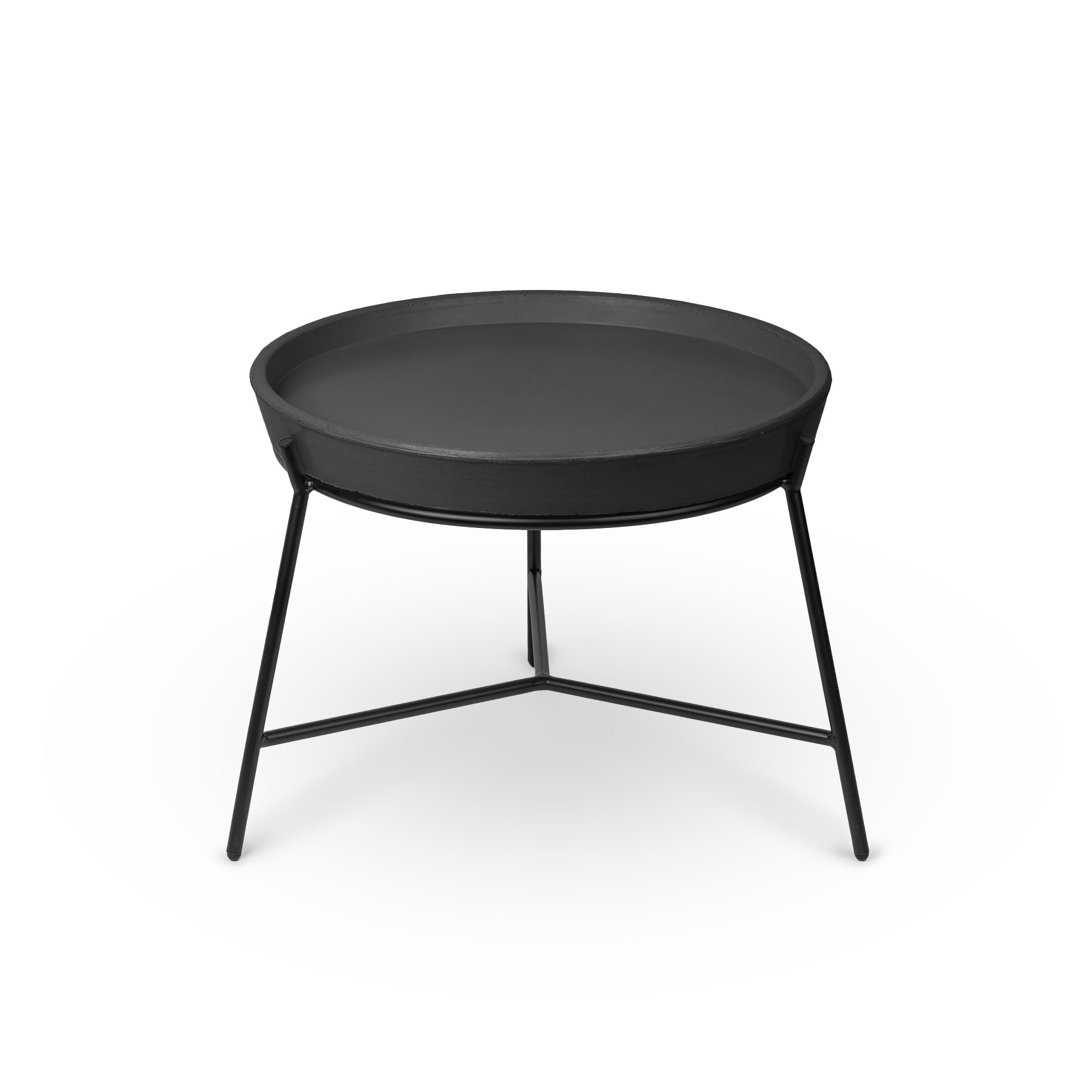
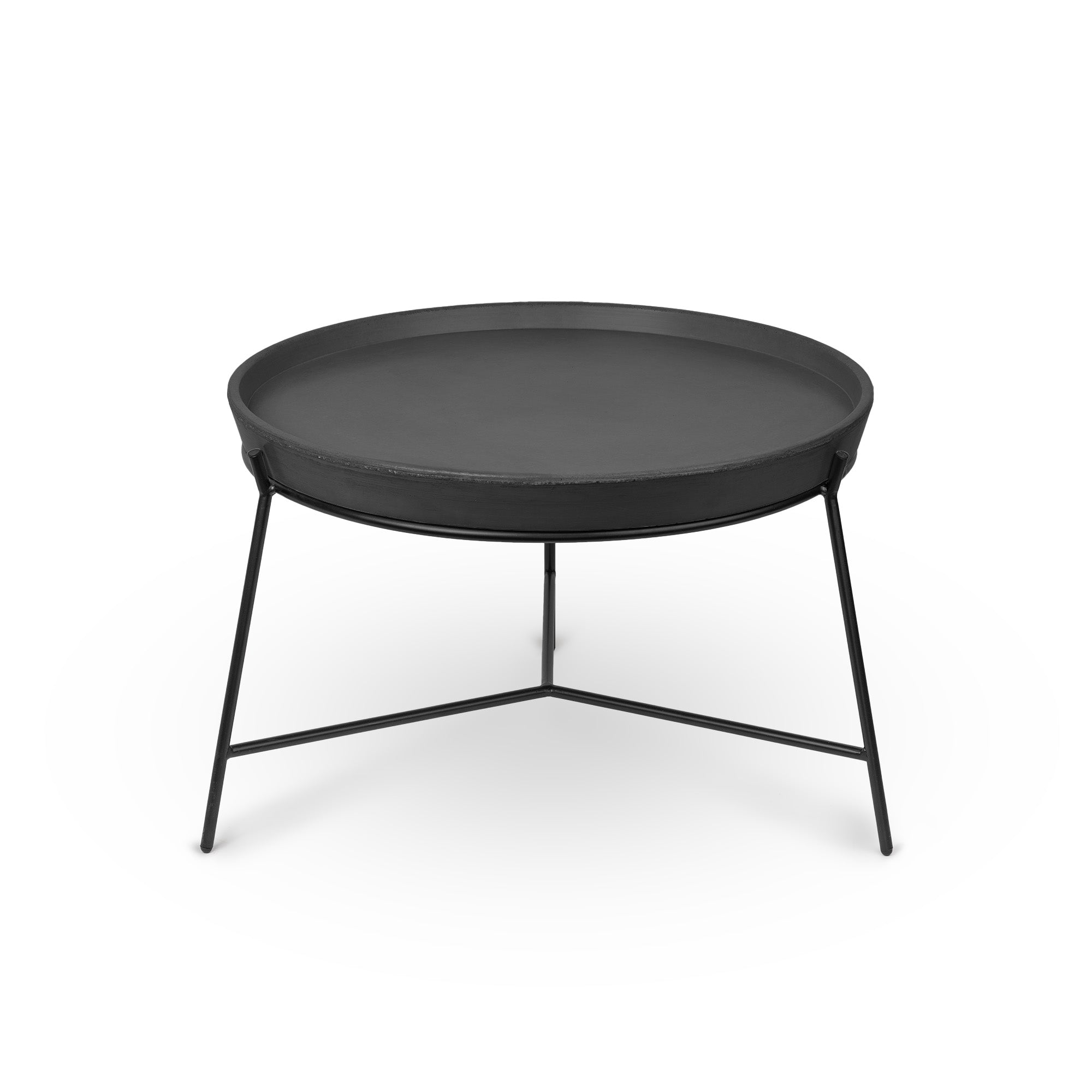
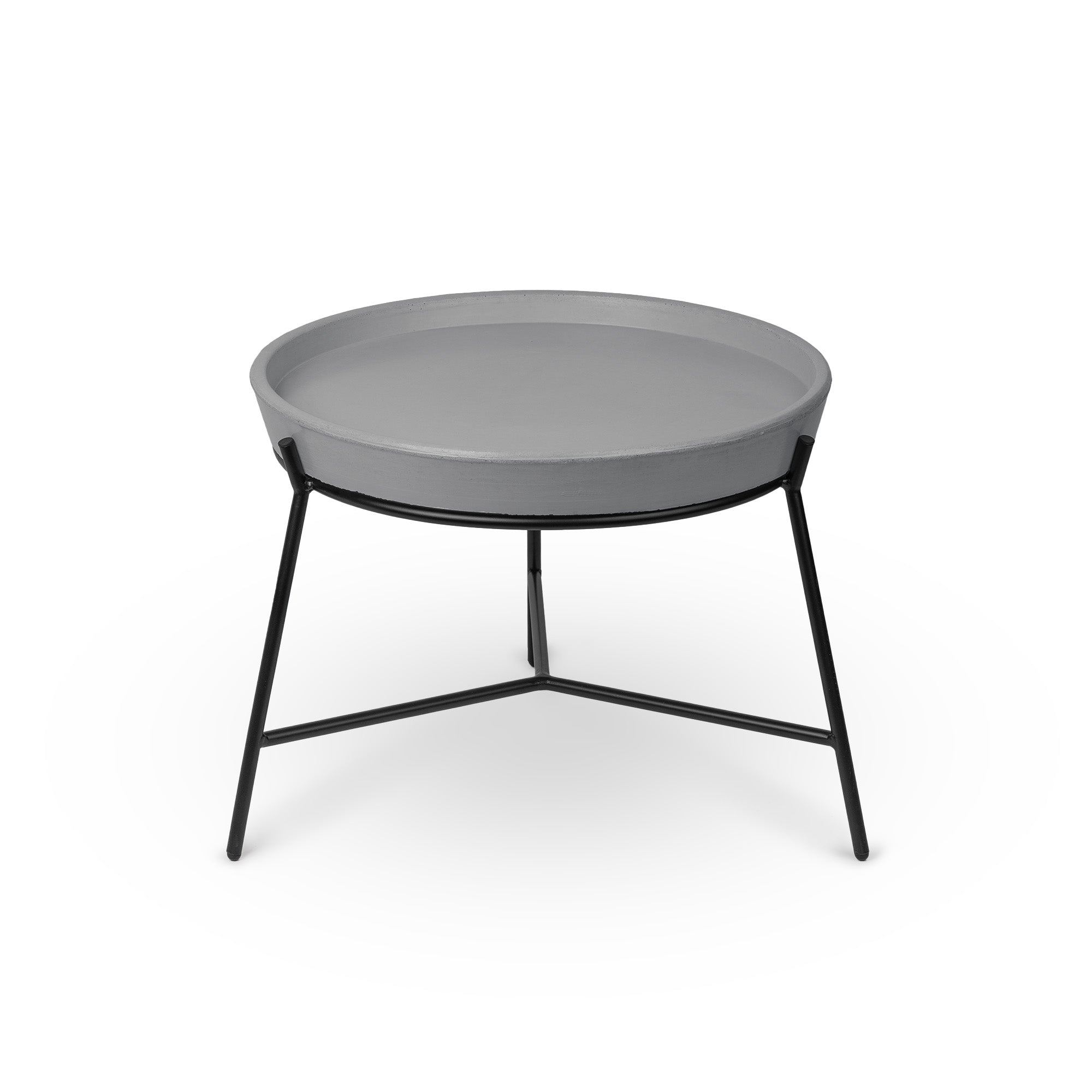
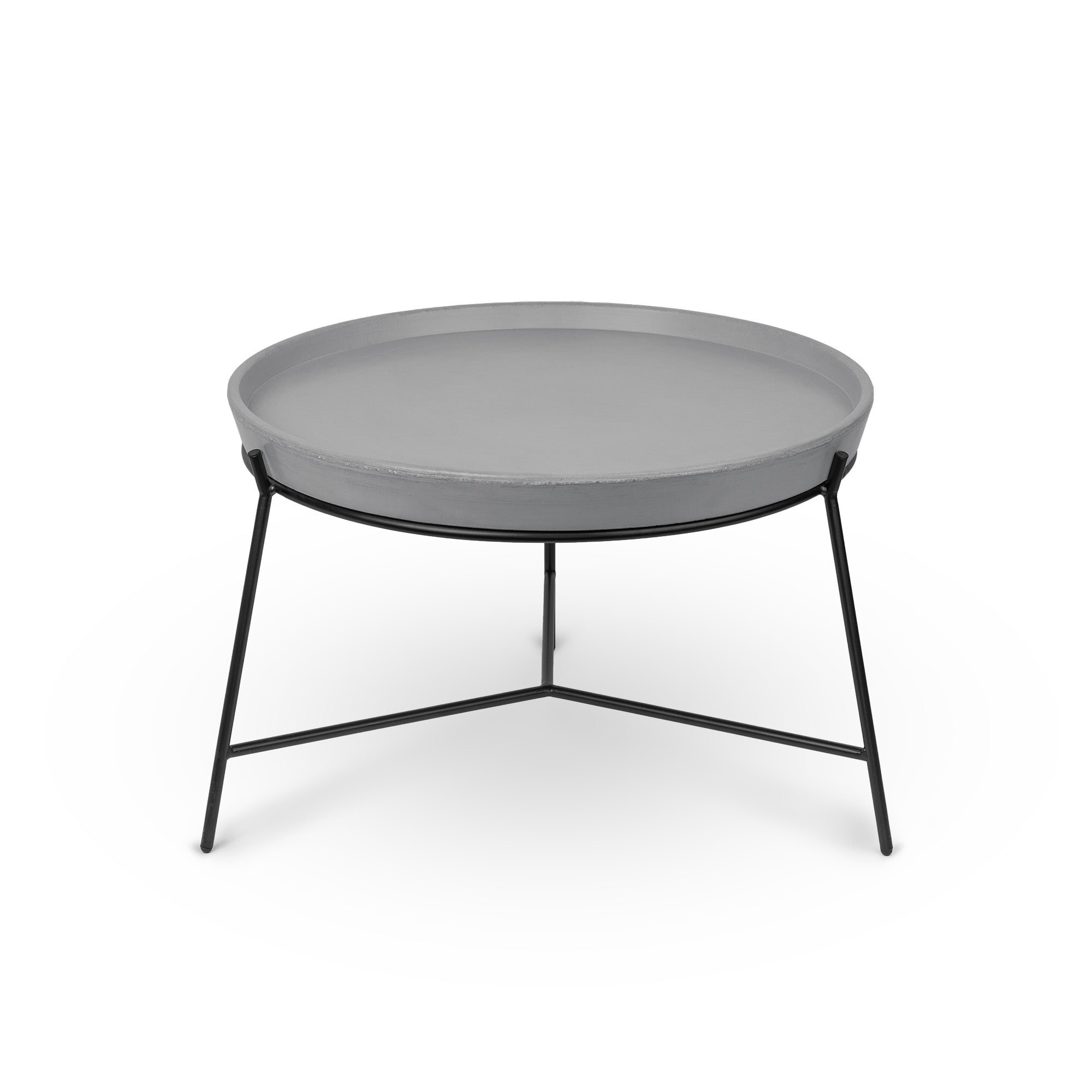
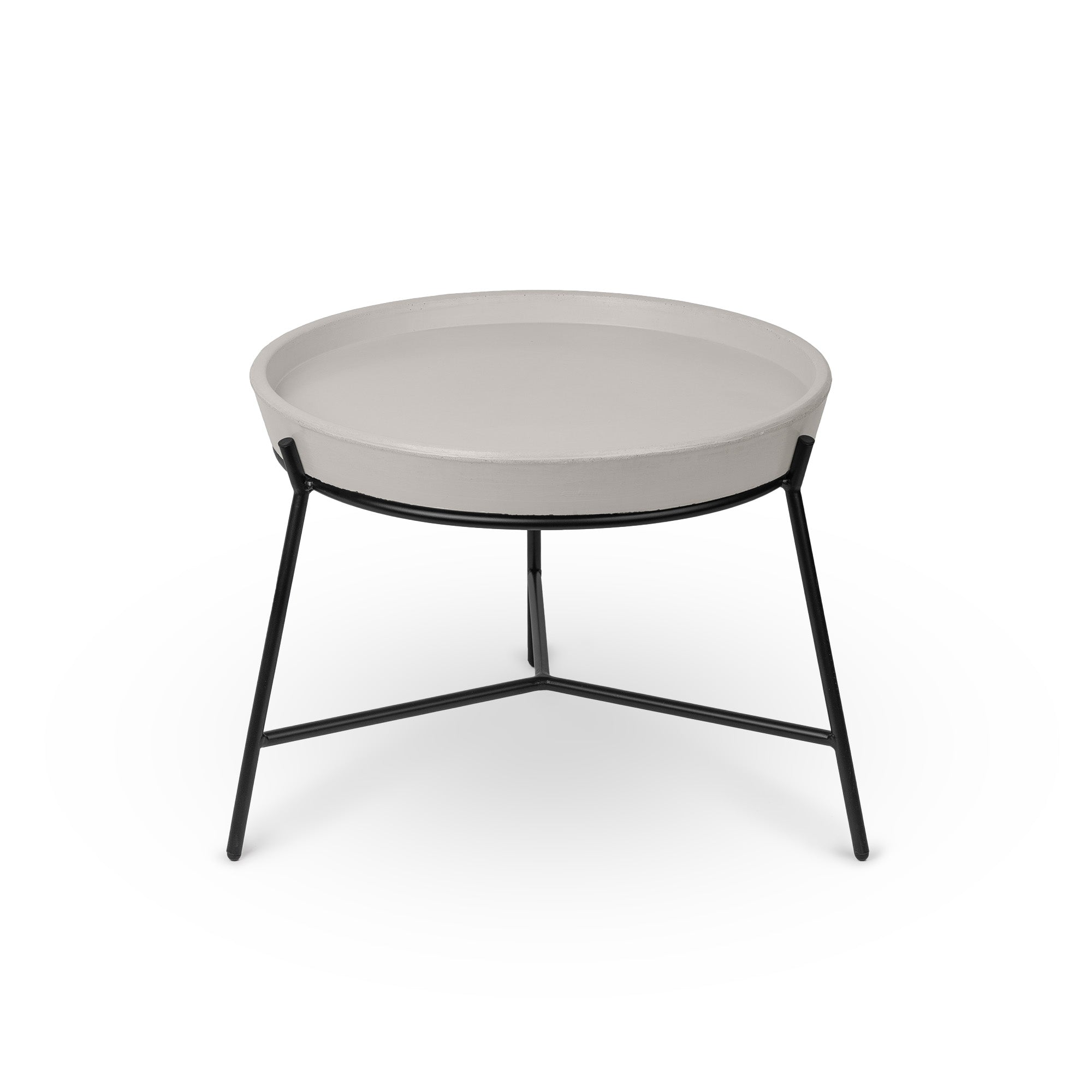
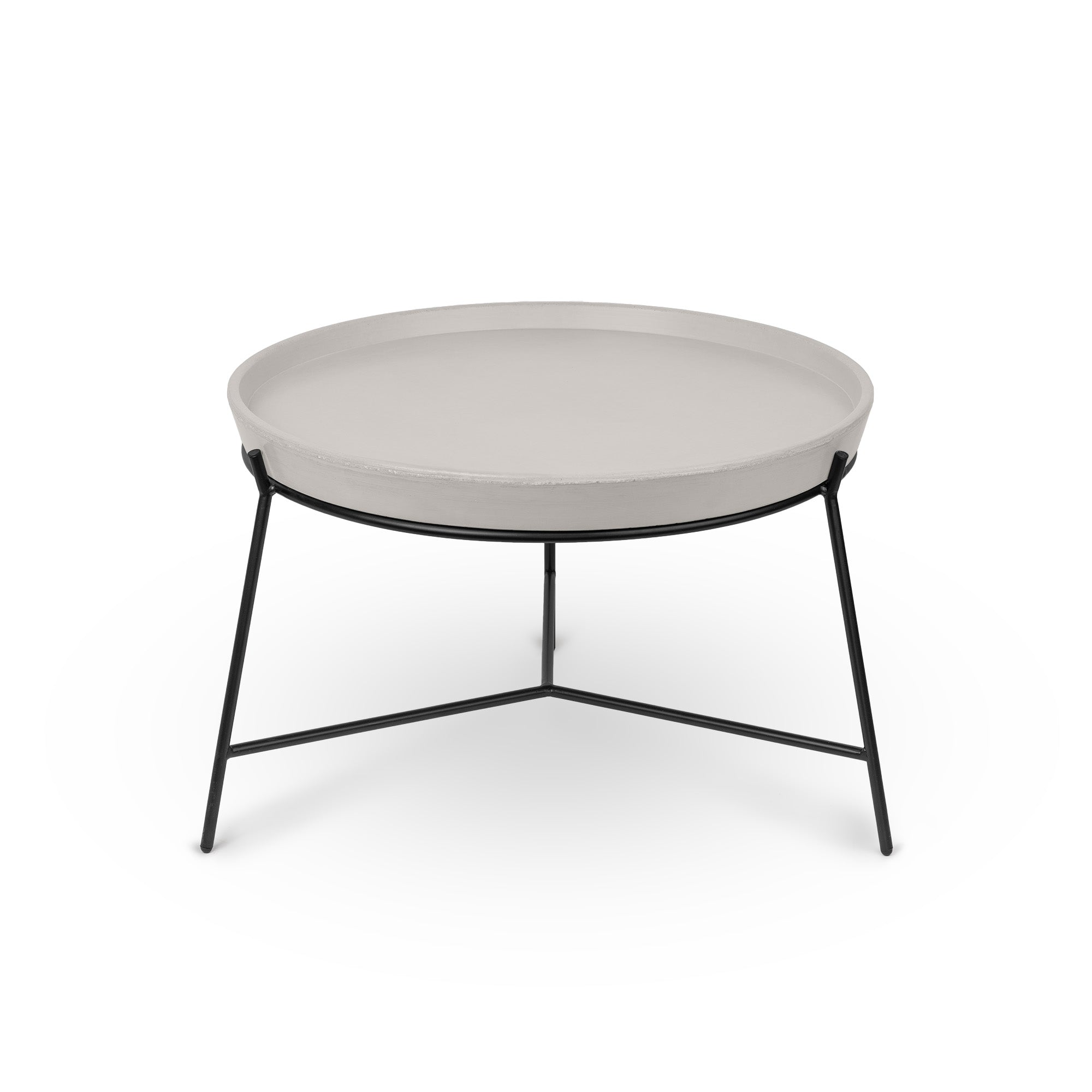
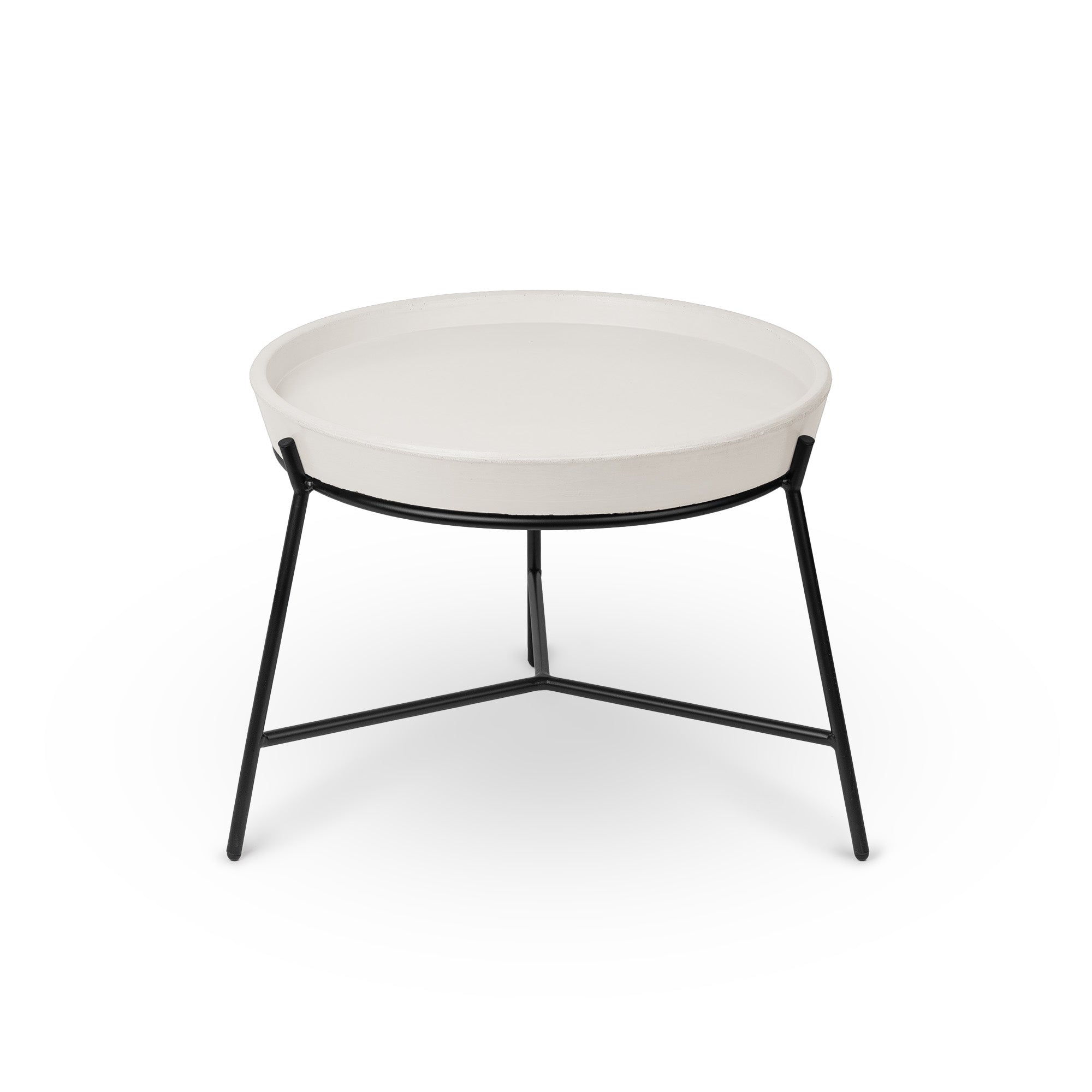
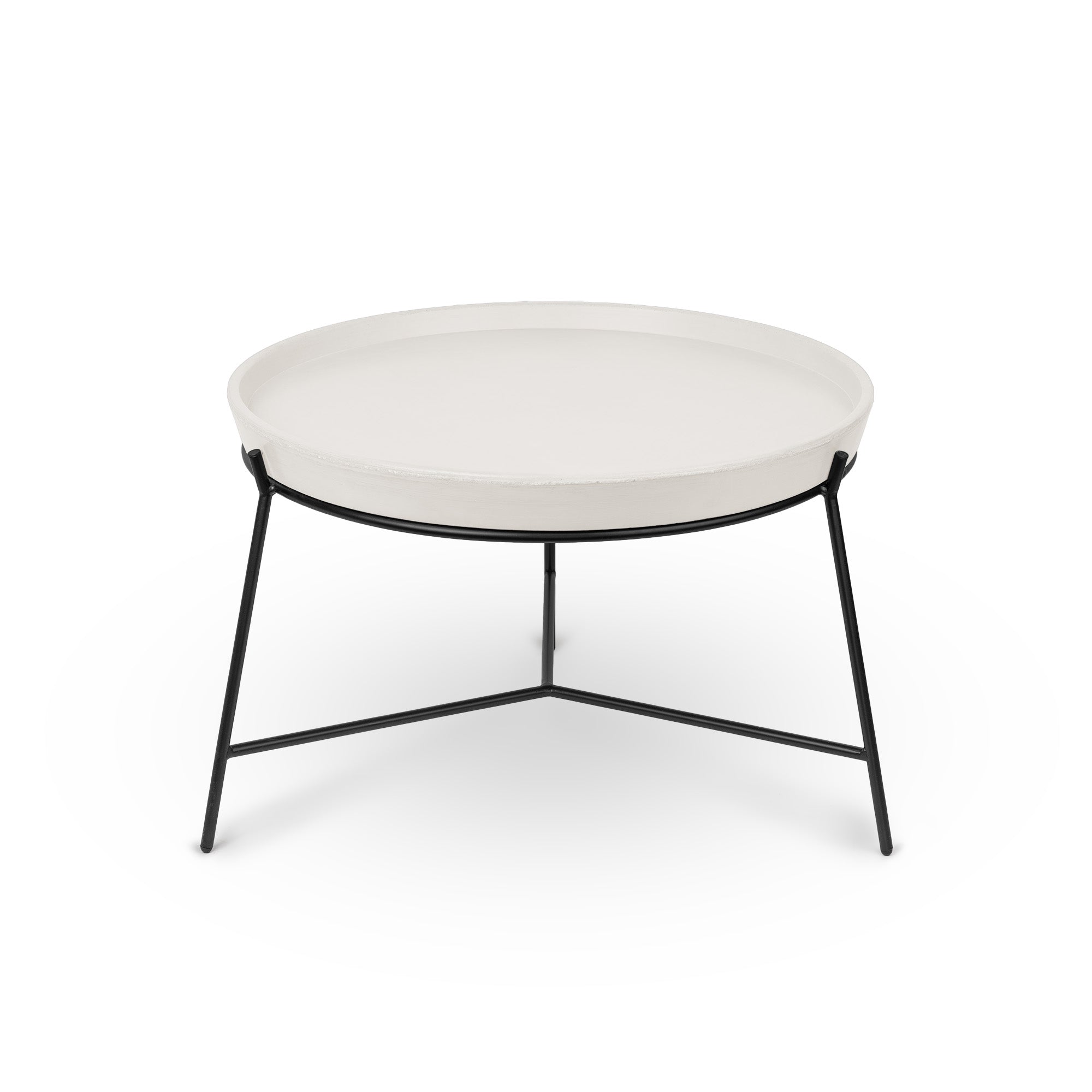
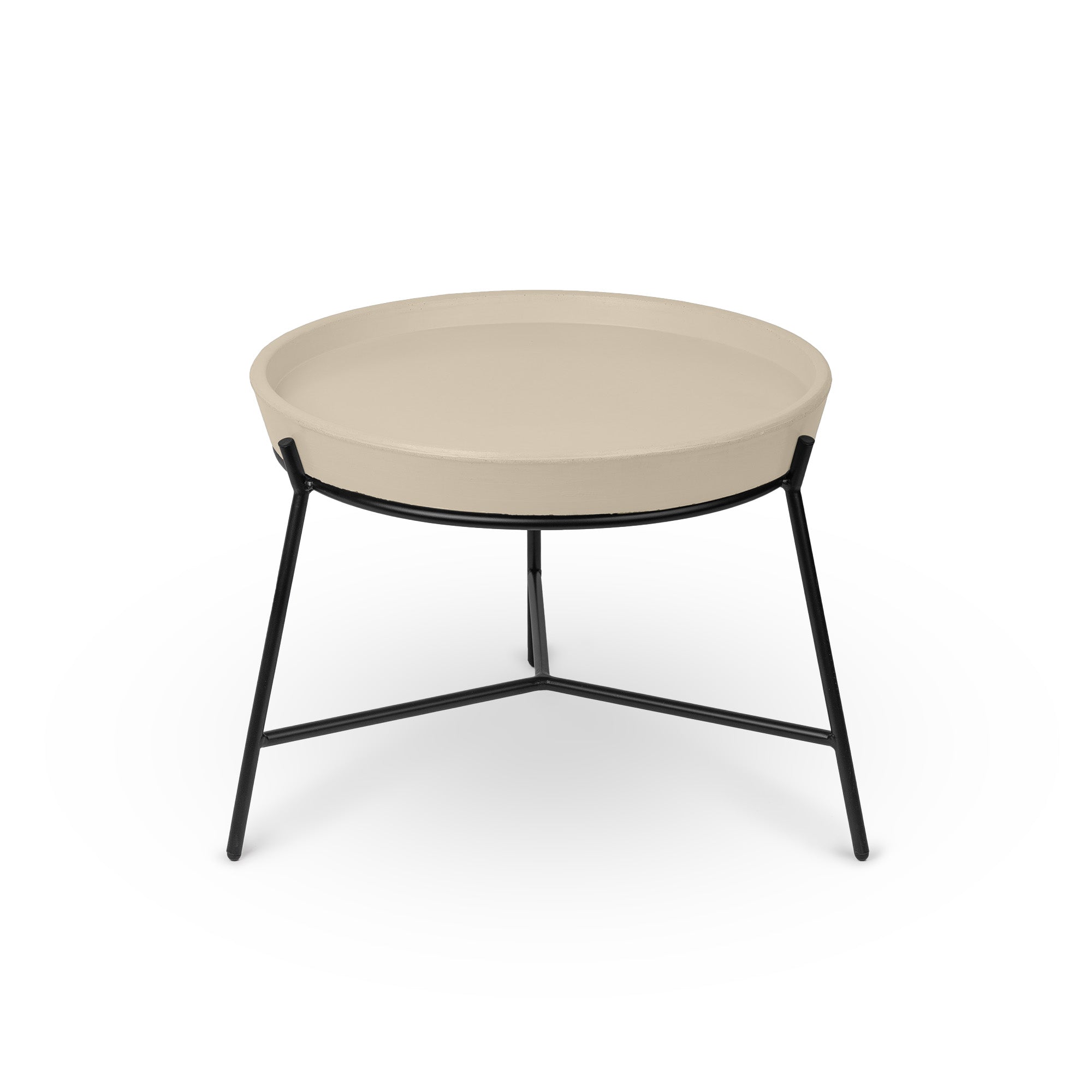
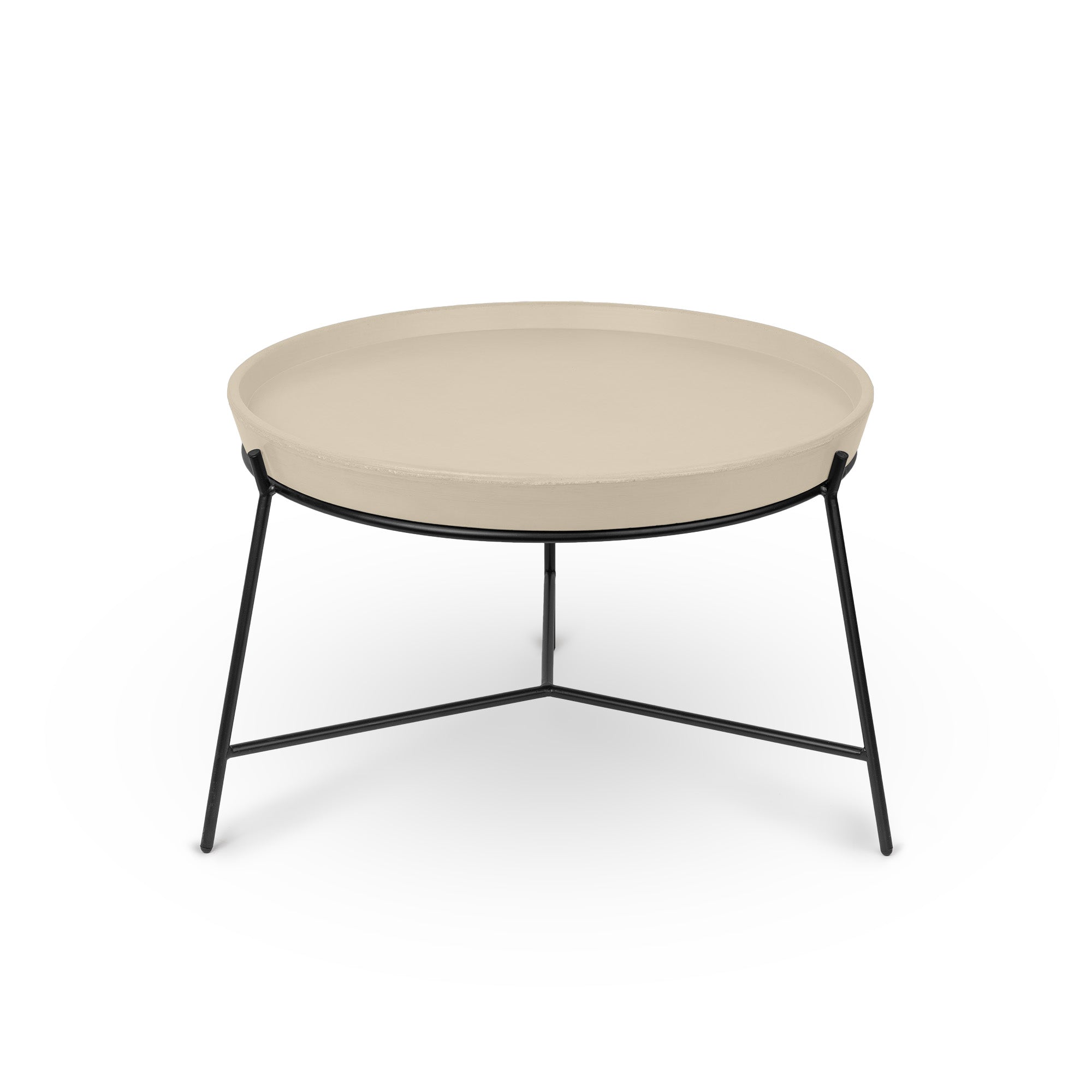
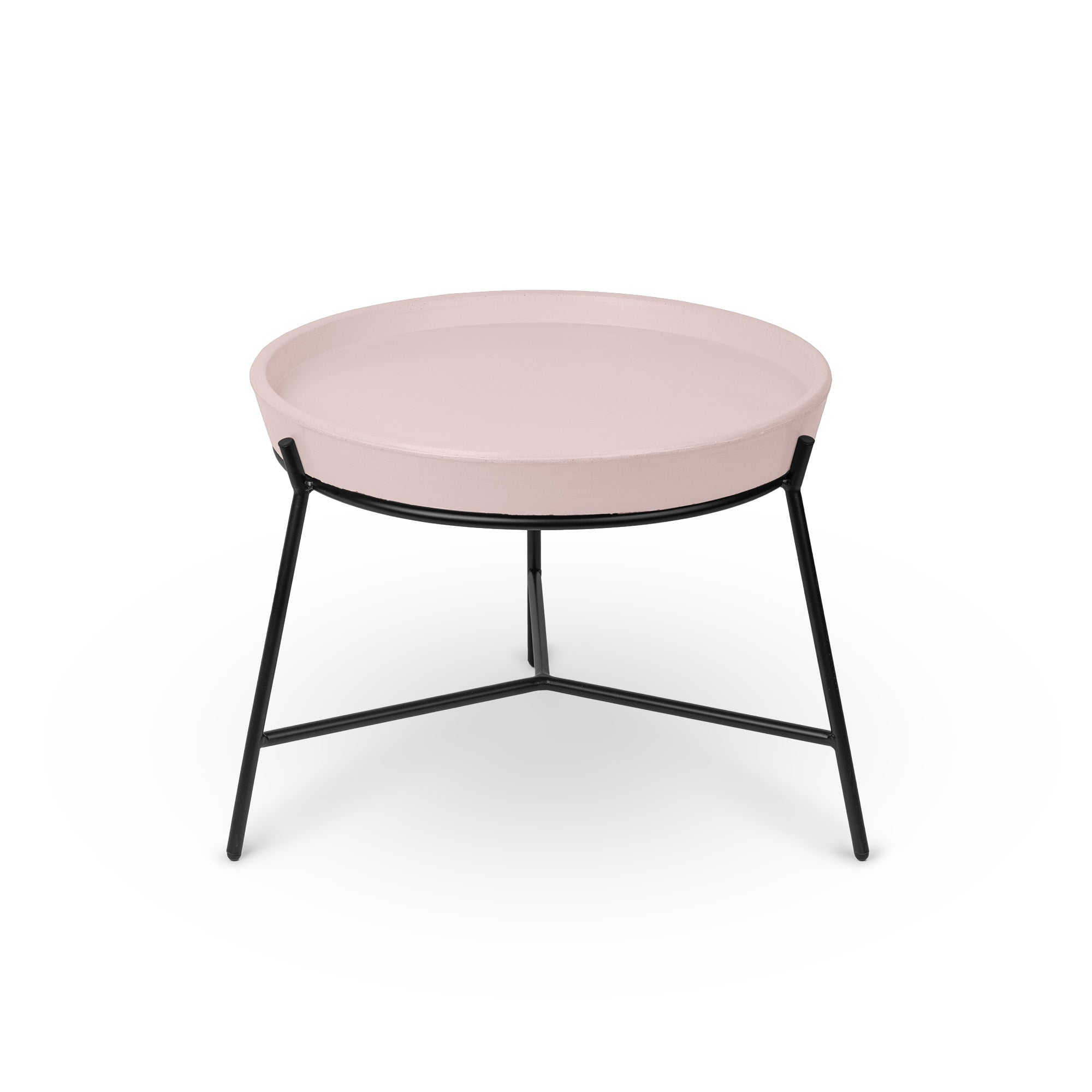
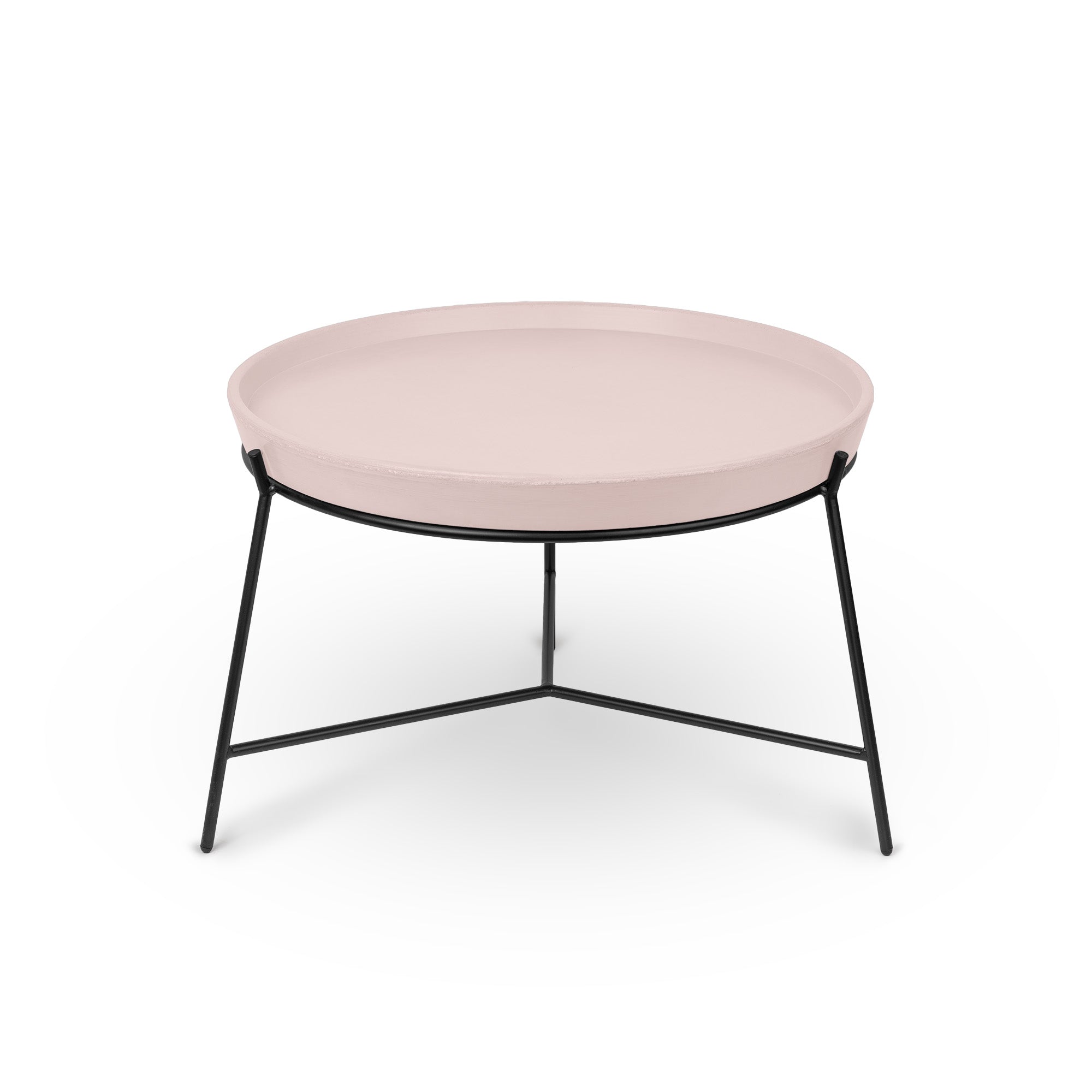
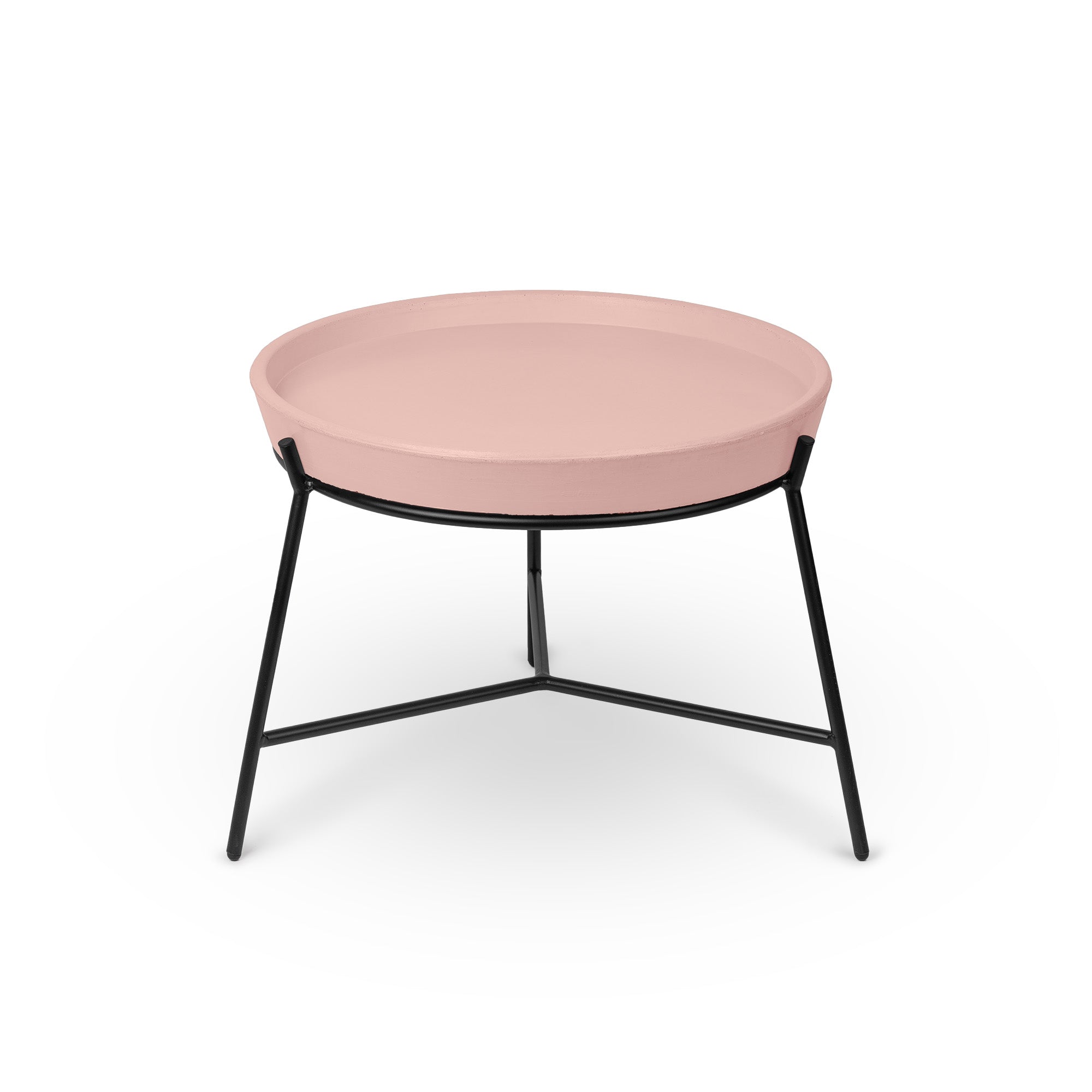
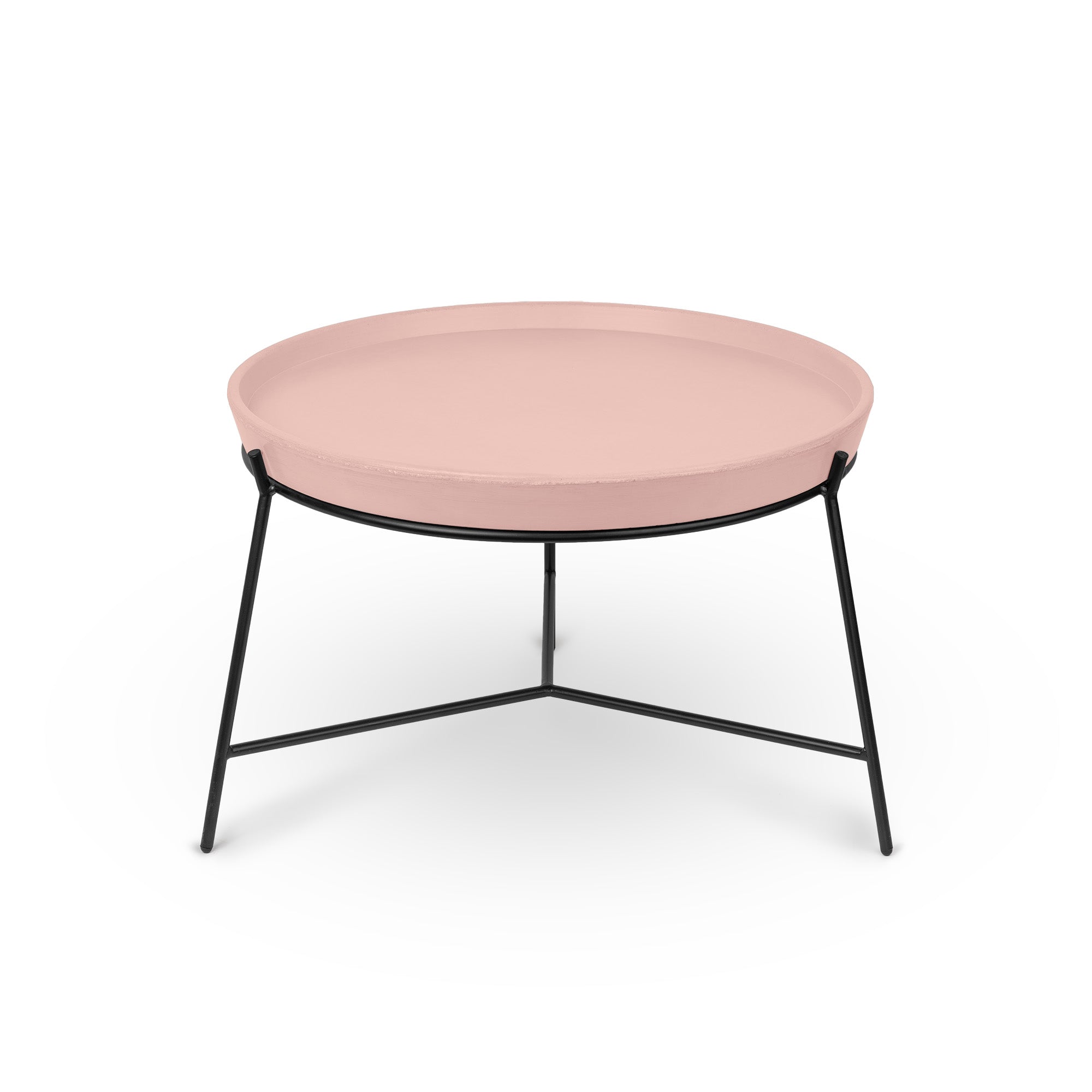
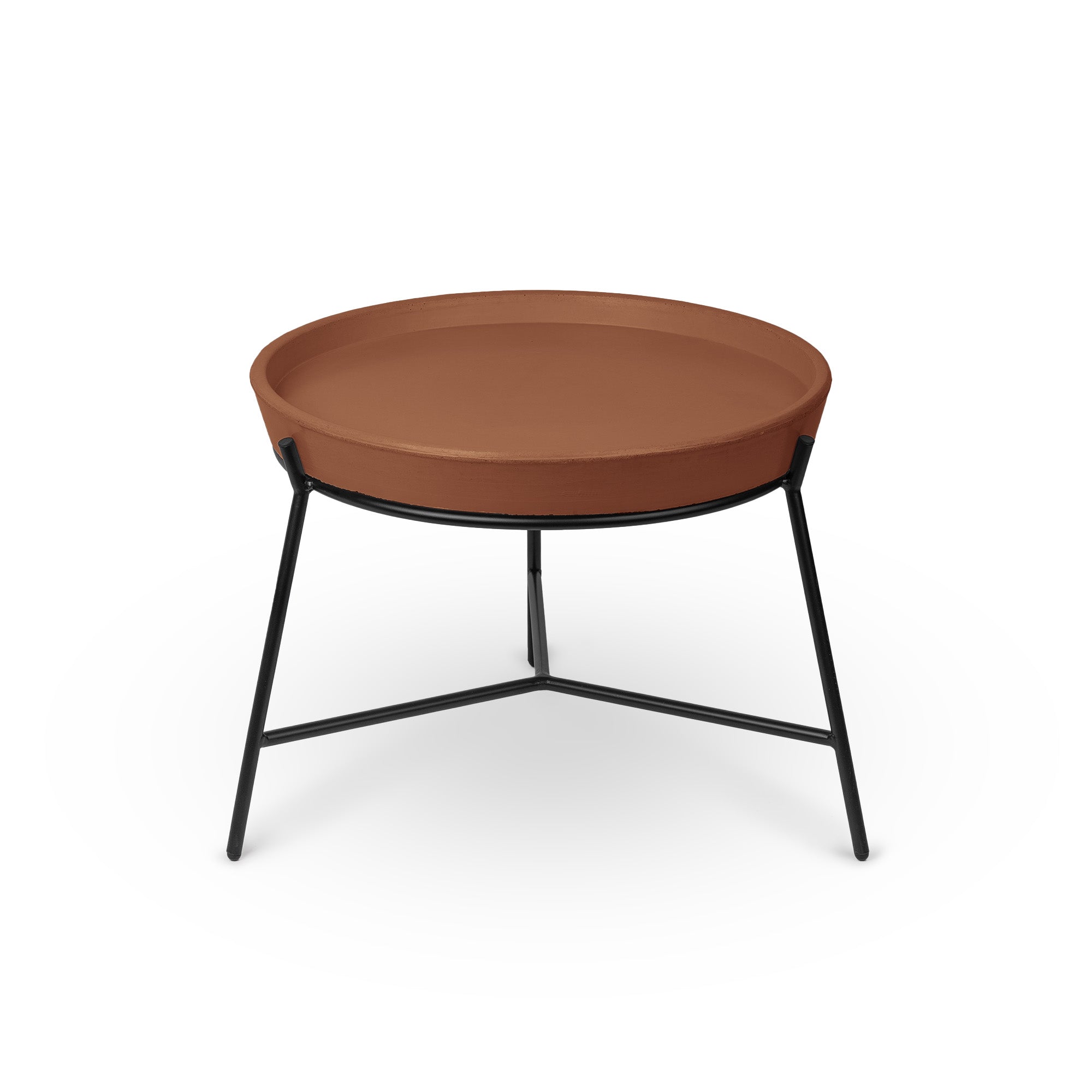
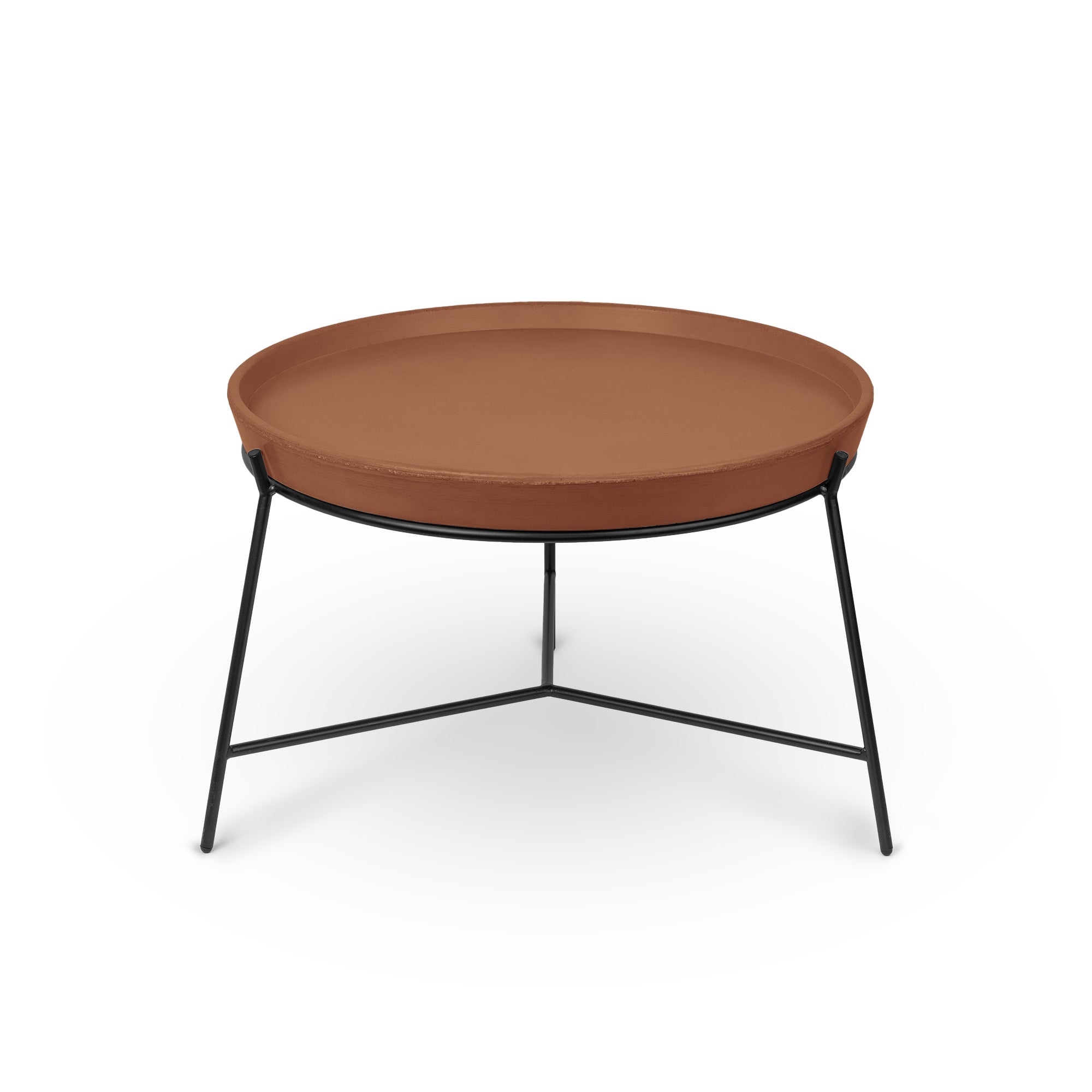
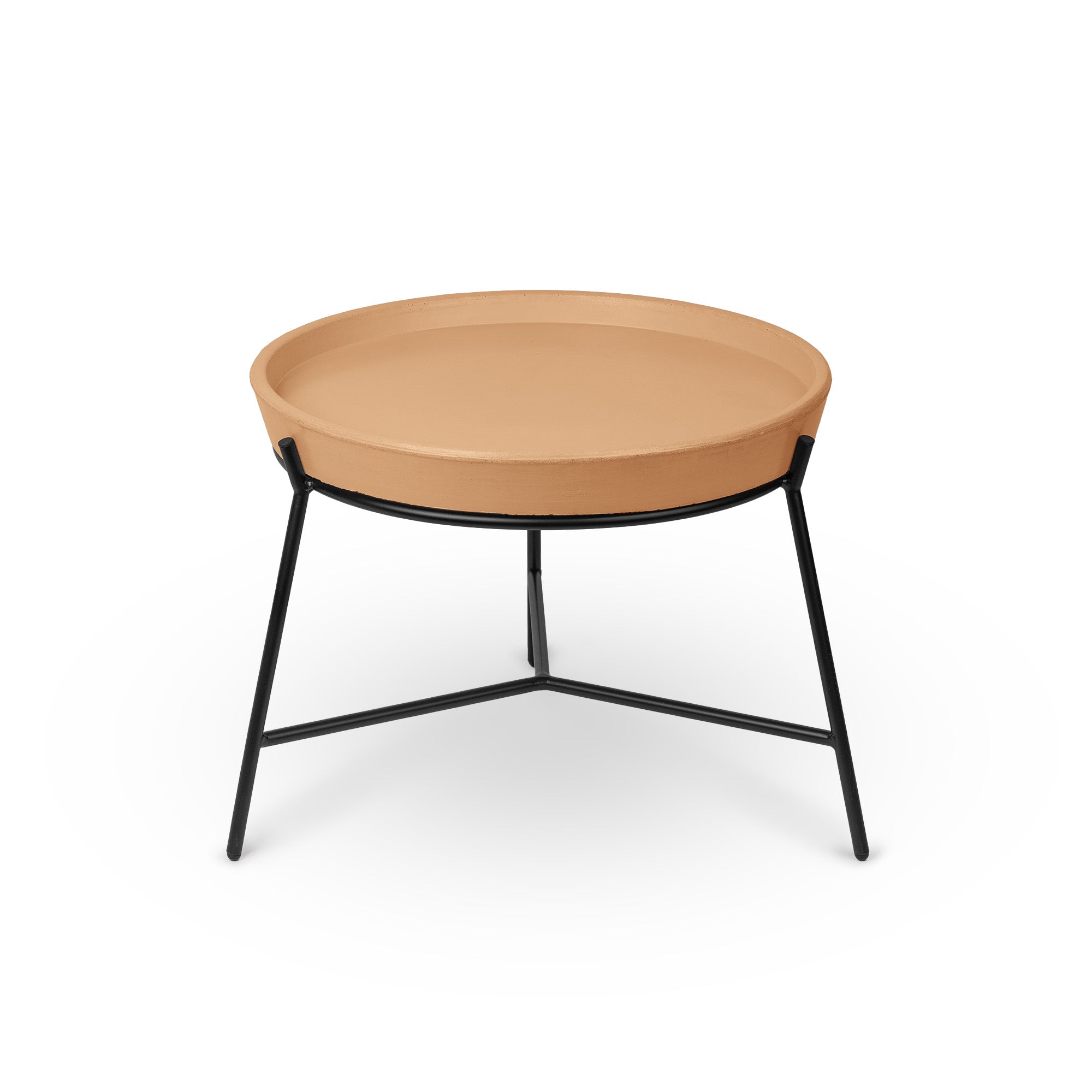
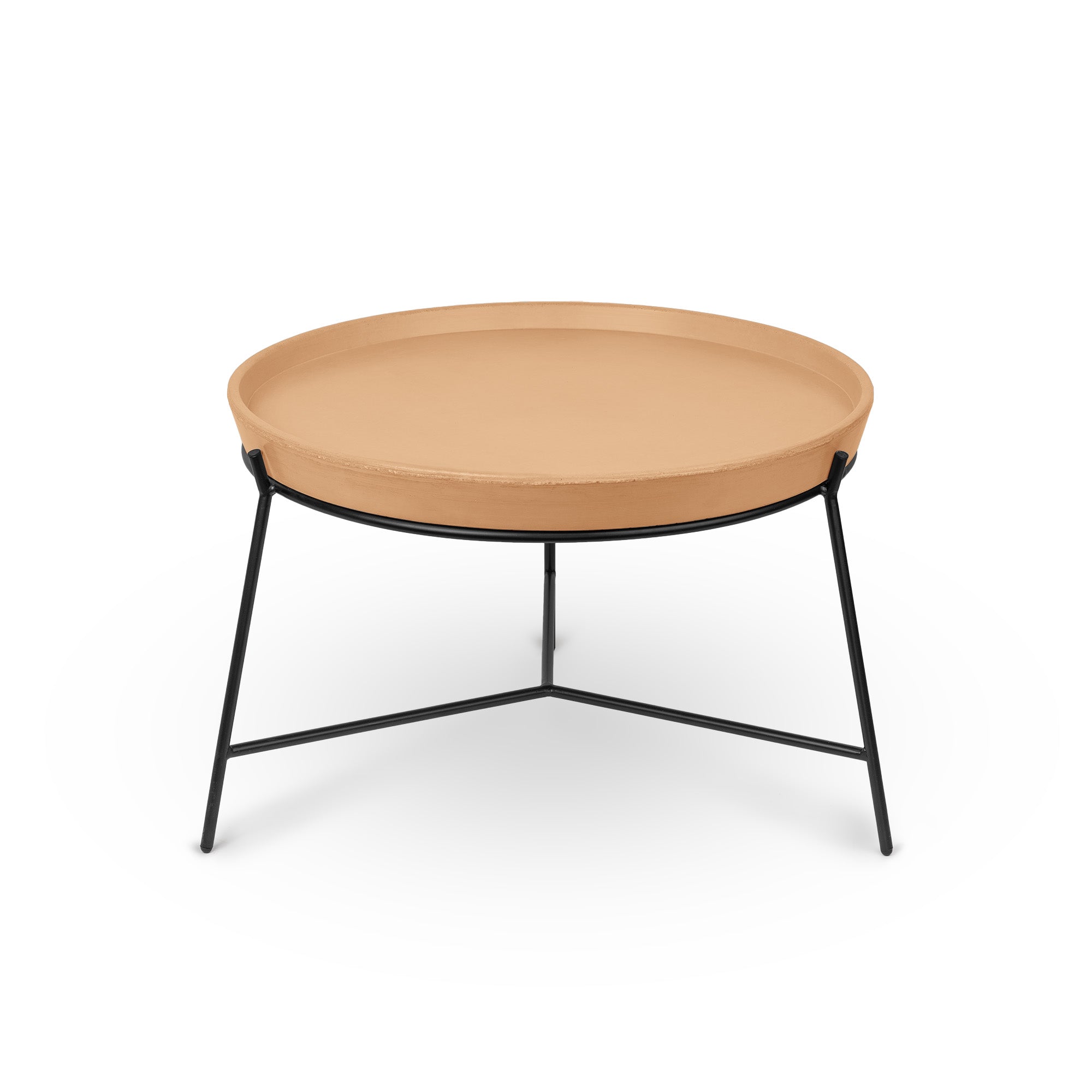
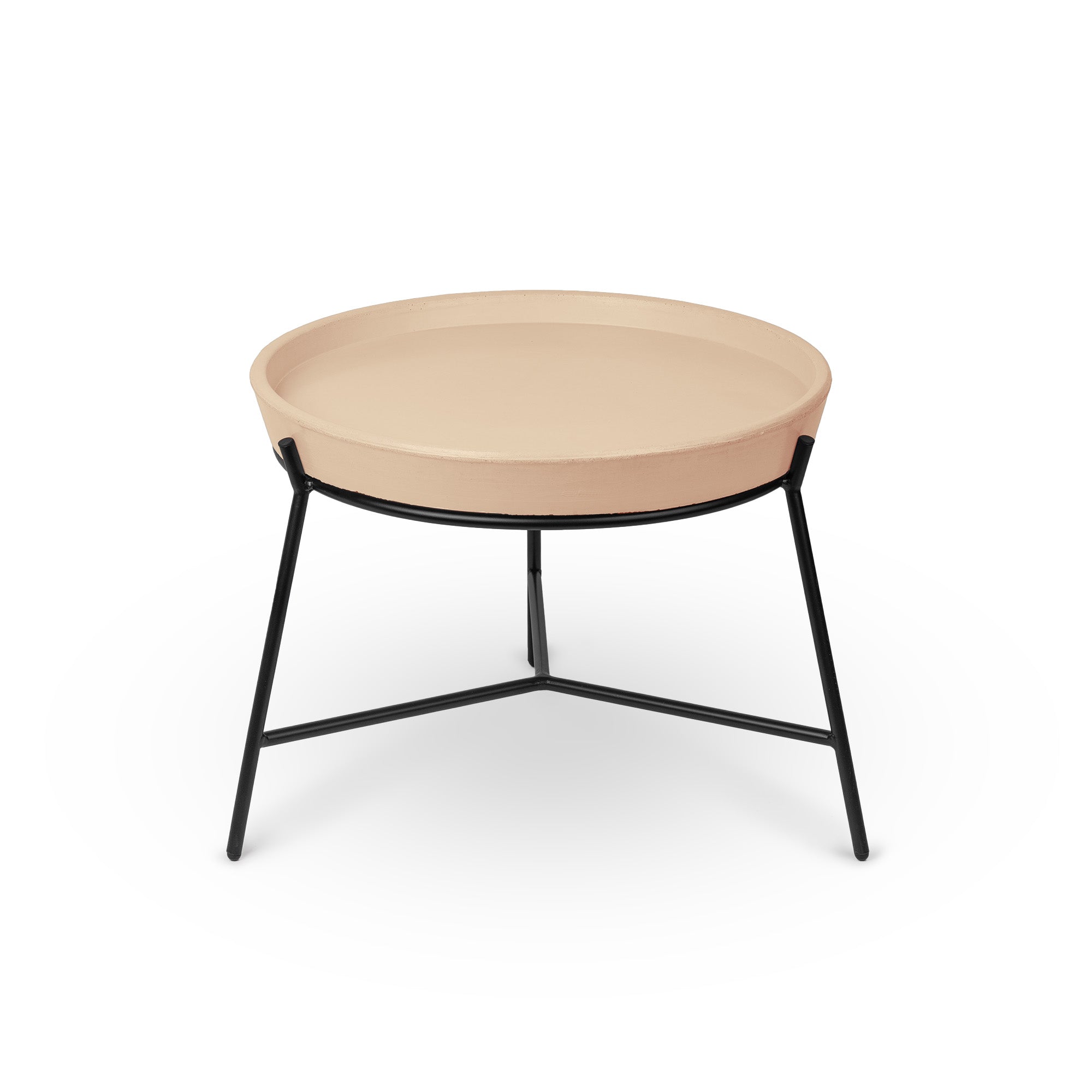
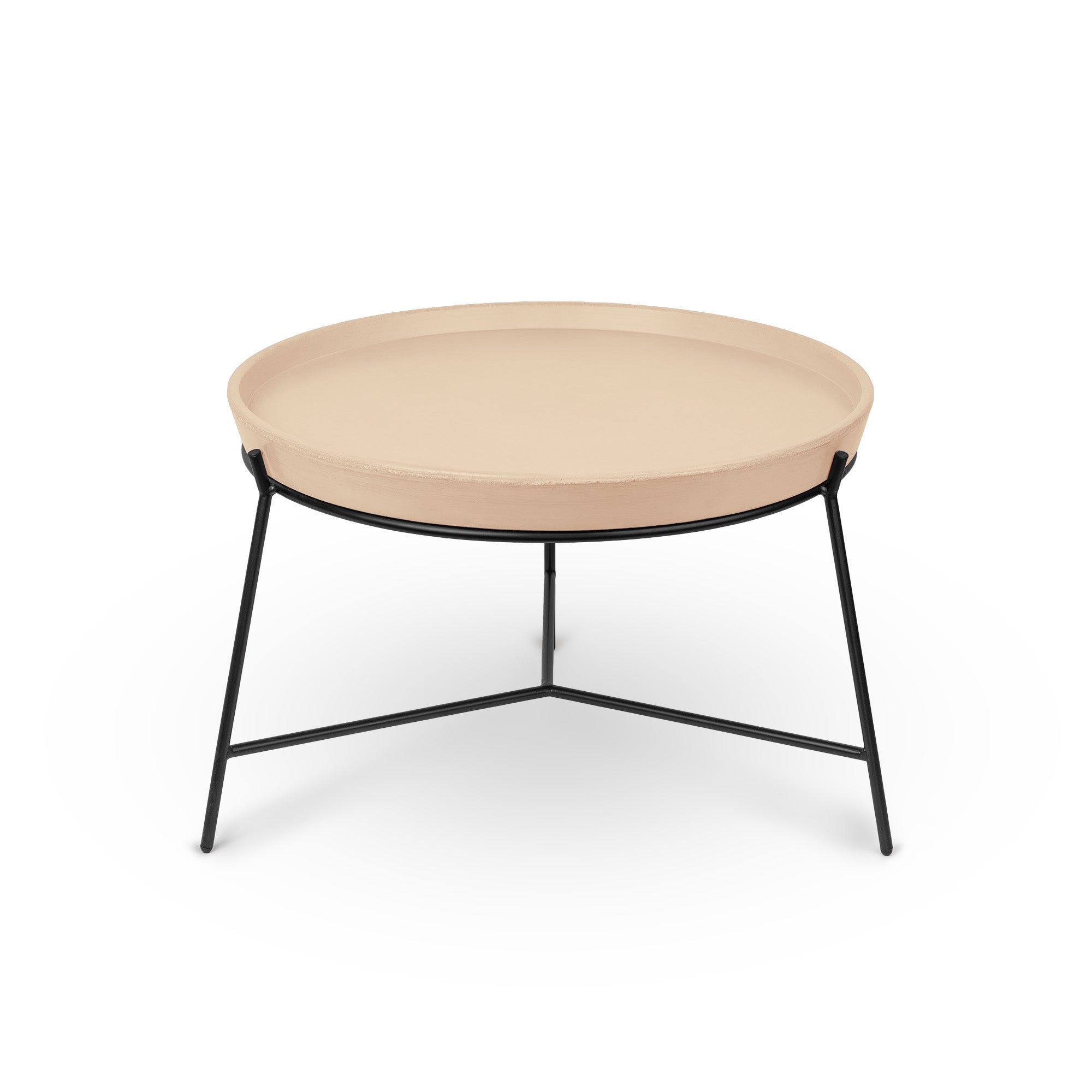
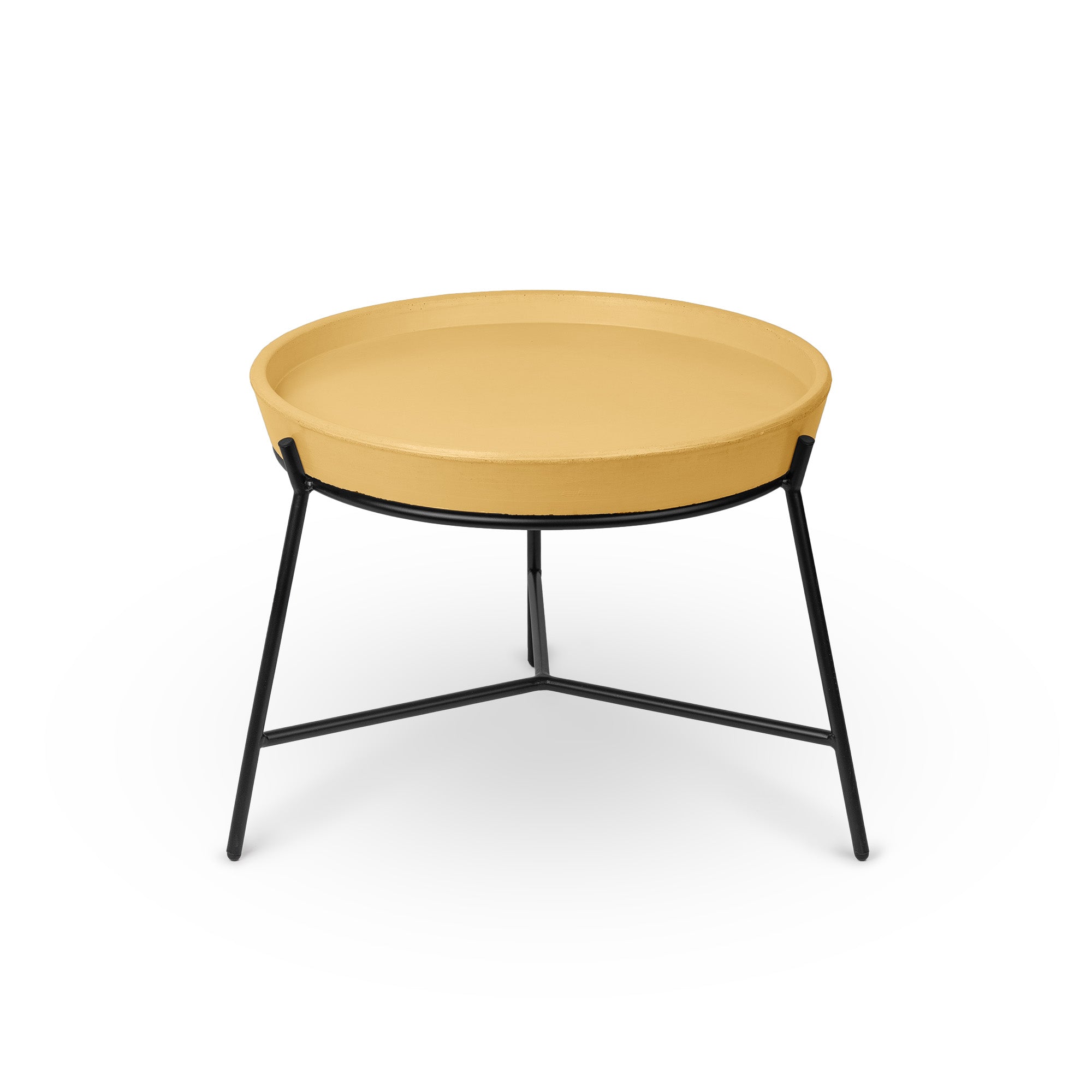
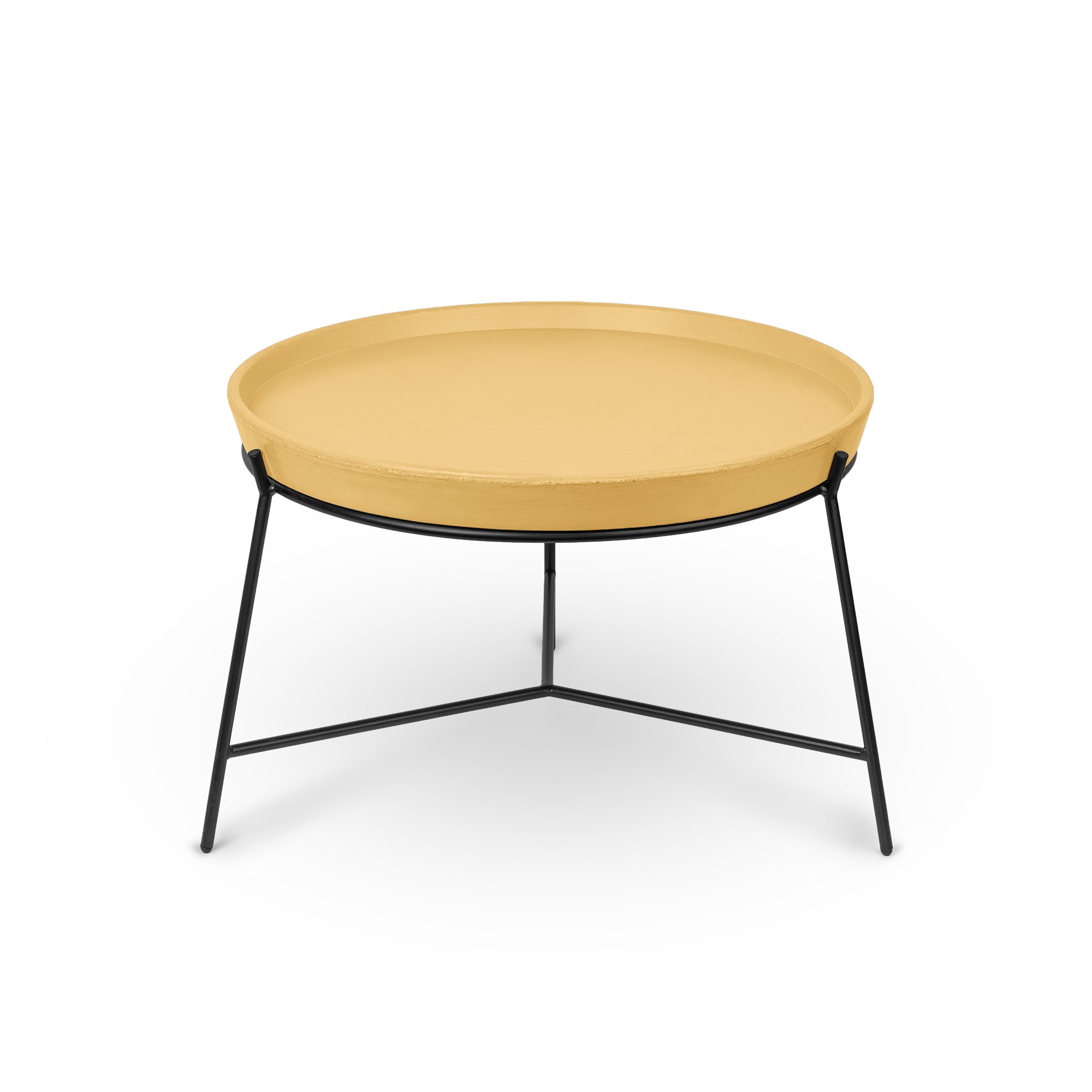
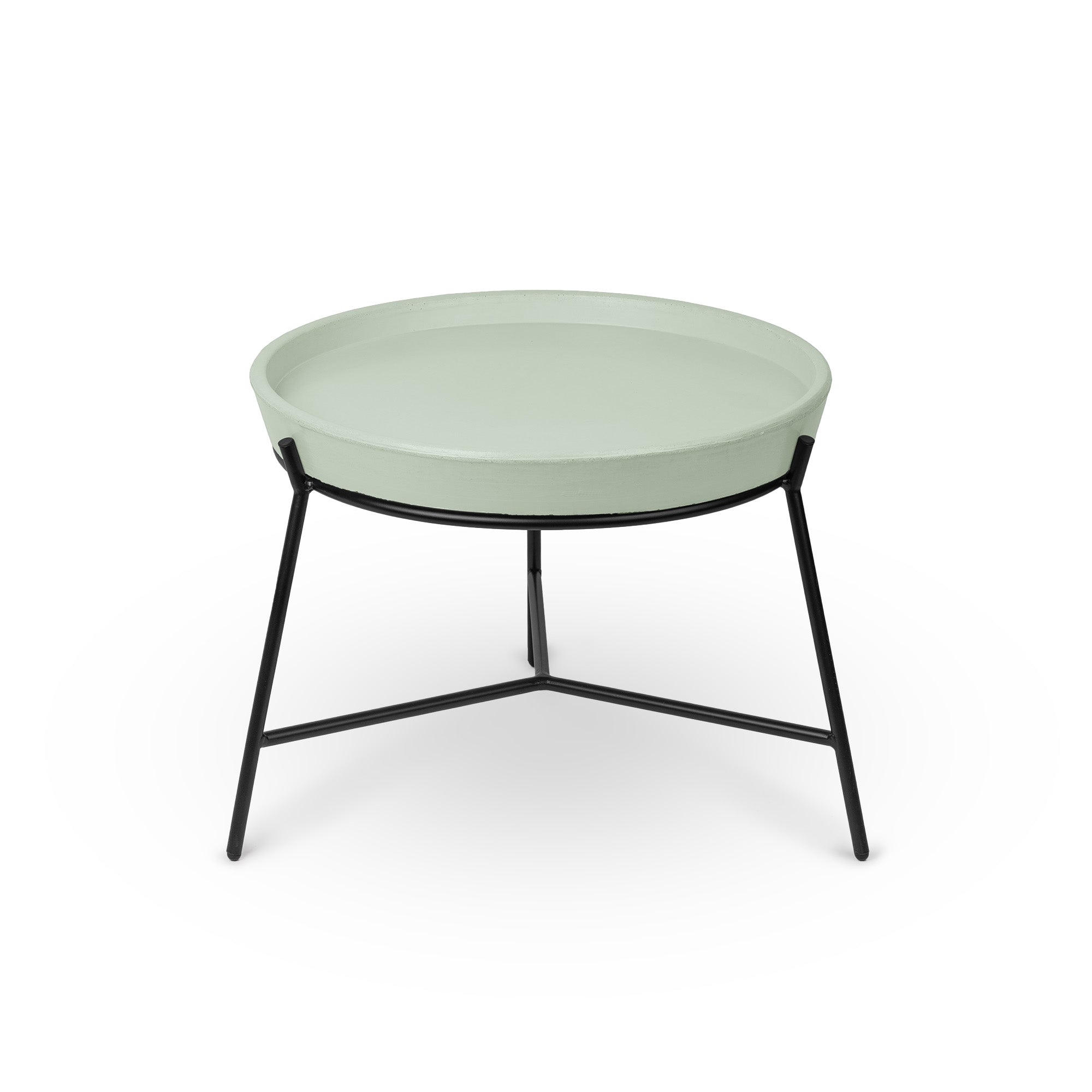
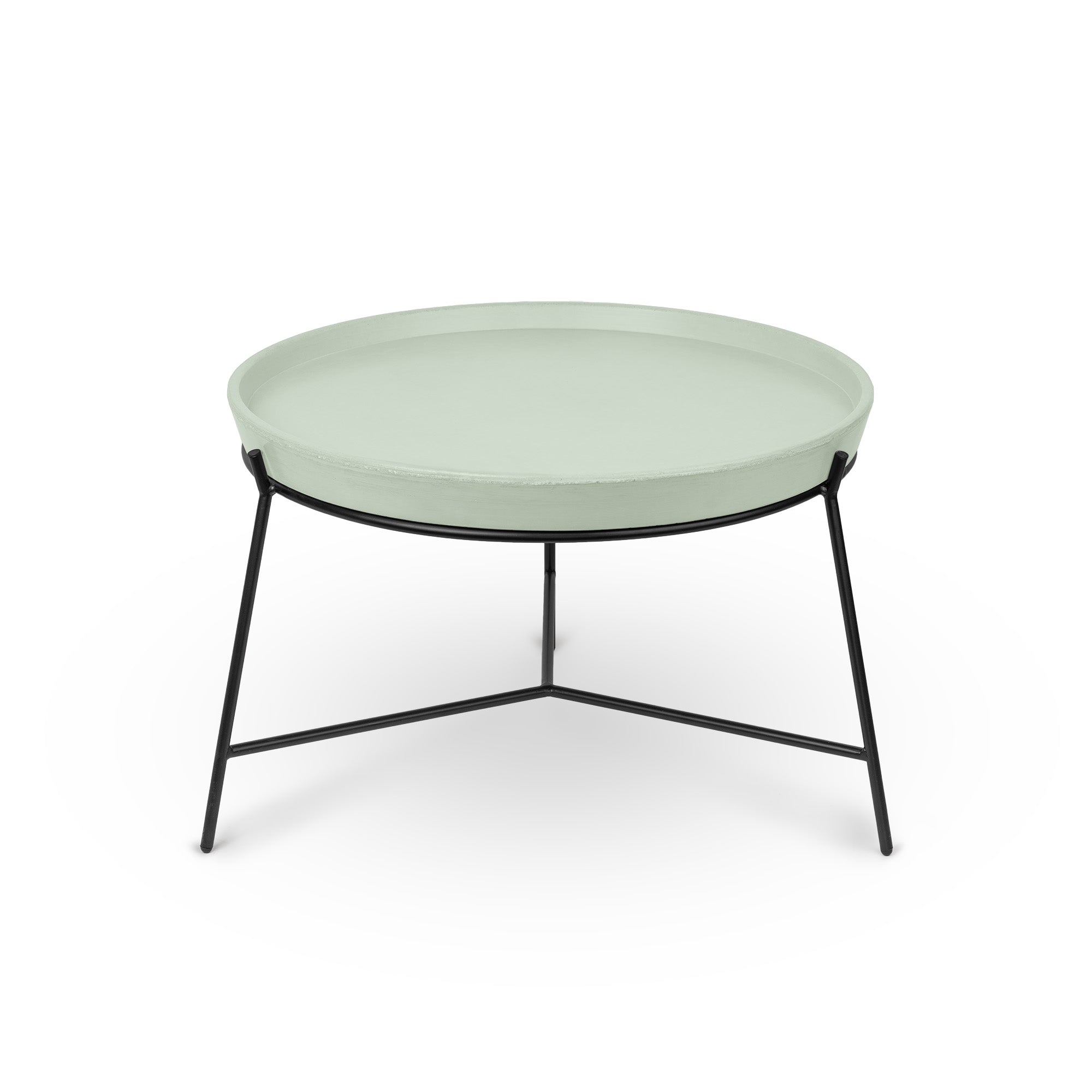
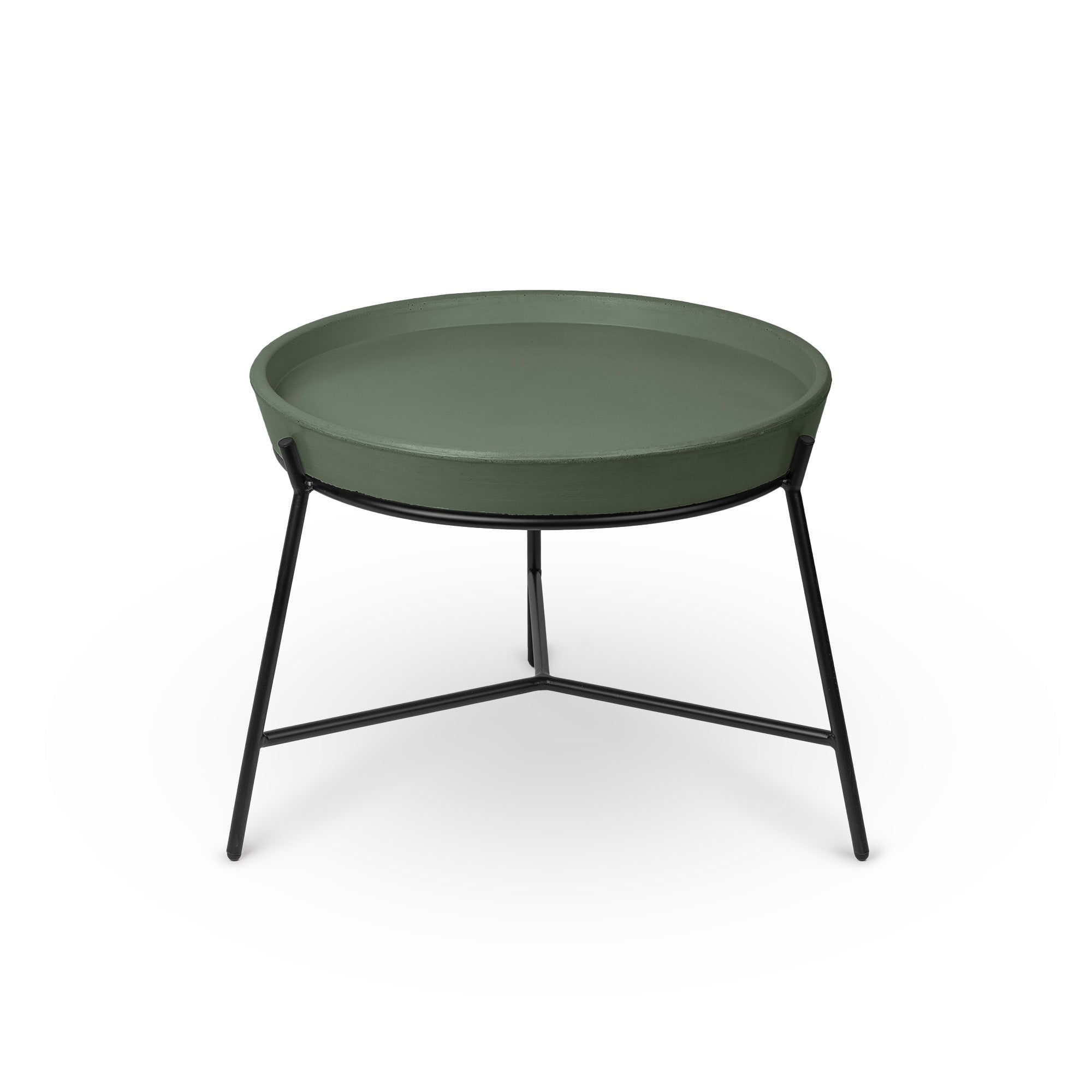
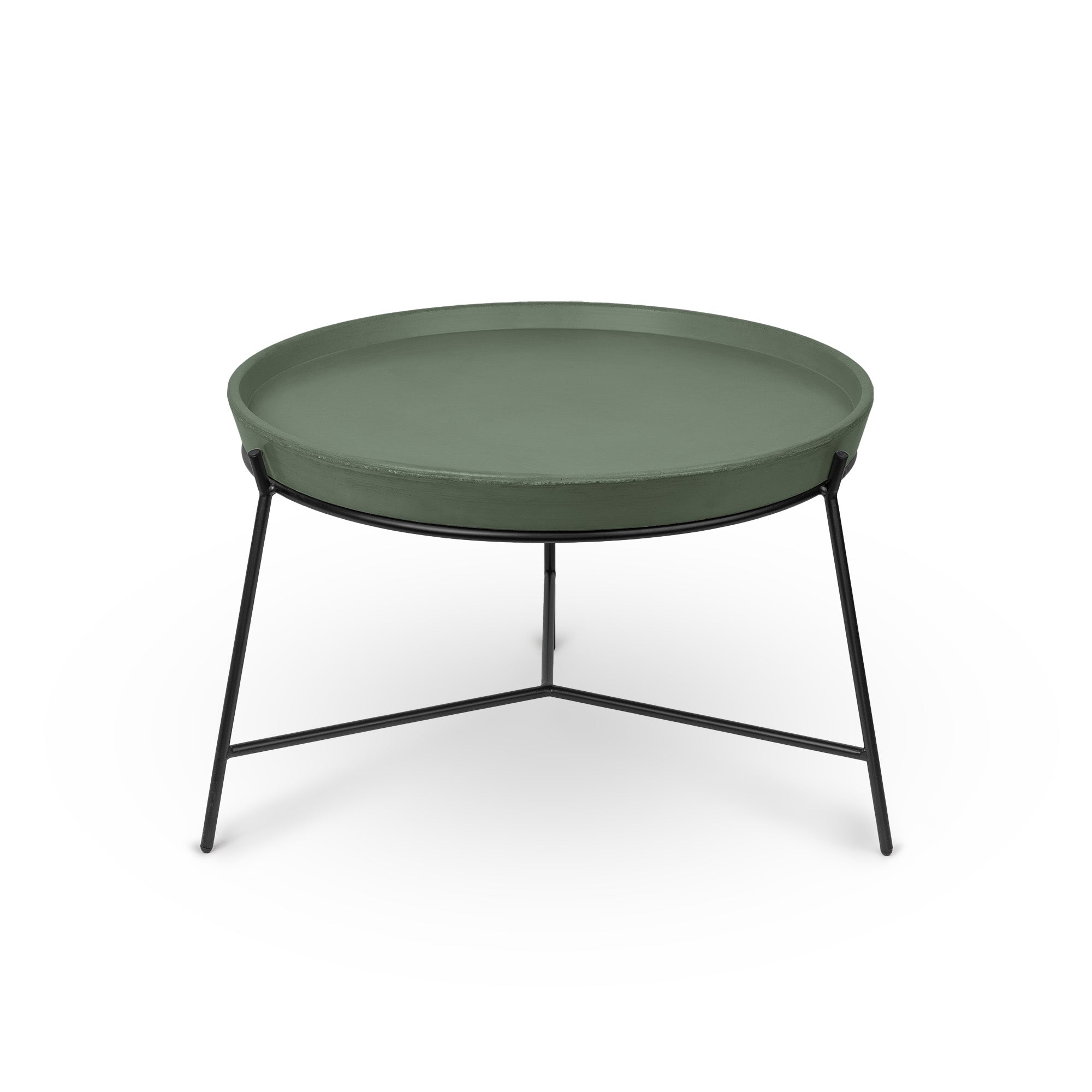
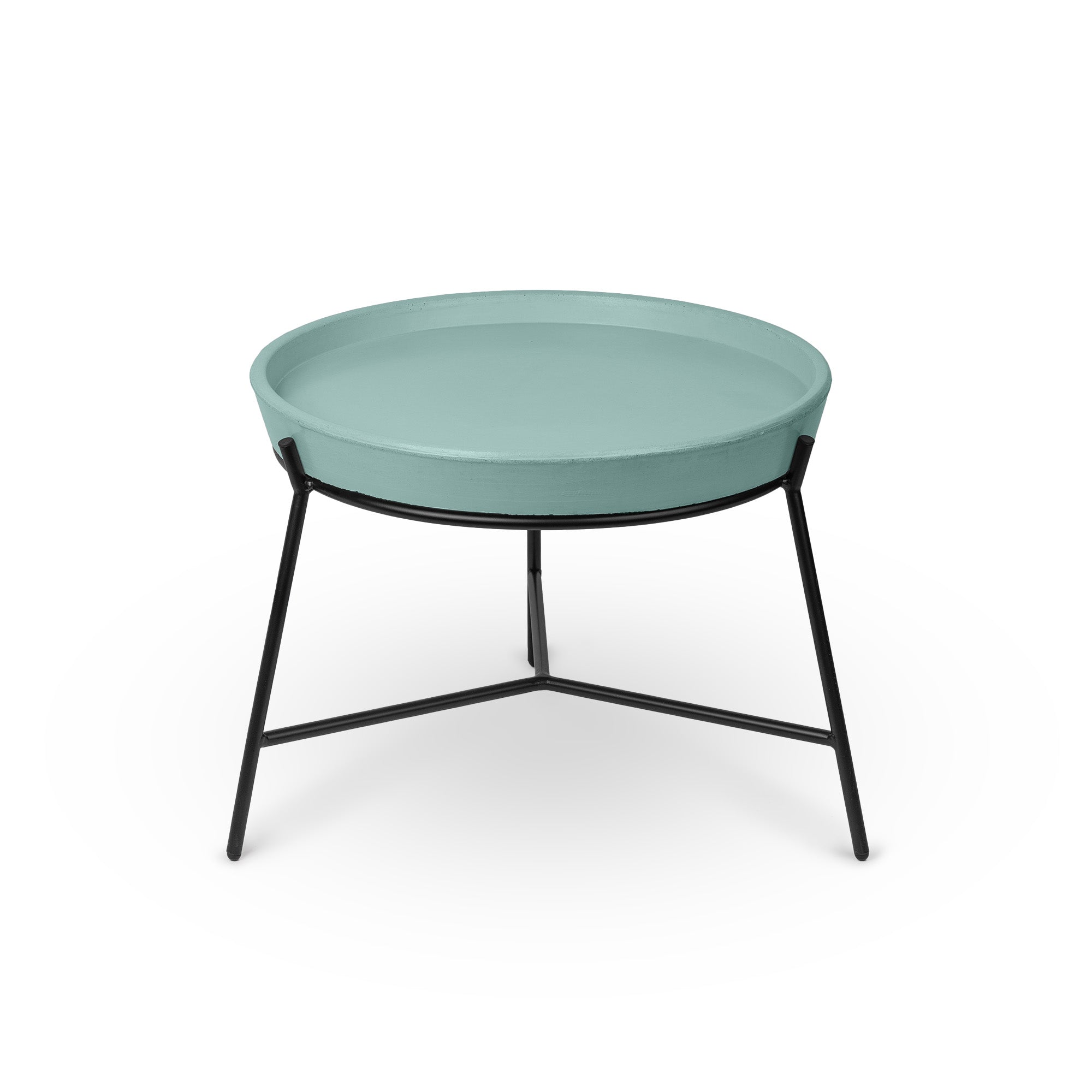
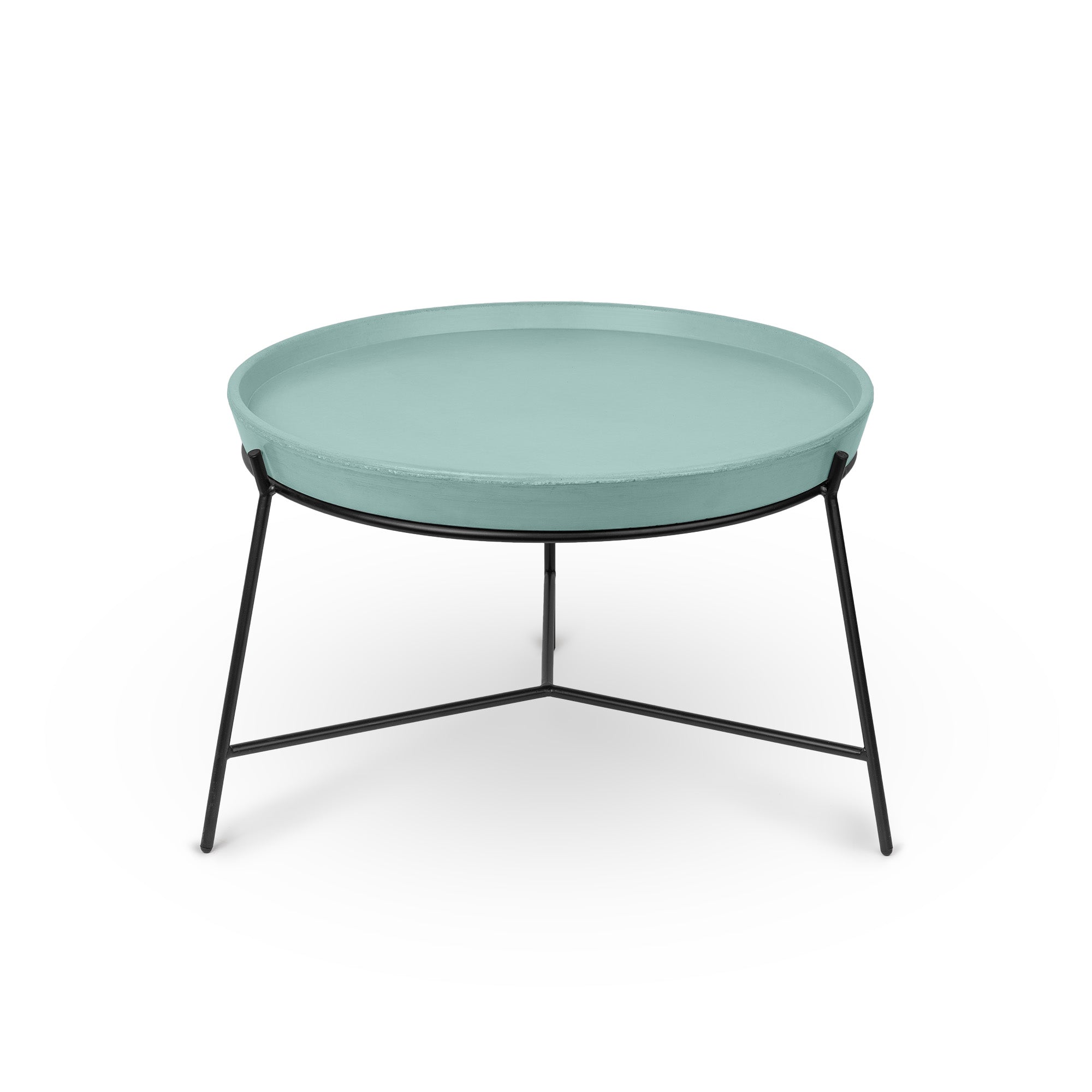
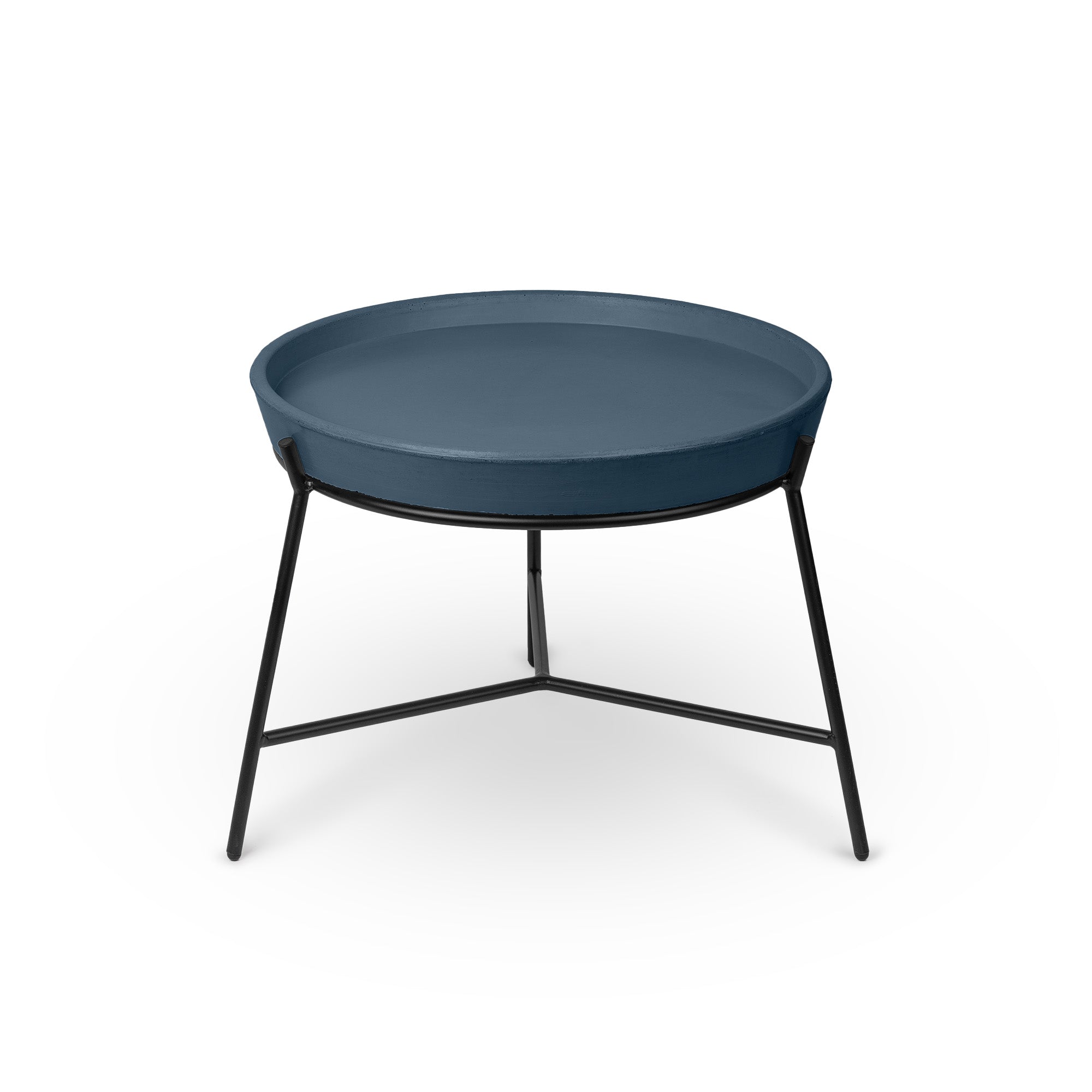
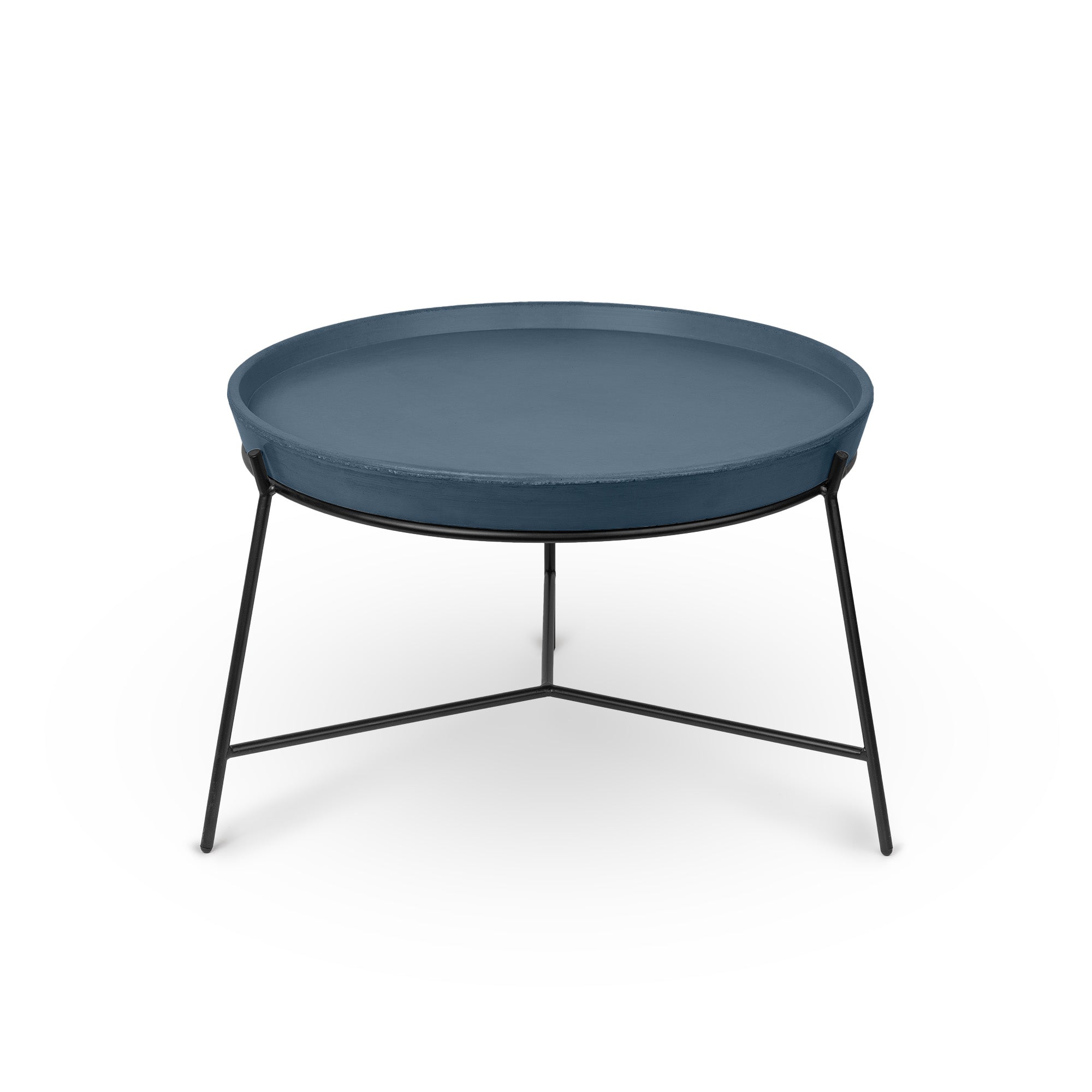
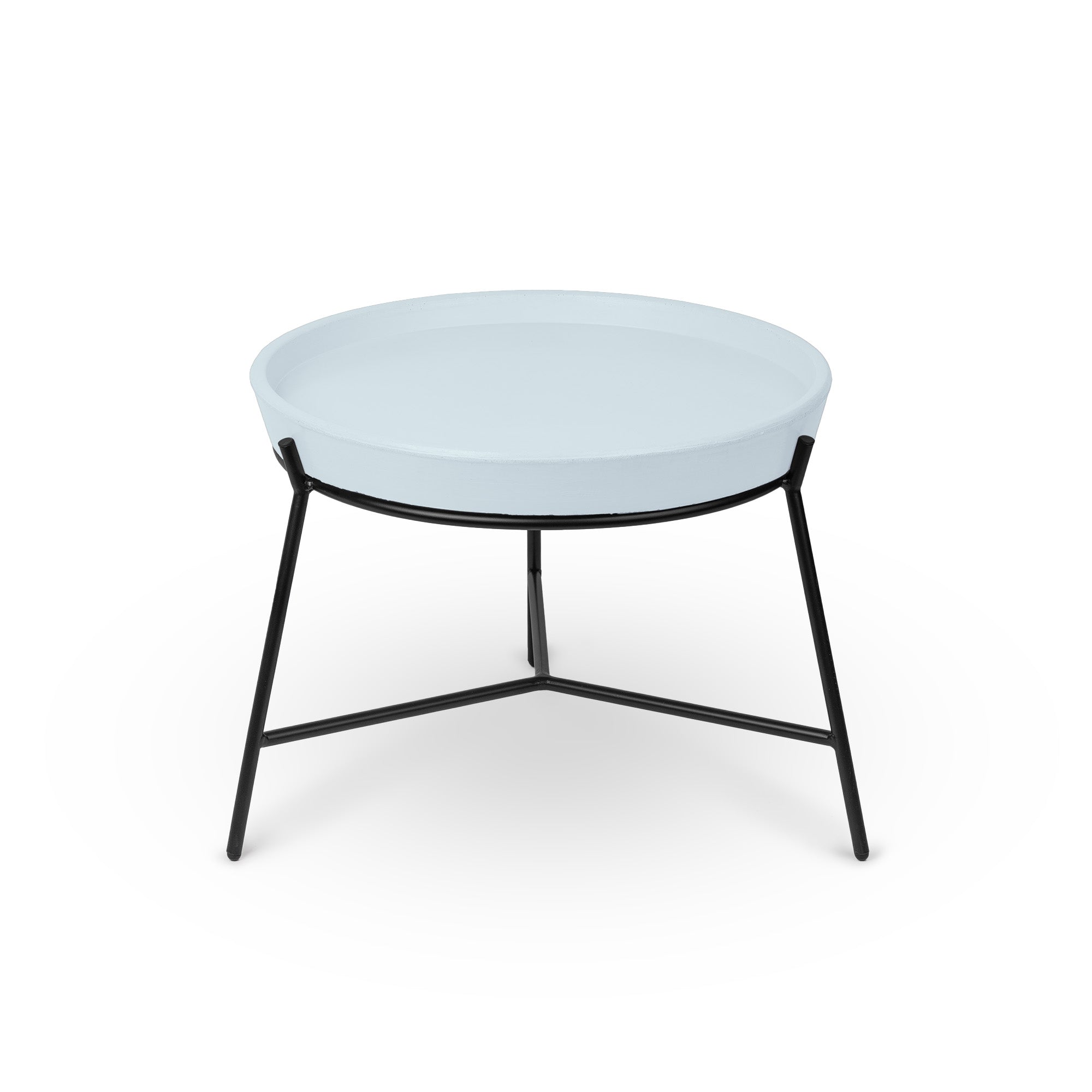
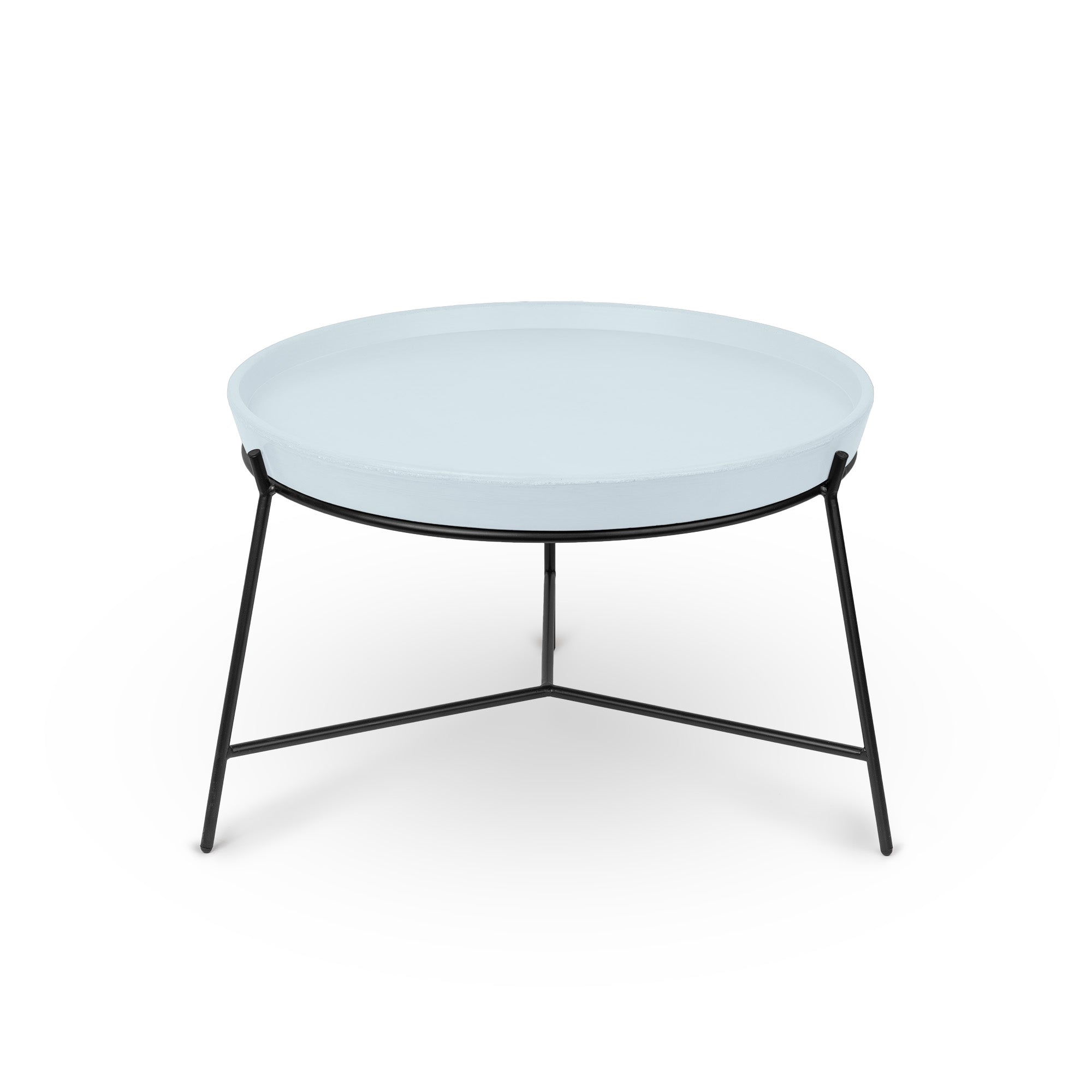
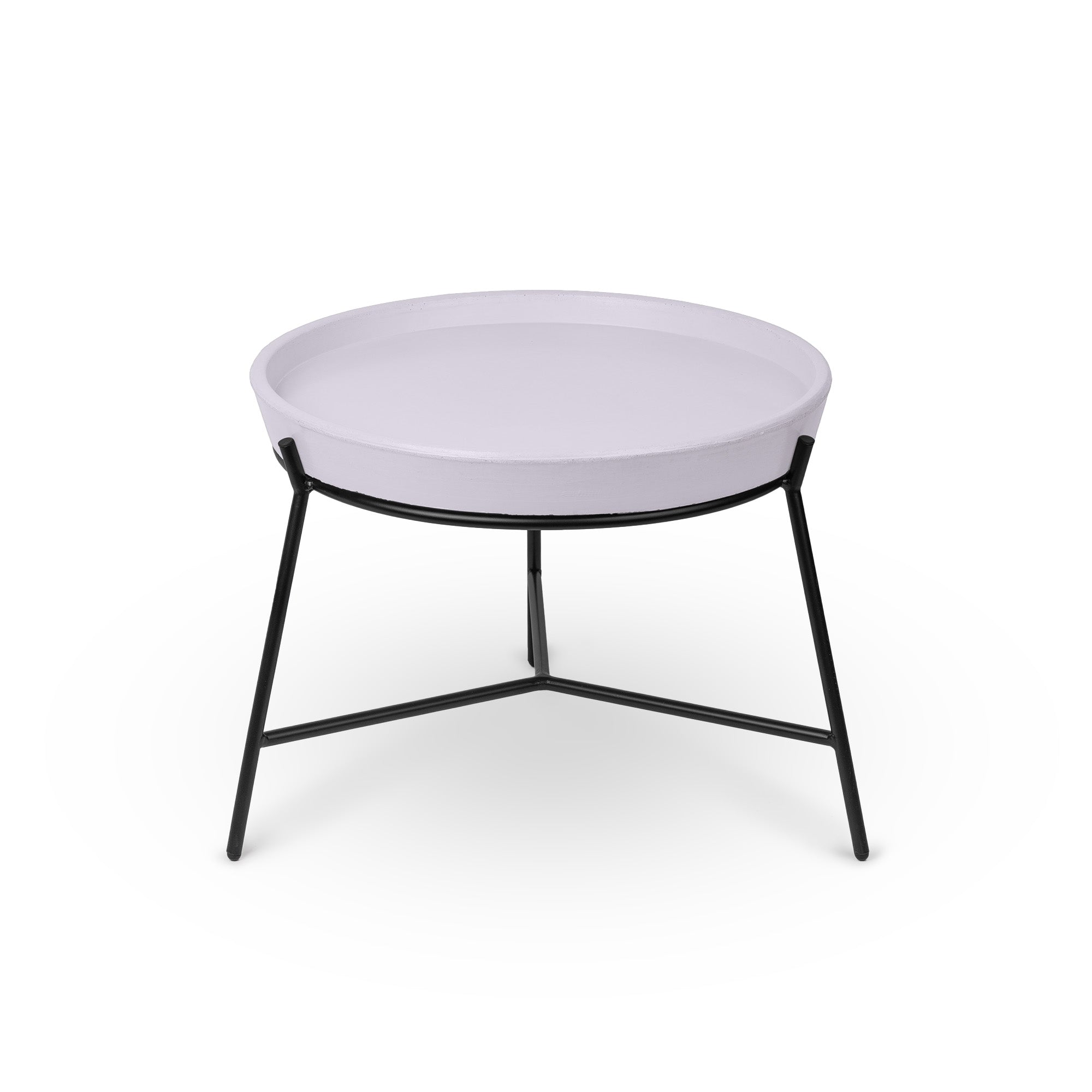
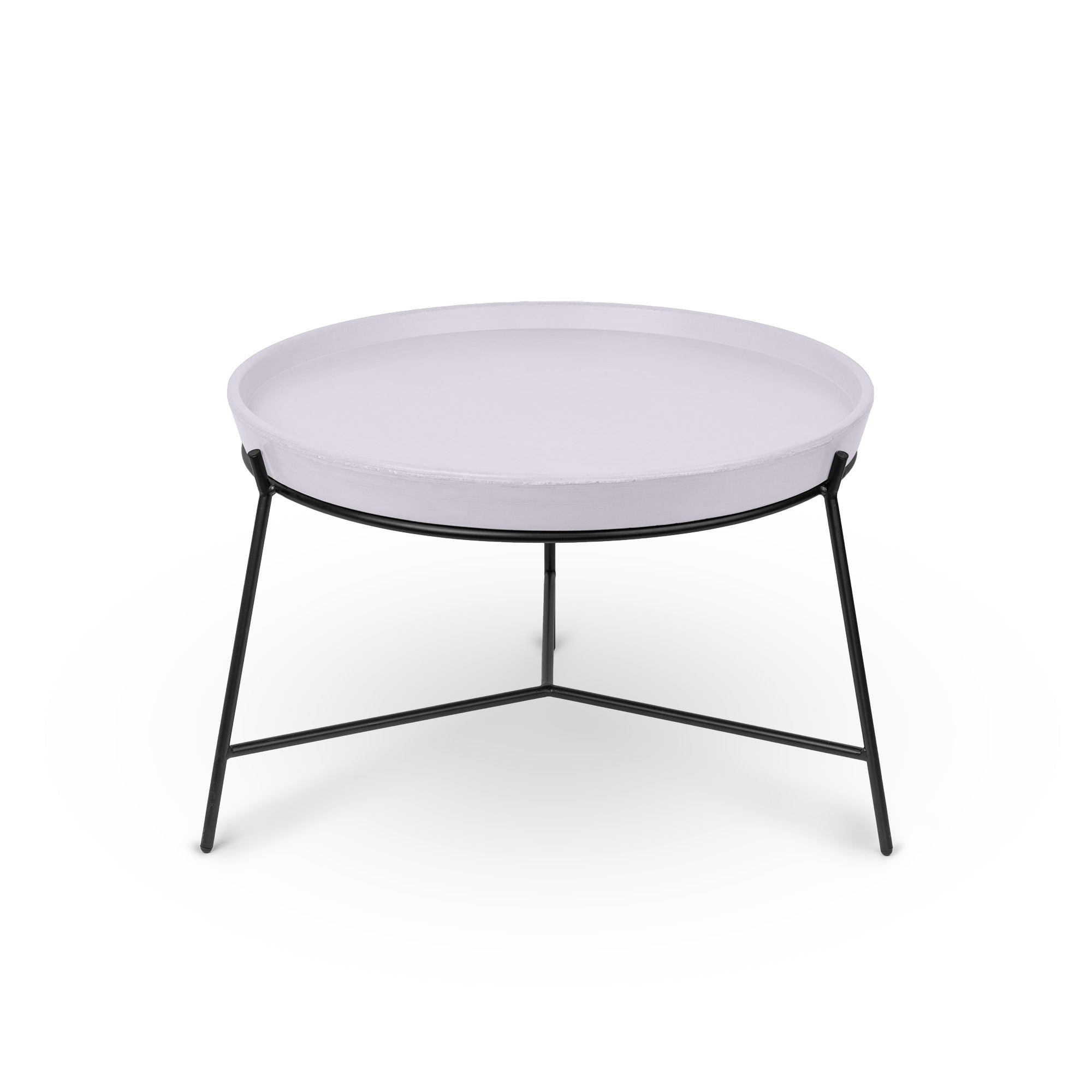
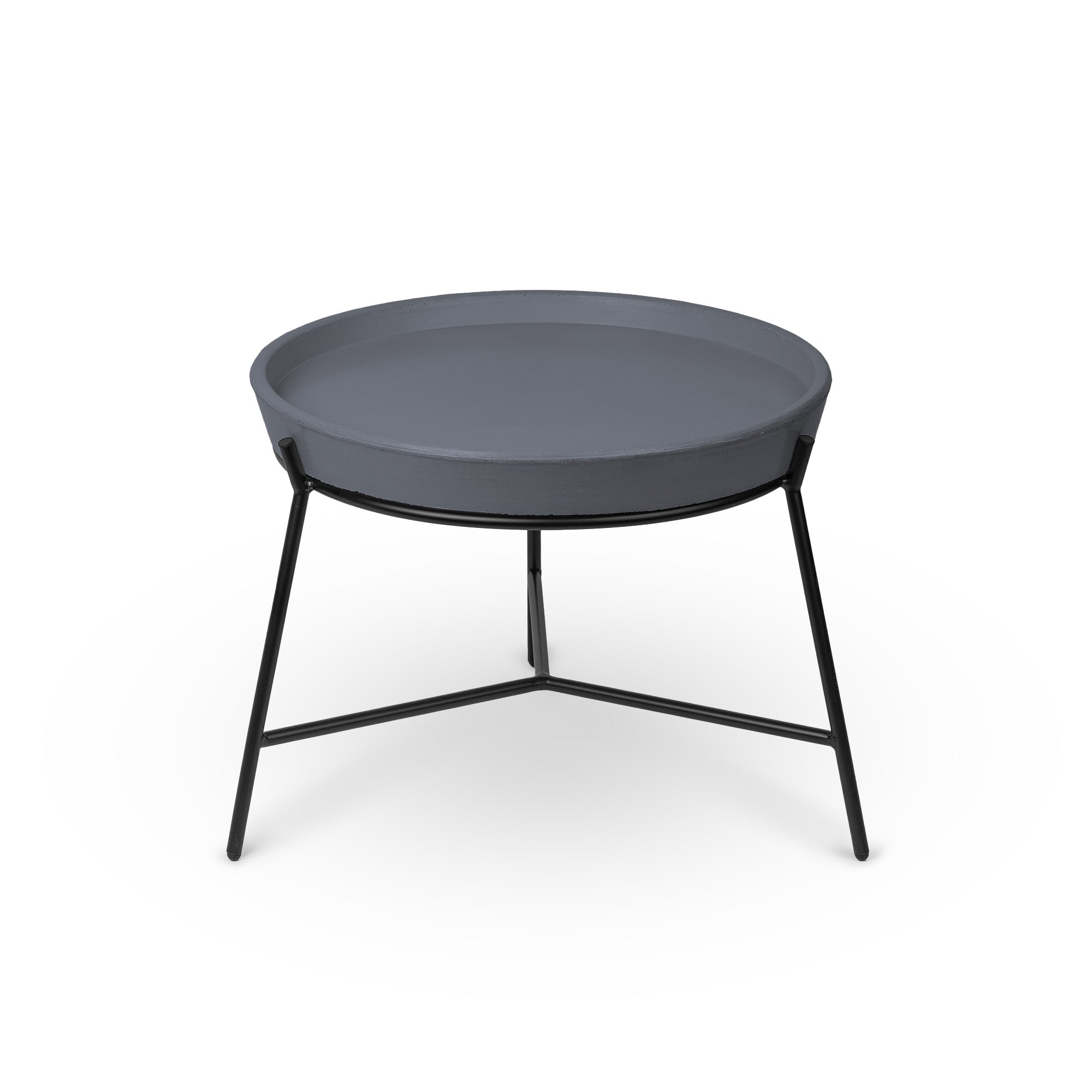
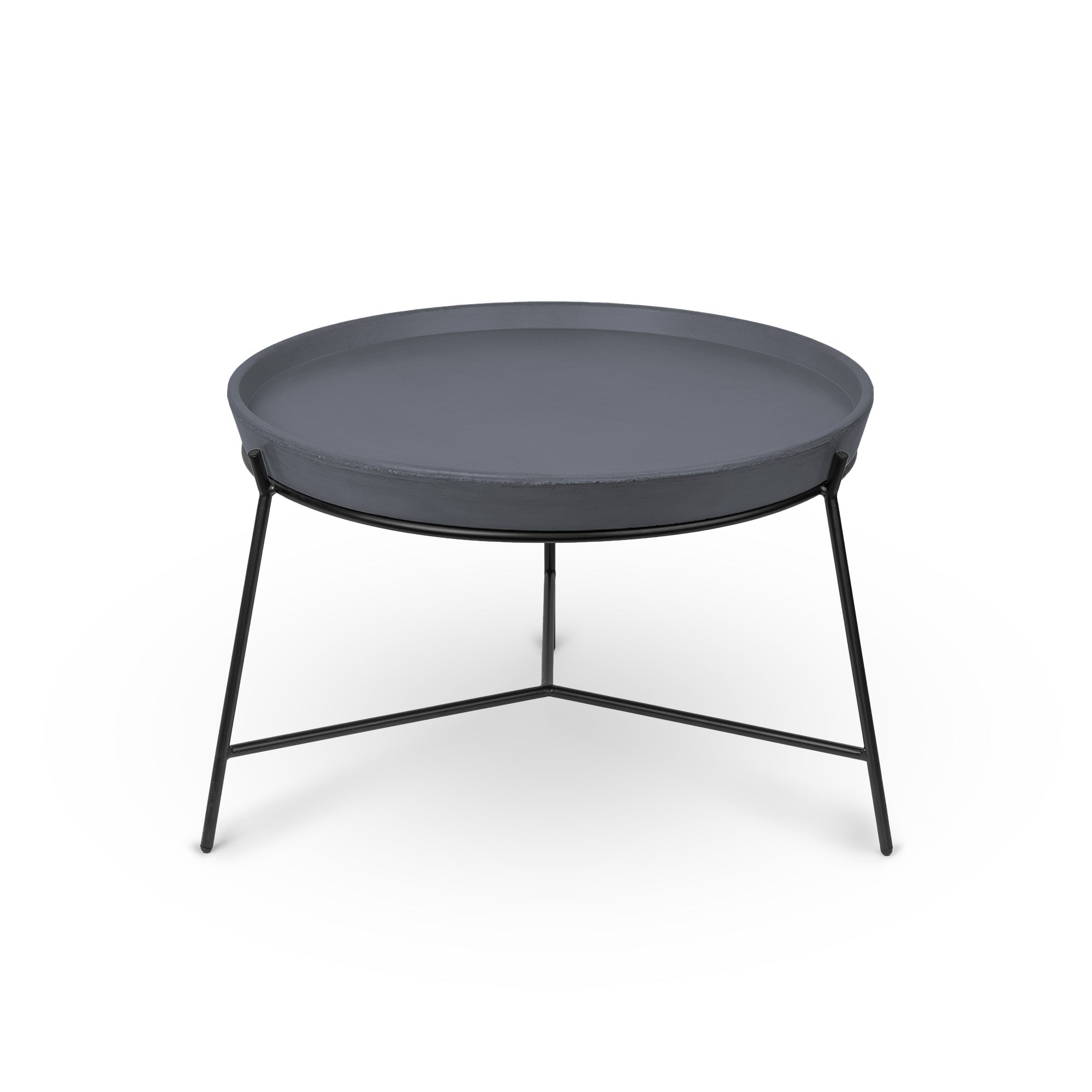
The Bay Coffee Table works well in compact spaces where maintaining an open, easy-to-navigate layout is important. Its circular concrete top provides useful surface space, while the slim metal frame keeps the piece from feeling visually heavy.
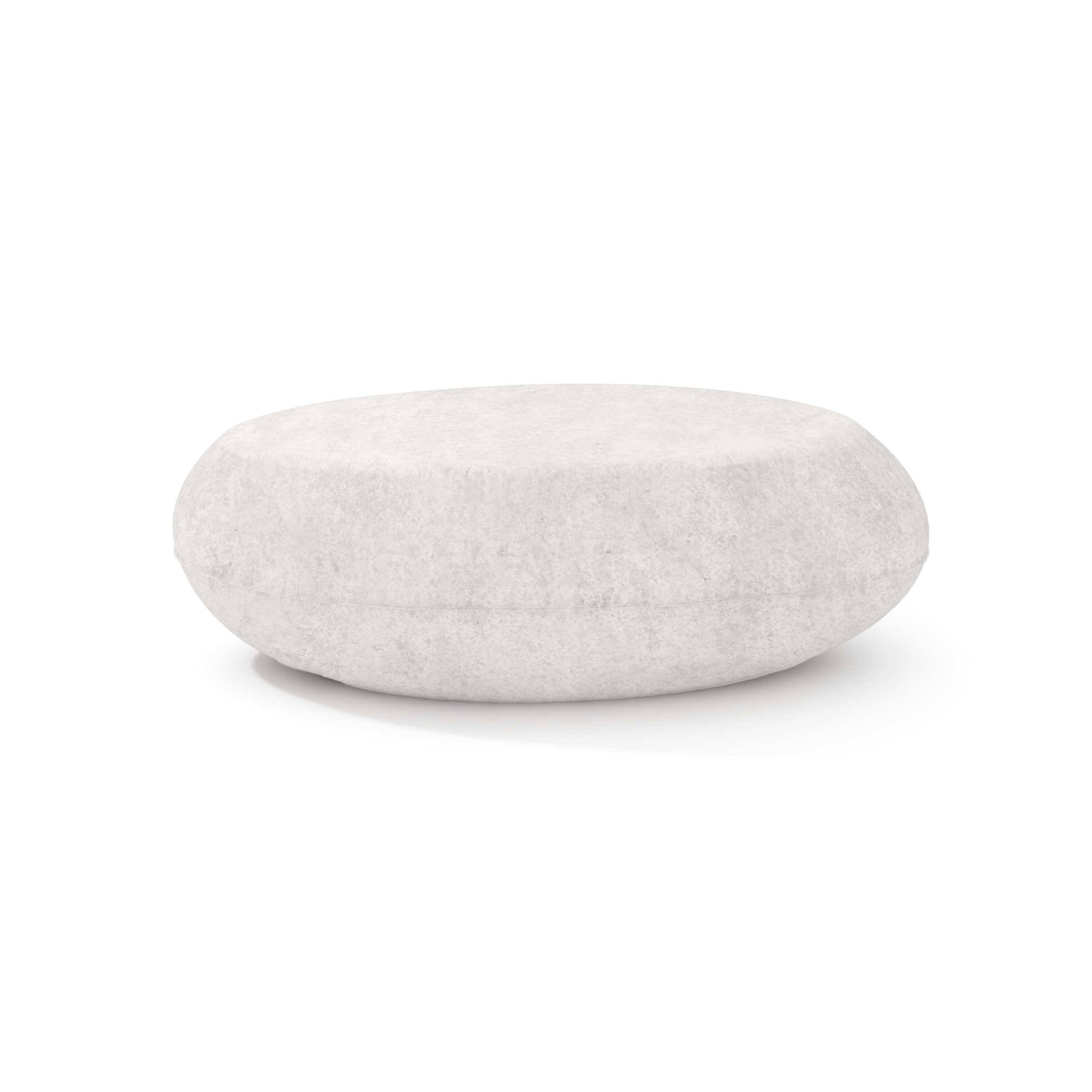
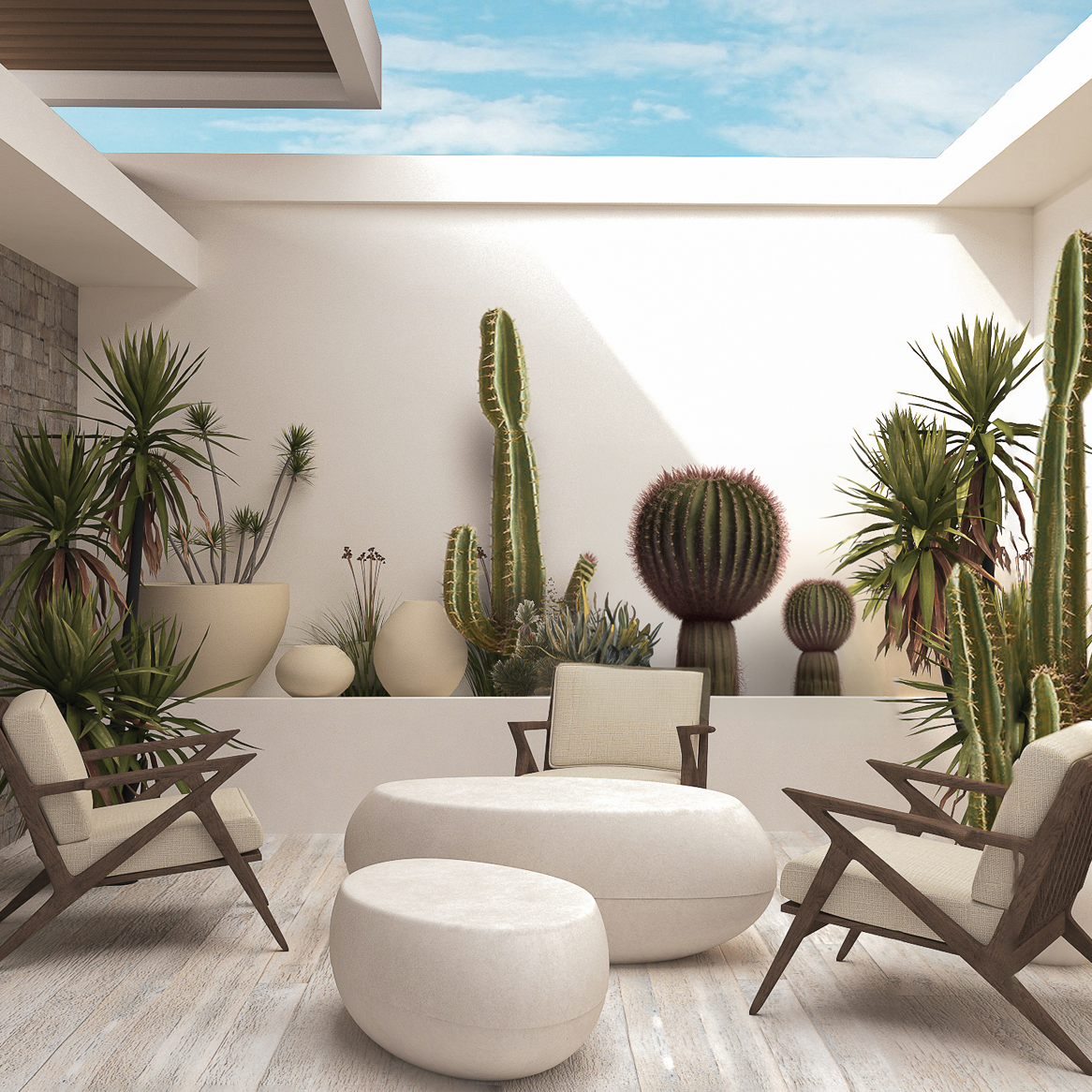
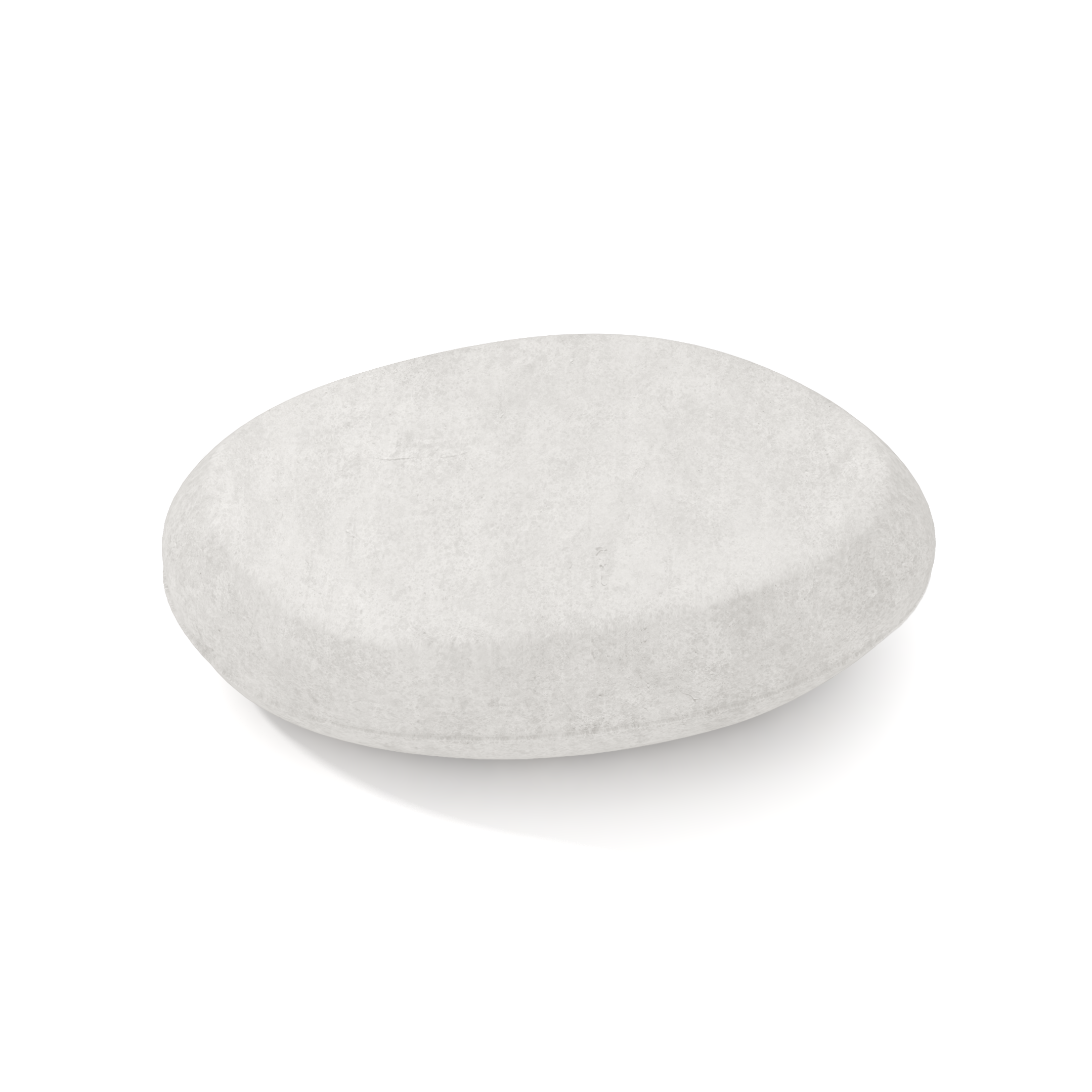
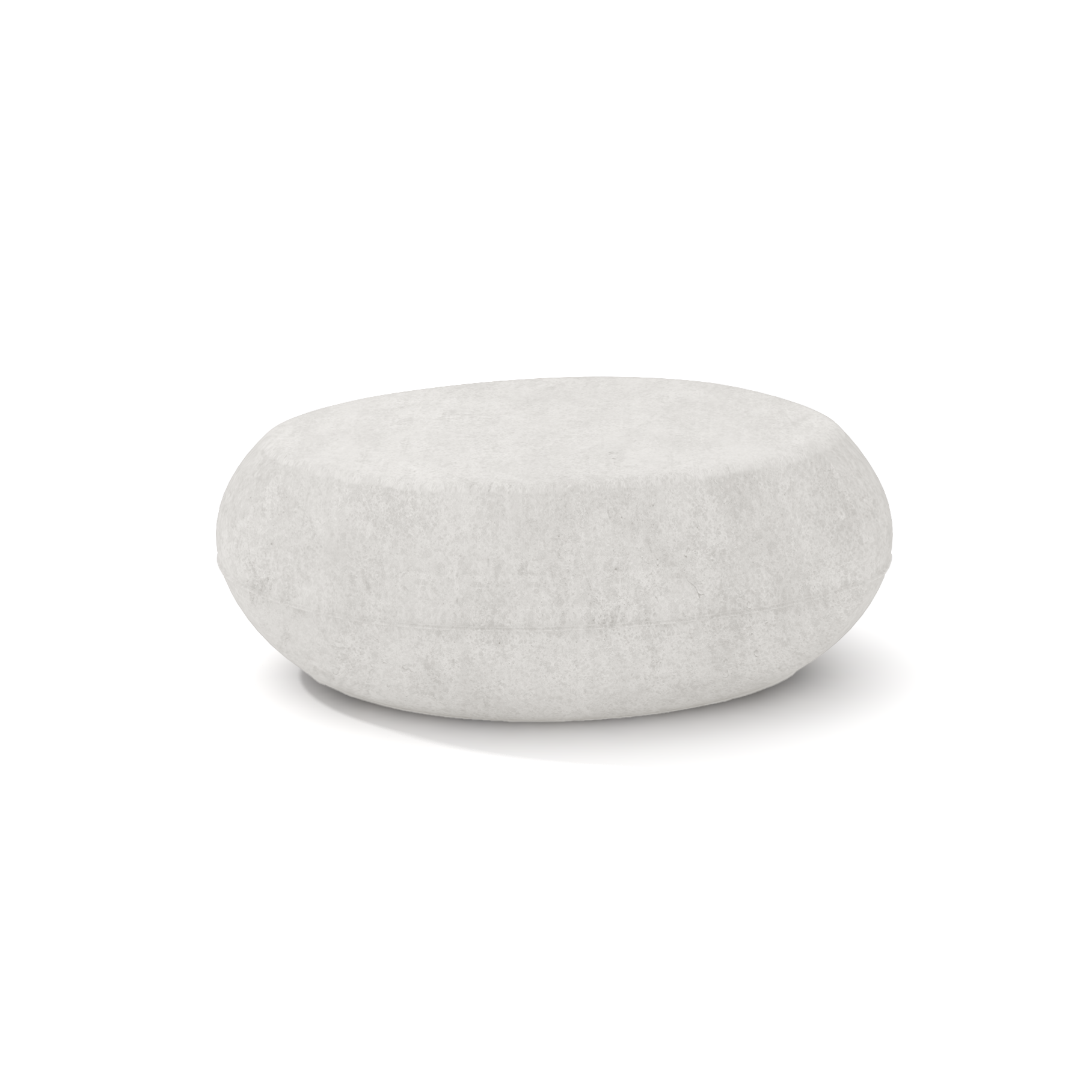
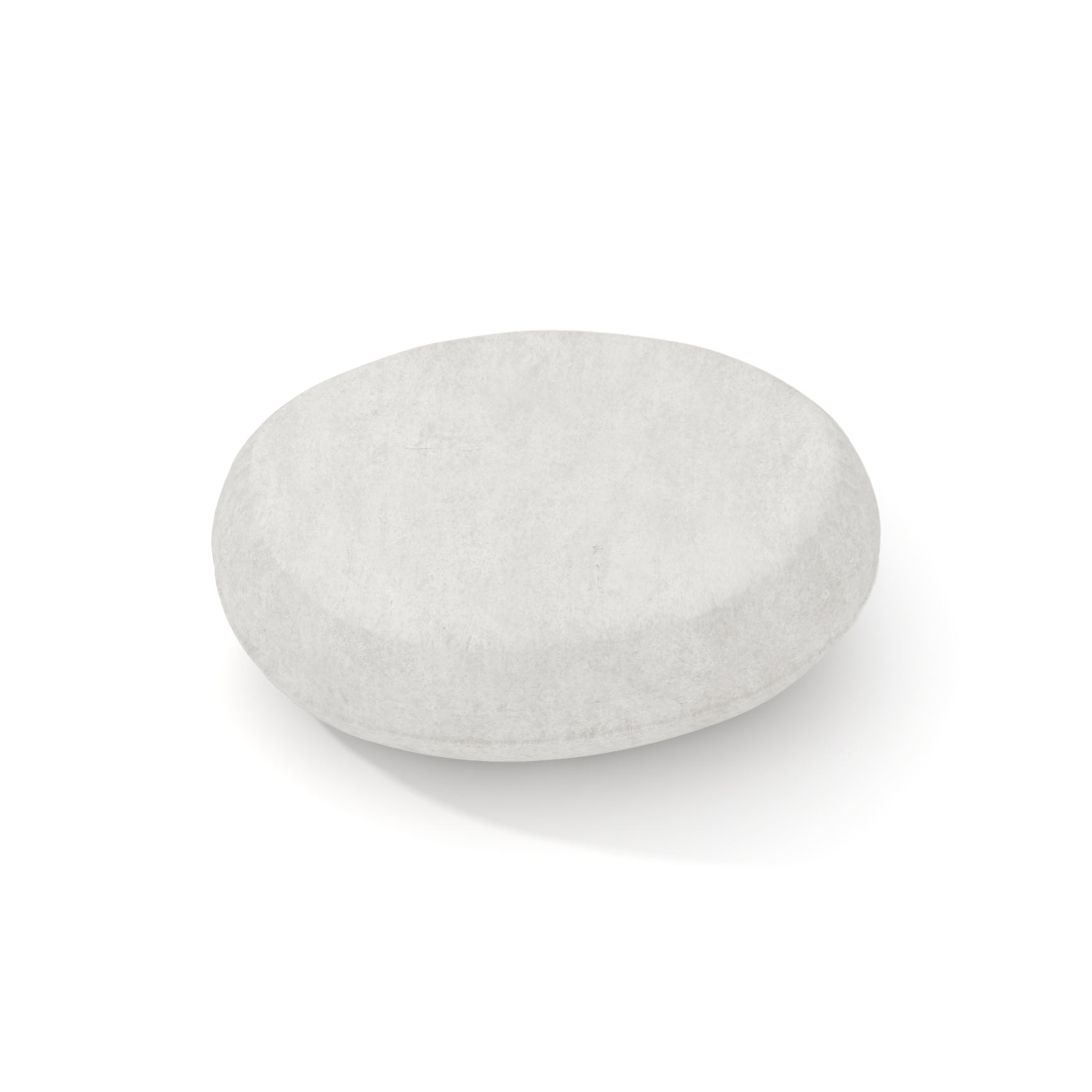
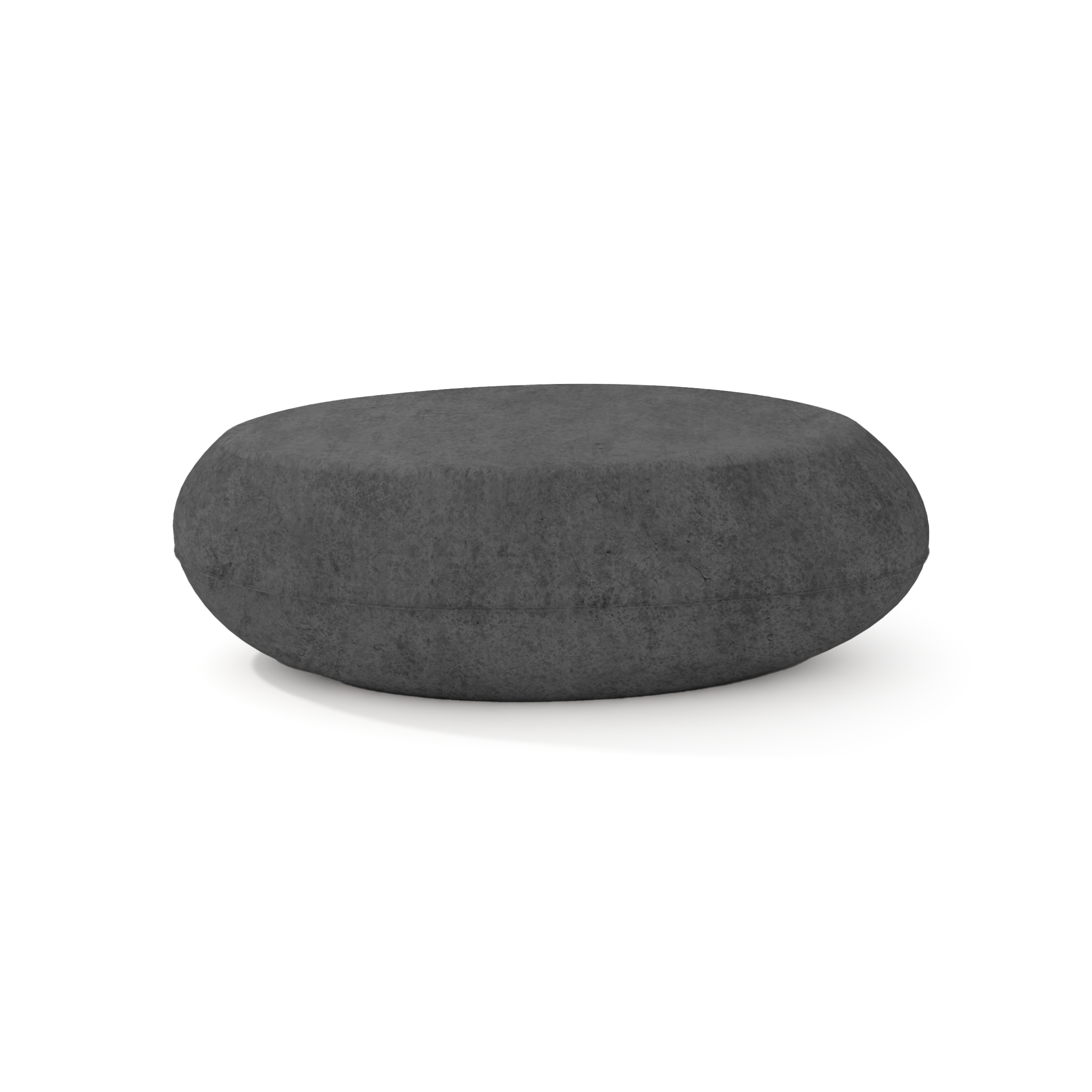
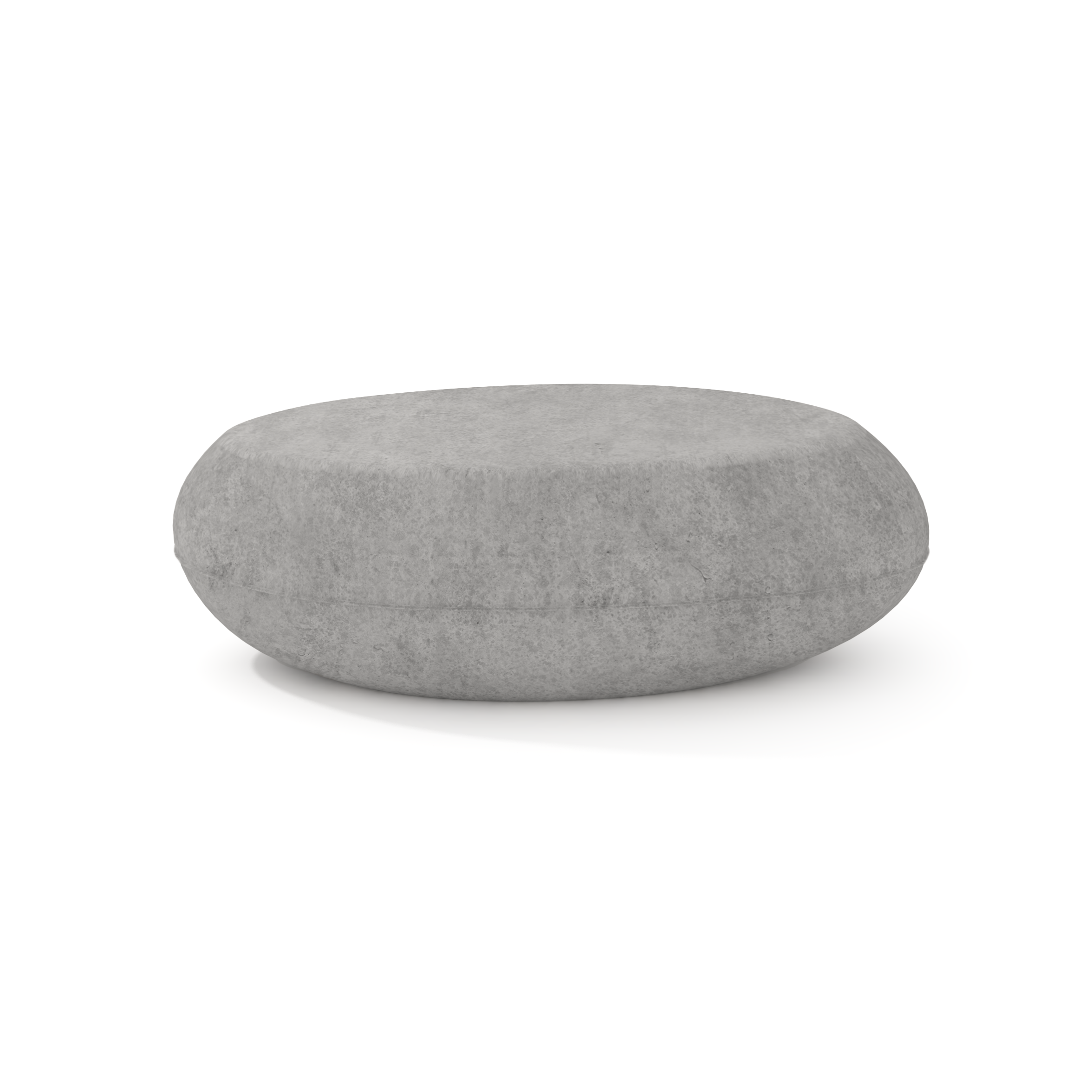
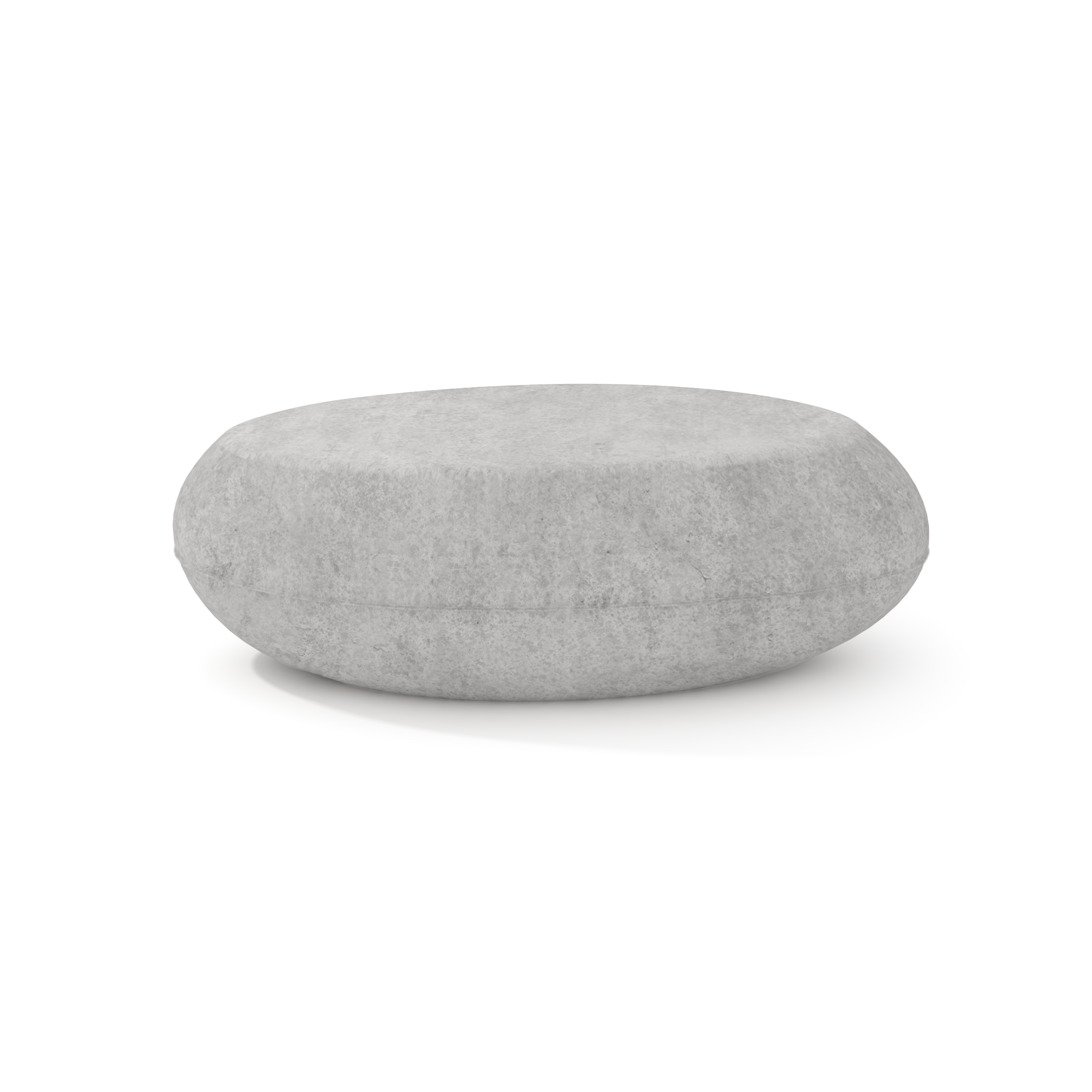
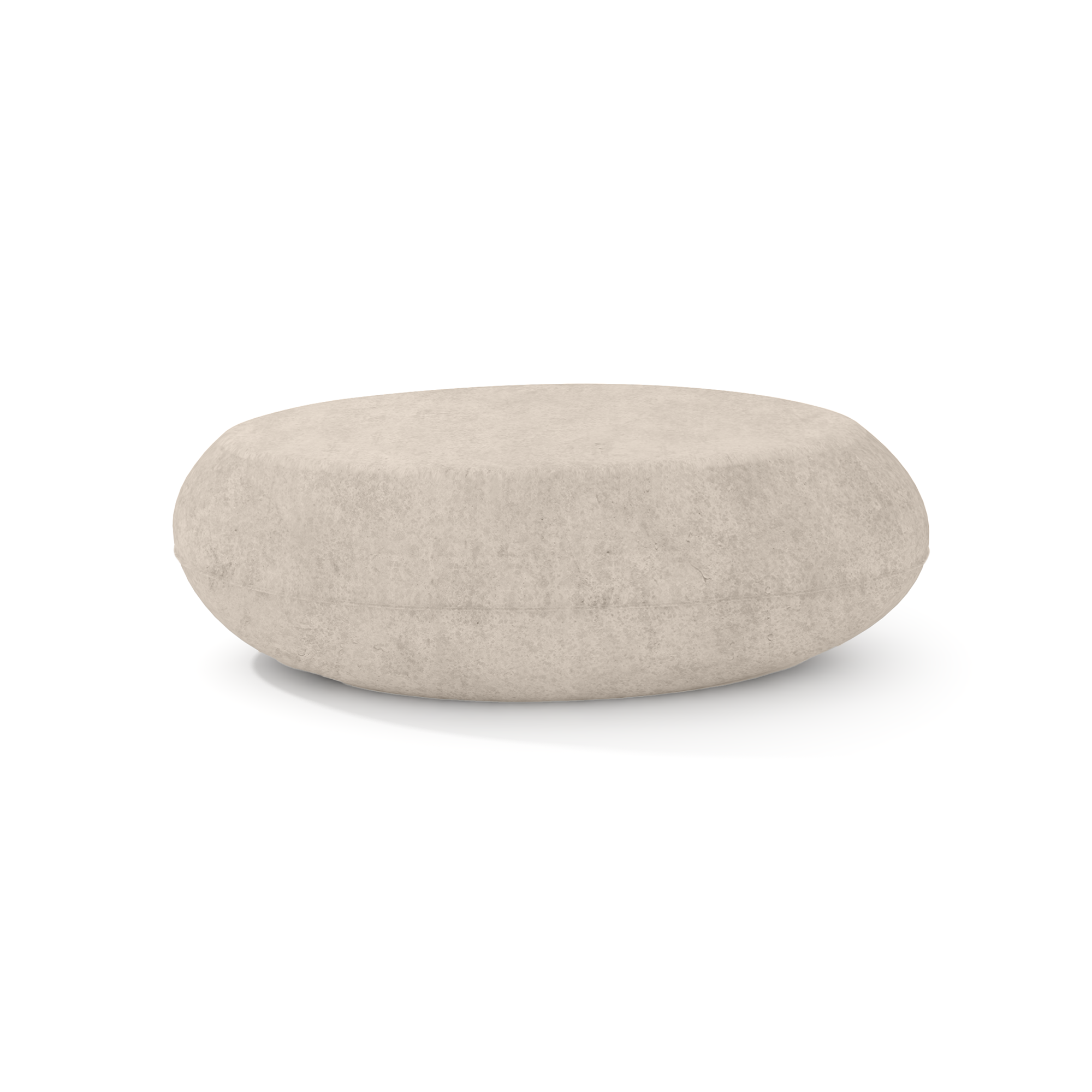
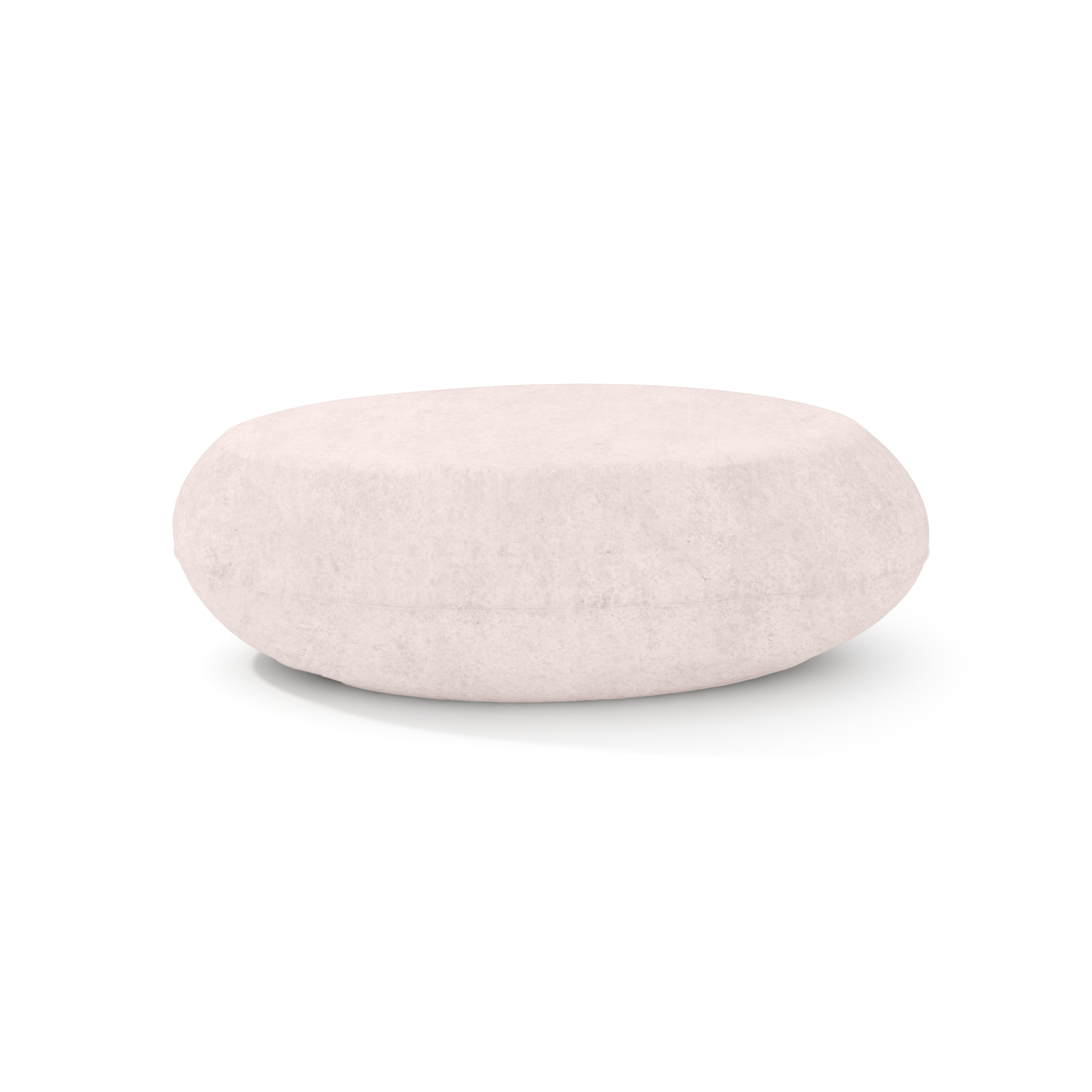
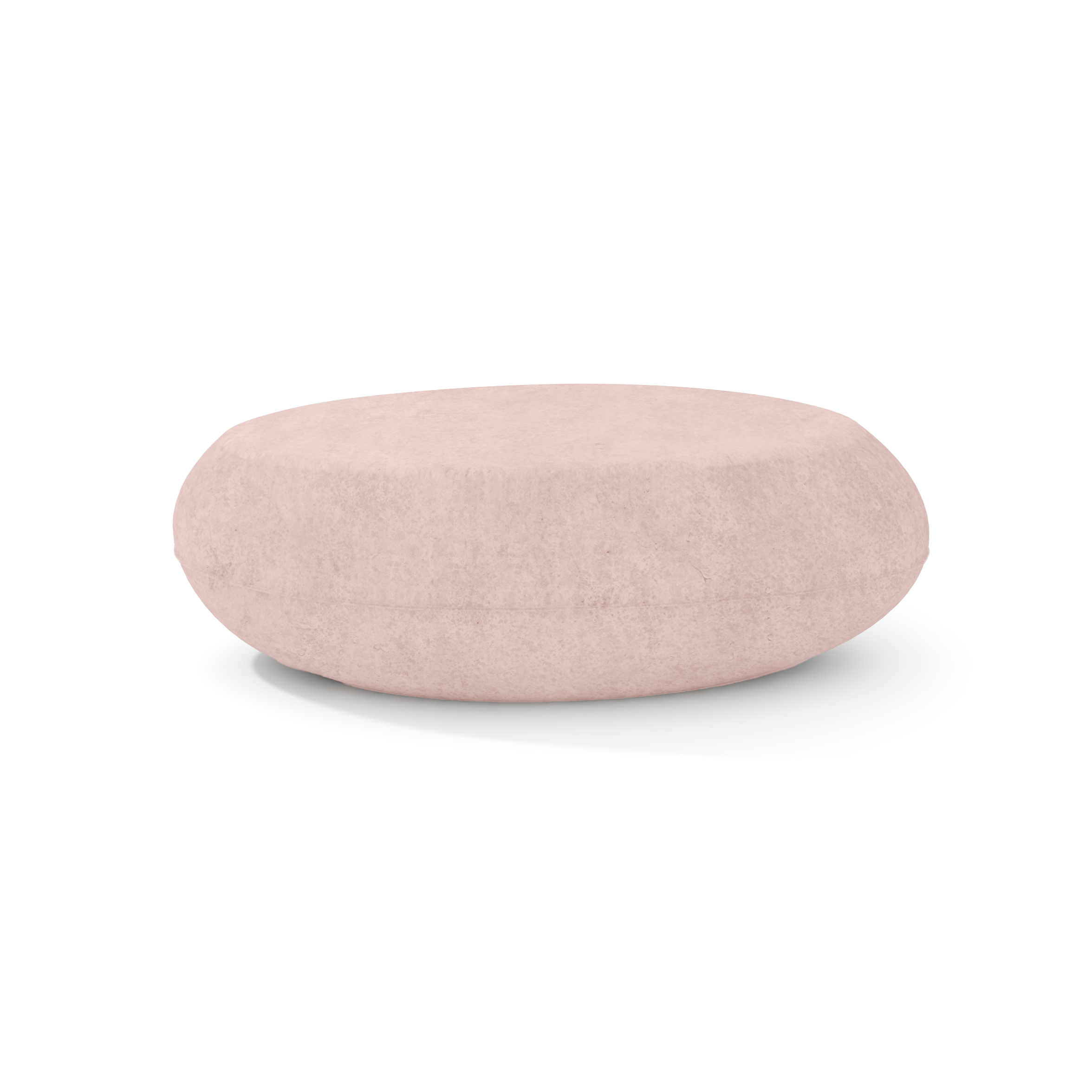
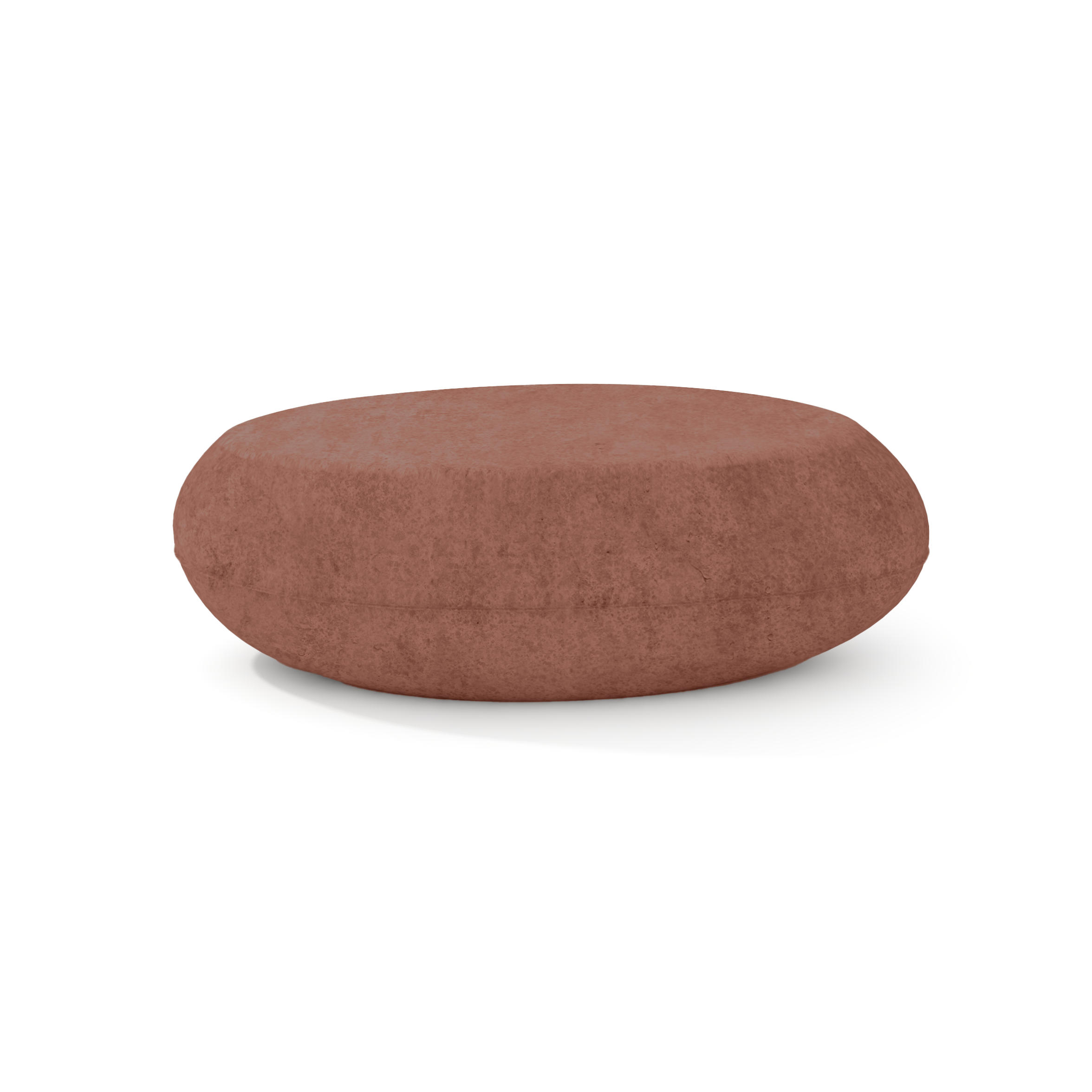
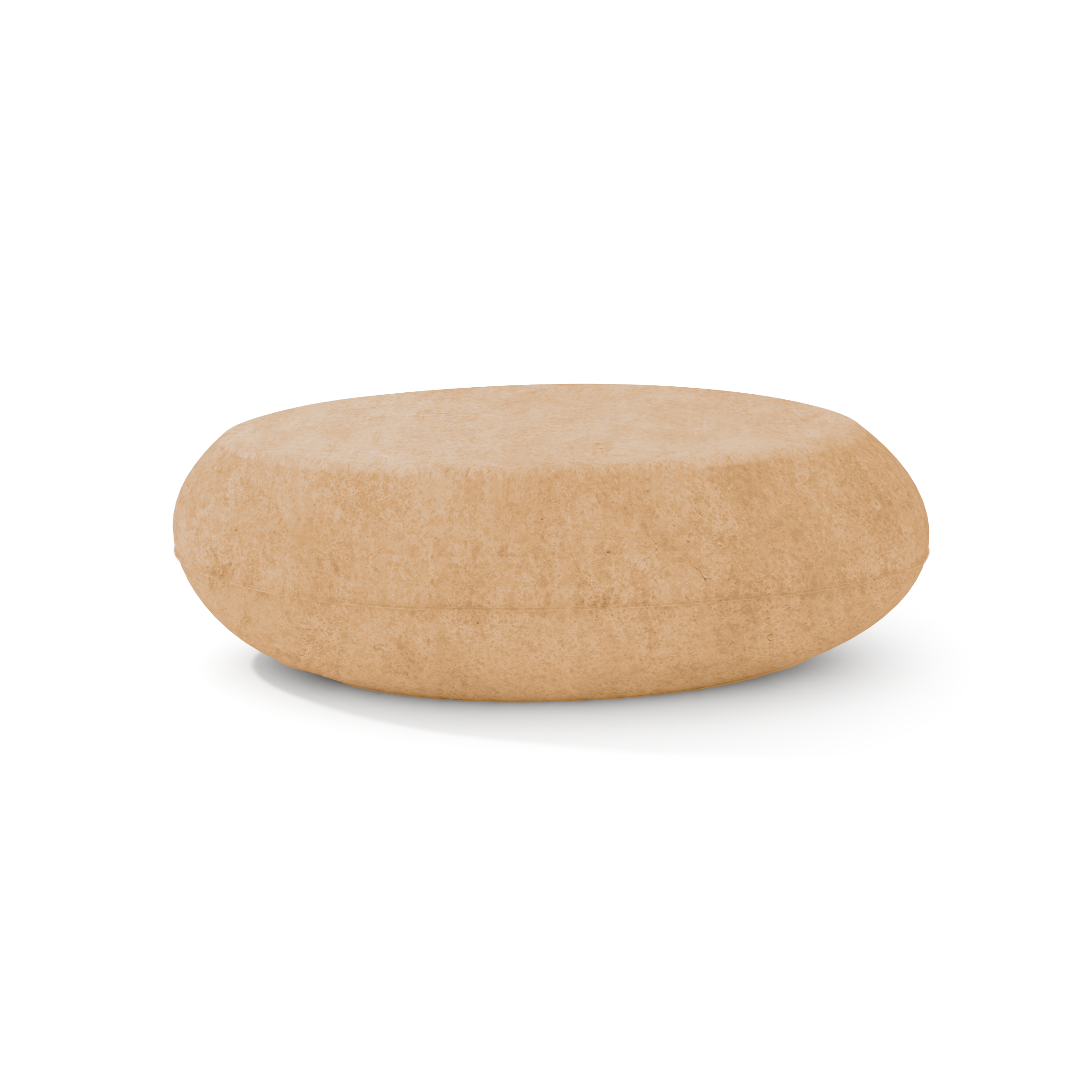
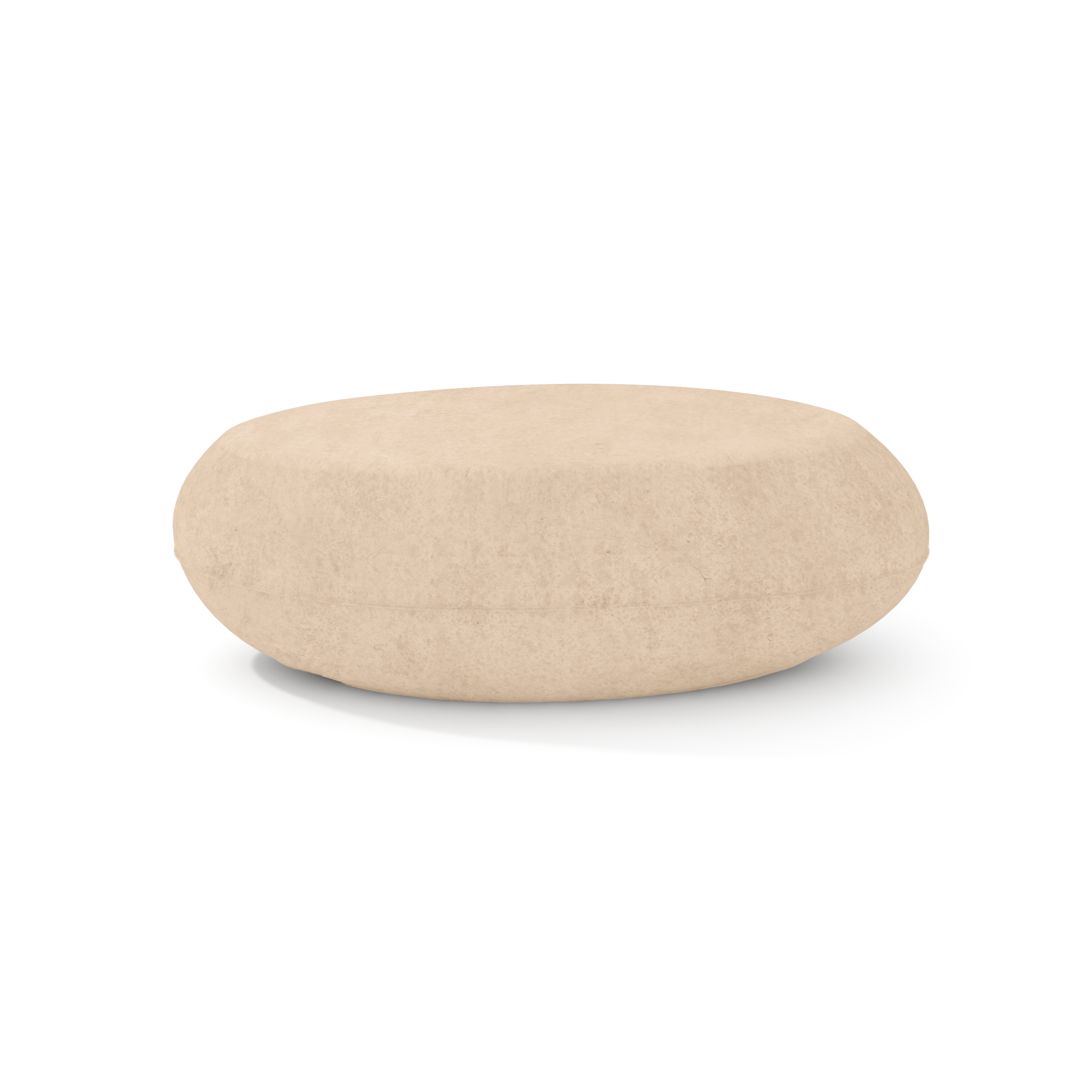
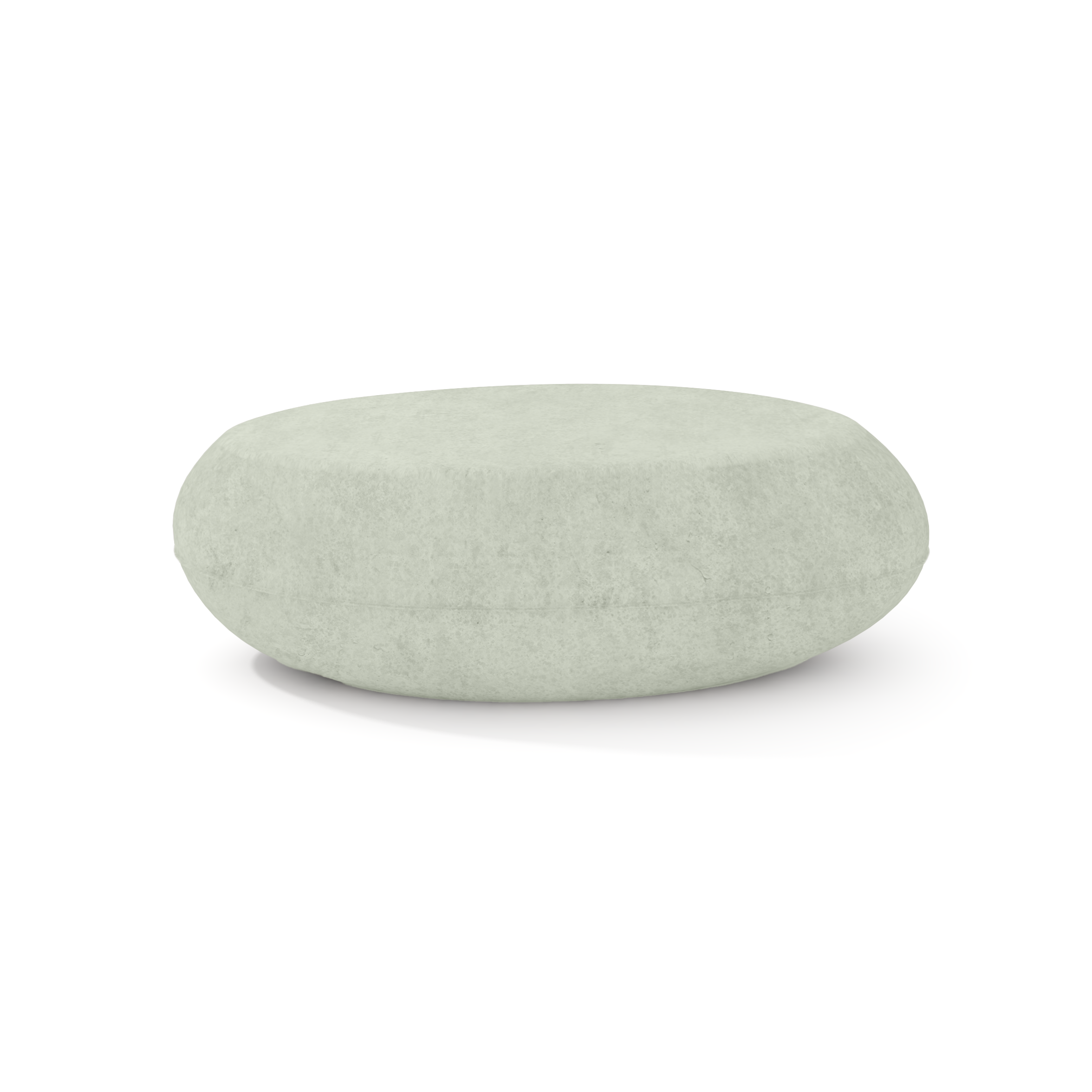
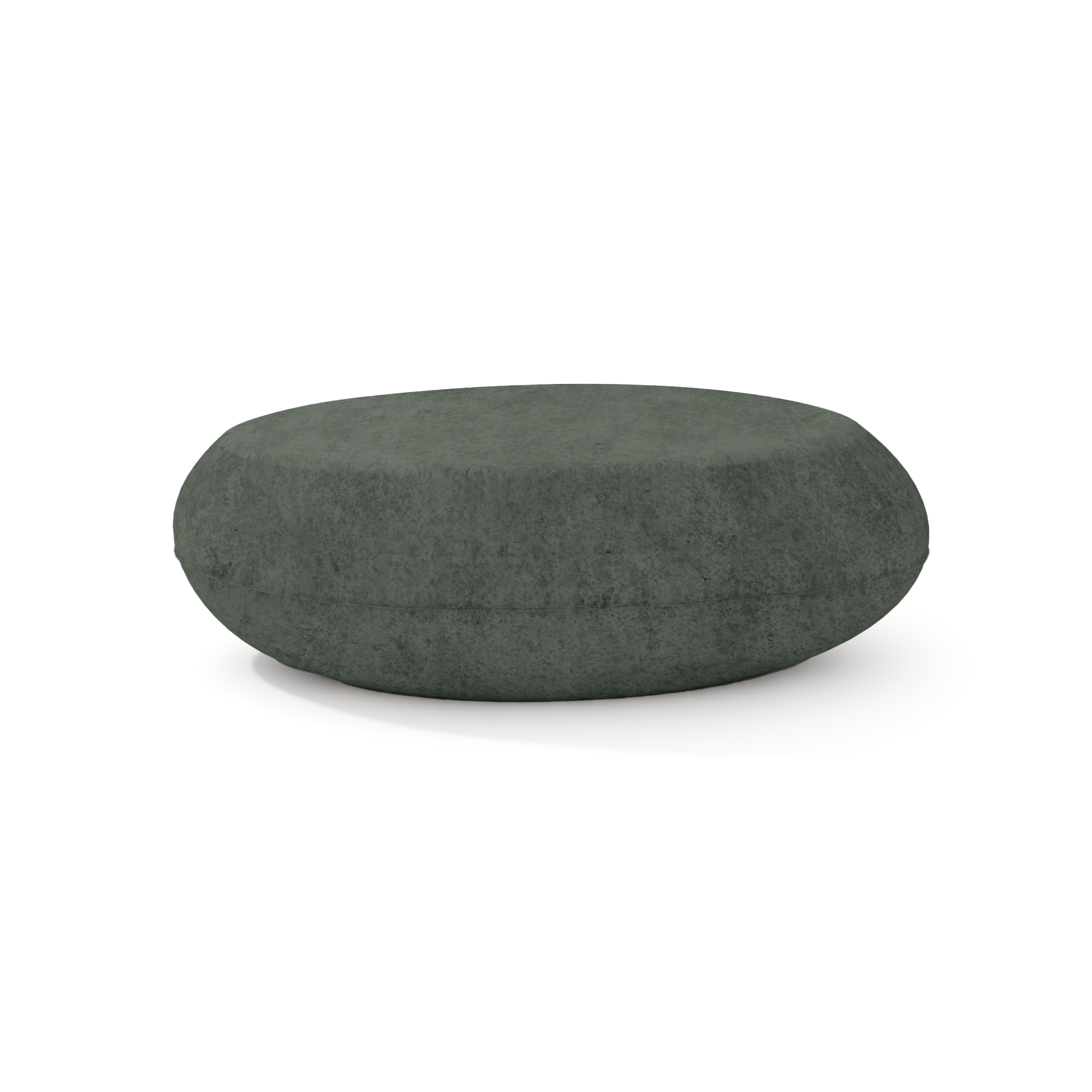
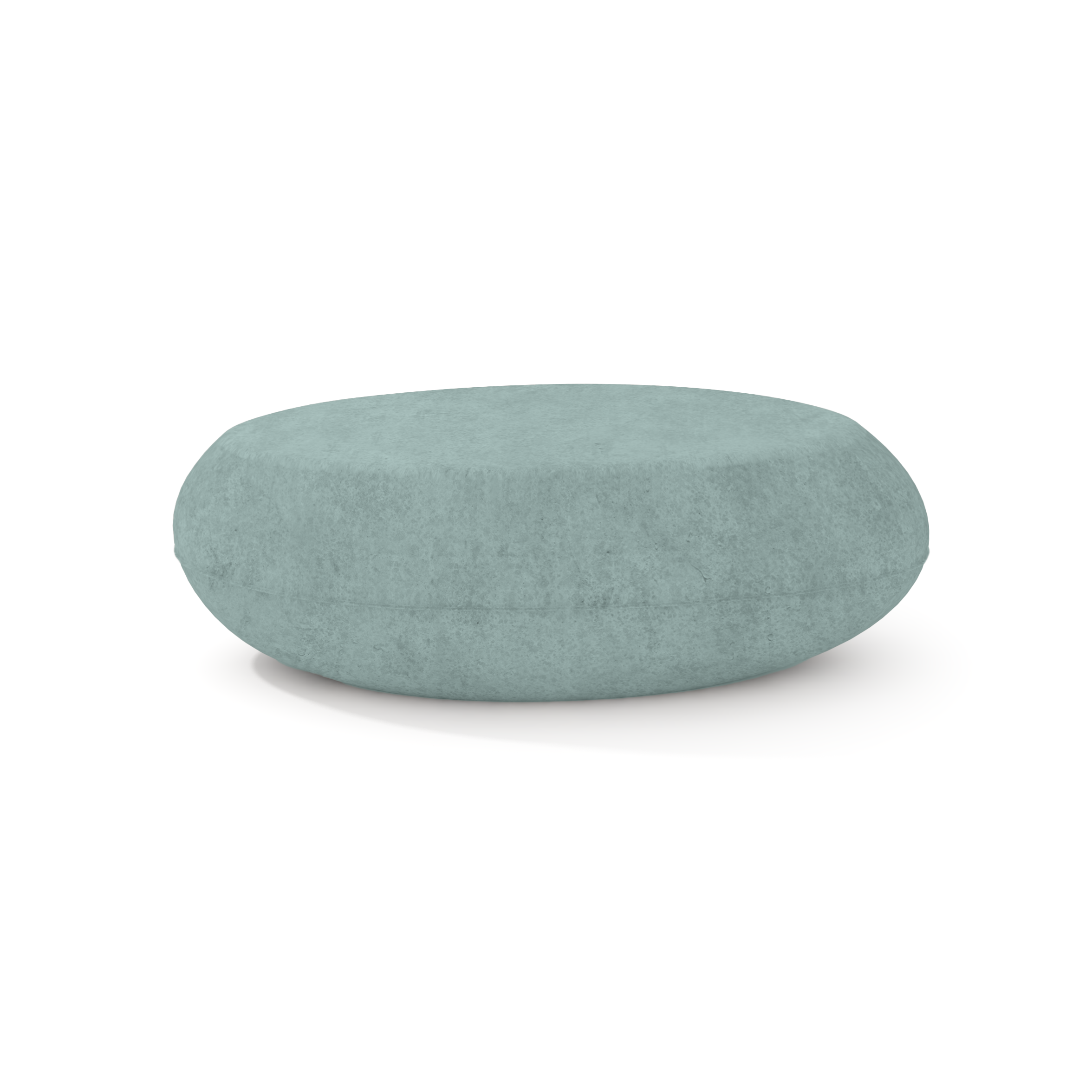
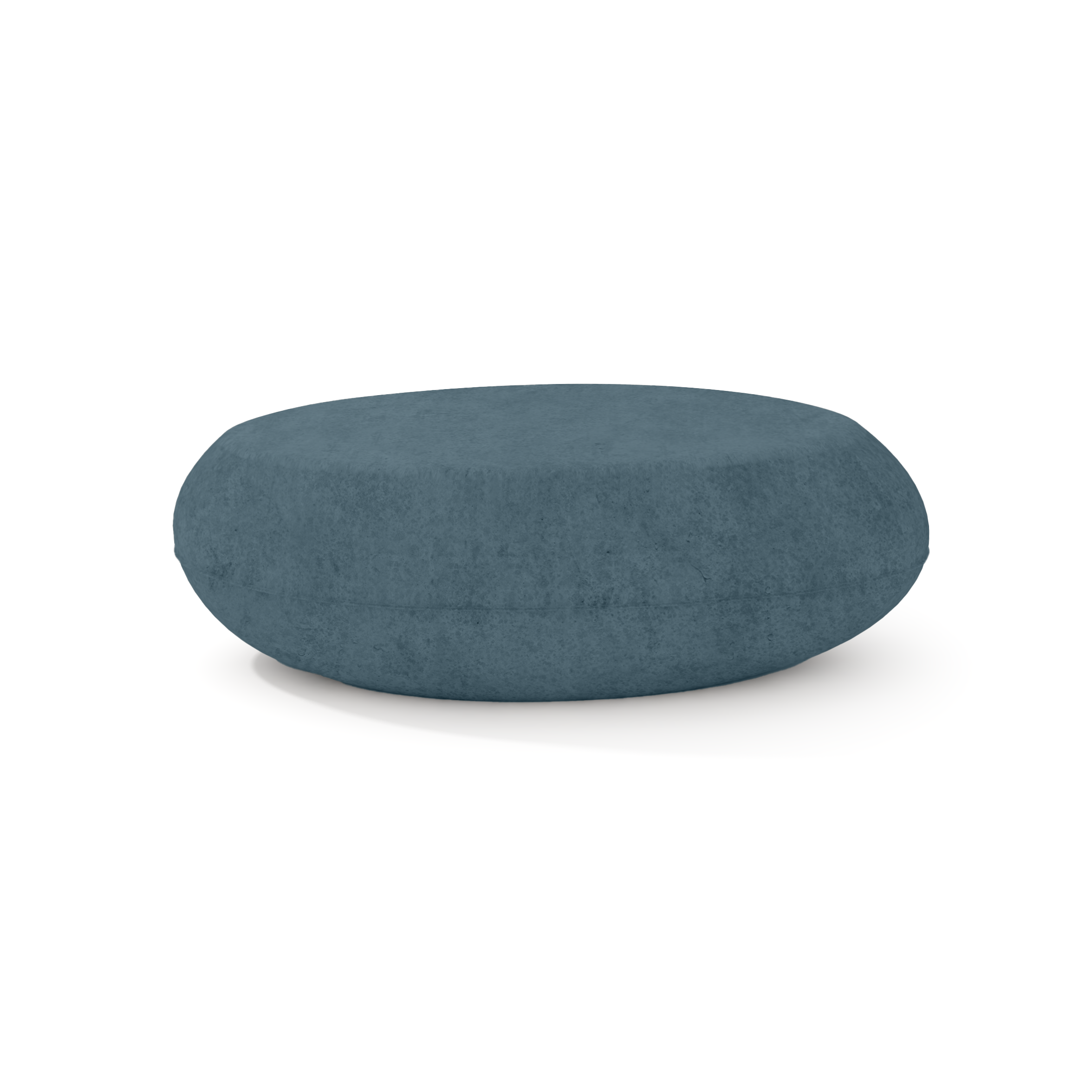
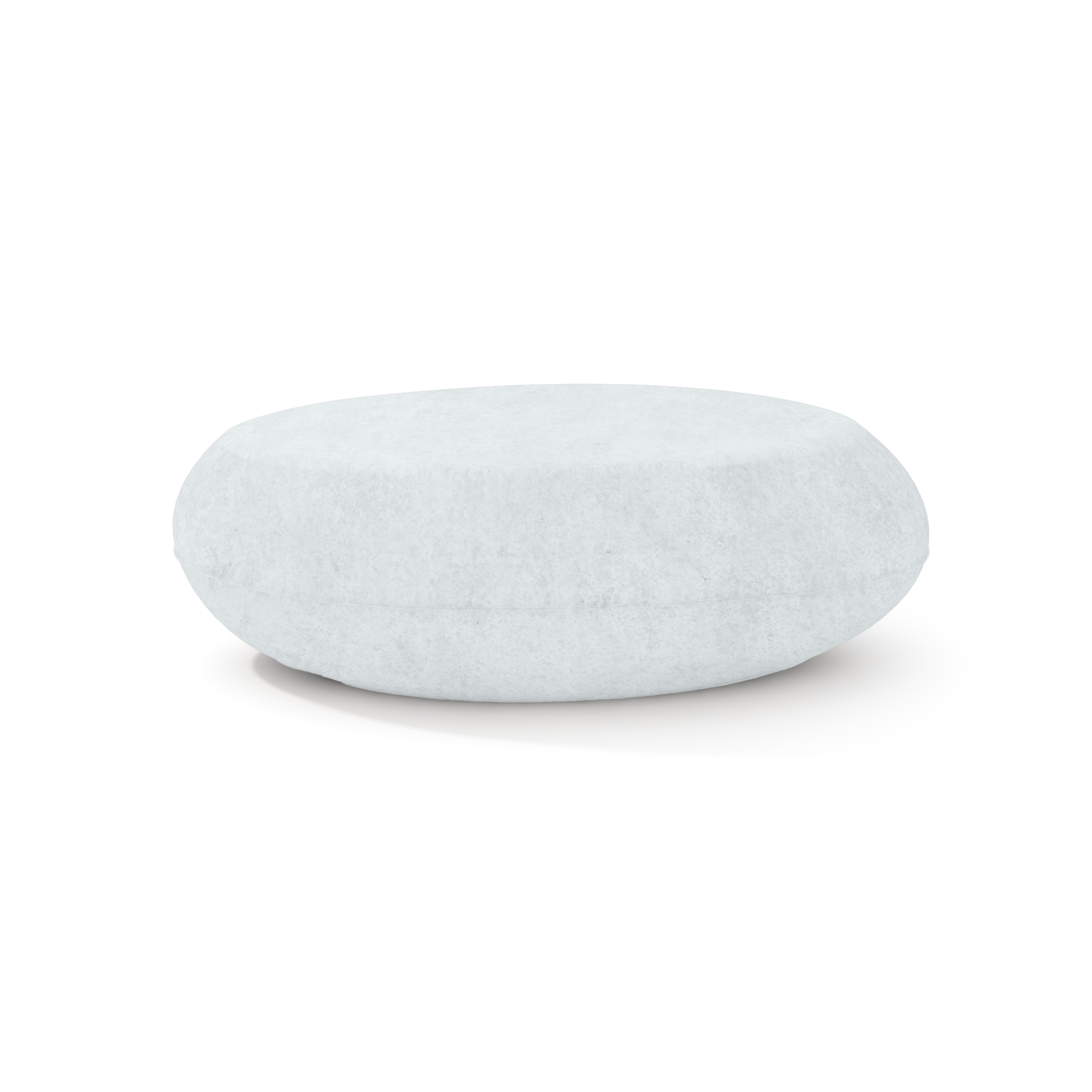
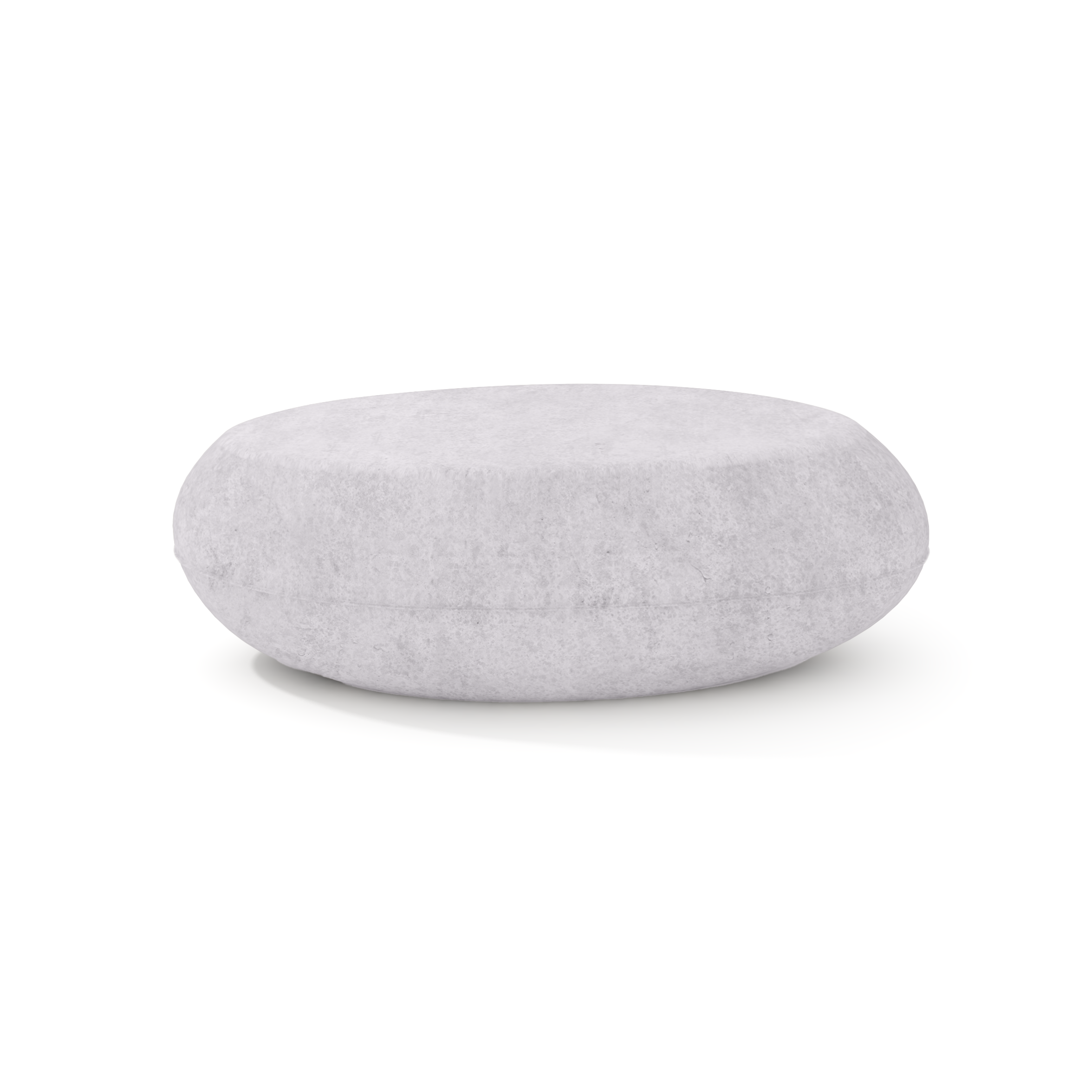
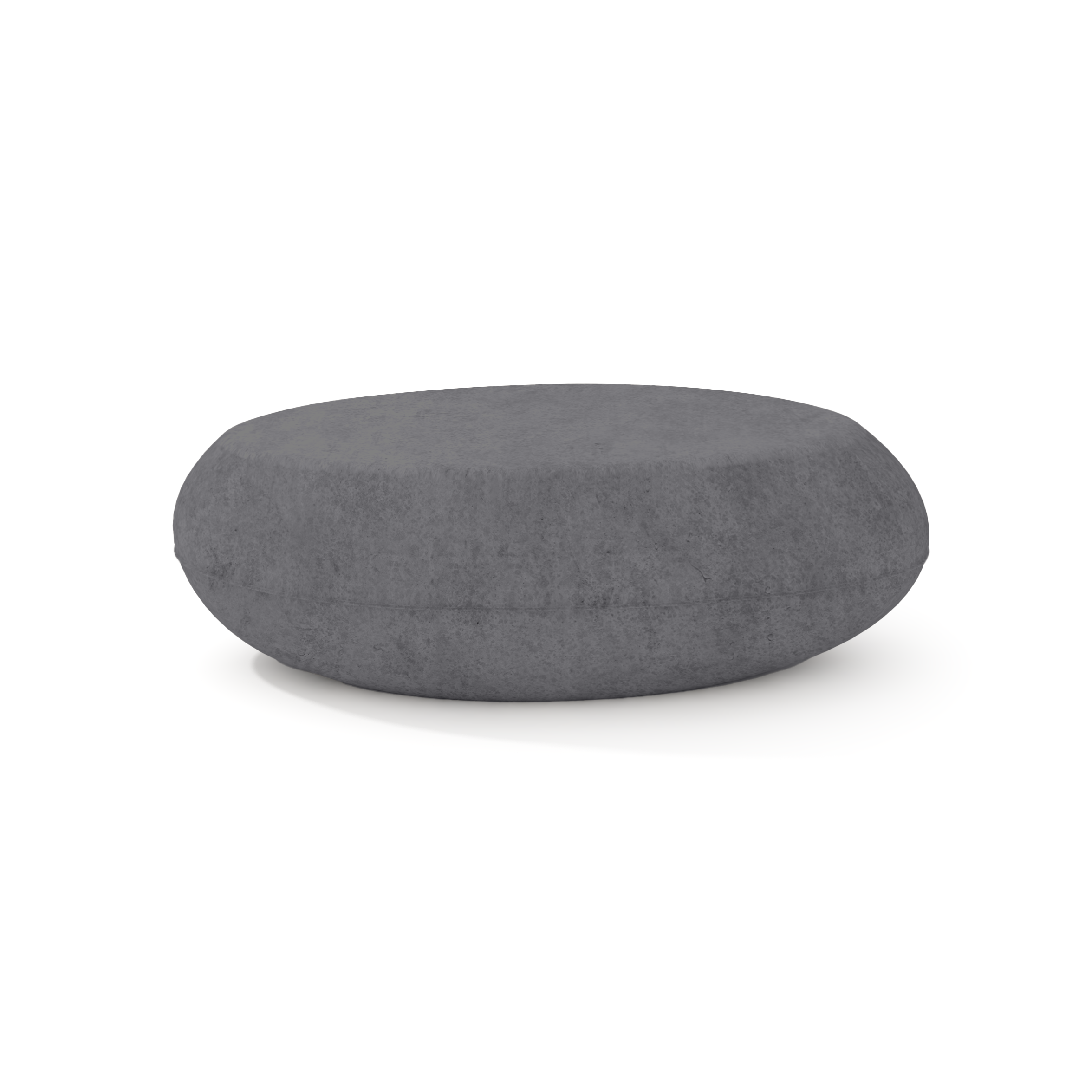
For longer sofas or secondary seating areas, an organic shape can provide more surface area while avoiding rigid lines. The Pebble Table works well in these layouts and can also support a larger open-concept room.

The same spacing principles apply when planning an outdoor seating area. Leave approximately 18 to 24 inches between the surrounding seating and the table so guests can comfortably reach drinks while still having room to move.
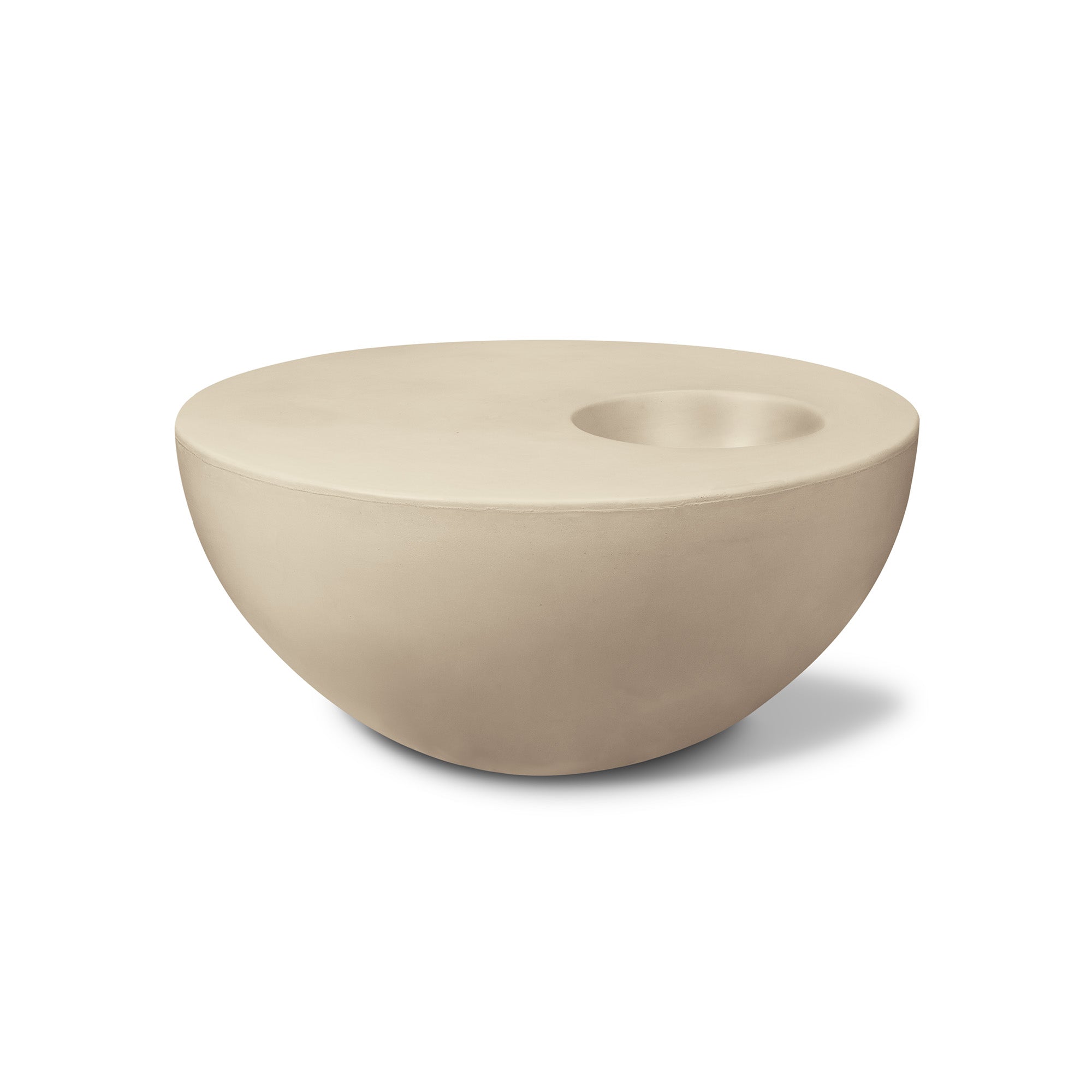
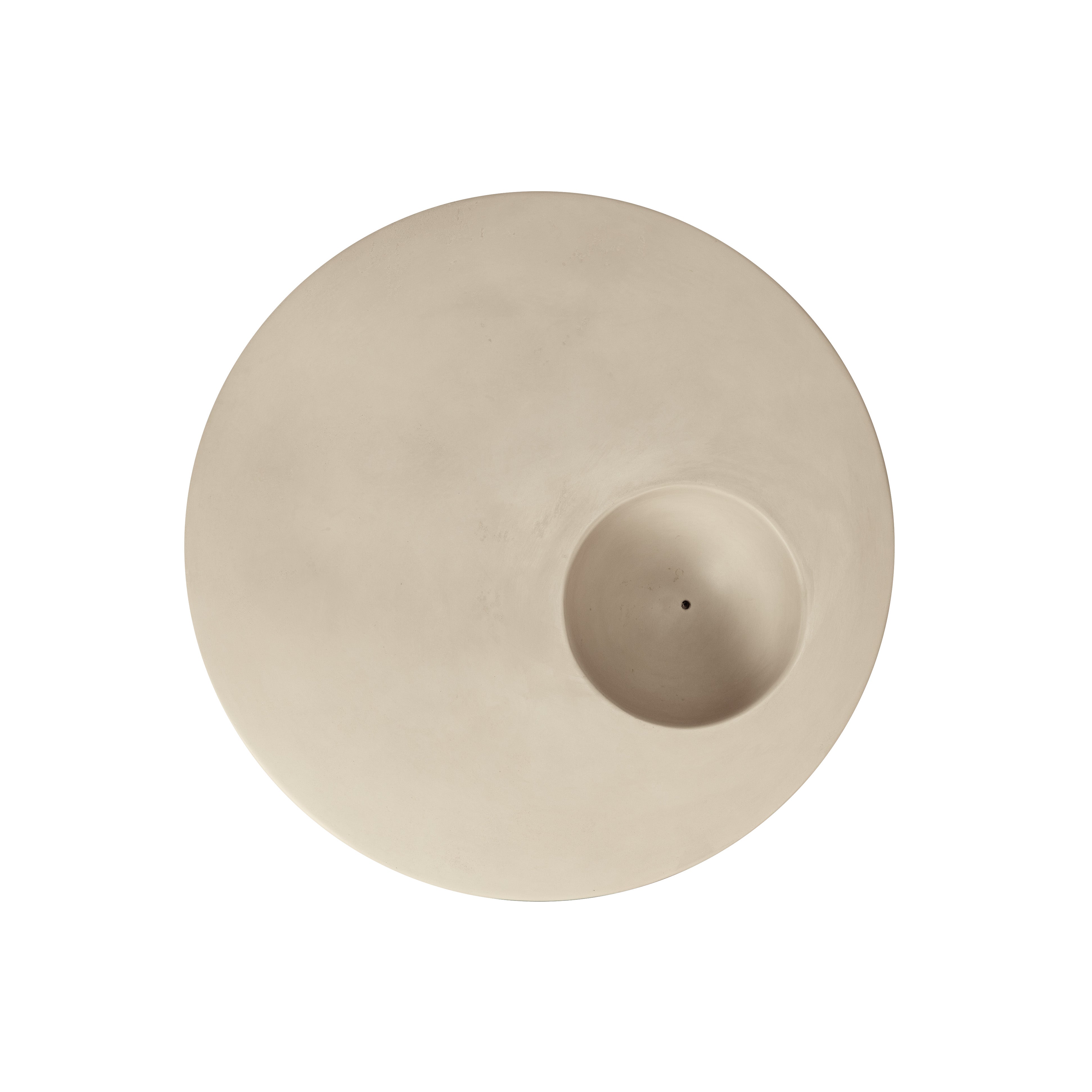
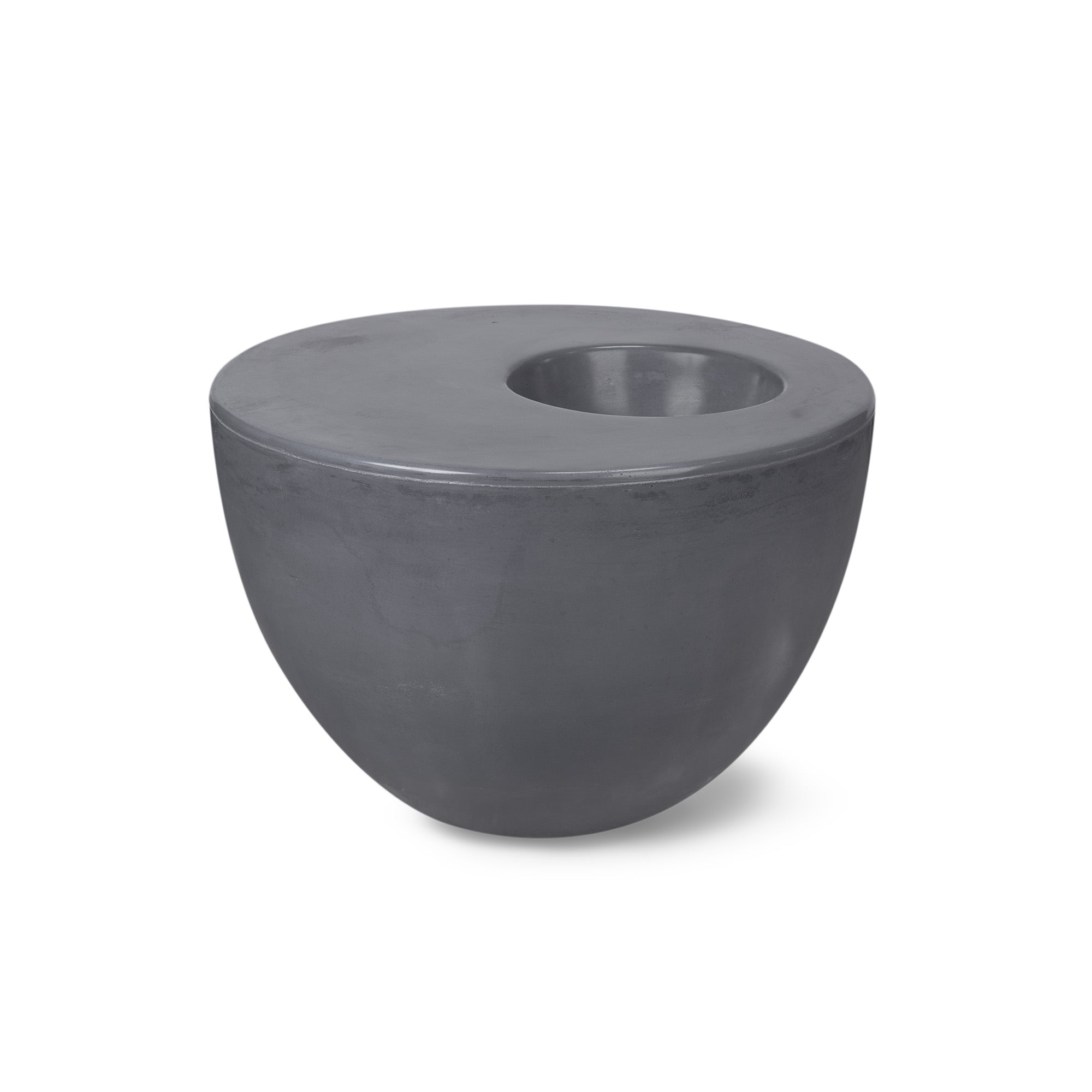
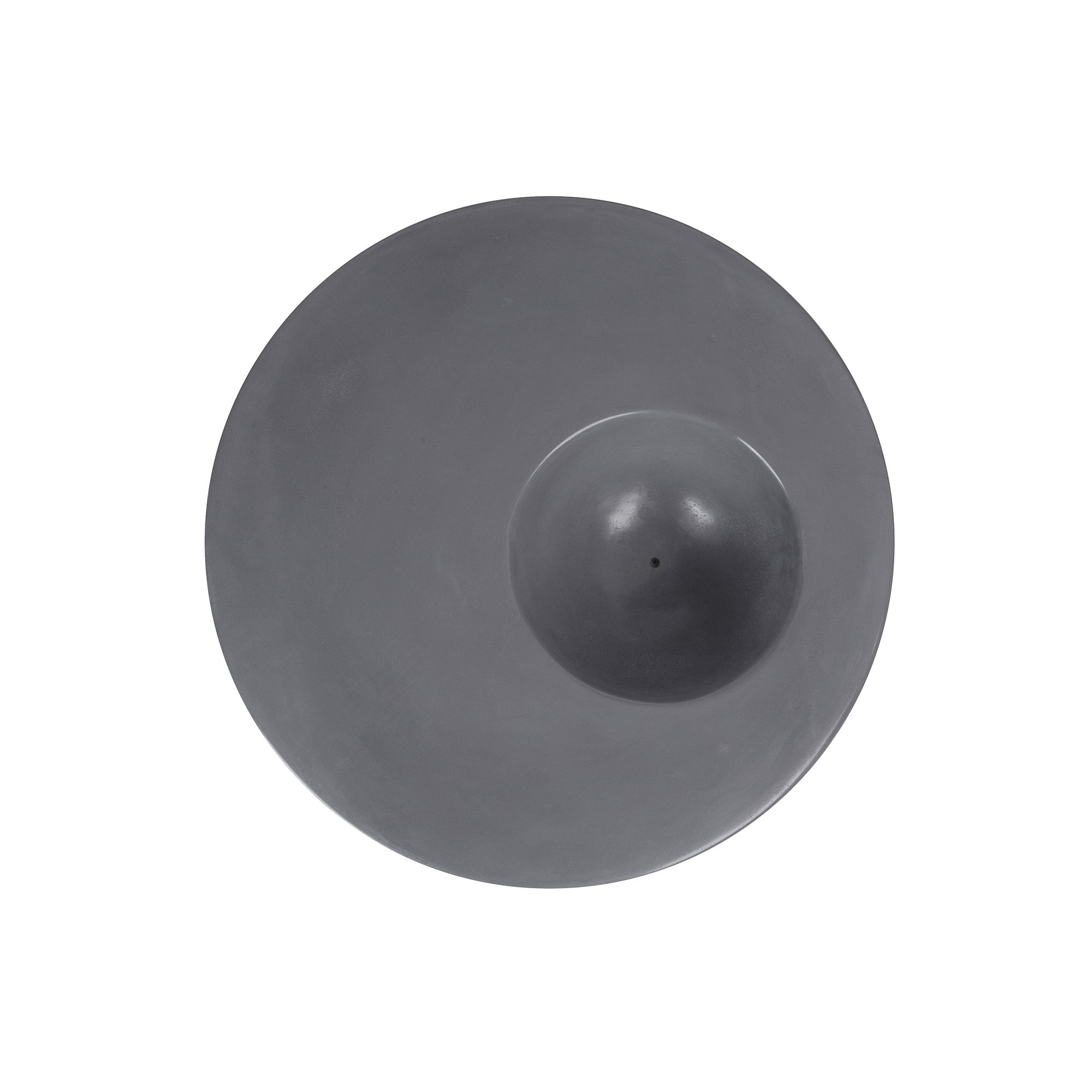
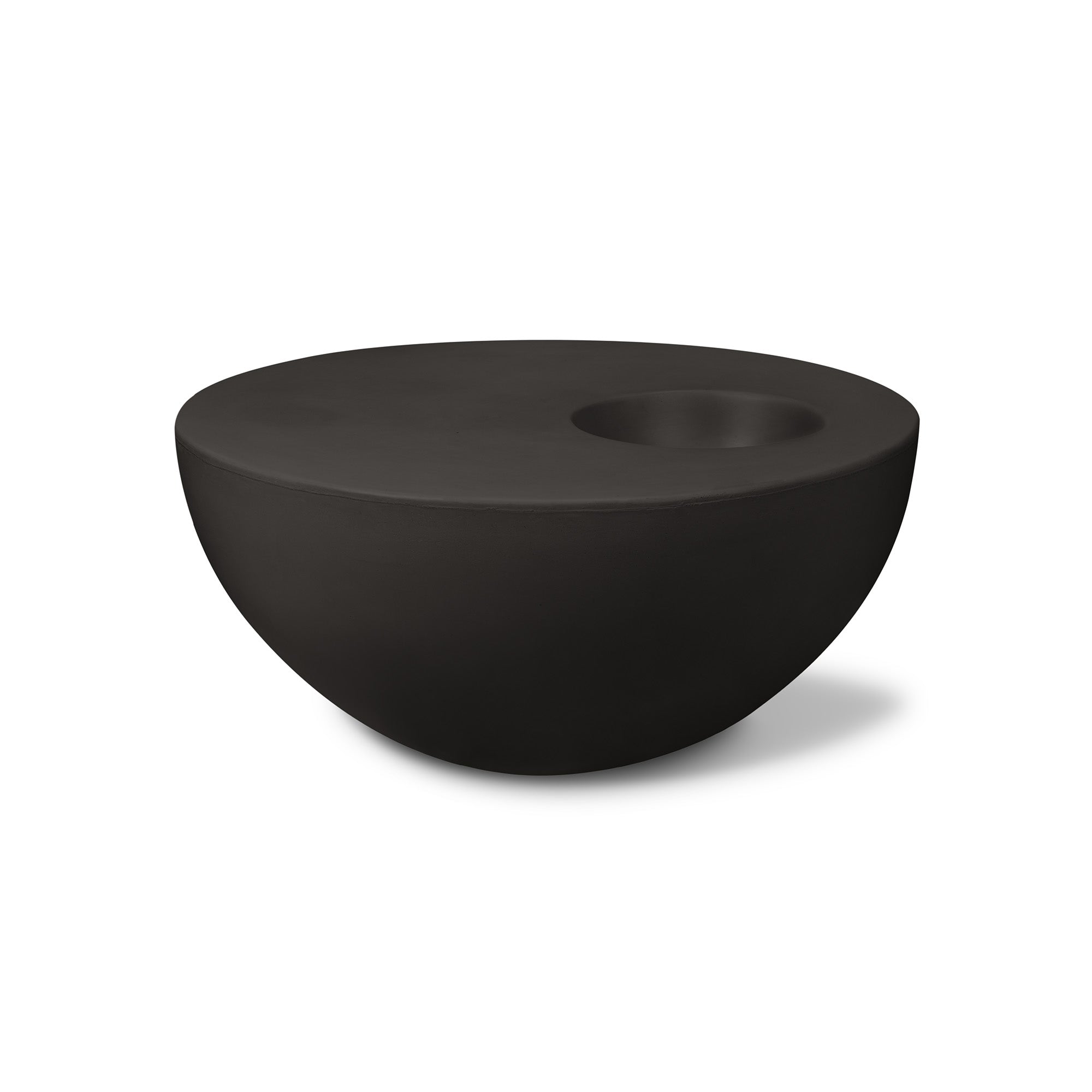
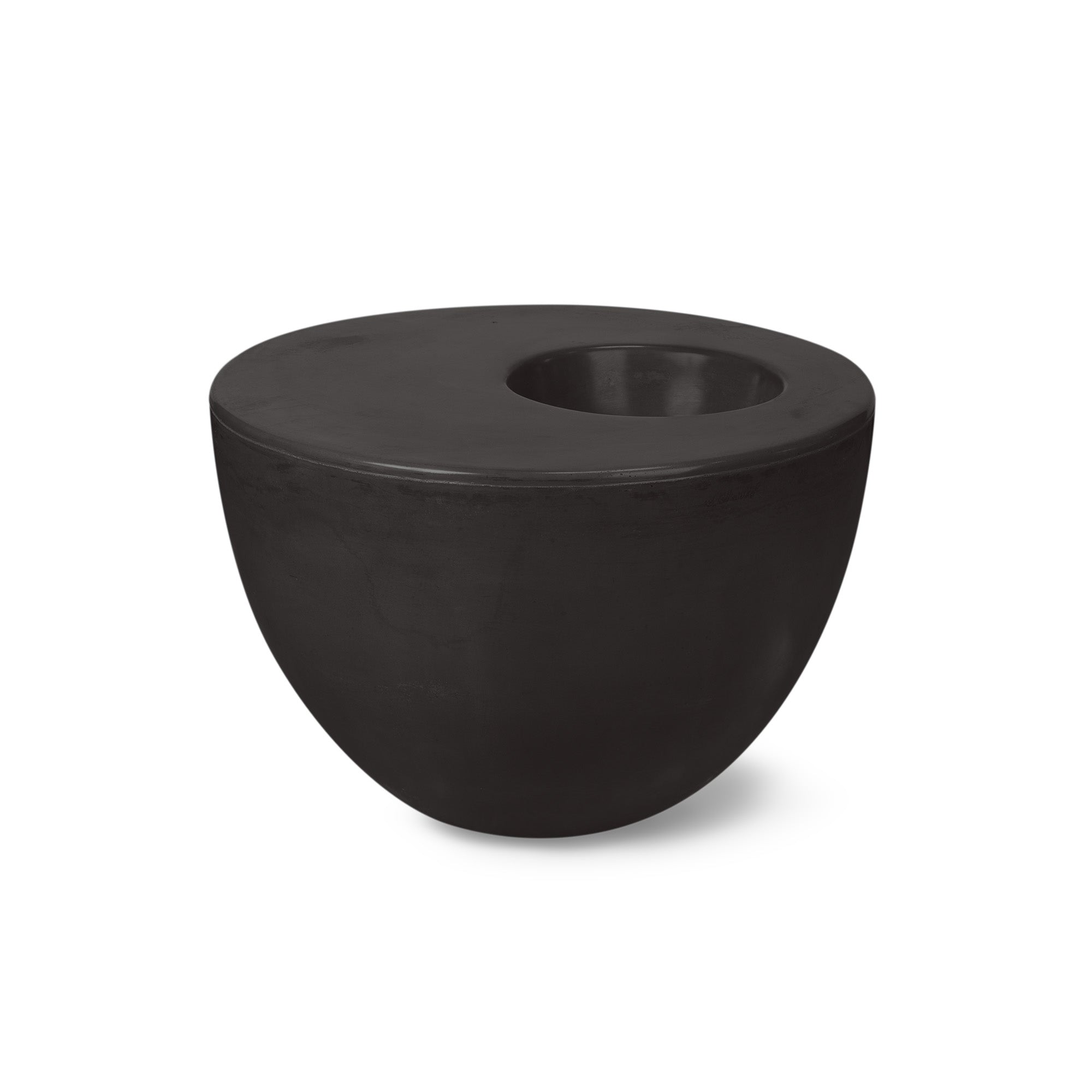
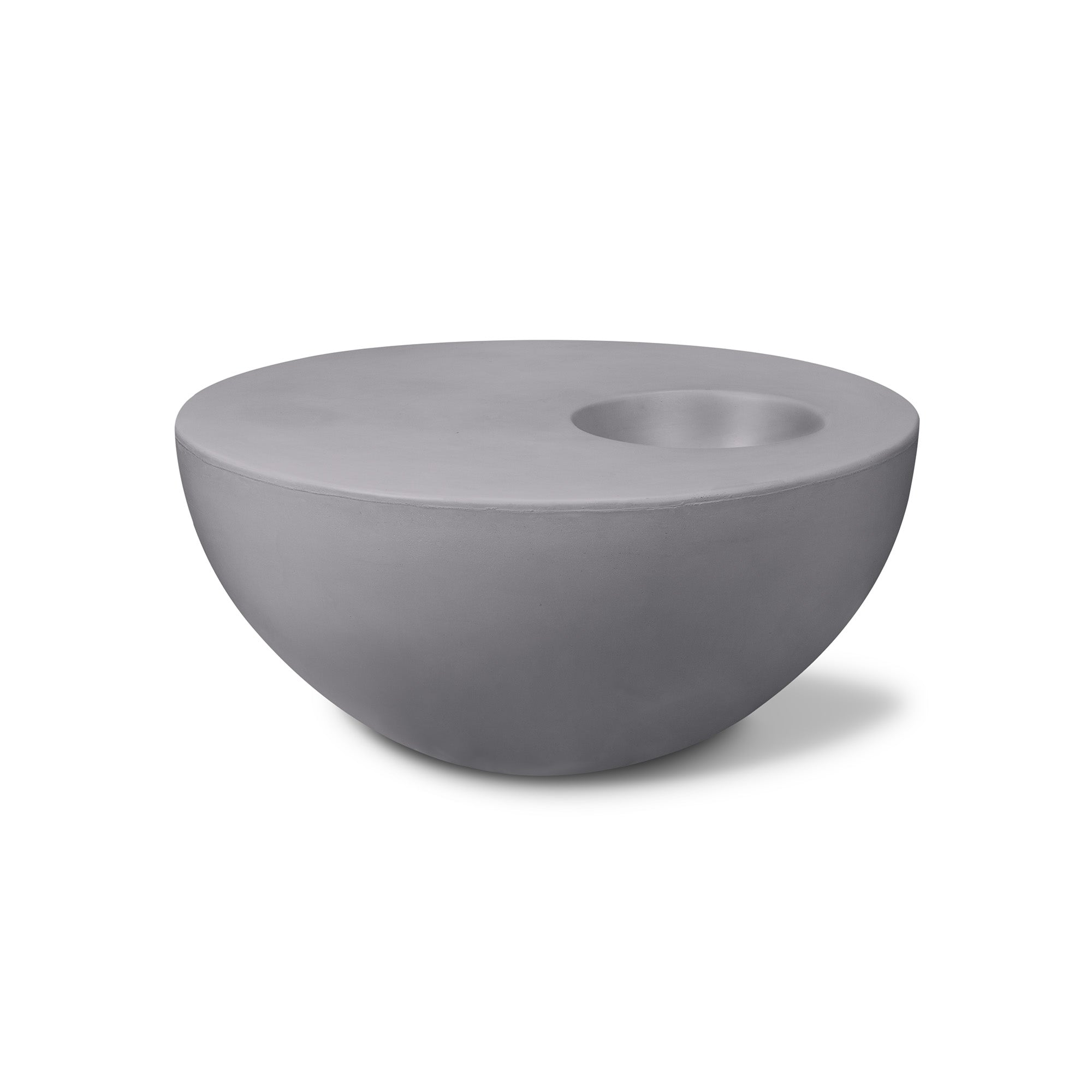
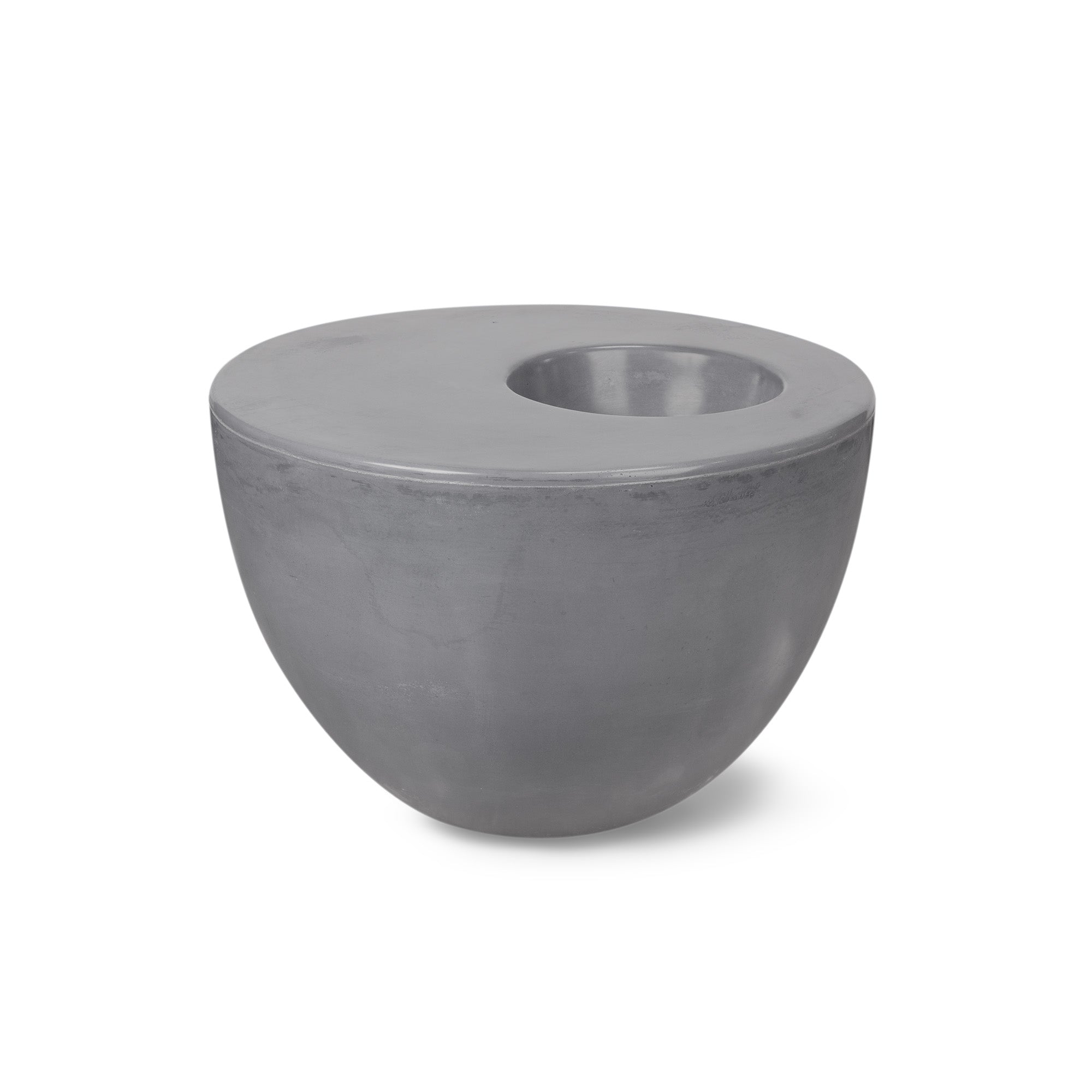
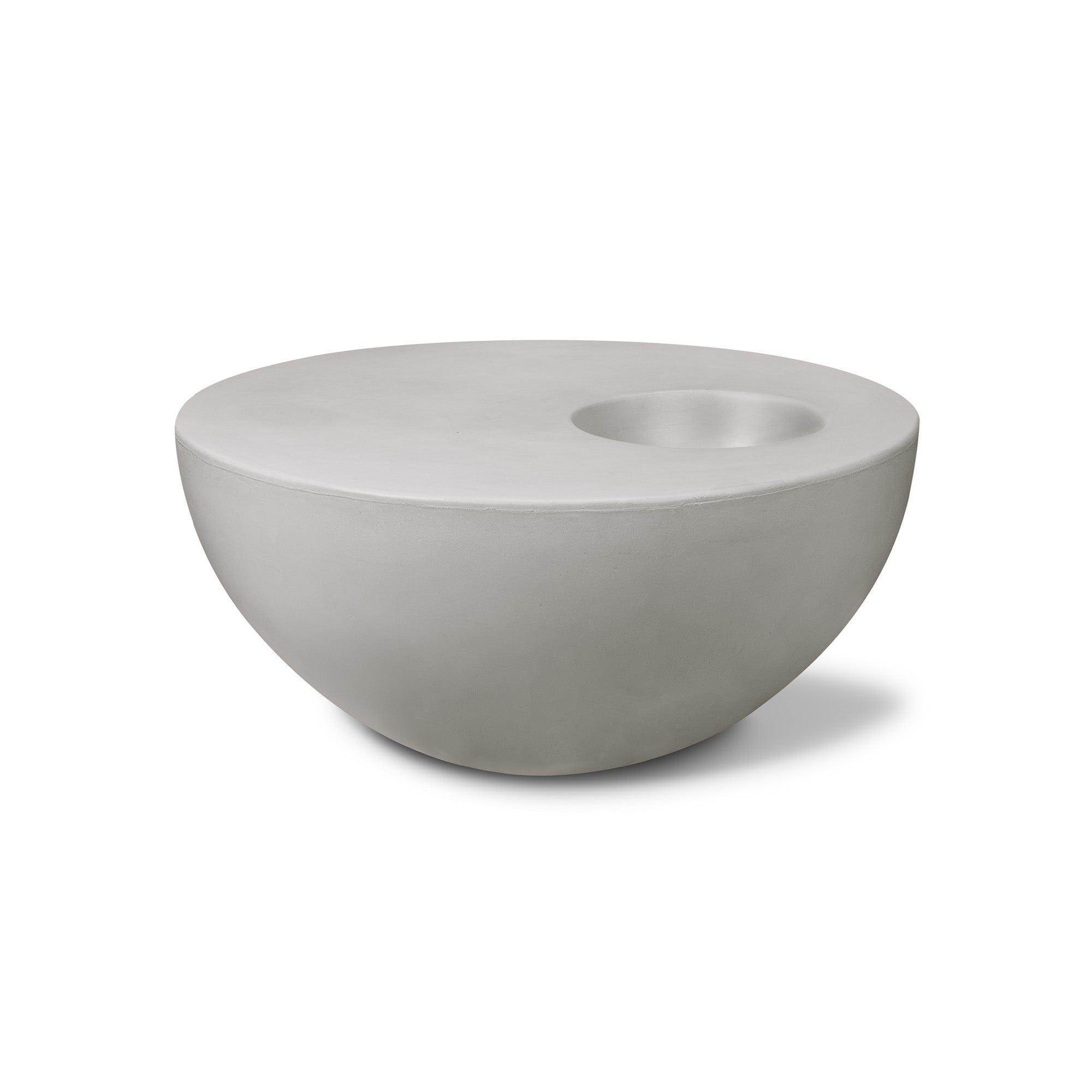
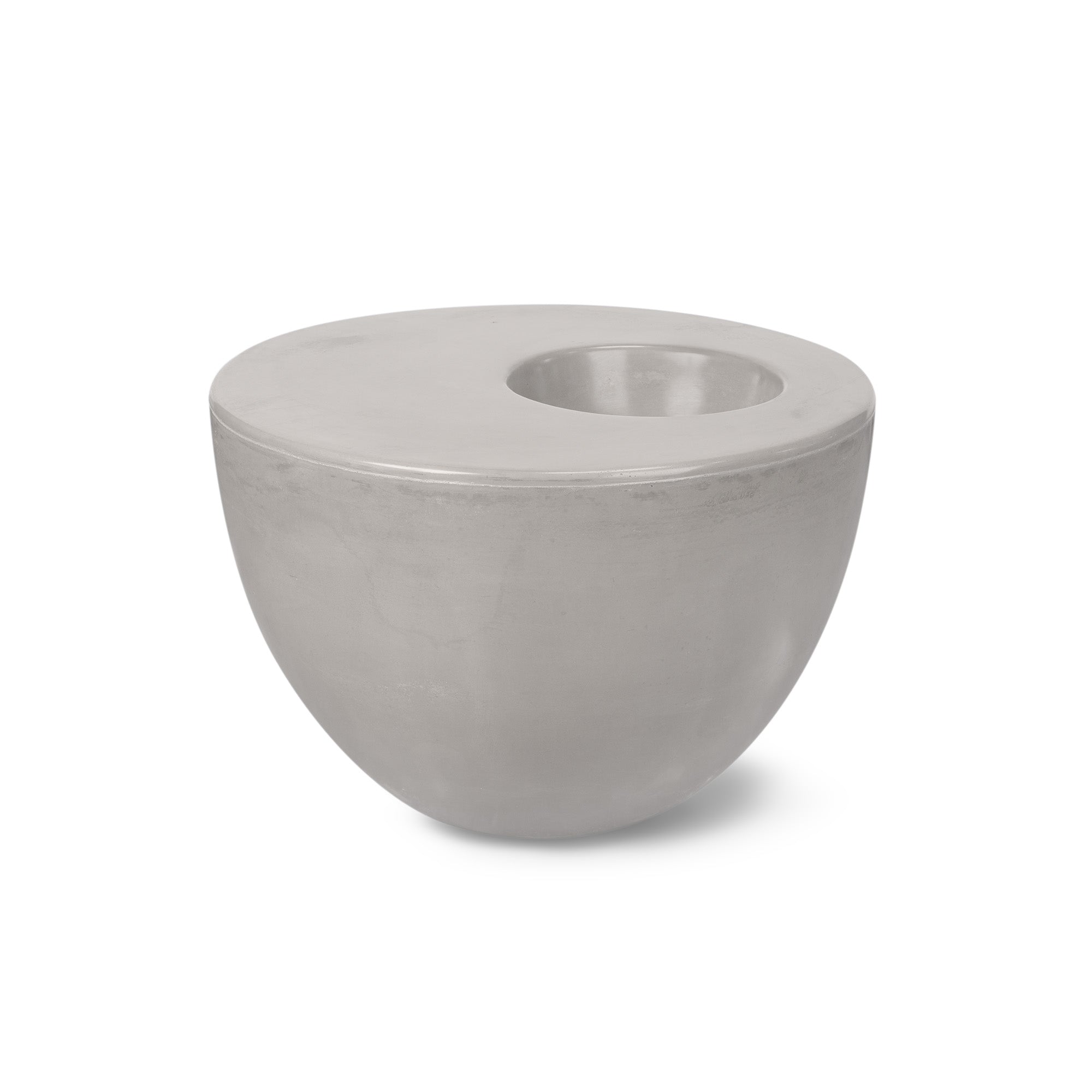
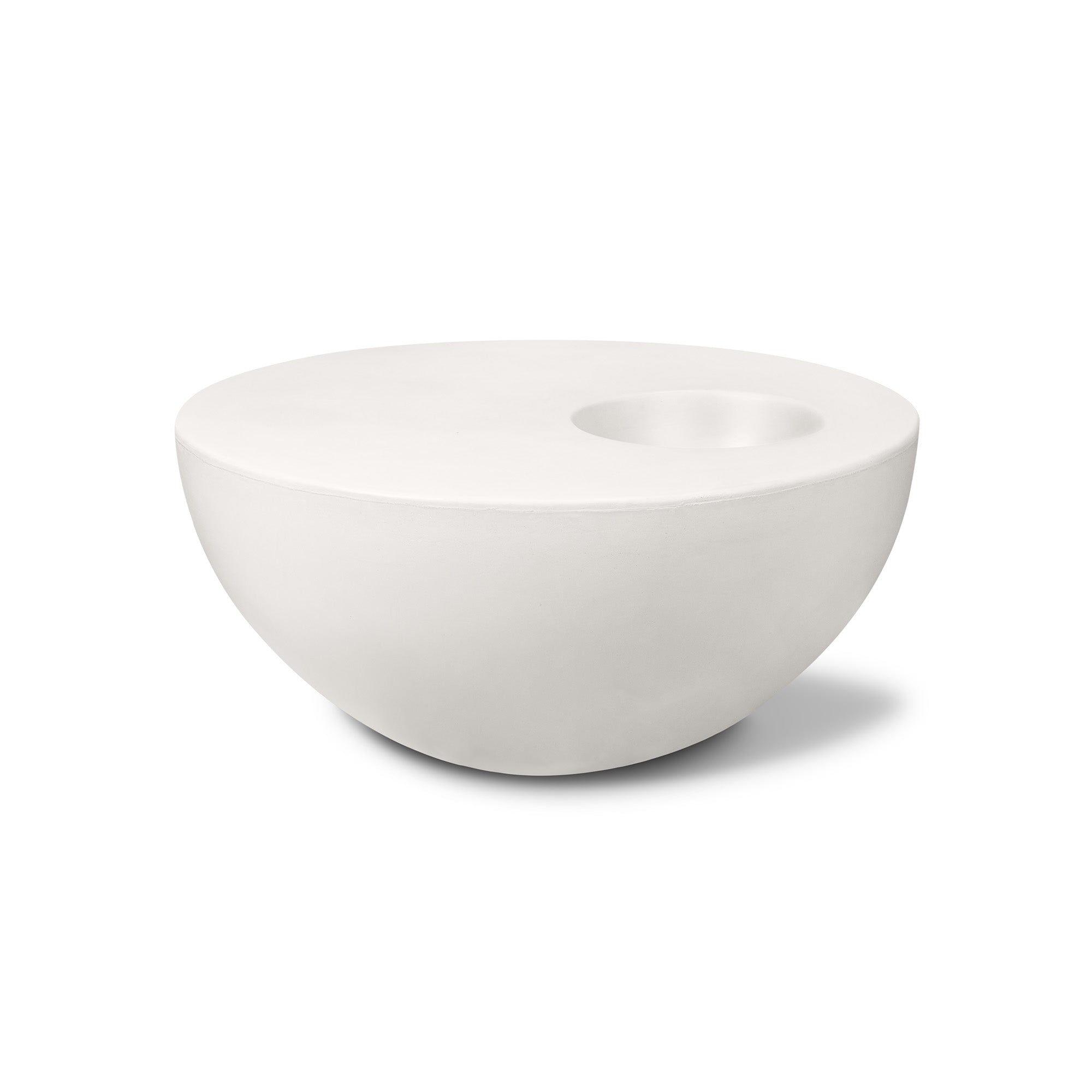
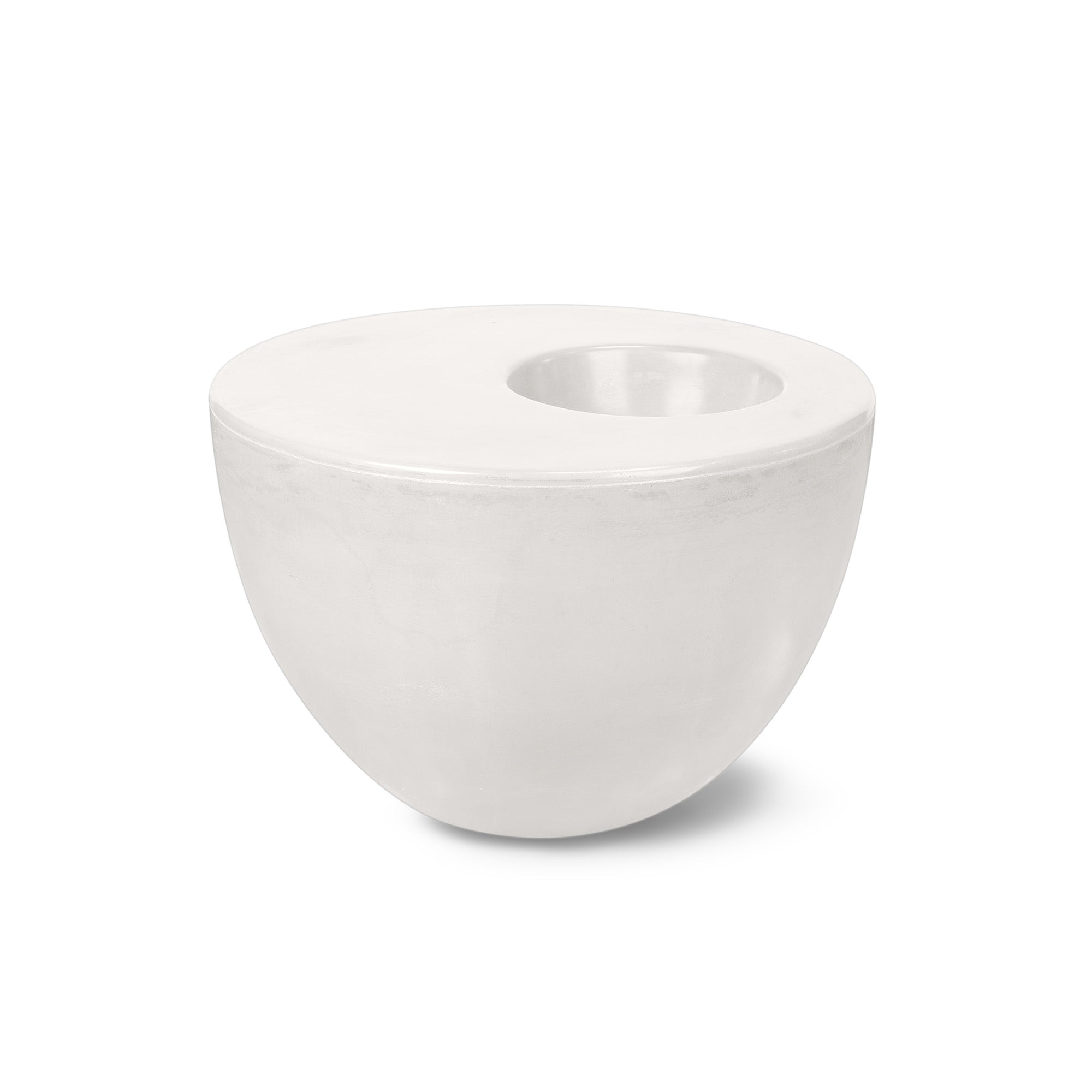
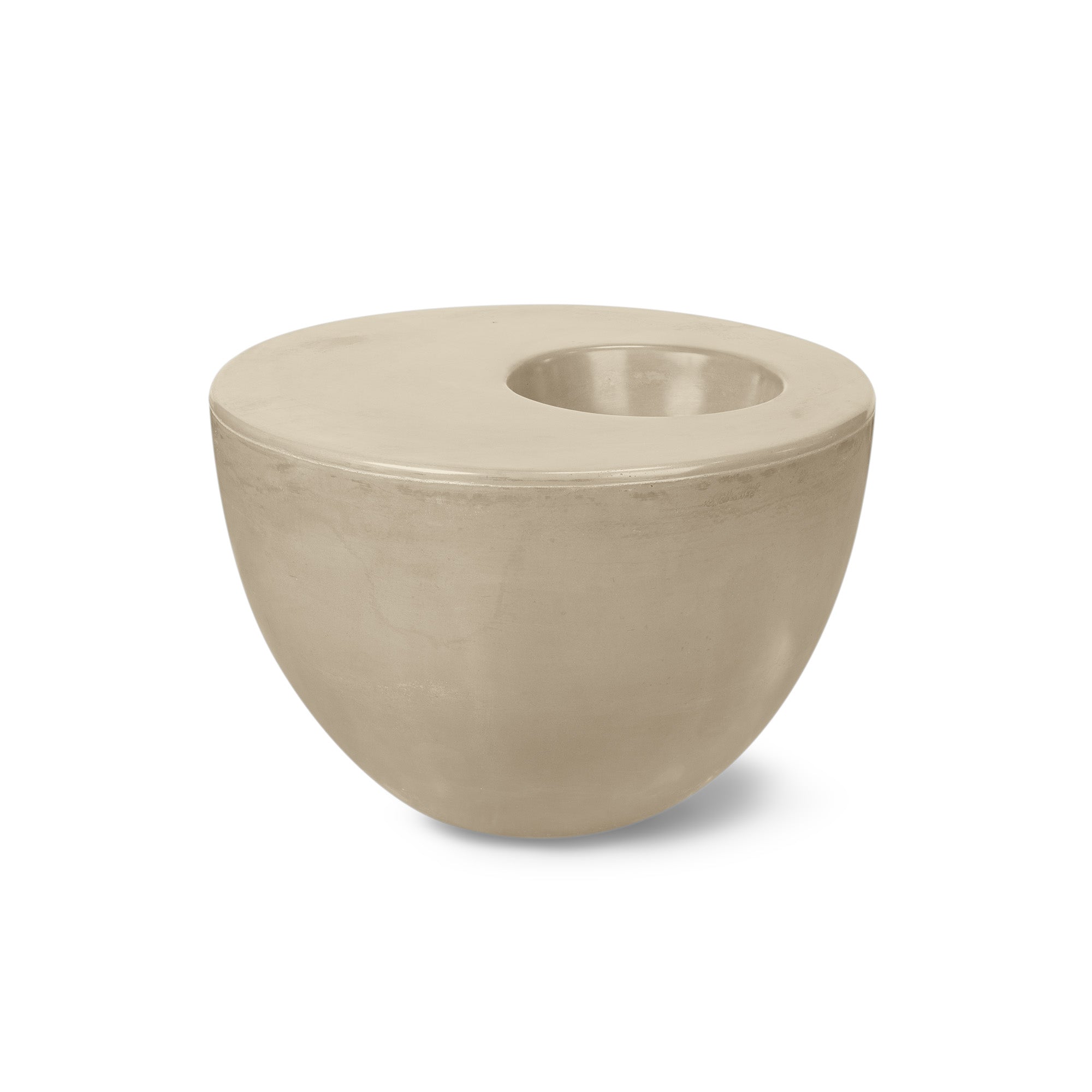
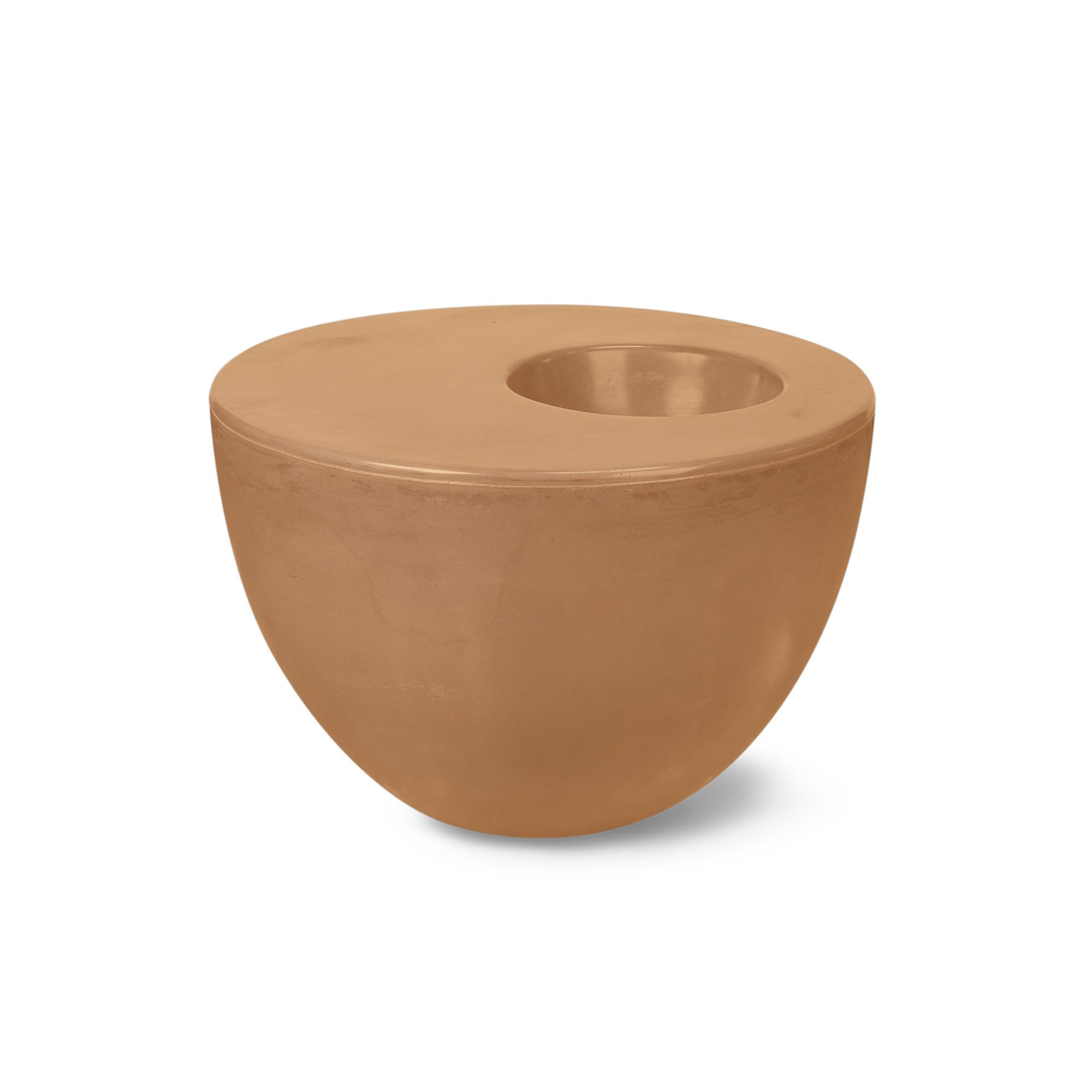
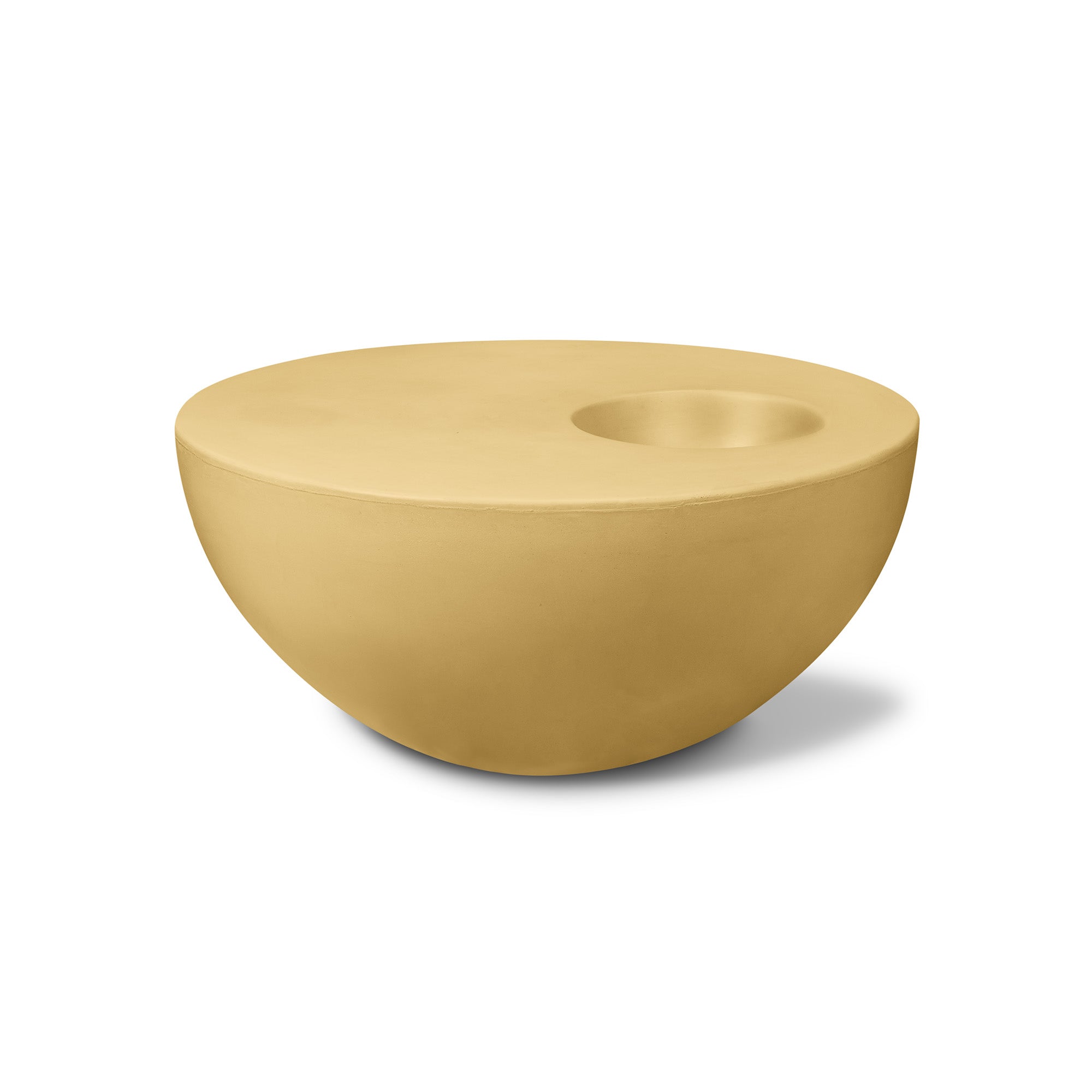
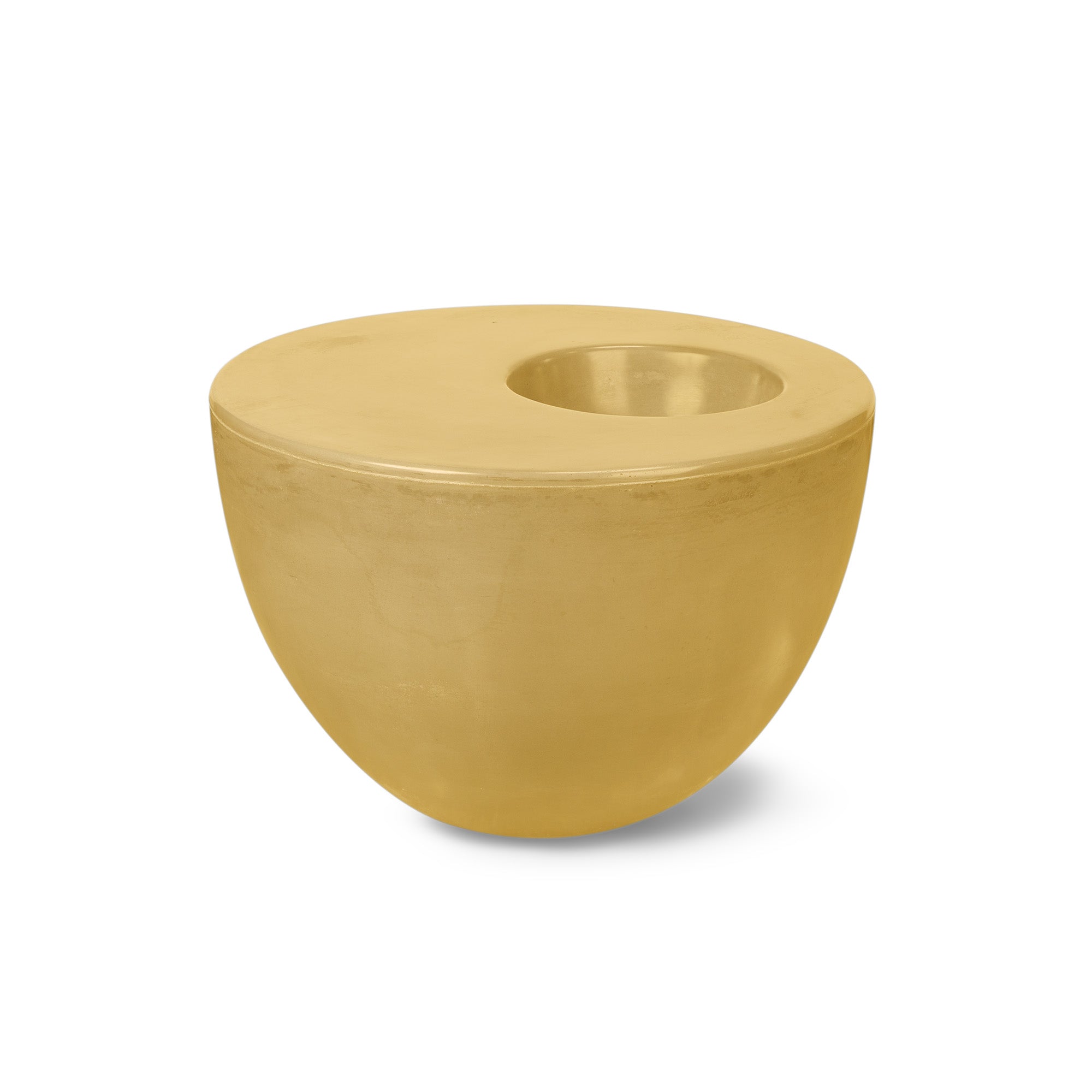
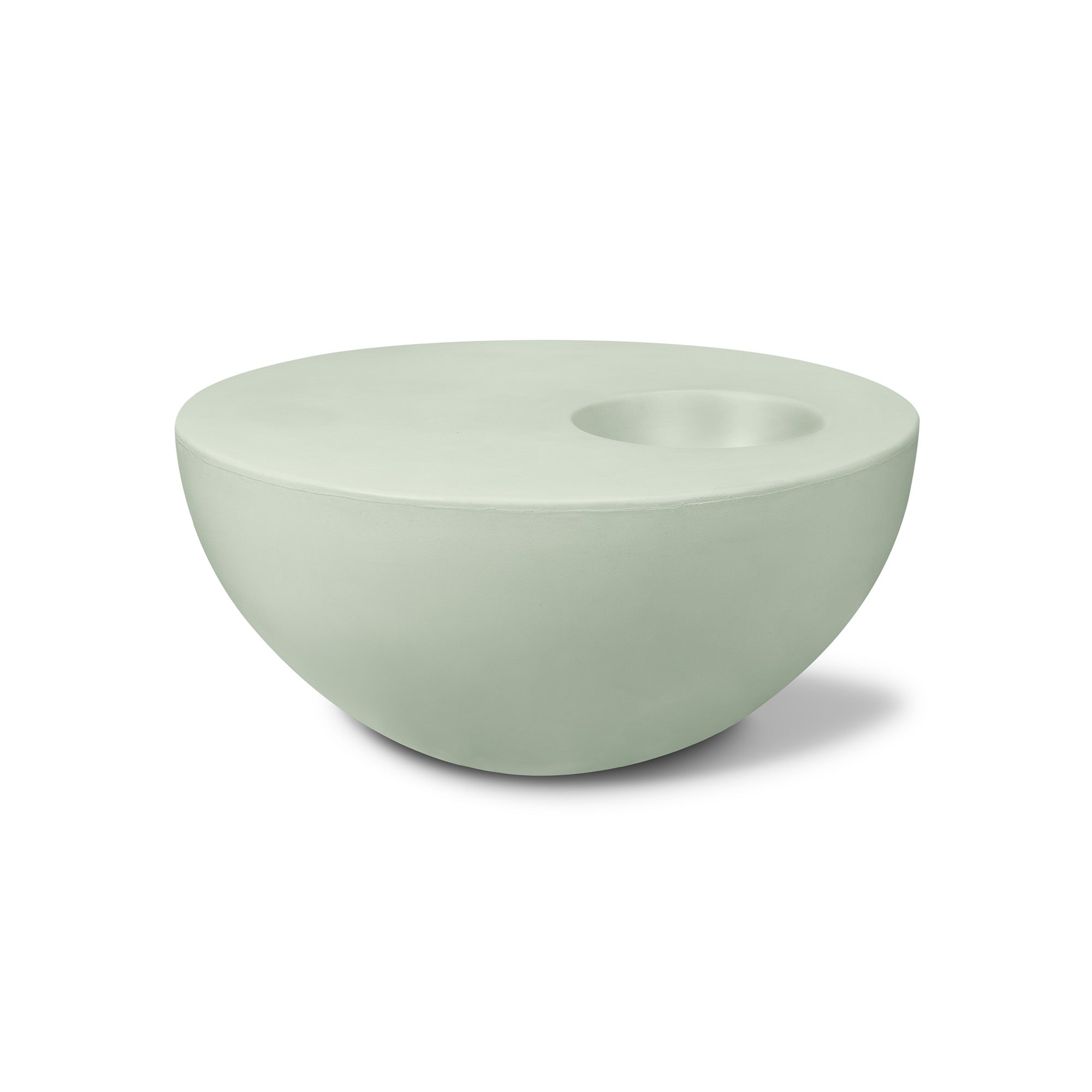
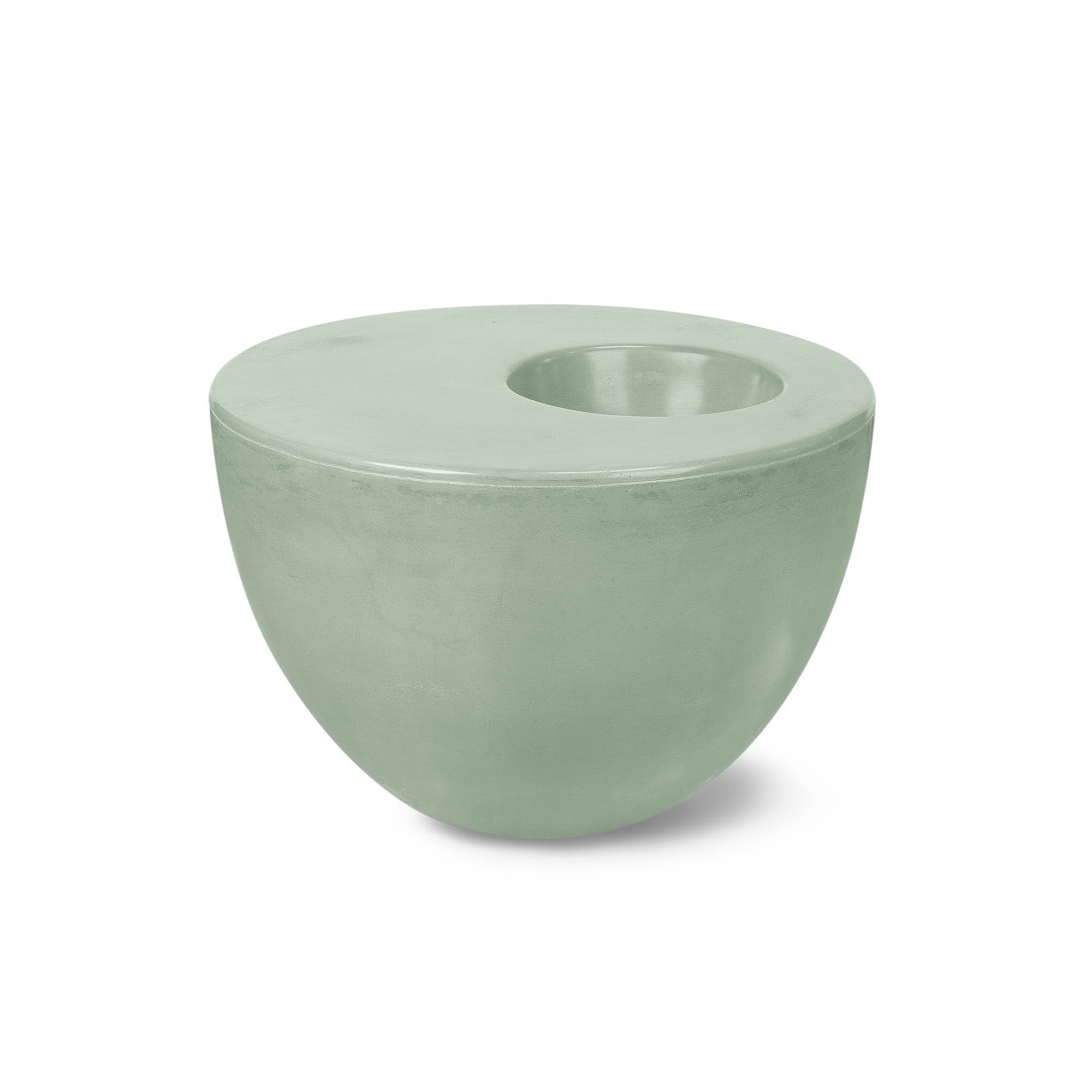
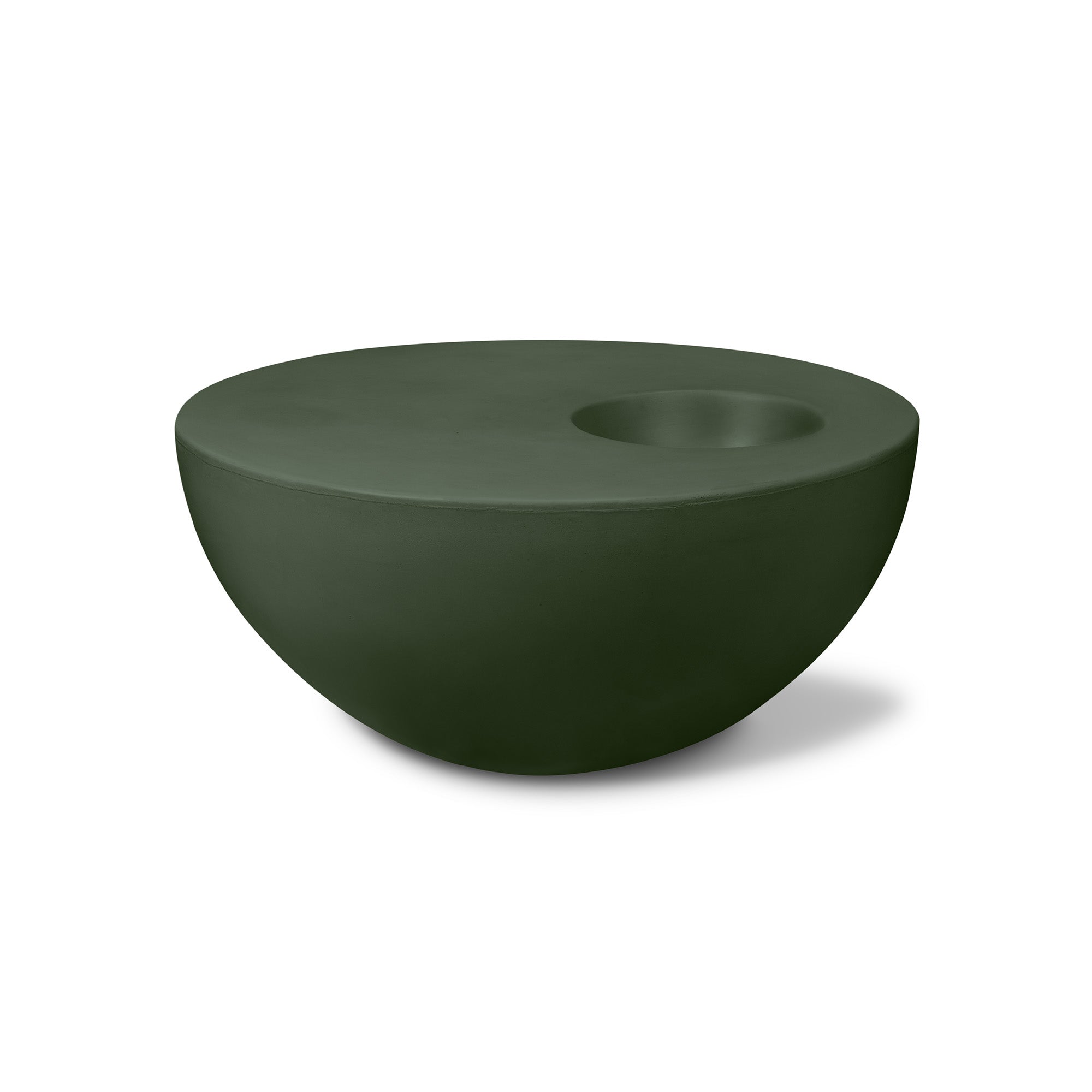
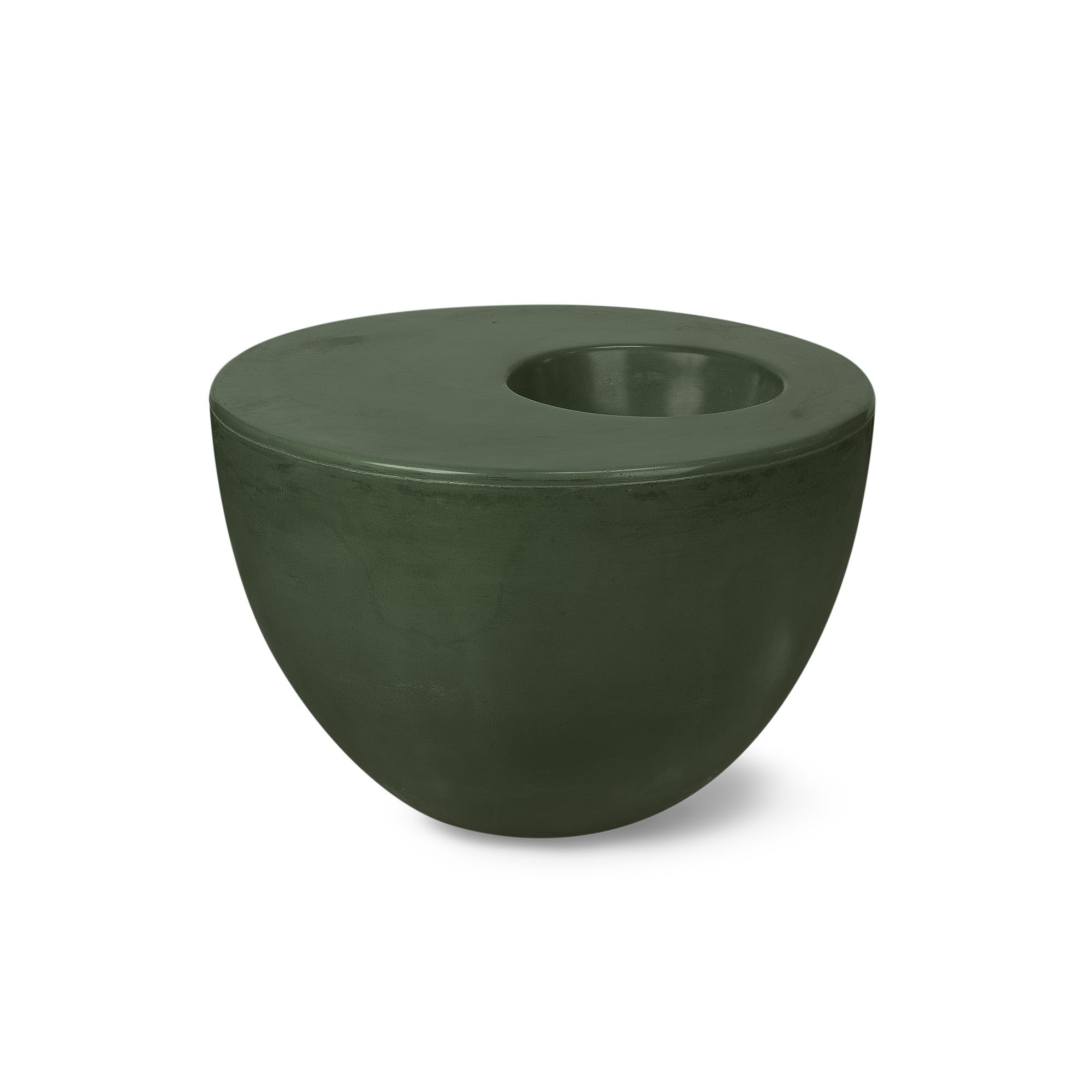
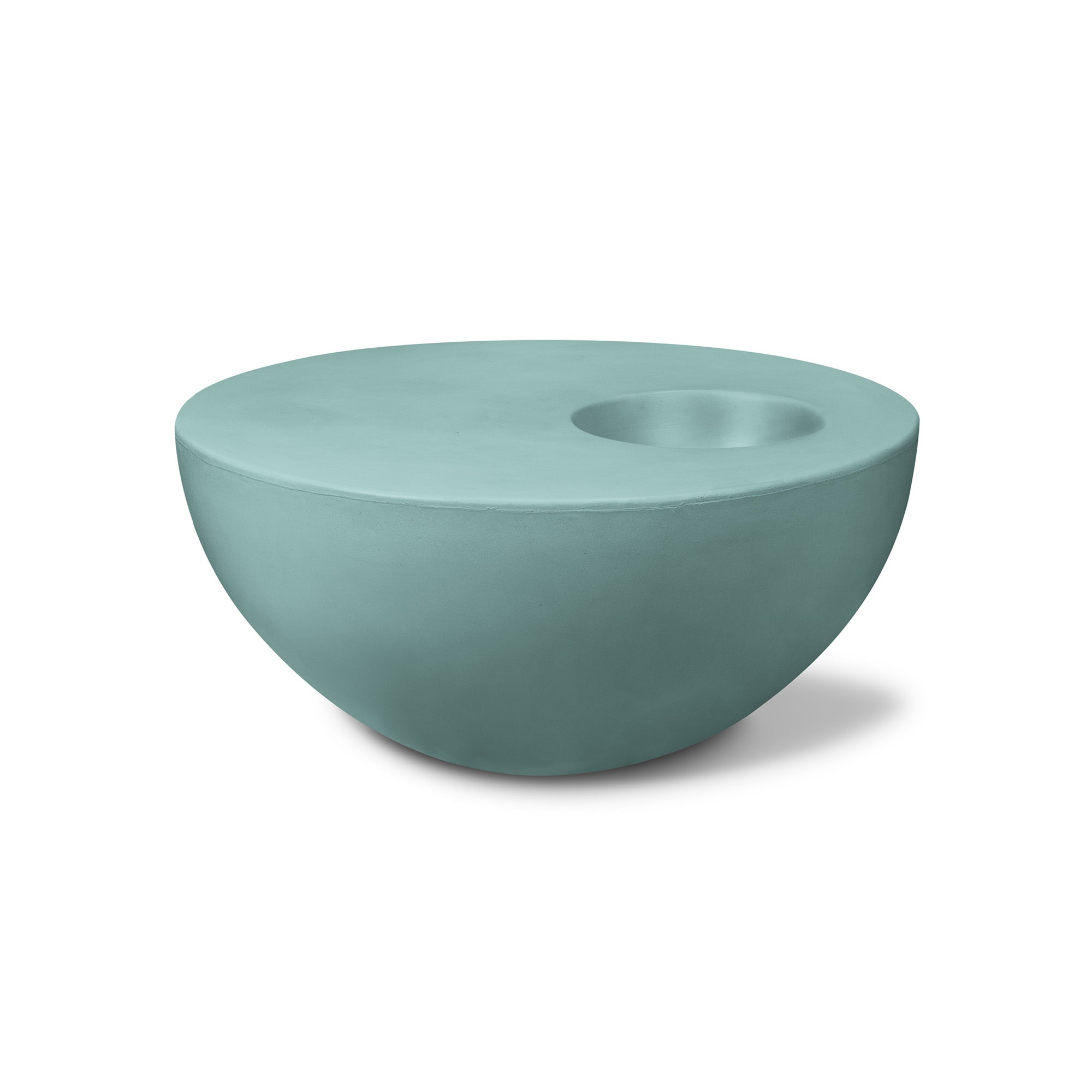
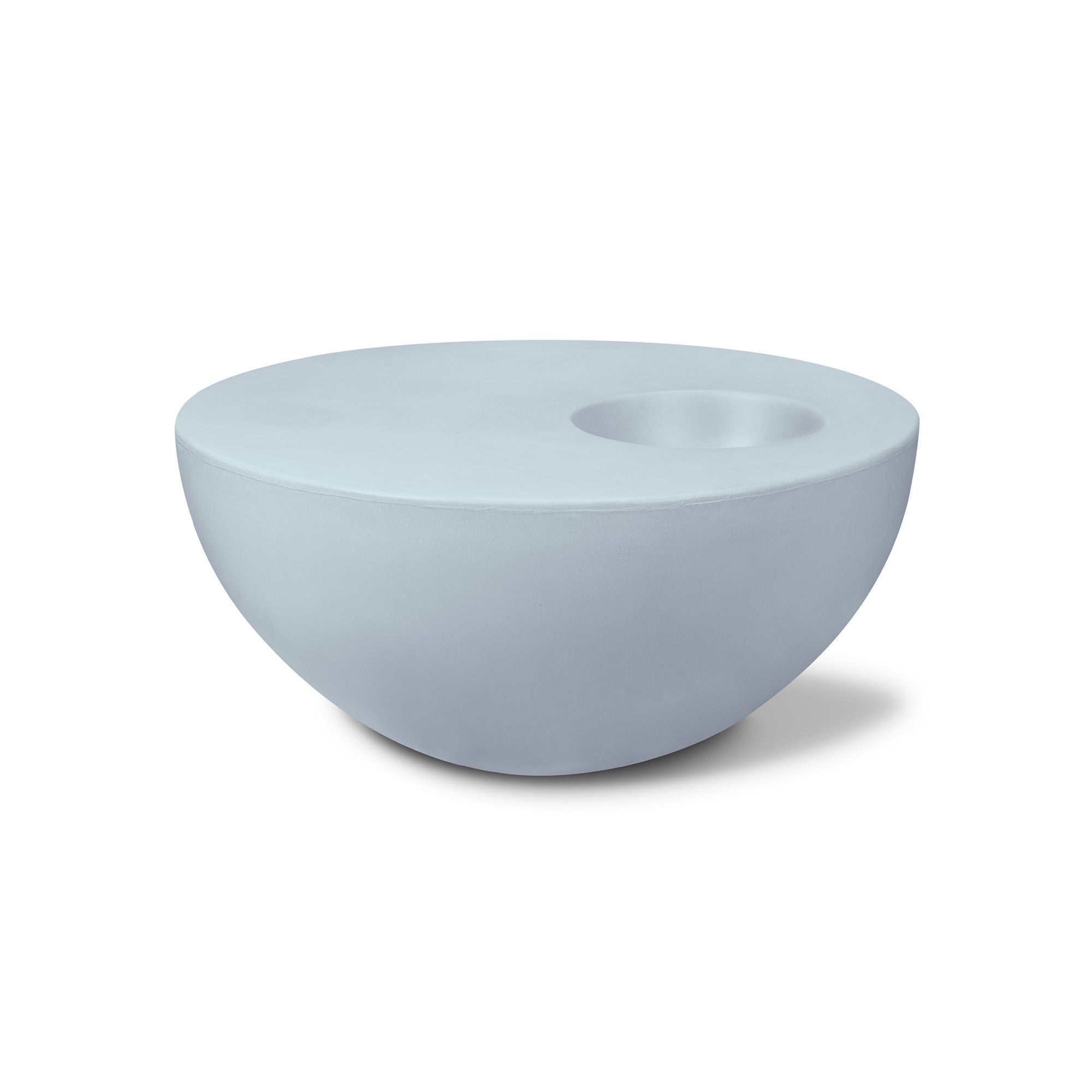
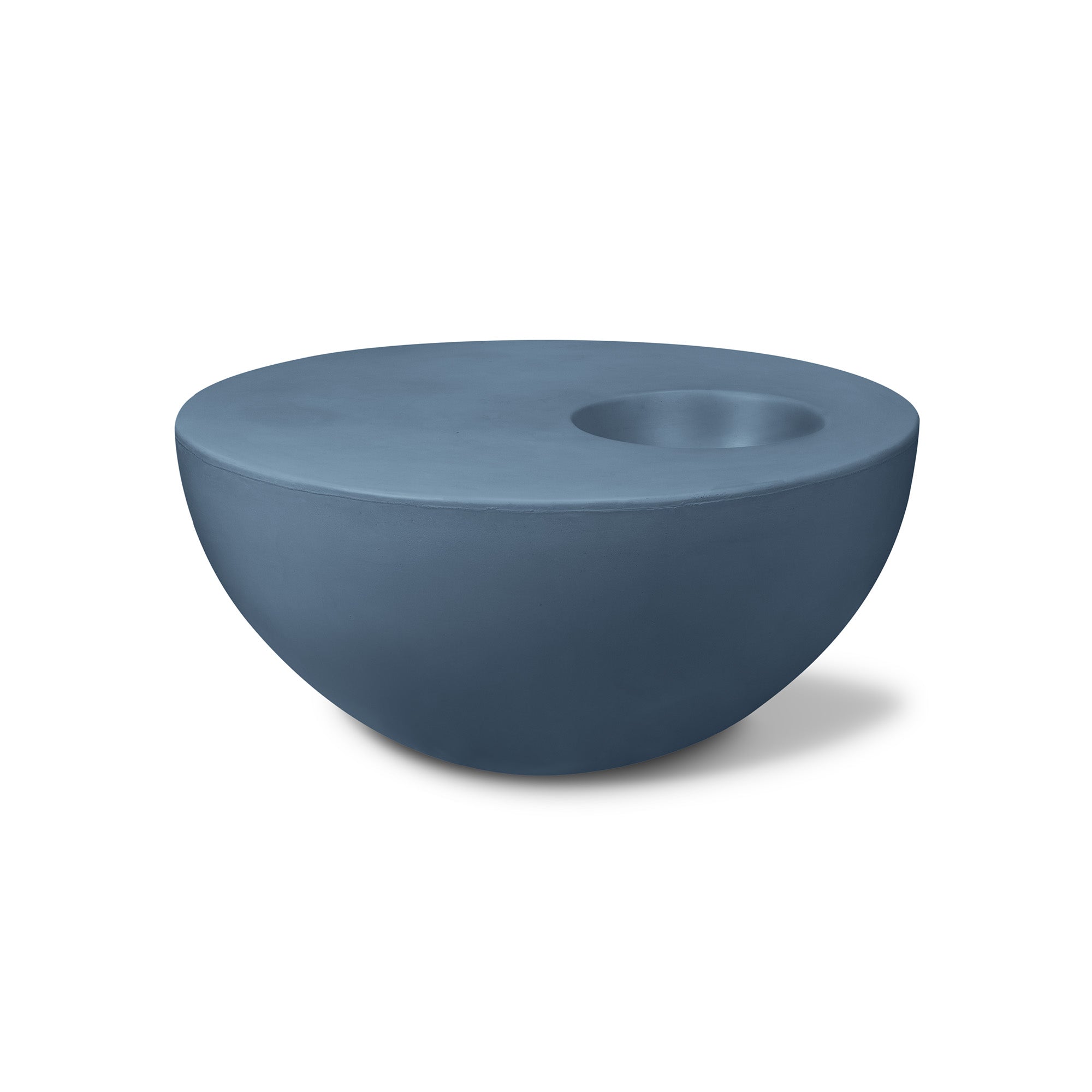
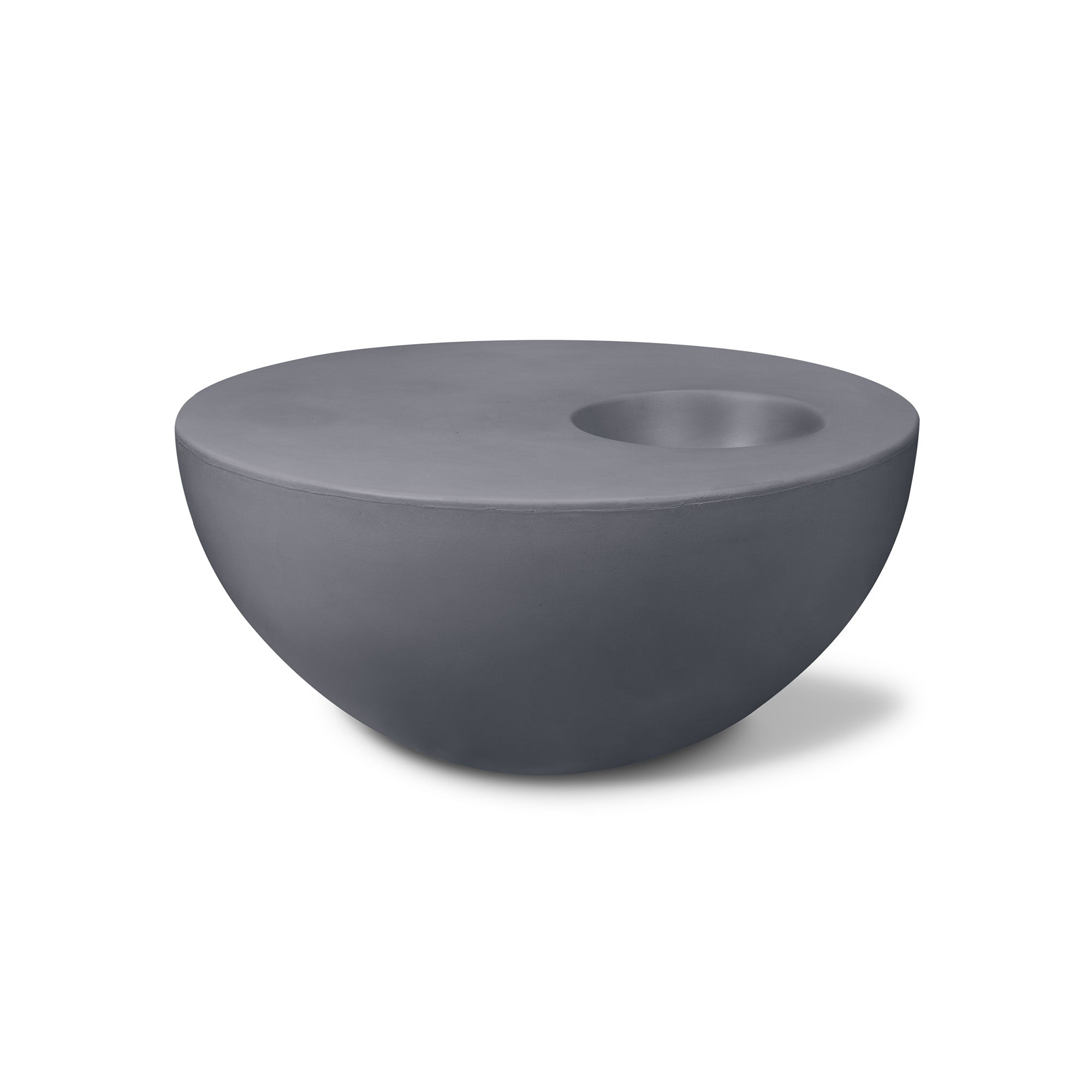
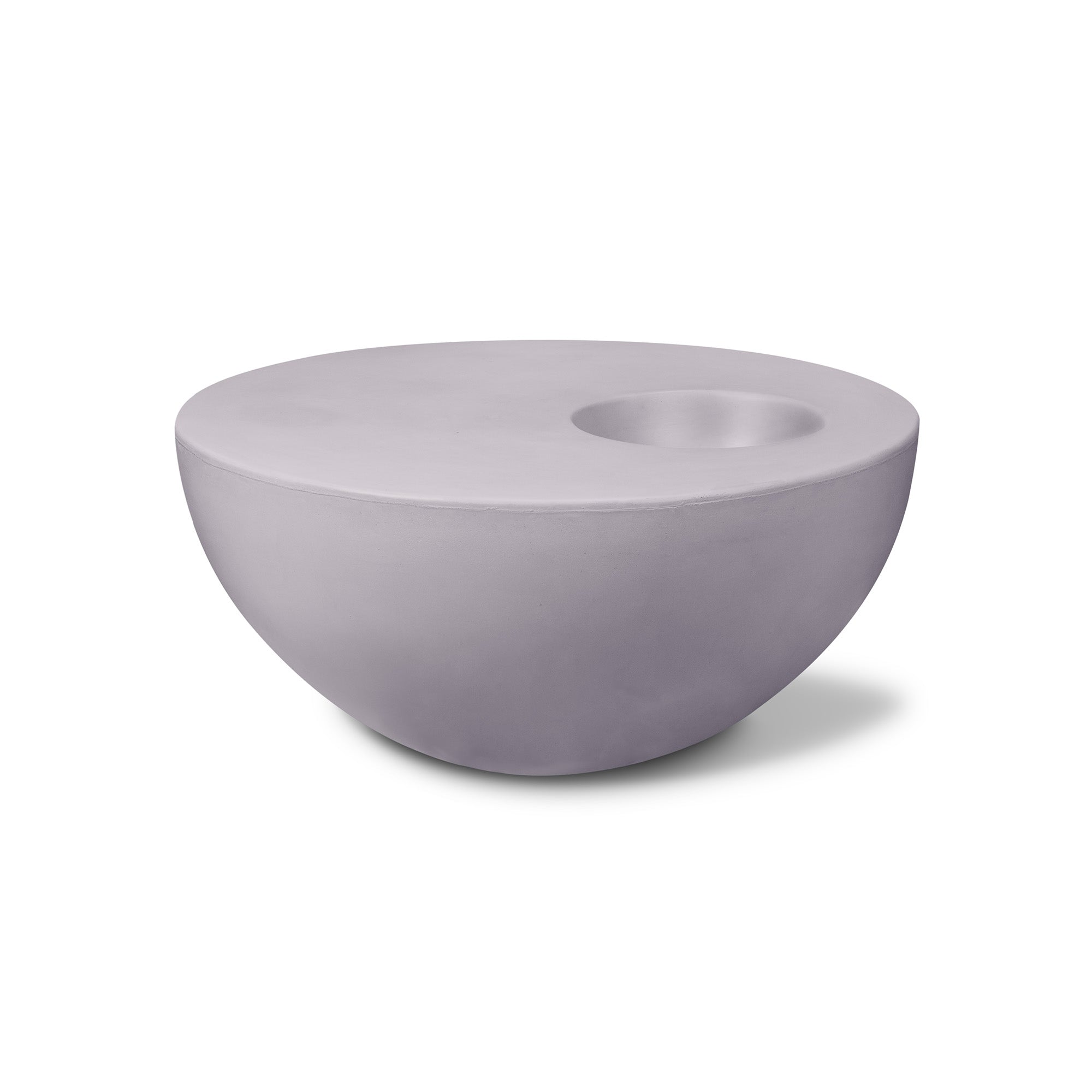
The Palm Table is a practical option for outdoor spaces designed for gathering and entertaining. Its built-in basin keeps ice and beverages within reach, while two available sizes allow it to fit anything from an intimate patio to a larger poolside seating area.

Create Balance with Material and Texture
The material of a coffee table influences the overall feeling of the room. Concrete introduces natural texture and subtle color variation, giving the piece a grounded presence.
To keep the space from feeling too heavy, pair concrete with softer or warmer materials, such as:
- Linen or cotton upholstery
- Natural wood accents
- Textured rugs
- Soft curtains
- Greenery
- Stone or organic accessories
Solid forms create a stronger focal point, while open metal frames feel lighter within the room. Both approaches work well in modern, minimalist, and organic indoor and outdoor designs because they introduce contrast without relying on overly decorative details.

Find the Right Coffee Table for Your Home
Choosing the right coffee table is ultimately about understanding how it relates to your furniture, available space, and daily routine.
Consider the surface area you need, how people will move around the room, and whether the table should serve as a focal point or blend more quietly into the layout. When size, shape, function, and material are considered together, the result will feel more intentional and naturally connected to your home.